

AiPrise
July 16, 2026
What Is Smurfing in Money Laundering? A Complete Guide
Key Takeaways

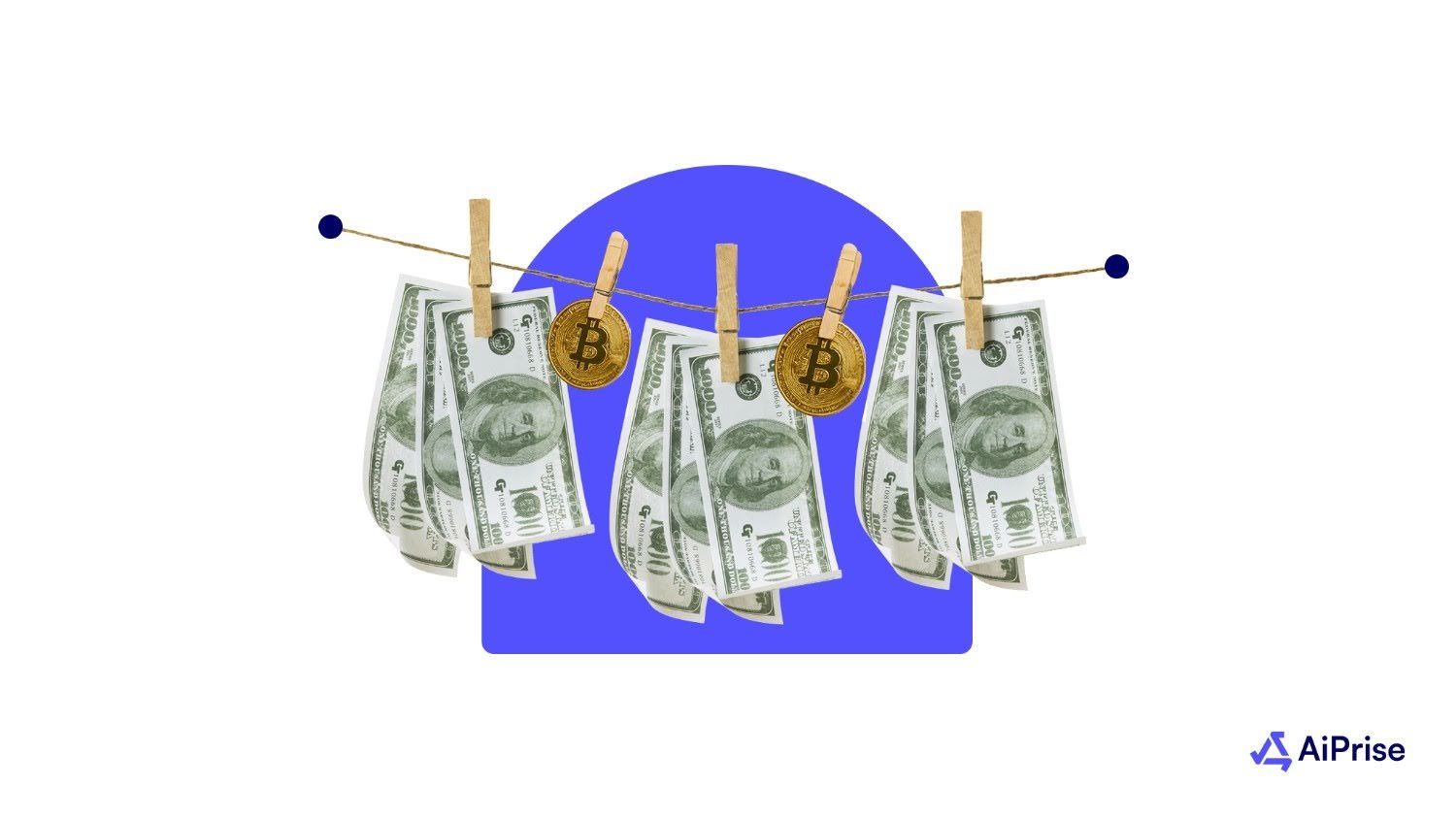
Most financial crimes start with dozens, if not hundreds, of transactions that appear ordinary when viewed in isolation. But collectively, they represent the movement of illegal funds. Criminals use a variety of techniques to move money through the financial system while avoiding detection. Smurfing is a commonly used money laundering technique that’s not always easy to detect.
In this guide, we define what smurfing is and look at how it differs from structuring, common red flags, and best practices for detection to help protect your organization.
Key Takeaways
- Fraudulent actors use smurfing to move illicit funds because the transactions themselves often don't look unusual, so it’s difficult to notice without ongoing monitoring or a manual investigation.
- Monitoring transaction patterns, linked entities, and fund flows provides a much clearer picture of suspicious activity.
- Strong AML controls don't depend on a single alert or threshold. They bring together verification, monitoring, investigations, and ongoing risk assessment to uncover hidden patterns.
- AiPrise supports these efforts through global identity verification, configurable workflows, ongoing monitoring, and investigation tools that help compliance teams identify and review potential smurfing activity more efficiently.
What Does Smurfing Mean?
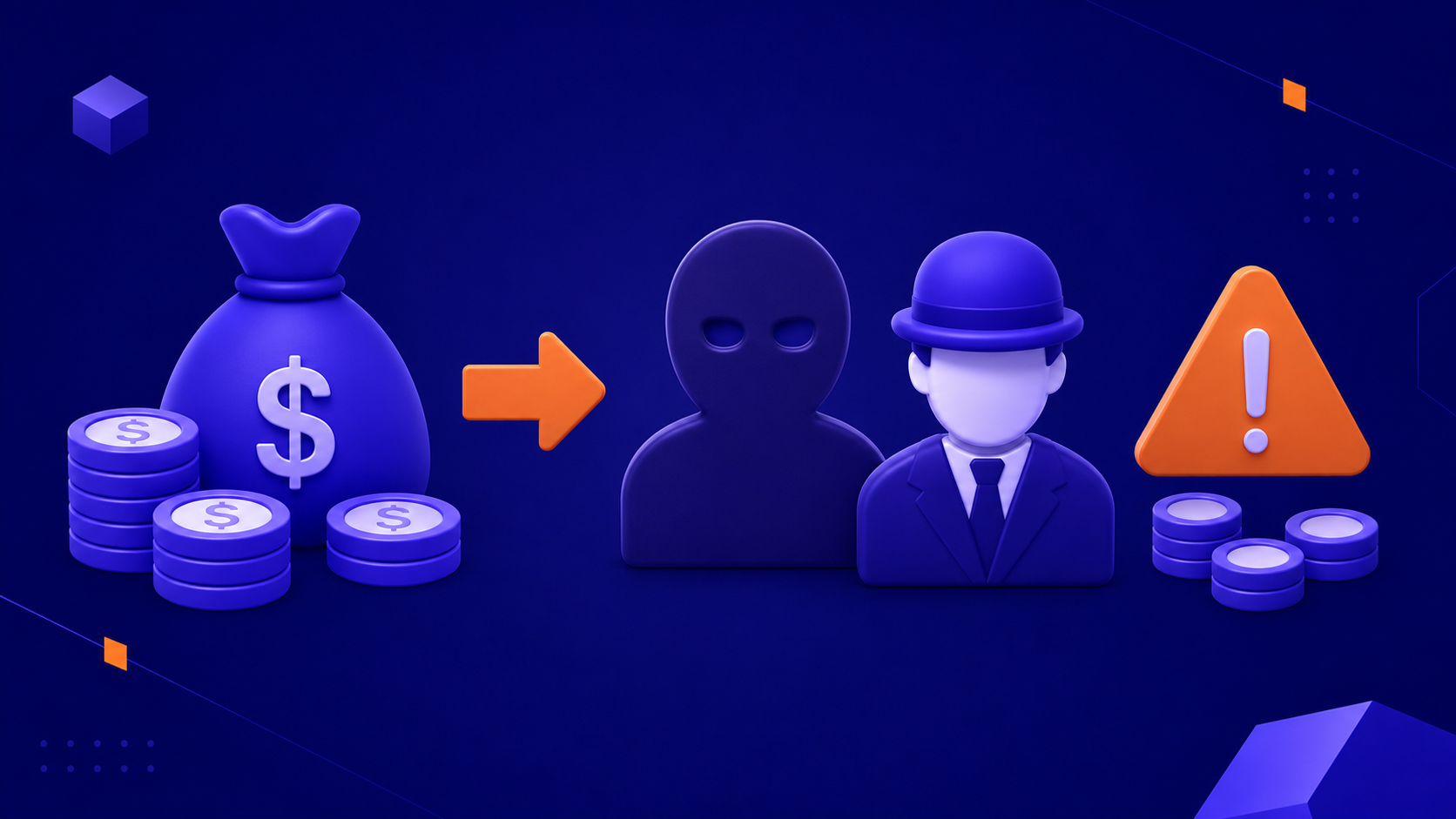
Smurfing is a money laundering technique that involves moving illegal cash in a way that avoids attention from banks and regulators.
Here’s how the smurfing process works: A criminal will break a large amount of money into smaller deposits. Banks need to file a Currency Transaction Report when cash transactions exceed $10,000 in one business day under U.S. regulations. By staying below that level, they can hide suspicious activity.
The idea is that a person spreads a large sum into smaller transactions so that it looks harmless. However, what’s happening is that someone is trying to hide the origin of the money.
When Does Smurfing Occur in Money Laundering?
Money laundering happens in three phases: placement, layering, and integration.
Placement is when illegal money enters the formal banking system for the first time. This is the stage where cash is most vulnerable to detection, so criminals often try to make the entry look as natural as possible.
Layering comes next. At this stage, the money may be moved around through different accounts, branches, dates, businesses, or countries to make the trail difficult to detect.
Integration is the final stage, when the money re-enters the economy and appears to be legitimate, such as through a business purchase or investment.
Smurfing vs. Structuring
Structuring and smurfing can be confused with each other, but they’re different money laundering techniques.
Structuring also involves breaking a large transaction into smaller amounts to avoid reporting or record keeping; however, only an individual is acting here. With smurfing, there are several people involved.
For example, a person who has $30,000 in illicit funds might decide to make five deposits of $6,000 each on different days. That’s structuring.
With smurfing, one person (called the smurfmaster) recruits multiple individuals to carry out the deposits or withdrawals on their behalf. The individuals who deposit or withdraw money for the smurfmaster are known as "smurfs." The smurfmaster might give $6,000 each to five different people and ask them to deposit the money into separate accounts.
The depositors are named after the little, blue-skinned, mushroom-dwelling creatures in the cartoon, The Smurfs. Money-laundering smurfs have to work together in large numbers, just like the cartoon characters. That's why this practice is called smurfing.
What’s the Impact of Smurfing?
Smurfing supports different types of crime by making it easier to use the proceeds of illegal activity.
- Drug trafficking networks use smurfing to move cash from drug sales into bank accounts and other financial channels.
- Human trafficking operations use smurfing to separate and move profits from exploitation through multiple small transactions.
- Identity fraud schemes use smurfing to spread stolen money across accounts so the funds can be used or withdrawn more easily.
- Organized cybercrime uses smurfing to break large criminal proceeds into smaller amounts before moving them across accounts or platforms.
- Tax evasion uses smurfing to keep income out of normal reporting patterns and reduce the chance of detection.
Financial institutions have to put measures in place to prevent money laundering techniques like smurfing. If their compliance system isn’t robust enough, there’s a risk of fraudulent transactions taking place, which can lead to fines and other penalties. Banks can also face reputational damage when they are linked to laundering activity, even indirectly.
So, how can your organization detect smurfing if these small, seemingly innocuous transactions fly under the radar?
Key Red Flags of Smurfing
Here are common red flags that can help you identify smurfing activities:
- Multiple accounts linked to the same device, IP address, phone number, address, employer, or identity pattern.
- Several related accounts that show the same below-threshold deposit behavior.
- Coordinated deposits made across different branches, ATMs, or locations.
- Recent account opening followed by sudden, high-frequency cash activity.
- Customer profile that does not fit the cash volume, such as the occupation or income being inconsistent with the activity.
- Vague, inconsistent, or missing source-of-funds explanations, for example, "gift from relatives" without any receipt for proof.
- Immediate movement of funds after deposit, especially through transfers or withdrawals.
- Shared account usage by multiple individuals making similar small transactions.
- Rapid movement of small amounts across borders or to higher-risk jurisdictions.
- Repeated round-number deposits just below the reporting threshold.
What Industries Are Affected by Smurfing?
Smurfing activity is definitely a concern for banking, but it can also impact other industries. Here are examples of surfing scenarios across fintech, crypto, and other sectors.
Banking and Financial Services
Multiple individuals deposit cash into different bank branches, ATMs, or accounts, with the funds ultimately reaching a single beneficiary.
Fintech and Digital Payment Platforms
A coordinator controls multiple digital wallets or user accounts and initiates numerous low-value peer-to-peer (P2P) transfers to a central account.
Cryptocurrency Exchanges
Several exchange accounts, sometimes opened using stolen, synthetic, or recruited identities, each purchase small amounts of cryptocurrency. The assets are then transferred to one or more external wallets.
Real Estate
Instead of making a single large payment, a buyer channels multiple smaller transfers through relatives, associates, or intermediary accounts. The funds may later be combined to pay a property deposit or complete part of a real estate transaction.
Online Gaming and Gambling Platforms
Multiple gaming accounts receive modest deposits before participating in coordinated gameplay. Funds may be intentionally transferred between players through betting patterns or game outcomes, allowing one account to withdraw balances that appear to be legitimate gambling winnings.
Money Services Businesses (MSBs)
Individuals visit different remittance locations or use multiple money transfer providers to send small amounts to the same recipient.
E-commerce Marketplaces
A network of buyer and seller accounts conducts numerous low-value transactions that resemble genuine online purchases.
Why Smurfing Is Difficult to Detect
Smurfing rarely stands out because the activity is designed to look normal. These are some of the reasons why it can be tough to detect.
- Traditional transaction monitoring systems rely on rule-based alerts. As a result, they may not spot coordinated activity that spans multiple accounts or different time periods.
- Most organizations assign a risk score during onboarding but don't revisit it often, so new transaction patterns might not surface.
- Data is fragmented across different systems. Without a unified view of customers, transactions, and beneficiaries, compliance investigators can miss connections.
- One-size-fits-all monitoring creates blind spots. Customers have different transaction patterns, so applying the same rules to everyone can reduce detection accuracy.
Best Practices for Detecting Smurfing
No single rule or threshold can reliably detect smurfing. Because the activity is intentionally distributed, effective detection requires combining customer intelligence, behavioral monitoring, and network analysis. The following practices can help your company identify smurfing patterns before they escalate into larger financial crime.
Monitor Transaction Patterns
A single low-value transfer may not attract investigation. However, a series of similar transactions over several days could tell a different story. That's why we recommend monitoring frequency, timing, counterparties, funding methods, and transaction velocity to see patterns that individual payment values may not reveal.
Connect Related Customers and Accounts
Connecting customers via shared beneficiaries, IP addresses, devices, or funding sources can reveal relationships that may not be visible when accounts are reviewed independently.
Combine Automated Detection with Human Investigation
Automated monitoring may be faster and can process millions of transactions quickly. But sometimes you do need skilled compliance managers to add context by reviewing customer relationships, business purpose, historical activity, and supporting evidence before deciding whether the activity needs an escalation.
How AiPrise Supports Smurfing Detection
Modern AML platforms enable the layered detection strategies discussed above by bringing customer verification, risk assessment, monitoring, and investigations together in a single workflow.
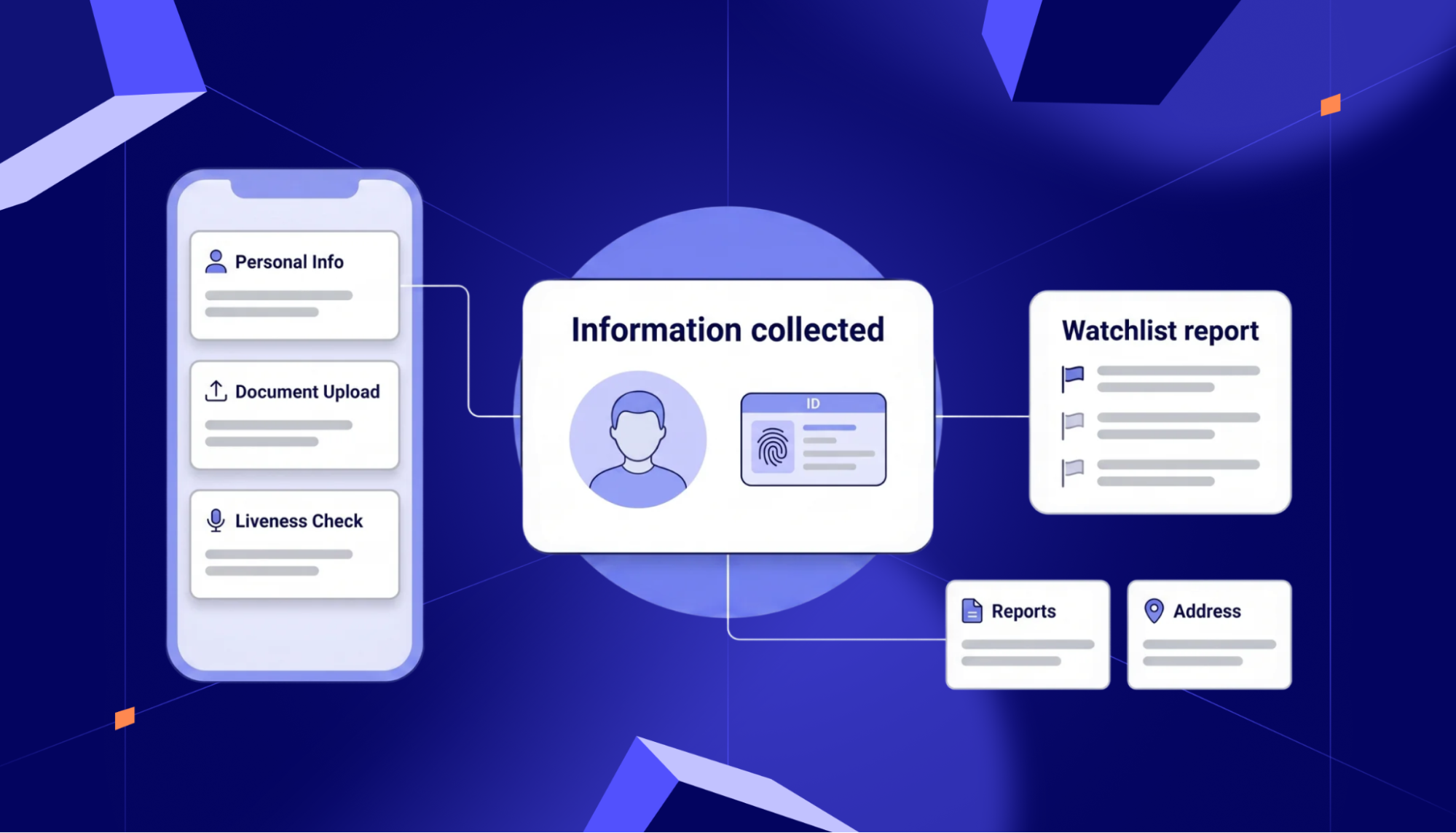
AiPrise's global identity verification platform makes it easier to prevent smurfing and other money laundering techniques by streamlining customer and business verification, flagging issues for human review, and using AI-powered ongoing monitoring. AiPrise is an end-to-end verification platform that combines the following capabilities:
- Proof of Address: Confirms customer addresses using reliable verification sources to reduce the use of false or inconsistent information.
- Government Verifications: Validates identity documents directly against government registries where available.
- Watchlist Screening: Screens customers against global sanctions, PEP, and adverse media databases to strengthen AML risk assessments.
- Document Insights: Uses AI to extract and validate key information from identity documents
- Configurable Workflows: Adapts onboarding and verification journeys based on customer type, geography, products, or risk level.
- Reverification: Performs periodic checks to identify changes in customer information or risk, supporting ongoing compliance.
- Case Management: Centralizes alerts, investigations, evidence, and audit trails to help compliance teams resolve cases more efficiently.
- Onboarding SDK: Delivers customizable verification experiences that integrate directly into existing customer onboarding journeys.
- One-Click KYC: Simplifies repeat verification for returning customers while maintaining compliance requirements.
Detecting Smurfing with Greater Confidence
To detect smurfing, you can’t just rely on monitoring the transaction threshold.
Organizations need visibility into customer behavior, entity relationships, transaction flows, and evolving risk signals across the entire customer lifecycle.
By combining strong onboarding controls, continuous monitoring, and network-based risk detection, your compliance team can improve your organization’s ability to uncover suspicious activity before small transactions become large compliance failures.
Schedule a demo to explore a more proactive approach to AML compliance by AiPrise.
FAQs
Is smurfing always used for money laundering?
While smurfing is commonly mentioned in a money-laundering context, it’s also used to facilitate other crimes like terrorist financing, tax evasion, or sanctions evasion.
What regulations address smurfing?
There is no specific regulation that addresses smurfing. However, it comes under broader AML laws, which require financial institutions to verify customer identities, monitor transactions, and report suspicious activity to the right authorities. These requirements can vary in different jurisdictions, but the purpose is to put a stop to the movement of illegal funds.
Are digital payment platforms more vulnerable to smurfing than traditional banks?
Not necessarily. But as these platforms can process high-volume, low-value transactions, they can create opportunities for criminals to transfer funds across multiple accounts quite easily.
Can money mules be used in smurfing schemes?
Yes. Criminals may hire or exploit money mules to receive, transfer, or withdraw small amounts of money on their behalf. Because the transactions are done by multiple individuals, they can be more difficult to connect to a single criminal network.
What is cuckoo smurfing?
Cuckoo smurfing is a money laundering technique commonly seen in international remittance services.
Instead of moving illicit funds across borders, criminals use legitimate remittances to exchange dirty money in one country for clean funds in another. Because the transfer appears genuine to both the sender and the recipient, the laundering activity can be difficult to detect. The name "cuckoo smurfing" comes from the cuckoo bird, which lays its eggs in another bird's nest.
You might want to read these...









AiPrise
6 min read
KYB Compliance: 2026 Regulations You Should Know About
As organizations expand globally and face tighter regulations, adherence to Know Your Business (KYB) standards has become one of the most critical compliance layers for fintech, online marketplaces, and other companies that need to verify business customers before letting them perform financial transactions.








.png)

.jpg)














.png)







.png)
.png)
.png)













.png)

AiPrise’s data coverage and AI agents were the deciding factors for us. They’ve made our onboarding 80% faster. It is also a very intuitive platform.

Head of Operations



See your full compliance picture in one place
Use AI agents and global data to review businesses and users faster and more accurately
