

6 min read
October 5, 2026
Verifying the Long Tail of SMBs
Key Takeaways

The long tail of SMBs is where the volume lives: micro-businesses, sole proprietors, and small family firms make up most applicants on most platforms and marketplaces.
The tail is structurally hard to verify: thin registry footprints, thin-file owners, informal documentation, and huge variance across markets.
Fraud concentrates where scrutiny is cheapest, and manufactured small businesses are cheap to make and expensive to catch one artifact at a time.
The economics only work when verification cost per account approaches zero: high automation, multi-source composition, and friction proportional to risk.
The platforms that win the tail treat it as a first-class segment, not as small enterprises with missing paperwork.
Where the Volume Actually Is
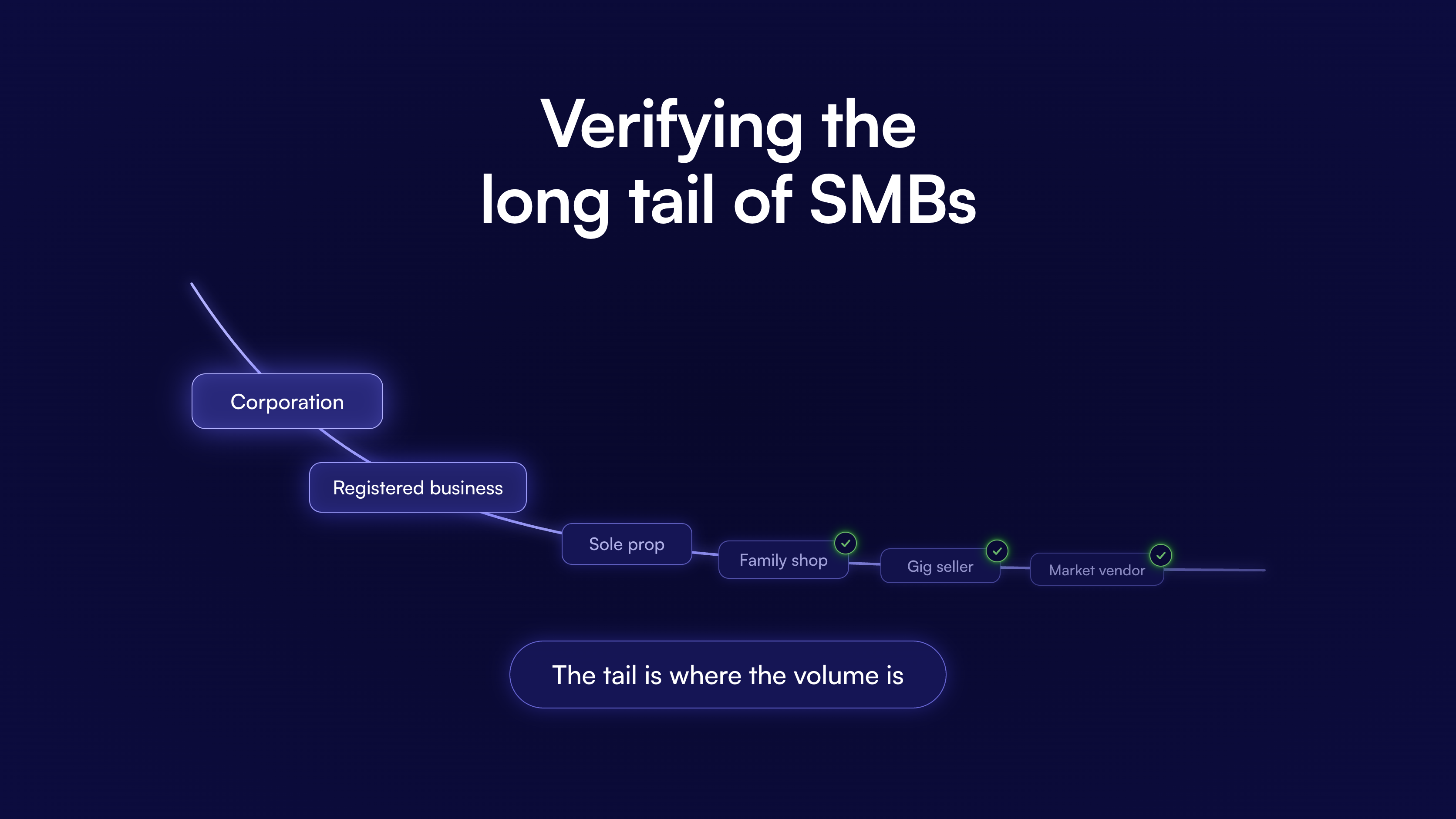
Every platform has a portfolio shaped the same way. At the head: registered companies with clean filings, the accounts everyone's verification stack was designed for. Then the curve drops and stretches, and the long tail begins: the sole proprietor with a DBA filing, the two-person family business, the market vendor formalizing for the first time, the gig seller whose entire paper trail is a bank account.
The head is where the logos are. The tail is where the volume is. For marketplaces, payment platforms, and SMB lenders, the tail is most of the applicant count, most of the onboarding cost, and most of the leak: good sellers lost to heavy flows on one side, manufactured ones slipping through on the other.
Why the Tail Breaks Standard Verification
The registry goes quiet. Corporate verification anchors on a registry record. Down the tail, that record thins to a business-name filing, then to a tax ID, then to nothing. In many emerging markets, entirely legitimate businesses have no formal footprint at all. The anchor most stacks are built on simply is not there.
The documents get informal. Instead of articles of incorporation: a utility bill, a handwritten invoice, a photo of a storefront. Real evidence, but evidence that needs reading and judgment, which historically meant a human and a queue.
The owners are thin-file. The people behind young and small businesses are often young, recently arrived, or newly banked. Standard identity checks built on deep credit files fail them at exactly the moment a platform is trying to win them.
And the variance is global. A UK sole trader, a US DBA, a Nigerian family shop, and an Indonesian reseller are four different verification problems wearing one segment label. Our market guides for the US and Canada show how differently even neighboring regulators treat small entities.
Fraud Hides in the Tail
Fraud does not attack the head of the portfolio, where scrutiny is concentrated. It hides in the tail, where each account is too small to justify a human review and manufacturing a plausible micro-business costs an afternoon: a business name, a website template, a bank account, a synthetic identity. Each artifact passes its individual check. Run at scale, replicated across dozens of near-identical sellers, it becomes a real loss line.
What fails the manufactured business is never one check. It is agreement: does the tax ID match the person, does the person match the bank account, does the website match the stated business, does the pattern match forty other applications from last week. Catching tail fraud is a cross-signal problem, which is exactly why single-check stacks miss it.
What Working Tail Verification Looks Like
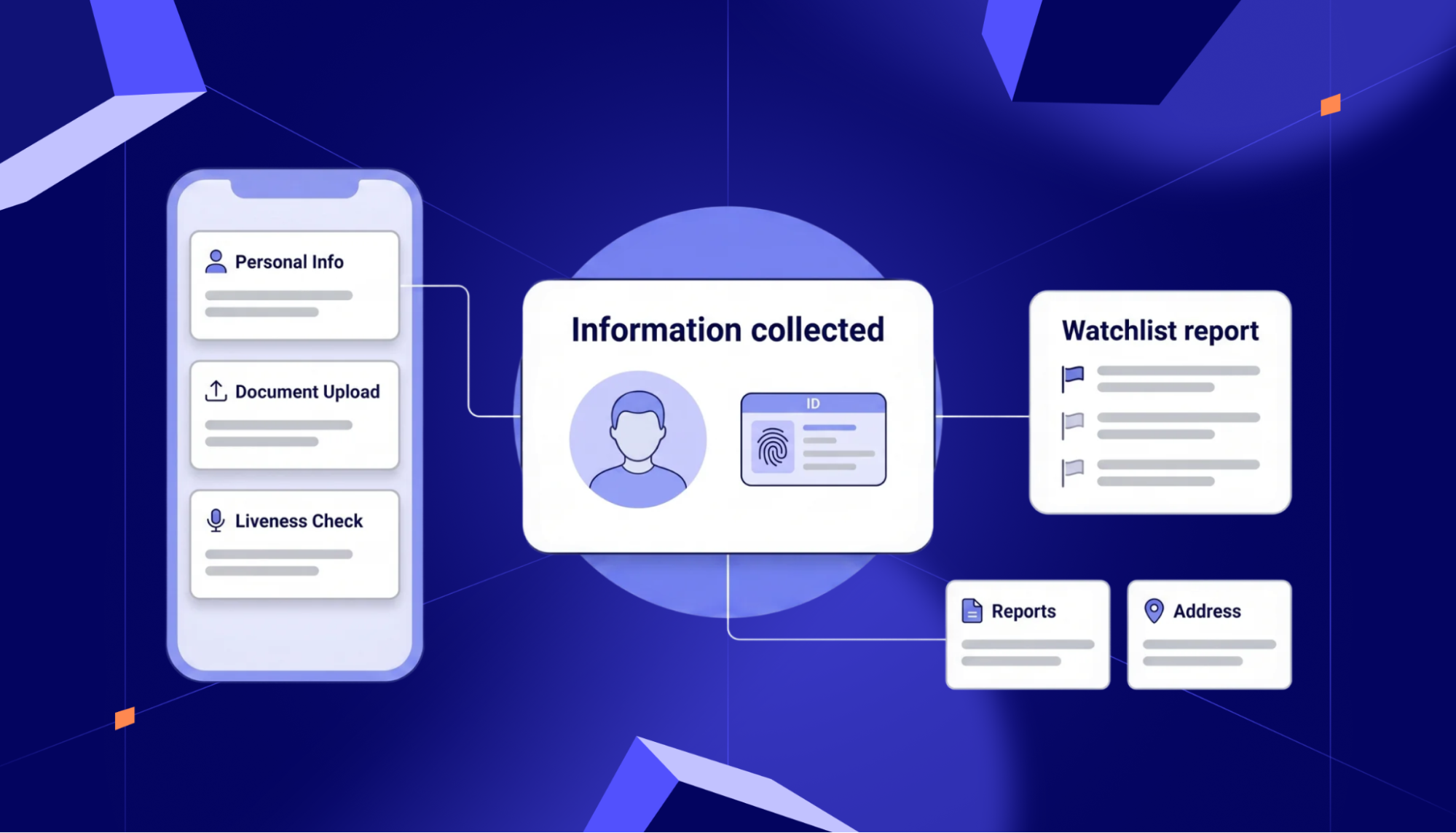
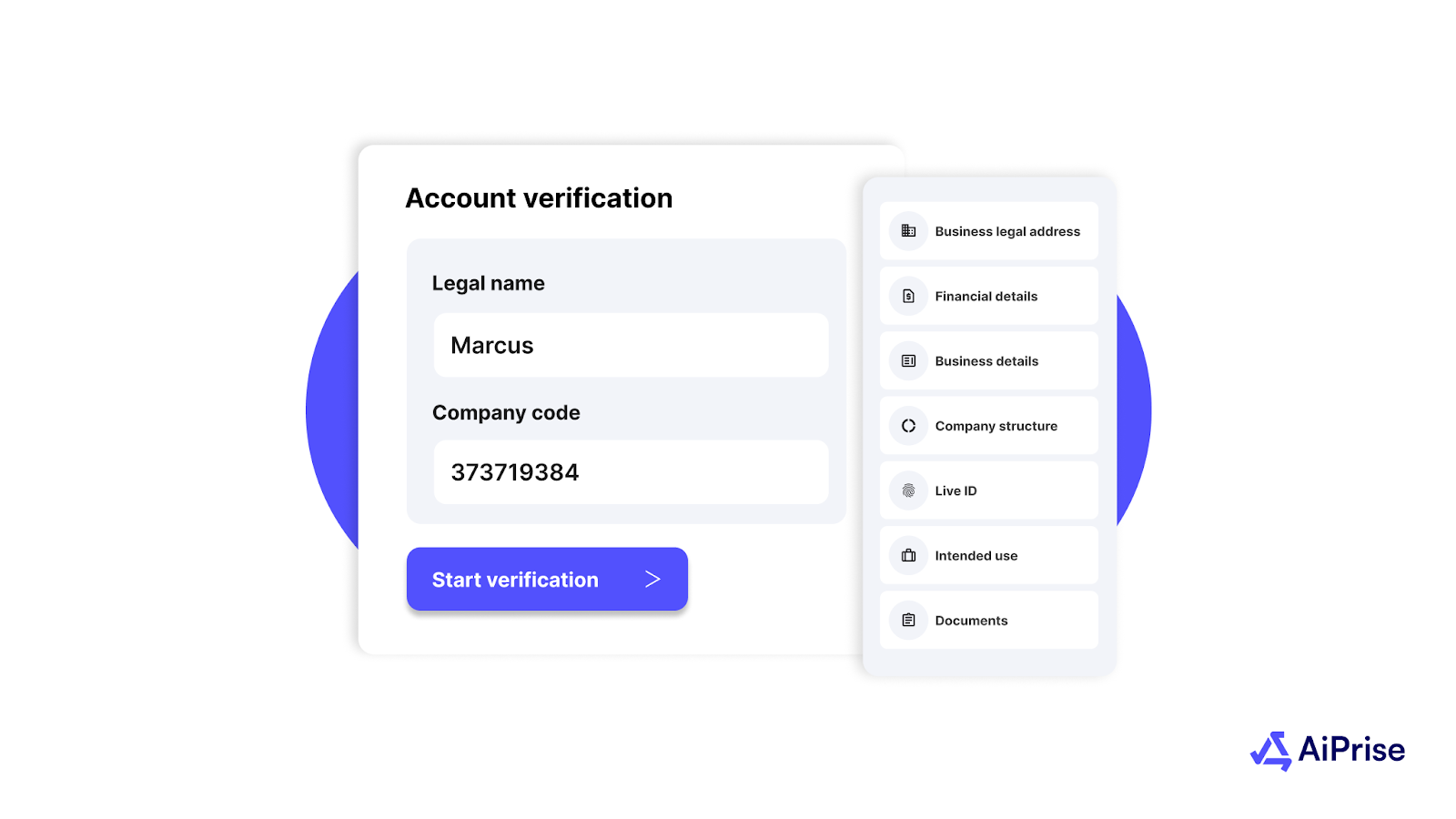
Composition instead of anchoring. Where the registry is silent, the picture composes from what exists: tax ID validation, identity verification, bank signals, document evidence, digital footprint. A silent registry degrades the check. It does not kill it.
Machines read the informal evidence. The utility bill, the invoice, and the storefront photo get read, checked, and cross-referenced automatically. This is precisely the work AI document and website analysis took over from review queues, and it is why the tail became automatable at all.
Friction scales with risk. The clean, low-risk applicant sails through in minutes. Signals of risk earn escalation. Applying corporate-grade demands to a gig seller does not reduce risk, it reduces sellers.
Automation rate is the metric. At tail volumes, the percentage of cases completing with no human touch decides the economics. Every point of automation is a point of margin, and every false rejection is lost volume plus a support ticket. Grey, a cross-border fintech onboarding users across Africa and beyond, doubled its user approvals running verification through AiPrise.
Monitoring scales down. Small accounts change too: they get sanctioned, they pivot into restricted categories, they get taken over. Continuous screening cheap enough to run on a million small accounts is what keeps the tail covered after day one, and it is what running the whole lifecycle in one system makes affordable.
How AiPrise Verifies the Tail
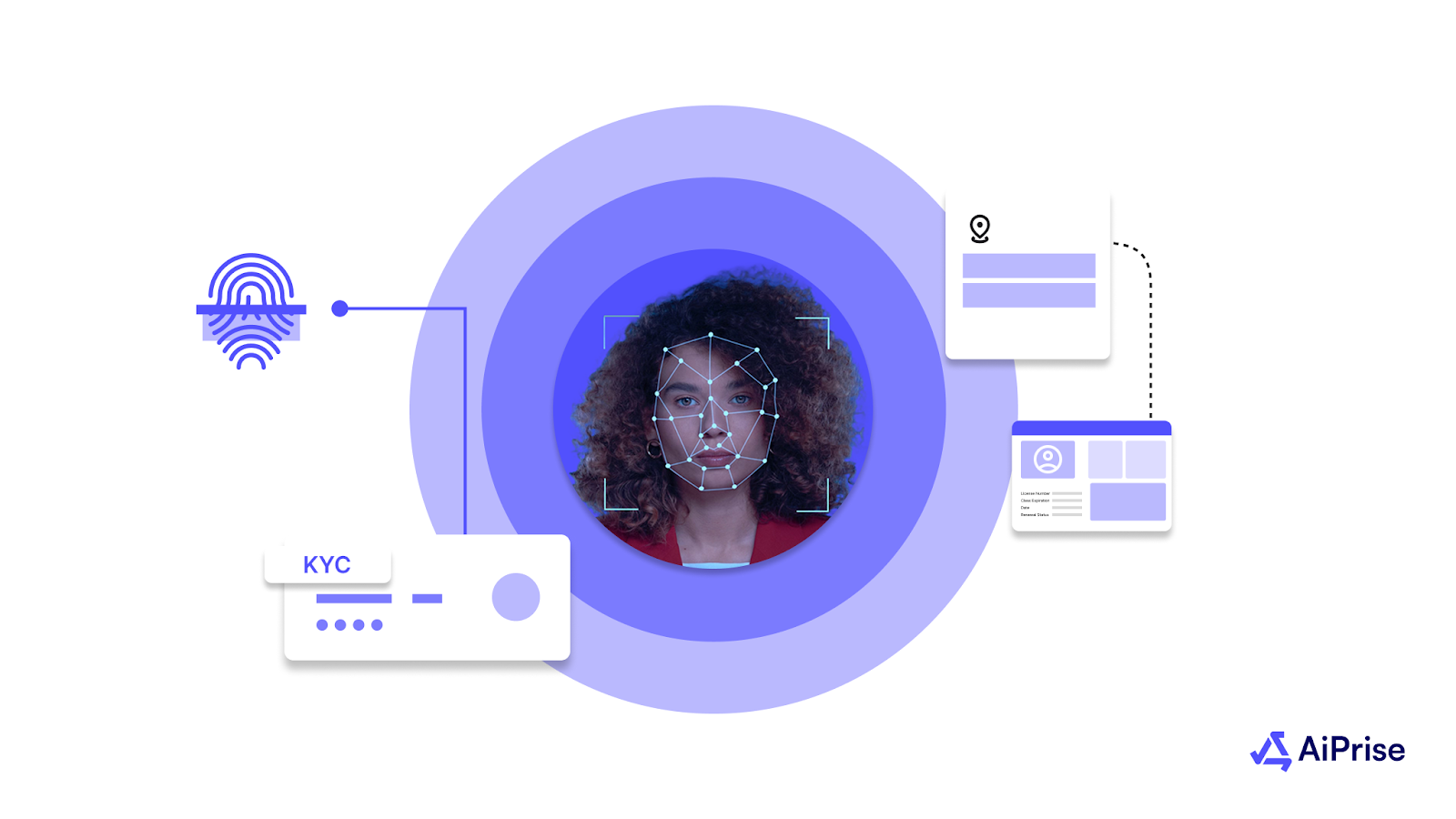
AiPrise treats the person and the business as one case: KYC on the human, KYB on the entity, one flow, one decision. Where registries exist, verification anchors on them directly. Where they are silent, the picture composes from 100+ data sources. The Document Insights Agent reads the informal evidence, the Website Agent checks the storefront against the story, and cross-signal analysis catches what manufactured sellers cannot fake: agreement. Customers automate up to 80% of verification workflows, friction stays proportional to risk, and monitoring runs continuously at portfolio scale, across 200+ countries through one API.
Frequently Asked Questions
Is verifying the long tail legally required?
For regulated institutions, customer due diligence applies regardless of customer size. For marketplaces and platforms, the drivers are card network rules, banking partner requirements, and fraud economics, which at tail volumes are usually the strictest regulator of the three.
What automation rate should a platform expect on tail verification?
High enough that human review is the exception. The achievable number depends on markets and risk appetite, but if most tail cases still touch a human, the flow is treating the tail like the head.
How do you verify a business with no registry record at all?
By composing evidence: verified identity of the owner, tax ID validation where applicable, bank account signals, document evidence, and digital footprint, weighed together. The question shifts from "does the record exist" to "does the story hold."
Verify the Whole Portfolio With AiPrise
Head to tail, registered corporation to first-time seller, one API across 200+ countries. Book a demo and bring your thinnest-file applicant.
You might want to read these...




AiPrise
KYB Compliance: 2026 Regulations You Should Know About
As organizations expand globally and face tighter regulations, adherence to Know Your Business (KYB) standards has become one of the most critical compliance layers for fintech, online marketplaces, and other companies that need to verify business customers before letting them perform financial transactions.








.png)

.jpg)
















.png)








.png)
.png)
.png)











.png)
.png)




AiPrise’s data coverage and AI agents were the deciding factors for us. They’ve made our onboarding 80% faster. It is also a very intuitive platform.

Head of Operations



See your full compliance picture in one place
Use AI agents and global data to review businesses and users faster and more accurately
