

AiPrise
13 min read
January 9, 2026
6 Key AML Use Cases Powered by AI in 2026

Key Takeaways

Anti-Money Laundering compliance has become increasingly difficult as financial institutions, payment providers, and crypto platforms face complex transactions, tighter regulations, and rising fraud exposure. In 2025, U.S. financial institutions filed 43 Bank Secrecy Act reports involving approximately $766 million in suspicious activity tied to 83 adult and senior day care centers in New York. This illustrates how financial crime often hides within unexpected business structures.
By 2026, manual reviews, static rules, and delayed investigations will be widely recognized as limiting early detection, which has accelerated the adoption of generative AI for AML across compliance operations. Understanding essential AML use cases and how generative AI AML capabilities fit into day-to-day workflows helps you improve detection accuracy, strengthen regulatory alignment, and protect revenue without slowing legitimate customer activity.
Key Takeaways
- AI Enhances AML Compliance: AI is transforming AML systems by automating tasks, improving transaction monitoring, and reducing false positives, making compliance more efficient and accurate.
- Key Use Cases: AI plays a crucial role in KYC, CDD, fraud detection, and risk profiling, helping financial institutions streamline processes and stay compliant.
- Benefits of AI Integration: In 2026, AI-driven solutions deliver improved accuracy, cost reduction, and scalability, enabling banks to handle higher transaction volumes and complex compliance requirements.
- Overcoming Challenges: While AI offers significant advantages, it requires clean data, regular updates, and careful integration to avoid issues like algorithm bias and data quality concerns.
- AiPrise’s Role: AiPrise offers AI-powered solutions that help banks enhance their AML processes with real-time monitoring, automated KYC, and fraud prevention, ensuring compliance and reducing operational risks.
The Growing Need for AI in AML Compliance
Traditional anti-money laundering (AML) systems are increasingly stretched thin. High volumes of alerts, reliance on static rules, and limited data context mean that many suspicious transactions go unnoticed or require extensive manual review. According to Wipro, 90% to 95% of alerts generated by traditional AML systems are false positives, consuming significant time and resources from compliance teams.
This inefficiency has made AI adoption unavoidable, with generative AI for AML gaining traction as teams seek deeper context and faster decision-making. Generative AI AML models support banks by:
- Learning evolving money‑laundering patterns rather than relying on fixed rules.
- Reducing false positives and directing attention to truly risky behavior.
- Providing real‑time monitoring and analytics that match the speed and scale of modern banking.
By embracing AI, financial institutions can reshape their AML frameworks to be more adaptive, efficient, and effective.
AI’s role in compliance becomes clearer when you see it in action. Below are the key AML use cases where it’s driving measurable results.
Suggested read: How AI is Transforming AML Compliance

6 Key AML Use Cases for AI-Driven Compliance
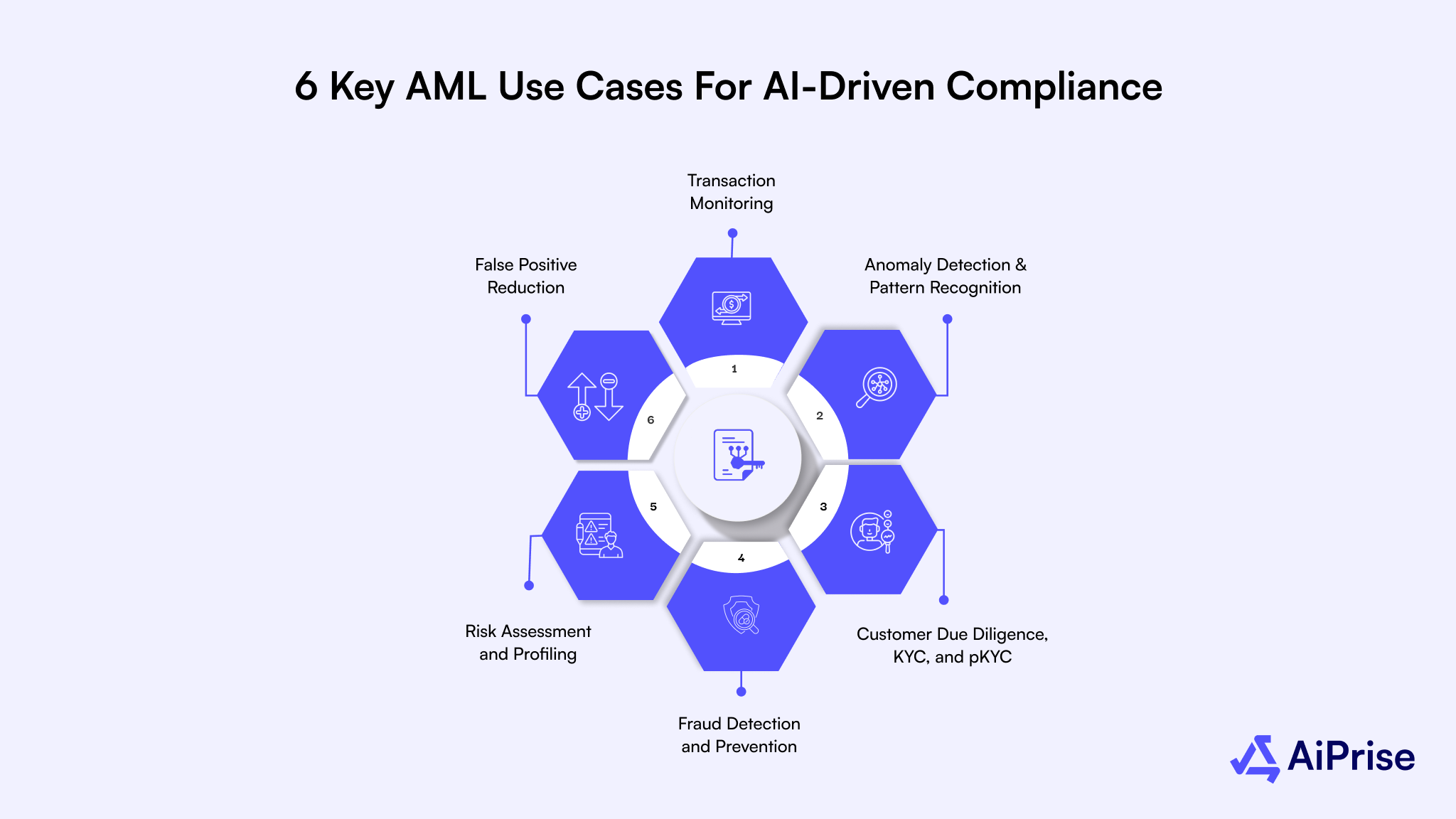
AI’s role in compliance becomes clearer when you see it in action. Below are the key AML use cases where it’s driving measurable results:
1. Transaction Monitoring
Transaction monitoring remains central to AML compliance, requiring continuous analysis of customer transactions to detect suspicious financial behavior. Traditional rule-based systems rely on static thresholds, often missing contextual risks while producing excessive alerts for compliance teams. AI-driven monitoring evaluates transaction context, behavioral patterns, and historical activity to improve detection accuracy and reduce alert noise.
2. Anomaly Detection and Pattern Recognition
Anomaly detection enables AI systems to learn normal customer behavior and identify deviations that indicate potential money laundering activity. Pattern recognition allows AI to uncover structured transactions and coordinated behavior spread across accounts, entities, or extended time periods. These capabilities help expose complex laundering schemes that rule-based systems fail to detect due to deliberate transaction fragmentation.
3. Customer Due Diligence, KYC, and pKYC
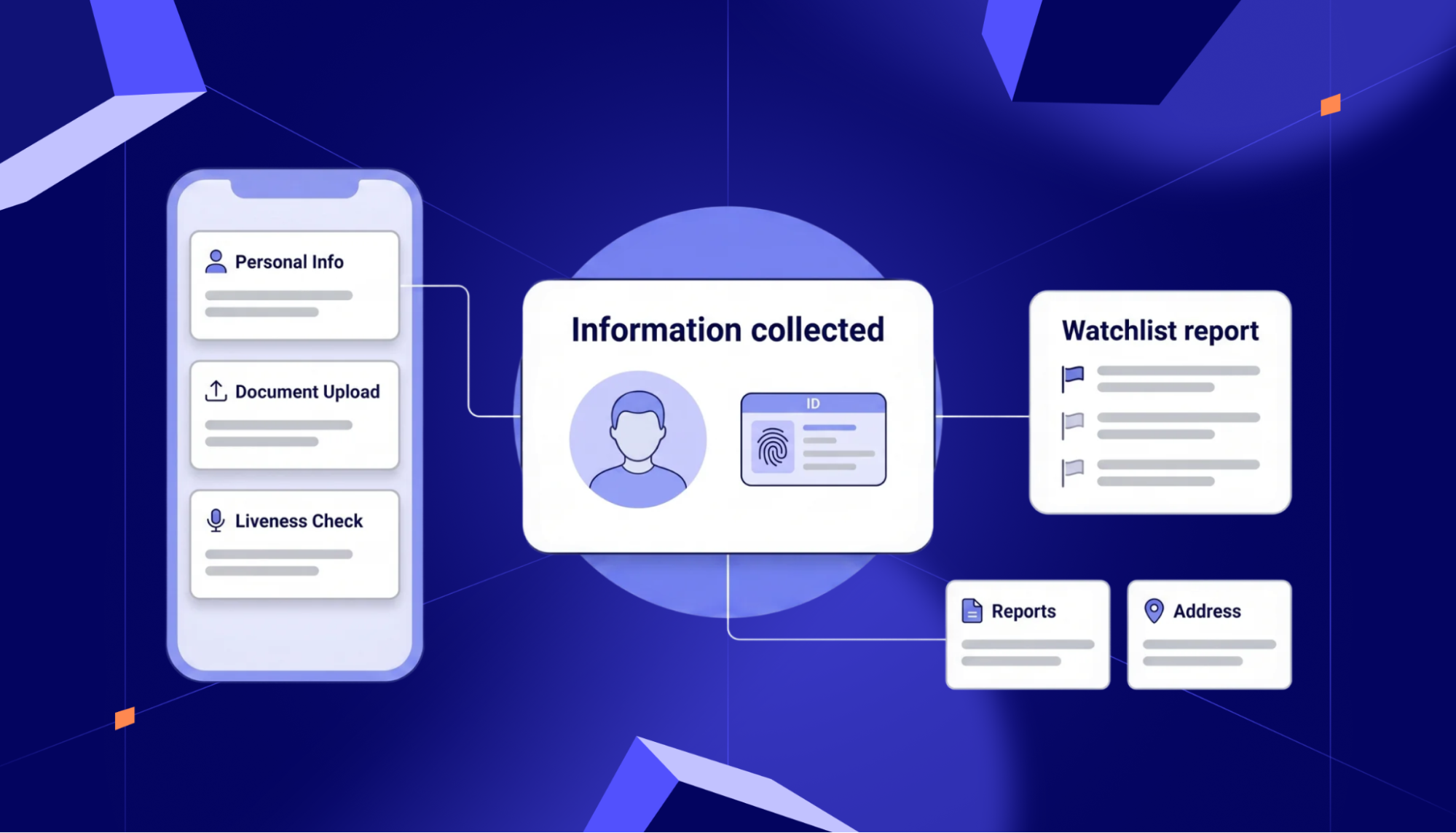
AI enhances KYC and Customer Due Diligence by automating identity verification and improving document and biometric validation accuracy. Machine learning models analyze structured and unstructured data to assess customer risk more consistently during onboarding. Perpetual KYC enables continuous risk reassessment, ensuring customer profiles remain current as behavior and exposure change.
4. Fraud Detection and Prevention
Fraud detection overlaps closely with AML, requiring early identification of abnormal behavior across digital and payment channels. AI monitors behavioral signals to detect identity theft, account takeovers, synthetic identities, and emerging fraud techniques. Adaptive learning enables faster intervention, preventing fraudulent activity from escalating into larger financial or compliance risks.
5. Risk Assessment and Profiling
AI is increasingly being used for predictive analytics, where it helps banks assess the risk profile of customers and transactions. By analyzing historical data, AI can predict potential risks based on patterns and behaviors. This allows institutions to create dynamic risk profiles that evolve over time, identifying high-risk customers and flagging activities that deviate from normal patterns.
6. False Positive Reduction
False positives create significant operational strain, forcing compliance teams to investigate large volumes of low-risk alerts daily. AI reduces false positives by learning from historical outcomes, investigator feedback, and behavioral context across customer segments. This prioritization improves investigation efficiency, lowers compliance costs, and allows teams to focus on genuinely high-risk activity.
Also read: Understanding the Differences and Relationship Between KYC and CDD.
Having seen the key use cases where AI is making an impact, let’s now explore how AI is driving efficiency and accuracy in AML processes.
How AI Enhances AML Efficiency and Accuracy?
.png)
AI is significantly transforming the efficiency and accuracy of AML compliance. By automating repetitive tasks and reducing human errors, AI empowers financial institutions to process vast amounts of data at speed without sacrificing accuracy.
Here’s how AI improves key aspects of AML compliance:
Reducing False Positives:
- One of the biggest challenges in traditional AML systems is the high volume of false positives, where legitimate transactions are incorrectly flagged as suspicious and sent for review. These alerts increase investigation backlogs, consume compliance resources, and slow response times without improving risk coverage.
- Generative AI for AML addresses this issue by learning from historical outcomes, recognizing patterns in legitimate behavior, and applying contextual analysis to each alert. As generative AI AML models mature, false alerts decline significantly, allowing compliance teams to focus attention on genuinely high-risk activity and improve overall operational efficiency.
Real-Time Monitoring and Automation:
- AI can analyze huge volumes of transactional data in real-time, providing immediate alerts when suspicious activities are detected. Unlike traditional systems that rely on preset rules, AI continuously adapts and learns from new data, improving its accuracy over time.
- This real-time capability allows banks to respond swiftly to emerging risks, ensuring that no suspicious activity goes unnoticed.
Speeding Up Investigations:
- AI can automate data collection, pattern recognition, and risk assessments, which significantly speeds up the investigative process. Instead of manually sifting through data and reports, AI presents pre-processed information, such as risk scores and flagged transactions, making it easier for compliance officers to act swiftly.
- This reduction in manual labor frees up time for more focused decision-making, helping banks meet deadlines and stay compliant.
Scalable Compliance:
- As banks expand and transaction volumes increase, scaling traditional compliance systems can be challenging. AI addresses this by handling larger datasets efficiently without requiring proportional increases in resources. With AI, banks can manage higher transaction volumes, more complex data, and a larger customer base without compromising compliance standards or increasing operational costs.
While AI clearly drives greater efficiency and effectiveness in AML, it also brings numerous benefits for financial institutions. Let’s take a closer look at the top advantages of integrating AI into AML systems.
Benefits of Integrating AI in AML Systems
The integration of AI in AML systems offers banks a host of advantages that go far beyond improving efficiency. These benefits not only help banks stay compliant with evolving regulations but also provide a competitive edge in an increasingly complex financial landscape. Here are some of the key benefits:
Improved Compliance and Accuracy:
- AI-powered AML systems reduce human error by automating data analysis and strengthening decision-making accuracy across compliance workflows. By learning from new data and behavioral outcomes, generative AI for AML helps institutions stay aligned with changing KYC, AML, and ESG requirements without relying solely on static rules.
- This approach enables more accurate risk assessments and allows generative AI AML models to identify suspicious activity with greater precision, improving overall compliance reliability.
Cost Reduction:
- AI integration significantly reduces the cost of manual labor involved in reviewing alerts and processing transactions. Automated systems handle routine tasks, reducing the need for manual intervention. Over time, this reduces operational costs and allows resources to be allocated more effectively to high-priority tasks.
- Furthermore, the efficiency AI brings helps banks scale their operations without proportionally increasing staff or resources.
Faster Decision-Making and Response Times:
- AI enhances the speed at which compliance teams can detect and respond to suspicious activity. With real-time monitoring, AI provides immediate alerts, allowing banks to take prompt action and prevent potential risks before they escalate.
- This quick response is essential in minimizing the impact of financial crimes, reducing the risk of reputational damage, and ensuring regulatory compliance.
Better Fraud Detection and Prevention:
- AI’s ability to analyze large datasets in real-time gives banks an edge in detecting fraudulent activities and financial crimes early. AI can recognize patterns and anomalies that might go unnoticed by human investigators, identifying fraud in its early stages.
- This proactive approach allows banks to mitigate risks before they become major problems, protecting both customers and the institution from potential losses.
Scalability:
- As banks grow and the volume of transactions increases, AI systems can easily scale to handle larger amounts of data and more complex transactions without sacrificing performance. AI’s ability to process vast amounts of information quickly makes it a valuable tool for managing high transaction volumes and expanding compliance operations without a corresponding increase in costs.
These advantages become more evident when you compare how traditional rule-based AML systems operate versus AI-driven AML frameworks in real-world compliance scenarios.
Rule-Based AML vs AI-Driven AML Systems
Traditional AML programs were built for regulatory checklists, while modern AI-driven systems are designed for evolving financial crime patterns. To understand why many institutions are rethinking their AML approach, here’s a direct comparison of how rule-based and AI-driven AML systems perform across critical compliance areas.
While AI offers numerous benefits, it’s not without its challenges. In the next section, let’s look into the potential challenges that come with AI integration in AML systems.
Challenges in AI Integration for AML
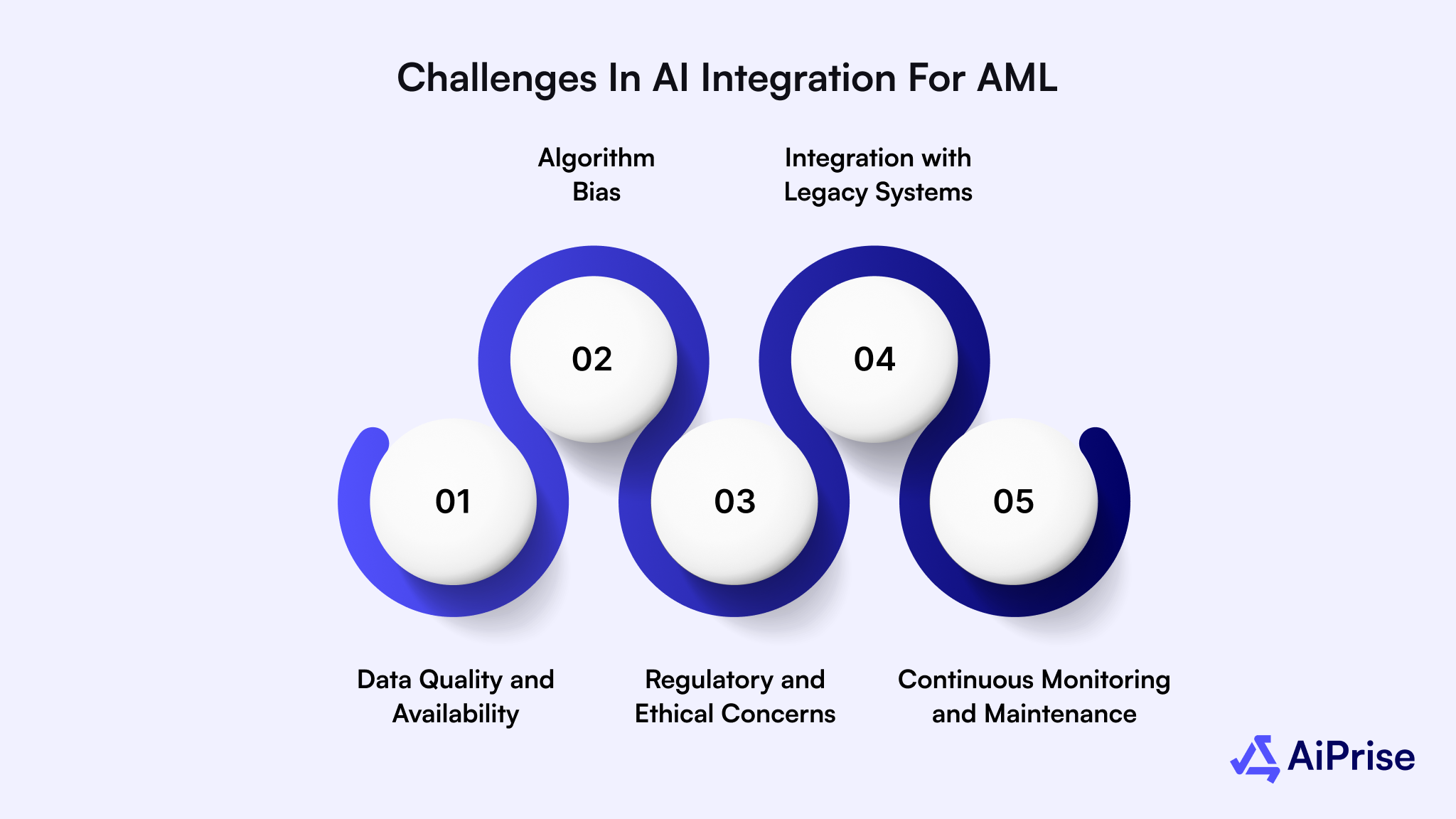
While AI offers significant benefits for AML compliance, the integration process is not without its challenges. Financial institutions must go through several hurdles when incorporating AI technologies into their existing systems. These challenges can include technical, regulatory, and operational complexities.
Here’s a look at some of the key obstacles:
Data Quality and Availability:
AI systems learn from historical data, but when training data contains bias, those biases can be reflected in AML decisions. In generative AI AML environments, this can result in unfair treatment of certain customer segments or legitimate transactions being incorrectly flagged as suspicious.
To manage this risk, financial institutions must continuously test generative AI for AML models for bias, regularly refresh training data, and apply strong governance controls to ensure fair, explainable, and compliant outcomes.
Algorithm Bias:
AI systems are designed to learn from historical data, but if the data used for training is biased, the results will be as well. Bias in algorithms can lead to unfair treatment of certain customer segments or the improper flagging of legitimate transactions as suspicious.
Financial institutions must ensure that AI models are continuously tested for biases and are regularly updated to reflect the latest data to minimize these risks.
Regulatory and Ethical Concerns:
AI integration must comply with various regulatory frameworks, and navigating these can be complex. For instance, AI-driven decisions related to fraud detection and KYC may come under scrutiny if they are perceived as non-transparent or if customers feel their data is being mishandled.
Compliance teams must work closely with regulators to ensure that AI systems are aligned with data protection laws like GDPR and industry standards while maintaining transparency in decision-making processes.
Integration with Legacy Systems:
Many banks still rely on older, legacy IT systems that were not designed to work with AI technologies. Integrating AI into these systems can be time-consuming and expensive, requiring significant upgrades to infrastructure.
The process of retrofitting AI into existing workflows can lead to operational disruptions, particularly if the system is not seamlessly integrated with current compliance procedures.
Continuous Monitoring and Maintenance:
Once AI systems are implemented, they require ongoing monitoring and fine-tuning. AI models need to be regularly updated and retrained to ensure they adapt to evolving patterns of financial crime. Without regular maintenance, AI systems may lose accuracy over time, leading to inefficiencies and potential regulatory issues.
Banks must invest in ongoing resources to monitor the performance of AI systems and make necessary adjustments.
Also read: What is Ongoing Monitoring? Types and Tips to Implement.
Despite these integration challenges, ongoing regulatory pressure and rising financial crime risks continue to push institutions toward more advanced, AI-led AML approaches.
Future Trends Shaping AI in AML Compliance
AI continues to redefine how financial institutions detect, investigate, and prevent money laundering as regulations and criminal tactics evolve. Looking ahead, these emerging trends highlight where AI-driven AML programs are moving and what institutions should prepare for.
- Greater use of explainable AI to ensure model decisions are transparent, auditable, and defensible during regulatory examinations
- Wider adoption of perpetual KYC models that continuously reassess customer risk instead of relying on periodic reviews
- Increased application of graph analytics to uncover complex networks, mule accounts, and cross-border laundering structures
- Deeper integration of AML, fraud, and sanctions monitoring into unified risk intelligence platforms
- Expansion of real-time transaction monitoring to support faster intervention and reduced downstream investigation costs
- Stronger regulatory focus on model governance, data quality, and human oversight in AI-driven compliance systems
While AI presents challenges, its ability to improve AML compliance is undeniable. Let’s have a look at how Aiprise AML compliance services are helping institutions.
How AiPrise is Helping Banks Overcome AML Challenges with AI Integration?
As financial institutions face increasing complexity in AML compliance, AiPrise offers AI-powered solutions that help banks stay compliant, efficient, and secure. Here’s how AiPrise addresses key AML challenges:
- AI-Powered Transaction Monitoring: AiPrise uses advanced AI to monitor transactions in real-time, adapting to evolving money laundering patterns and reducing false positives for more accurate alerts.
- Streamlined KYC and CDD Processes: AiPrise automates KYC and CDD, speeding up identity verification and risk profiling while ensuring compliance with regulations and improving the customer experience.
- Fraud Prevention with AI: By analyzing transaction data for anomalies, AIPrise detects fraudulent activities early, preventing losses and reducing the risk of financial crime.
- Scalable Compliance Solutions: AiPrise’s solutions scale effortlessly to handle growing transaction volumes, enabling banks to meet compliance needs without adding high costs.
- Continuous Monitoring and Risk Assessment: AiPrise provides real-time risk assessment and predictive analytics, allowing banks to prioritize high-risk activities and stay ahead of emerging threats.
- Seamless Integration with Existing Systems: AiPrise integrates smoothly with banks’ existing infrastructure, enhancing their AML capabilities without disrupting current workflows or systems.
AiPrise’s AI-driven solutions help banks tackle AML challenges with ease, improving compliance and efficiency. Let’s now look at the future of AI in AML compliance.
Final Thoughts
AI has moved from being a compliance enhancer to a critical pillar of modern AML programs in 2026. Generative AI for AML helps institutions detect risk faster, reduce false positives, and respond to evolving financial crime patterns. By understanding essential AML use cases and how generative AI AML capabilities fit into compliance workflows, you gain the clarity needed to strengthen outcomes without adding operational friction.
AiPrise supports this shift by enabling AI-driven KYC, KYB, AML monitoring, and fraud risk management that adapts to real-time behavior and regulatory expectations.
If strengthening AML detection, improving accuracy, and scaling compliance efficiently matter to your organization, Book A Demo to see how AI-powered AML use cases can work in practice.
Frequently Asked Questions
1. How does AI improve AML compliance?
AI enhances AML compliance by automating routine tasks, detecting suspicious activities in real-time, and reducing false positives. It adapts to new money laundering patterns, improving both the speed and accuracy of compliance efforts.
2. What are the main use cases of AI in AML?
AI is used in several AML use cases, including transaction monitoring, KYC and CDD processes, fraud detection, and risk assessment. It improves efficiency, accuracy, and helps banks stay ahead of evolving financial crimes.
3. What challenges does AI face in AML systems?
AI in AML faces challenges like data quality, algorithm bias, and integration with legacy systems. These need to be addressed for AI to operate effectively and ethically within financial institutions.
4. How can AiPrise help with AML compliance?
AiPrise offers AI-powered solutions for transaction monitoring, KYC, CDD, and fraud prevention. Our platform automates compliance tasks, reduces false positives, and ensures real-time monitoring, helping banks stay compliant efficiently.
5. How does AI reduce false positives in AML?
AI reduces false positives by learning from historical data and continuously adapting to new patterns of legitimate transactions, improving the accuracy of suspicious activity alerts.
You might want to read these...







AiPrise
KYB Compliance: 2026 Regulations You Should Know About
As organizations expand globally and face tighter regulations, adherence to Know Your Business (KYB) standards has become one of the most critical compliance layers for fintech, online marketplaces, and other companies that need to verify business customers before letting them perform financial transactions.










.png)

.jpg)
















.png)








.png)
.png)
.png)




















.png)
.png)



AiPrise’s data coverage and AI agents were the deciding factors for us. They’ve made our onboarding 80% faster. It is also a very intuitive platform.

Head of Operations



See your full compliance picture in one place
Use AI agents and global data to review businesses and users faster and more accurately
