Blogs

Understanding Regulatory Compliance: Definition And Requirements

AiPrise

7 min read

November 13, 2024

Understanding Regulatory Compliance: Definition And Requirements

Key Takeaways

When you are in business, you understand that there are many regulations to follow, and this is like a never-ending process as the threats increase. As a business owner, you think you follow everything, but new rules make it challenging to stay compliant. This is not just about following rules; regulatory compliance is crucial to prevent fines, protect your business from fraud and reputational damage, and avoid legal trouble.

The good news is that you can manage this with the right strategies and technology to mitigate the headache. In this guide, we clarify regulatory compliance and why it matters and discuss the essential steps to meet these demands confidently. You also get an idea about key requirements and industry-specific obligations. Whether you're in finance, healthcare, or technology, compliance is essential to staying competitive and trusted.

What Is Regulatory Compliance?

Regulatory compliance is a process of adhering to the applicable laws, regulations, and guidelines of relevant jurisdictions and industries. It is like a rulebook that a company must follow so it can operate legally and ethically in its jurisdiction. Compliance includes specific policies and practices and ensures that all operations meet external mandates, from data privacy to financial transparency.

These rules and regulations are not optional but compulsory, or you may face penalties and legal problems. Sometimes, staying compliant is about avoiding these penalties and building trust with customers and stakeholders. Failing to meet these rules can disrupt operations and increase scrutiny from regulatory bodies.

Importance Of Regulatory Compliance

Compliance is a necessity now for several reasons. Many customers and stakeholders watch how your company is doing in this regard, which may affect your future if you do not follow these rules. Let's explore why maintaining compliance is vital:

  • Integrity And Ethical Operations: Compliance shows your commitment to upholding ethical standards and operating with integrity. Stakeholders, including customers, investors, and partners, value transparency and want assurance that your company prioritizes legal and ethical obligations. When you follow these compliances, you clearly message all your stakeholders that you don't compromise in this case.
  • Improve Brand Trust And Corporate Reputation: Trust and goodwill are the most valuable assets of a company. When your business complies with industry regulations, it boosts your brand's reputation. It also tells your customers that you protect their interests in any circumstance. This trust can set your brand apart in the market and help you retain loyal customers and attract new ones.
  • Reduces Risks: Today, regulatory compliance is closely tied to data protection and cybersecurity. Compliance requirements include protocols for data security, which help protect your business from threats such as data breaches and cyberattacks. By staying compliant, a business can minimize risks that harm it and its stakeholders.

Having a robust identity verification and compliance process, like the kind AiPrise offers, reinforces trust and minimizes potential risks.

Understanding the importance is not enough. Let's find out the difference between two important compliances.

Difference Between Regulatory Compliance And Corporate Compliance

A busienss might think regulatory and corporate compliance are similar but differ in business roles. In the below section, we will clarify that.

Source Of Rules

Regulatory compliance is about following external laws and regulations set by governmental and industry bodies, such as data privacy laws or financial reporting standards. Corporate compliance focuses on your organization's internal company policies and ethical standards, like codes of conduct or anti-harassment policies.

Primary Objective

The main goal of regulatory compliance is to avoid legal penalties so that one can work in a specific jurisdiction or industry without any problems. Meanwhile, corporate compliance develops a positive internal culture, encourages ethical behavior, and aligns employee actions with company values.

The following section is going to give you a clear idea about the types of regulations and more.

Types Of Regulations To Comply With

Today, there are many regulatory landscapes a company should adhere to to function legally. Following these rules is necessary, as it helps you in several ways. Below, we'll look at some common regulations across the financial, healthcare, and cybersecurity sectors that a company should follow.

Financial Sector Regulations

Financial institutions must strictly follow rules to protect consumers, prevent fraud, and maintain market integrity. These regulations will ensure transparency and safeguard sensitive financial data.

  • Sarbanes-Oxley Act (SOX): This law was created to protect investors from fraudulent financial reporting. SOX needs public companies to keep accurate financial records and proper internal controls.
  • Anti-Money Laundering (AML) Regulations: These laws can prevent money laundering (ML) and terrorist financing, such as customer due diligence and record-keeping requirements.

Have only limited knowledge about AML? Read our previous article, What is AML? - Definition and FAQs, for a comprehensive idea. 

Healthcare Sector Regulations

The healthcare sector manages sensitive patient data of their patients, making it one of the most regulated sectors. Compliance here is critical to protect patient privacy and ensure the safe delivery in the healthcare services.

Cybersecurity Sector Regulations

Since cyber threats can occur, organizations must comply with cybersecurity regulations to protect digital assets and customer information.

  • GDPR: The General Data Protection Regulation (GDPR) applies to any organization that uses the personal data of individuals within the EU. It enforces strict data protection laws, requiring companies to obtain consent for data use, protect personal information, and notify users of data breaches.
  • Federal Information Security Management Act (FISMA): In the U.S., FISMA mandates federal agencies and contractors to secure government information systems and outlines minimum security standards for data protection and incident response.

Now that we've distinguished the types of compliance let's explore the role of a compliance officer in an organization.

The Role Of A Compliance Officer In Compliance Policy

Every company must consider appointing a compliance officer who is crucial in ensuring compliance. The officer handles not just external regulations but also internal policies. Here are five essential roles they fulfill to keep the organization compliant and ethically sound:

  1. Develop And Implement Compliance Programs: The officer your company appoints is responsible for designing and establishing programs. This work includes creating procedures, setting standards, and establishing protocols for risk management. This person also helps the organization effectively follow complex compliance landscapes.
  2. Regular Audits And Assessments: The compliance officer performs routine audits of company operations and practices to assess potential risk areas and identify gaps in compliance. By finding the gaps, this person ensures the organization can address issues before they lead to penalties or other consequences. Compliance management solutions, like those from AiPrise, streamline these audits and assessments.
  3. Training And Educating Employees: One important job of a compliance officer is educating employees on the organization's compliance policies. Providing training sessions and resources ensures that every team member understands the rules and how to incorporate compliance into their daily work.
  4. Monitor Changes In Regulations: As the threat increases, the rules also change. Compliance officers must keep updated on new regulations and changes in existing laws that impact their industry. They must monitor these shifts, ensure the organization adapts quickly, and update policies and processes to remain compliant.
  5. Investigating And Reporting Non-Compliance Issues: When there is a violation, the compliance officer investigates the issue, understands the cause, and assesses the impact on the organization. They also report findings to relevant authorities if necessary and assist in preventing future incidents.

So, what exactly does your business need to meet these regulatory compliance requirements? Let's find out.

Regulatory Compliance Requirements

Compliance and regulation are essential for businesses to operate legally and avoid consequences. This means following standards that cover everything from adapting to new laws to training employees on industry-specific policies.

  • Always stay updated with regulatory changes across industries to ensure compliance with different regulations.
  • You must meet the unique compliance requirements relevant to specific industries, such as healthcare, finance, or data security.
  • Create documented policies explaining compliance standards and procedures for employees to follow.
  • Consider frequent internal and external audits to identify and address compliance gaps.
  • Provide a training program to educate your staff about relevant compliance policies and regulatory updates.
  • Create channels for employees to report potential violations confidentially to mitigate risks early.
  • Ensure that vendors, partners, and other third parties meet relevant regulatory standards.
  • Maintain records of compliance activities, audits, and employee training sessions as proof of adherence.
  • Identify potential compliance risks and use appropriate measures to minimize exposure to legal issues.
  • Review compliance programs periodically to align with new regulations and improve their effectiveness over time.

Let's explore how compliance isn't just a mandate but improves your business.

Benefits Of Compliance And Regulation

Adhering to regulatory compliance comes with several advantages over following the rules. Here are some key benefits that help businesses while following these rules.

  1. Avoidance Of Legal Issues And Financial Penalties: One of the main benefits of compliance is protecting your organization from legal troubles and costly penalties. Following regulations minimizes the risk of fines, lawsuits, and operational restrictions, protecting your finances and reputation.
  2. Customer Trust And Retention: Customers may believe companies that follow compliance are committed, especially in data privacy and security areas. Customers are more likely to trust and remain loyal to businesses that prioritize compliance, knowing their personal information and interests are being respected.
  3. Differentiate Through Compliance Marketing: A company can use this as a selling point when it is compliant. Compliance demonstrates reliability and responsibility, which can set the business apart in a crowded market. Highlighting this as your strength can attract customers who value ethical and law-abiding practices, giving the company an edge over competitors.

What happens if you do not follow the rules? Find out now.

What Are The Consequences Of Non-Compliance?

A company must be aware of the consequences of not following these laws. Non-compliance with the country's laws and industry regulations can have serious consequences, such as impacting finances, operations, and reputation.

Financial Penalties And Restrictions

Suppose a company does not follow compliance and regulations. This may result in fines, which affect the company's bottom line. Regulatory bodies impose financial penalties and other fines, especially for repeated violations.

  • Fines And Legal Fees: These include one-time fines or ongoing legal fees that may drain your financial resources.
  • Restrictions On Operations: In severe cases, regulatory bodies may impose operational restrictions and limit the business's ability to function fully until you follow them.

Business Disruptions And Increased Scrutiny

When you do not follow the laws, you may also experience problems like business disruption and other issues. Such issues will affect your daily operations and burden you with extra administrative requirements.

  • Increased Monitoring: Regulatory bodies may mandate more regular compliance checks, putting more pressure on the company's resources.
  • Operational Interruptions: Frequent audits or investigations by authorities can interrupt business processes, affecting productivity and service delivery.

Reputational Issues And Additional Costs

Beyond financial losses, non-compliance leads to reputational issues and adds more cost to your budget.

  • Loss Of Customer Trust: News of non-compliance can affect customer confidence, which impacts retention and sales.
  • Long-term Financial Impact: Additional costs in recovery efforts, rebranding, and customer outreach can further strain the company financially.

But complying isn't always straightforward. Let's tackle some common hurdles businesses face in staying compliant.

Common Hurdles Face In Compliance

An organization faces many issues in regulatory compliance. Sometimes, it is difficult for companies to face these problems in compliance. Here are four common hurdles businesses encounter when trying to stay compliant:

  1. Constantly Changing Regulations: Laws and regulations are updated to address new risks or industry developments, and this may affect your business's ability to keep up. Companies may struggle to adapt quickly, especially in industries like finance or technology, but if you have a partner like AiPrise who can manage these updates, you get peace of mind and can concentrate on the business.
  2. Resource Constraints: Compliance requires time, money, and human power. These resources may be limited for smaller businesses or startups, leading to gaps in compliance efforts and increasing the risk of violations.
  3. Complexity Of Cross-Border Compliance: If your company operates in multiple regions, managing compliance across jurisdictions can be challenging. Each area may have specific requirements, and following them can create problems, particularly for startups.
  4. Lack Of Employee Awareness And Training: Strong compliance requires a strong workforce aware of all changes and regulations. Without proper training and awareness, employees may violate policies or regulations, increasing the chances of unnecessary risk. Regular, thorough training is essential to building a better team.

Ready for the challenge? Here's how businesses can ensure they're always on the right side of regulatory compliance.

How Do Businesses Ensure Regulatory Compliance?

Maintaining compliance is not a formality now, but it is vital to stay on top of your business and many others. So, how do you ensure you do everything according to the law? Let's find out now.

  • As a business, you should start identifying the specific regulations for your industry and operations. These rules may vary depending on the location.
  • Conduct periodic audits to help your organization assess its current compliance status and identify areas for improvement to meet all regulatory standards.
  • Develop a clear policy that outlines the rules and procedures employees must follow as part of the compliance program.
  • Document processes to ensure consistency and clarity across the organization. This will make it easier to meet regulatory requirements and defend practices if they are questioned.
  • Employees are the most important people in following the rules. Train them with the knowledge they need to understand and follow regulations and reduce the risk of accidental violations.
  • Regular testing should be conducted to measure employees' understanding of compliance policies and identify any gaps that need to be addressed through further training. 
  • If you do not have a dedicated compliance officer, you must seriously think of one to oversee compliance efforts and keep up with regulatory updates.
  • Compliance management software can automate tracking, reporting, and auditing processes. Such a platform makes it easier to stay compliant and manage documentation. Using AiPrise's compliance management software to automate and simplify compliance tracking, auditing, and reporting processes.
  • Monitor industry regulations and government updates to adjust policies and keep compliance efforts current.
  • Assessing potential compliance risks in your organization to prioritize areas that require additional focus and resources to mitigate possible issues.
  • A clear, confidential reporting system allows employees to report compliance concerns or violations, helping you promptly identify and address issues.

Final Thoughts

Do not think of regulatory compliance as a checklist. Instead, it is the backbone of a company's commitment to ethical and transparent practices. With that, you can demonstrate integrity, protect the brand's reputation, and develop trust among diverse stakeholders. Following the rules and regulations ensures that a company operates responsibly within its industry, which reflects a deep commitment to accountability.

One part of that is taking a proactive, strategic approach to compliance and technology. It improves one's ability to comply and mitigates the chances of non-compliance.

Want to stay compliant with ease and confidence? Explore AiPrise regulatory compliance solutions that assist you in verifying identities and reducing compliance risks. With our powerful tool, your business can achieve compliance effortlessly and keep moving forward without affecting your growth. Take a step now and see how our solution can change your compliance effort.

Frequently Asked Questions

1. What is regulatory compliance, and why is it essential for businesses?

Regulatory compliance is adherence to laws, guidelines, and regulations specific to the industry. It is crucial to avoid legal issues, financial penalties, and reputational damage. Meeting compliance standards also builds trust with stakeholders, showing that your business operates responsibly.

2. What are the consequences of failing to comply with regulatory standards?

A company that does not comply with rules may face severe consequences, including fines, legal action, and operational restrictions. Additionally, your company may face additional scrutiny from regulators and suffer reputational damage, which can impact customer loyalty and brand value. 

3. How can a company stay updated with changing compliance regulations?

Appoint a dedicated compliance officer, invest in compliance software, and regularly monitor industry updates. Routine audits, employee training, and consulting with compliance experts can help the organization adapt quickly to new regulations and avoid potential issues.

Streamline compliance with AiPrise - Lets Talk!
Book a Demo

You might want to read these...
7 min read

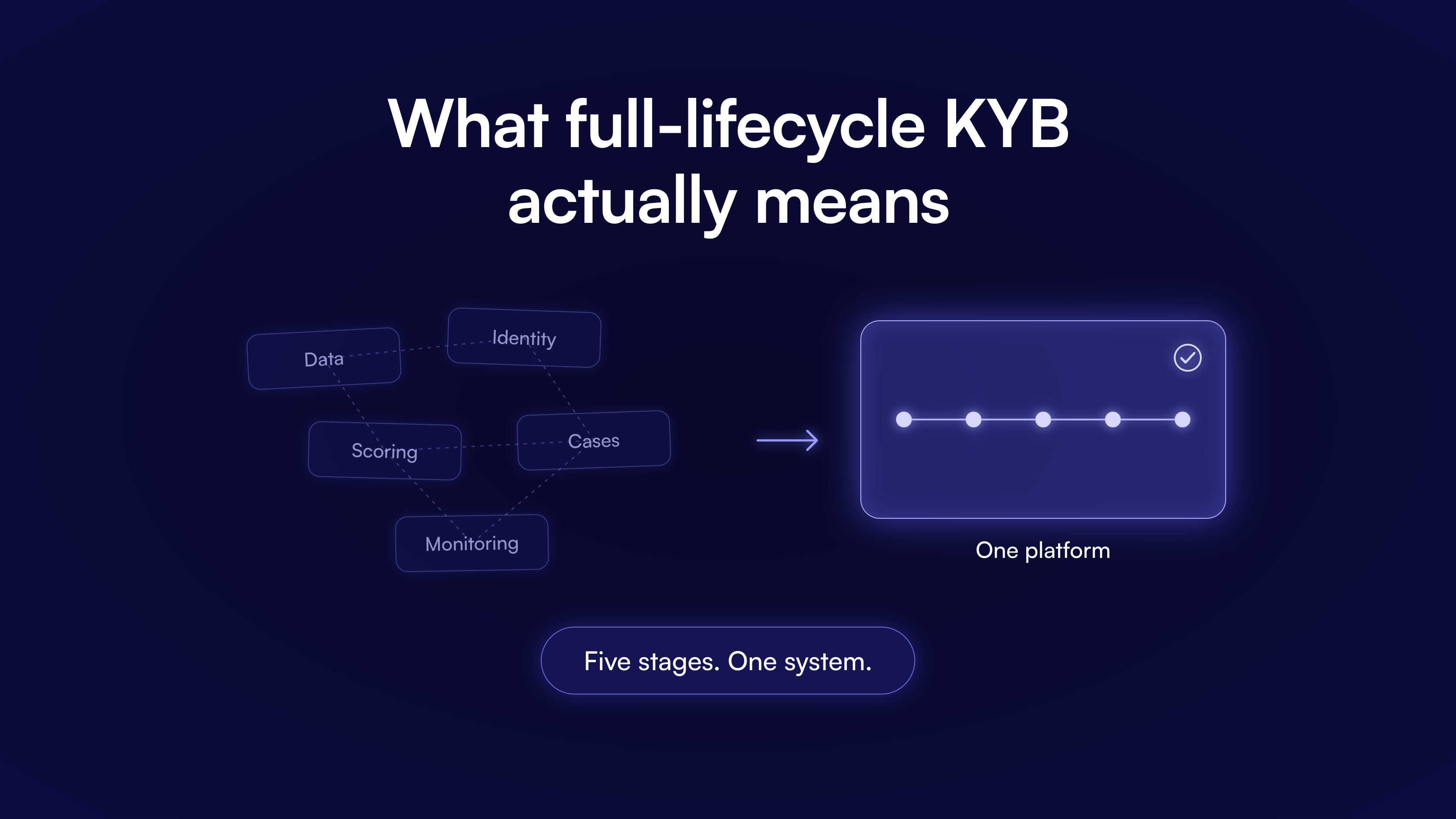
What Full-Lifecycle KYB Actually Means (And Why One Platform Beats Five Vendors)

Every vendor claims end-to-end KYB. Here is what the full lifecycle actually covers, what the market really sells, and what changes when all five stages run on one platform.

10 min read

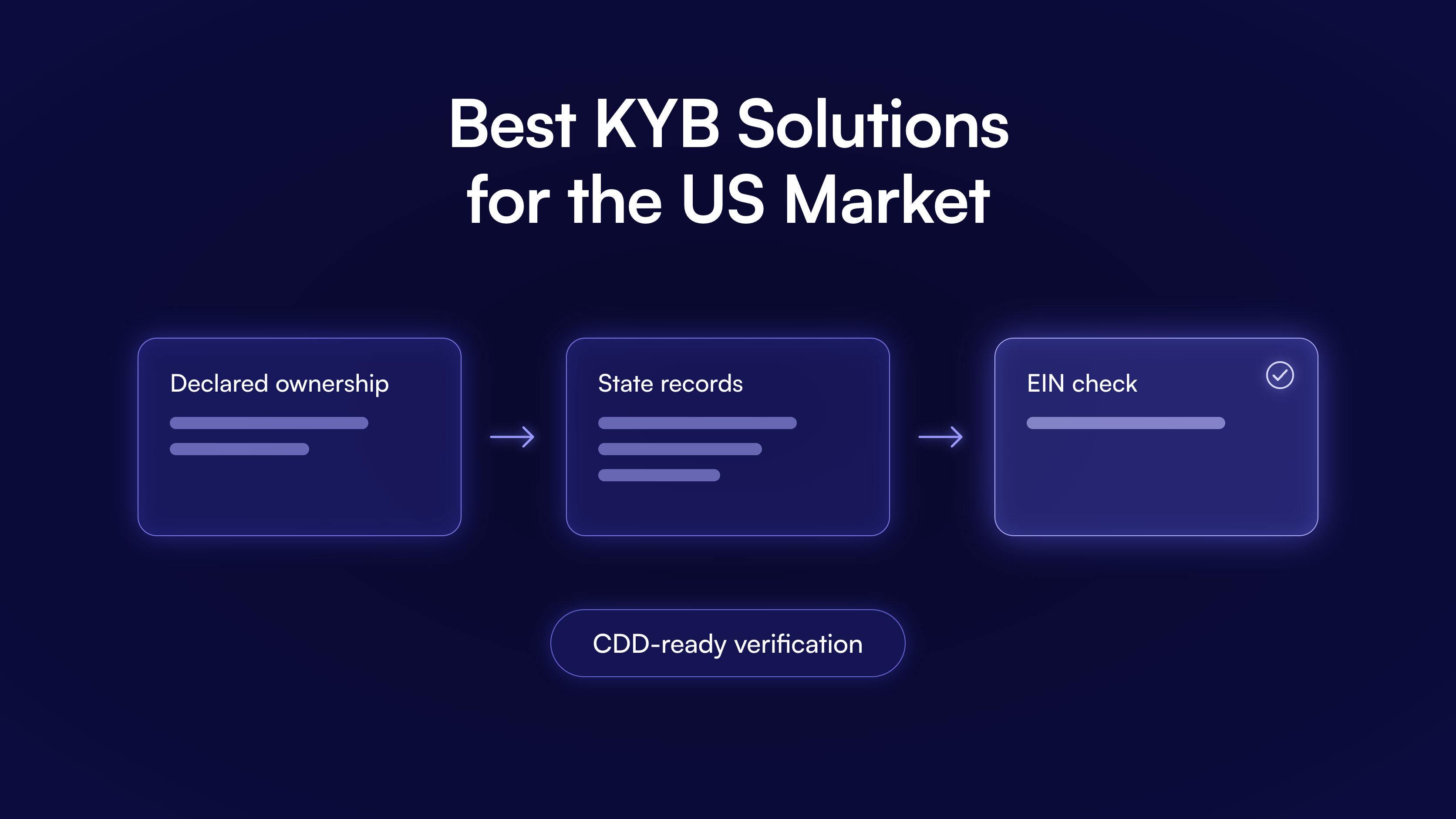
Best KYB Solutions for the US Market (2026)

The best KYB solutions for the US market in 2026: what the CDD Rule requires after the end of BOI reporting, why 50-state registry fragmentation matters, and how the leading providers compare.

10 min read

Best KYB Solutions for the Canadian Market (2026)

The best KYB solutions for the Canadian market in 2026: what FINTRAC actually requires, why the October 2025 rules changed the game, and how the leading providers compare.

9 min read

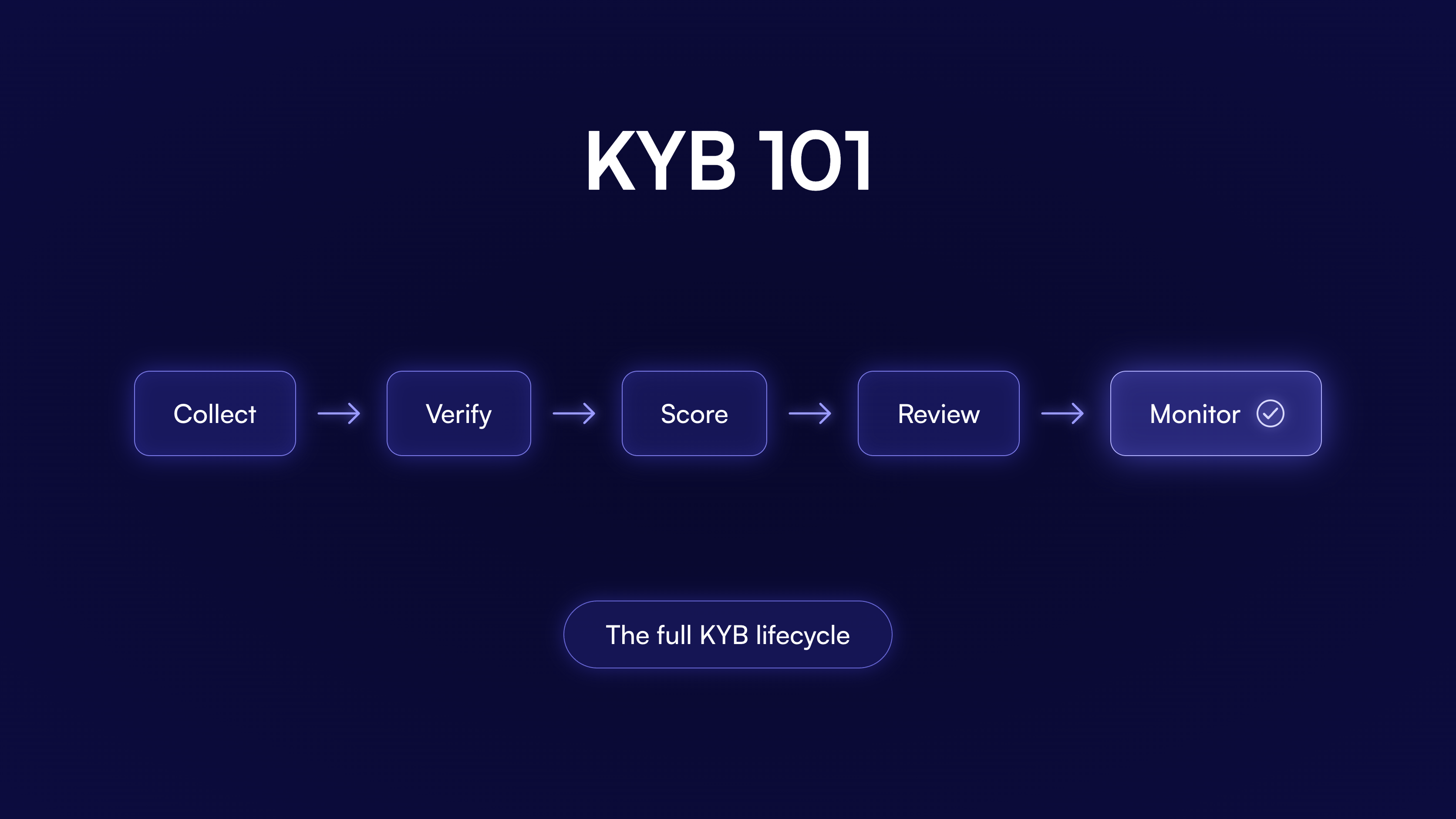
KYB 101: What Know Your Business Is and How It Works in 2026

What Know Your Business means, what a KYB check verifies, the five stages of the KYB lifecycle, and how verification works in 2026.

Chaitanya Sarda

4 min read

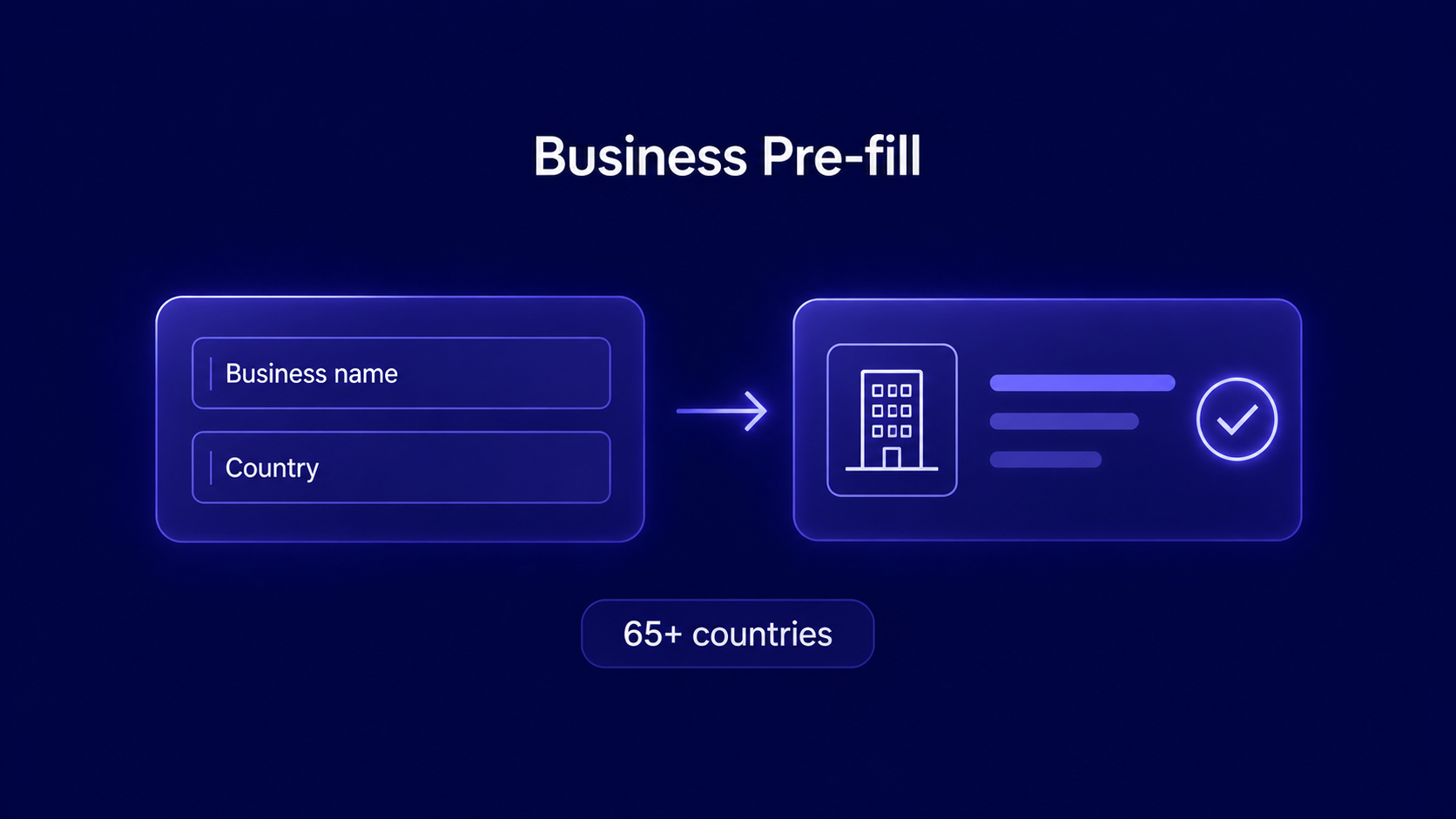
Introducing Business Pre-fill: Onboard Businesses in 65+ Countries With Just Two Fields

AiPrise launches Business Pre-fill: applicants enter a business name and country, and AiPrise fills the rest of the application from official registry records across 65+ countries.

Chaitanya Sarda

6 min read

I Did KYB 27 Times Before My KYB Company Turned One

Business verification is hiding in plain sight. A founder's count of every time a young startup gets asked to prove it's a real business.

Image depicting smurfing process

AiPrise

What Is Smurfing in Money Laundering? A Complete Guide

Learn what smurfing is, how it works in money laundering schemes, common red flags, and why detecting suspicious transaction patterns matters.

Illustration depicting structuring

AiPrise

What Is Structuring in AML? A Complete Guide

Learn what structuring is, how it works, why it matters for AML compliance, and the steps organizations can take to detect and prevent it.

Title image for KYC Vs KYC

AiPrise

KYB vs. KYC: Key Differences & How to Stay Compliant

Learn the main differences between Know Your Business (KYB) and Know Your Customer (KYC) regulations, compliance, requirements, and processes.

feature image for KYB compliance

AiPrise

KYB Compliance: 2026 Regulations You Should Know About

As organizations expand globally and face tighter regulations, adherence to Know Your Business (KYB) standards has become one of the most critical compliance layers for fintech, online marketplaces, and other companies that need to verify business customers before letting them perform financial transactions.

laptop running a KYB software for crypto

AiPrise

KYB for Crypto: How to Verify Businesses and Reduce Risk

Crypto removes traditional intermediaries from financial transactions, but it doesn’t remove risk. If anything, it attracts it.

Visual representation or automated Know Your Customer (KYC)

AiPrise

The Complete Guide to KYC Automation for Faster, Compliant Onboarding

Every customer your compliance team verifies manually is time and money lost to document chasing and follow-up emails. And it adds up faster than most teams expect.

AiPrise

10 min read

Top 10 AML and Identity Verification APIs for Compliance in 2026

Explore the top 10 aml and identity verification APIs in 2026 for compliance. Compare features, pricing, and use cases to choose the API for your business.

AiPrise

12 min read

Theft & Identity Fraud Trends in 2026: What You Must Watch

Identity fraud trends in 2026 reveal credit card fraud dominance and AI-driven deepfakes. Learn key preventive measures and protect yourself today!

AiPrise

8 min read

Address Fraud Detection: Best Practices for Fintech & Banks

Strengthen onboarding with address fraud detection best practices for fintech and banks. Prevent identity fraud, reduce risk, and meet compliance standards.

Top 5 KYB Providers with AI for Faster Business Verification

AiPrise

Top 5 KYB Providers with AI for Faster Business Verification

Discover the top 5 KYB Providers with AI enabling faster business verification, smarter risk checks, seamless onboarding, and compliance-ready decisions today.

Anti-Money Laundering Compliance: Proven Strategies for 2026

AiPrise

9 min read

Anti-Money Laundering Compliance: Proven Strategies for 2026

Anti-money laundering compliance in 2026 made practical. Learn proven strategies to detect risk, meet regulations, and protect business from financial crime.

AiPrise

11 min read

Deepfake Detection vs. Liveness Checks in Modern Security

See how Financial institutions and crypto platforms safeguard the onboarding process by implementing deepfake detection vs liveness checks to ensure compliance.

AiPrise

9 min read

Identity Verification Match Rates and Metrics Explained

Understand identity verification match rates, key metrics, and benchmarks that impact approval accuracy, fraud risk, and onboarding decisions that matter.

Requirements for AML AI in Banking: The Ultimate Guide You Can't Miss

AiPrise

14 min read

Requirements for AML AI in Banking: The Ultimate Guide You Cannot Miss

Explore the requirements for AML AI in banking. Discover how banks apply AI across KYC, monitoring, and SARs to strengthen compliance and reduce alert overload.

AiPrise

9 min read

Visa Cross Border Payments: What Fintechs Must Get Right

Visa cross-border payments explained for fintechs. Learn what must work across compliance, FX, speed, and security to scale card payments without friction today

Top Cross-Border Payments Companies for Compliant Global Transfers

AiPrise

10 min read

Top Cross Border Payments Companies for Compliant Global Transfers

Explore top cross-border payments companies enabling compliant global transfers. Compare features, coverage, pricing, and compliance fit to choose the provider

6 Types of Sanctions in KYC You Must Know to Avoid Penalties

AiPrise

11 min read

6 Types of Sanctions in KYC You Must Know to Avoid Penalties

Click now to understand types of sanctions in KYC, what triggers them, and how failures lead to fines and bans. Read now to stay compliant.

Visual representation of crypto KYC compliance steps

AiPrise

11 min read

Top KYC Providers for Crypto Companies in 2026 (Compared)

Compare the top 5 crypto KYC companies. Review their capabilities to find the crypto KYC provider that fits your compliance needs in 2026.

Top 7 KYC solutions

AiPrise

16 min read

Top 7 KYC Solutions in 2026 for Faster, Compliant Onboarding

Identity verification and compliance checks can be a bottleneck for companies that want to onboard customers at scale.

6 Key AML Use Cases Powered by AI in 2026

AiPrise

13 min read

6 Key AML Use Cases Powered by AI in 2026

Explore how AI is transforming AML compliance in 2026. Learn about key use cases in transaction monitoring, fraud detection, and KYC with AiPrise AI solutions.

Top 8 Liveness Detection Tools for Customer Onboarding in 2026

AiPrise

12 min read

Top 8 Liveness Detection Tools for Customer Onboarding in 2026

Understand how liveness detection works, why it matters, and which tools offer the strongest protection against spoofing and deepfake attacks.

AiPrise

9 min read

What Is a PEP Review? Screening Process, Challenges and Best Practices

Learn what a PEP review is, how PEP screening works, common challenges compliance teams face, and best practices for managing political exposure risk.

AiPrise

11 min read

Top 8 Stablecoin Fraud Detection Tools and How They Compare

Discover the top tools for stablecoin fraud detection, with insights on monitoring suspicious transactions, wallet risk scoring, and cross-chain analysis.

AI-Powered Fraud Detection in Payments: 2026 Trends

AiPrise

18 min read

AI Powered Fraud Detection in Payments: 2026 Trends

Explore 2025 trends in AI-powered fraud detection for enterprise payment software. Optimize defenses against threats like synthetic identities. Discover solutions today!

Liveness Detection Framework Guide for Secure Identity Verification

AiPrise

12 min read

Liveness Detection Framework Guide for Secure Identity Verification

Understand the liveness detection framework, key liveness detection types, and benefits for fraud prevention, secure onboarding, and compliance in 2026.

Automated KYC verification vs manual process explained with pros, costs, speed, accuracy, and which approach scales best for modern businesses today for teams.

AiPrise

11 min read

Automated KYC Verification vs Manual Process Explained

Automated KYC verification vs manual process explained with pros, costs, speed, accuracy, and which approach scales best for modern businesses today for teams.

Comprehensive Guide To Sanctions Checks For Compliance

Antoine

11 min read

Comprehensive Guide To Sanctions Checks For Compliance

Understand sanction check 5, a process of screening individuals against global watchlists, and its benefits for safer onboarding.

AiPrise

13 min read

10 AML Typologies Every Bank Needs to Know in 2026

Discover the top 10 AML typologies for 2026. Learn how banks, fintechs, and payment processors can detect, prevent, and respond to money laundering effectively.

Top 10 Financial Compliance Challenges Businesses Face in 2026

AiPrise

14 min read

Top 10 Financial Compliance Challenges Businesses Face in 2026

Learn the top financial compliance challenges businesses face in 2025–26, including regulation changes and security risks.

Guide to Understanding Fraud Detection Rules

AiPrise

17 min read

Guide to Understanding Fraud Detection Rules

See how fraud detection rules protect and automate real-time fraud prevention. Customize your approach with adaptable and effective solutions now.

How KYC AML Blockchain Protocols Can Transform Compliance in 2026

AiPrise

10 min read

How KYC AML Blockchain Protocols Can Transform Compliance in 2026

Discover how KYC AML blockchain protocols help banks and fintechs streamline identity verification, detect fraud, and stay compliant in 2026.

A Complete Guide to AML Regulations in Real Estate for 2026

AiPrise

13 min read

A Complete Guide to AML Regulations in Real Estate for 2026

Learn key AML real estate rules, risks, and best practices for 2026 to prevent money laundering, stay compliant, and protect your business.

AiPrise

13 min read

Top 10 KYC Failure Reasons and Their Solutions for 2025-26

Overcome KYC failure with key solutions to fake documents, manual processes, and poor data. Streamline with effective tools now! Click to enhance your KYC.

AiPrise

15 min read

The 15 Most Crypto-Friendly Countries in 2026

Explore the 15 most crypto-friendly countries in 2026, with insights on regulation, taxation, banking access, and growth opportunities.

AiPrise

7mins

CurrencyFair places its trust in AiPrise for onboarding and fraud controls

A Complete Guide to Money Laundering Scams in 2026

AiPrise

12 min read

A Complete Guide to Money Laundering Scams in 2026

Learn how money laundering scams work in 2026, from money mules and crypto fraud to real estate and online payment abuse, plus prevention strategies.

AiPrise

10 mins

AiPrise Monthly Review November 2025

AiPrise November Newsletter

Deepfake Selfie Verification in Identity Checks

AiPrise

10 min read

Deepfake Selfie Verification in Identity Checks

Deepfake selfie verification detects manipulated facial images, prevents identity fraud in onboarding, improves KYC accuracy, and speeds identity checks now.

AiPrise

9 min read

Compliance in Business in Singapore: What’s Changing

Business in Singapore: Learn key compliance changes, regulatory updates, and practical steps to keep your company compliant and ready, and reduce legal risk.

How to Check a UAE Company’s Trade License Online

AiPrise

9 min read

How to Check a UAE Company’s Trade License Online

Learn how to check trade license online in the UAE: step-by-step guide to verify company status, expiry, and license details quickly and securely from anywhere

10 min read

Online Banking Frauds Exposed With Proven Prevention Tips

Stay safe from online banking fraud. Avoid phishing, fake apps, and unauthorized access. Implement MFA, verify transfers. Protect your funds now!

AI-Powered Enhanced Due Diligence for Risk Management

AiPrise

9 min read

AI Powered Enhanced Due Diligence for Risk Management

Discover how AI-powered enhanced due diligence helps businesses reduce risk, ensure compliance, detect suspicious activity, and improve operational efficiency.

Fintech Fraud Prevention: Effective Strategies and Solutions

AiPrise

10 min read

Fintech Fraud Prevention: Effective Strategies and Solutions

Explore effective fintech fraud prevention strategies and solutions to safeguard your financial transactions and protect your business from cyber threats.

Recognizing Common Banking and AML Red Flags

Recognizing Common Banking and AML Red Flags

Spot banking red flags fast: learn key AML warning signs, suspicious behaviors, and practical steps to detect and report risky accounts and transactions today.

What Is Remediation in Banking and Its Process

AiPrise

12 min read

What Is Remediation in Banking and Its Process

What is remediation in banking? Understand the process, roles, and best practices to fix compliance gaps, restore controls, and protect customer trust now.

AiPrise

10 mins

AiPrise Monthly Review October 2025

AiPrise October Newsletter

AiPrise

10 mins

AiPrise Monthly Review September 2025

AiPrise September Newsletter

AiPrise

10 mins

AiPrise Monthly Review August 2025

AiPrise August Newsletter

AiPrise

8 min read

How Consent Orders Guide Stronger Banking Compliance Systems

Consent order banking strengthens compliance by enforcing stricter controls, improving oversight, and driving transparency across financial institutions.

Optimizing KYC Verification with Blockchain Technology

AiPrise

10 min read

Optimizing KYC Verification with Blockchain Technology

Explore how KYC blockchain whitepapers outline secure, reusable identity systems. Learn benefits, challenges, and real-world applications of blockchain KYC.

Comprehensive Guide to AML Transaction Monitoring Scenarios

AiPrise

7 min read

Comprehensive Guide to AML Transaction Monitoring Scenarios

Identify key AML transaction monitoring scenarios and enhance your compliance with tailored strategies. Reduce false positives, adapt to risks. Click now!

KYC workflow flowchart to help businesses stay compliant

AiPrise

11 min read

How to Build a KYB and KYC Workflow for Compliance

Need to standardize your KYC and KYB processes and make onboarding simpler? Check out our guide on how to build effective KYB and KYC workflows.

A Guide to Crypto Cleansing and Money Laundering

AiPrise

12 min read

A Guide to Crypto Cleansing and Money Laundering

Learn how crypto cleansing helps you secure your crypto portfolio. Take action now for safer, more compliant digital transactions.

Comprehensive Guide to Embedded Banking and  Finance

AiPrise

12 min read

Comprehensive Guide to Embedded Banking and Finance

Discover embedded banking examples that boost trust and conversions. Learn actionable strategies to improve your customer experience and grow your business.

risk based financing

AiPrise

10 min read

Understanding Risk Based Lending and Pricing

Uncover risk based financing: impact on loan terms, credit score role, and borrower strategies. Learn how to secure better terms now!

business in thailand

AiPrise

13 min read

A Complete Guide to Starting a Business in Thailand

Register your business in Thailand efficiently! Explore the new DBD Biz Regist system, digital identity verification, and online signature benefits. Act now!

Key Components of BSA/AML Risk Assessment

AiPrise

12 min read

Key Components of BSA AML Risk Assessment

Uncover the 3 fundamental components of risk assessment BSA. Enhance compliance by identifying inherent risks and developing mitigation strategies. Dive in!

Anti-Money Laundering and Procurement Risk in Insurance Sector

AiPrise

13 min read

Anti Money Laundering and Procurement Risk in Insurance Sector

Discover how the insurance industry can mitigate money laundering risks through AML strategies, effective procurement practices, and advanced fraud detection.

Understanding Web3 KYC for Secure Online Identity

AiPrise

10 min read

Understanding Web3 KYC for Secure Online Identity

Explore the importance of Web3 KYC in securing online identities, ensuring compliance, and how decentralized technologies are transforming identity verification.

AiPrise

5 mins

Announcing our 12.5M Series A for AI powered Global Compliance

Rethinking global compliance and building next generation compliance platform

AiPrise

5 mins

AiPrise and Unit21 Partner to Close the Gap Between Onboarding and Continuous Risk Monitoring

AiPrise and Unit21 today announce a strategic partnership designed to close a key gap in financial risk management: the disconnect between customer onboarding and ongoing monitoring.

top 10 employee frauds

AiPrise

10 min read

Top 10 Employee Frauds and Prevention Strategies

Discover the top 10 employee frauds and effective prevention strategies. Protect your business with regular audits, segregation duties, and monitoring systems. Click to safeguard your assets now!

deepfake lega

AiPrise

10 min read

Understanding Deepfake Legal Implications and Actions

Understand deepfake legal implications, address defamation, and stay informed on federal and state laws. Seek legal advice now!

phone number identity verification

AiPrise

10 min read

Phone Number Identity Verification: Is Your Business Protected?

Use phone number identity verification to prevent fraud, secure transactions, and increase trust. Verify customer identities quickly and confidently today.

The importance of KYC and AML for crypto exchanges

AiPrise

10 min read

Importance of KYC and AML for Crypto Exchanges

Learn the importance of KYC and AML for crypto exchanges to prevent fraud, ensure regulatory compliance, and build trust with users and investors worldwide.

globe covered by business and owner connections to represent the verification process

AiPrise

11 min read

8 of the Best KYB Software Providers in 2026

Compliance doesn’t just fail when someone skips an ID check. The cracks start to form when a business looks legitimate on the surface but isn’t.

Online Marketplace Risks and Prevention Strategies

AiPrise

9 min read

Online Marketplace Risks and Prevention Strategies

Learn how to protect your online marketplace from risks like fraud, counterfeit goods, and data breaches with effective prevention strategies.

biggest money laundering cases

AiPrise

9 min read

The Biggest Money Laundering Cases in History

Explore the biggest money laundering cases in history and the lessons they offer. Read more now!

Understanding Digital Identity and How It Works

AiPrise

11 min read

Understanding Digital Identity and How It Works

Understand what a digital identity is, how it works, its risks, and ways to protect it with smart verification and security practices.

Anti-Money Laundering Directive: Key Changes and Compliance

AiPrise

7 min read

6th Anti Money Laundering Directive: Key Changes and Compliance

Explore the key changes in the 6AMLD: expanded money laundering definitions, corporate liability, and enhanced penalties. Ensure compliance now!

AiPrise

12 min read

Fraud and Money Laundering: Key Differences and Connections

Unveil how fraud and money laundering differ and connect. Explore impacts, tech roles, and strategies. Prevent financial crime today!

Best Practices for Merchant Verification

AiPrise

10 min read

Best Practices for Merchant Verification

Boost trust and prevent fraud with effective merchant verification. Comply with regulations, streamline processes with AI, and enhance security. Click to secure your business today!

Understanding KYC Verification Safety and Prevention Steps

AiPrise

10 min read

Understanding KYC Verification Safety and Prevention Steps

Is KYC verification safe? Explore data safety, regulatory compliance, phishing scams, and prevention steps. Protect your identity today!

singapore crypto license requirements

AiPrise

6 min read

Singapore Crypto License Requirements: A Complete Guide

Learn about the latest Singapore crypto license requirements. Find out what the capital requirements and application processes are for crypto businesses.

digital asset anti-money laundering act

AiPrise

7 min read

Understanding the Digital Asset Anti-Money Laundering Act 2023

Learn about the Digital Asset Anti-Money Laundering Act 2023. Understand its key provisions and how they impact compliance for digital asset businesses.

AiPrise

9 min read

How to Detect Fraudulent Documents in KYB Verification

Boost your business compliance by detecting fraudulent documents in KYB. Use AI tools, cross-check registrations, and implement risk assessment. Upgrade your KYB processes today!

online identity verification methods

AiPrise

10 min read

Online Identity Verification Methods: 7 Different Types

Find out the most effective online identity verification methods. Explore how different methods work and choose the best verification option for your business.

income verification documents

AiPrise

9 min read

Income Verification Documents: What You Need to Know

Learn about different income verification documents for compliance. Get a complete guide on income requirements, processes, and common mistakes to avoid.

UK mica

AiPrise

8 min read

Understanding UK Crypto Regulations After MiCA

Stay compliant with UK crypto regulations and avoid costly penalties. Learn about key updates and how MiCA influences UK laws for crypto firms.

money laundering detection

AiPrise

9 min read

Methods for Effective Money Laundering Detection

Stay compliant and reduce fraud risk by learning money laundering detection techniques, identifying red flags, and applying AML best practices.

AiPrise

8 mins read

What is Ongoing Monitoring? Types and Tips to Implement

Find out what ongoing monitoring is and why it's essential for compliance. Get a complete guide to implement effective continuous screening processes.

AiPrise

7 mins read

Fraud Detection and Prevention Strategies in Banking

Explore key AI innovations and real-time monitoring in fraud prevention for banks. Enhance security with behavior analytics. Stay compliant!

AiPrise

8 mins read

What is a Verification Check? Types, Process, and Benefits

Find out what verification checks involve, and how they work. Get a complete guide to verification processes, their types, benefits, and common challenges.

AiPrise

6 mins read

Understanding Fraud: Patterns and Prevention Strategies

Understand fraud behavior patterns and explore strategies to prevent fraud effectively. Ensure your business stays secure with actionable tips and insights.

AML fines examples

AiPrise

9 mins read

AML Fines Explained: Key Facts and Examples

Explore AML fines, which industries may face enforcement actions, notable case examples, and ways organizations can strengthen compliance and reduce regulatory risk.

AiPrise

4 mins read

Benefits and Challenges of Facial Recognition Technology

Discover the top benefits of facial recognition for banking and payments: stronger security, fraud prevention, compliance, and better customer trust.

AiPrise

12 mins read

How to Identify Fake IDs?

Identify bad fake IDs with tips on checking holograms, spelling errors, and card quality. Stay vigilant with ID scanners. Enhance security now!

Visual representation of screening clients for AML laws

AiPrise

5 mins read

What Is Customer Screening in AML, and Why Does It Matter in 2026?

Customer screening is the foundation of AML compliance. This guide covers the key components and best practices you need to screen effectively.

AiPrise

6

Microstructuring: Challenges in AML Compliance

Microstructuring threatens AML compliance. Discover key red flags and strategies to detect and prevent it, protecting your business from financial crime.

AiPrise

6

How KYC Is Done In Banks: A Step by Step Guide

Understand how KYC is done in banks through identity checks, risk profiling, and monitoring. Learn how AI and ML improve efficiency in compliance.

AiPrise

8 mins read

Understanding eKYC: Meaning and Benefits

eKYC (electronic Know Your Customer) is a digital identity verification process that ensures secure onboarding. Learn its key benefits and how it works.

AiPrise

9 mins read

Cross-Border Payment Regulations: Global Compliance Guide

Stay compliant with cross-border payment regulations. Discover key rules, challenges, and strategies to simplify secure global transactions today.

liveness detection

AiPrise

11 mins read

Liveness Detection: Your Guide to Modern Fraud Prevention

Combat deepfakes and AI fraud. Learn what liveness detection is and how it provides a critical layer of security for modern identity verification.

compliance automation

AiPrise

12 mins read

Top 8 Compliance Automation Software for Faster Onboarding in 2025

Accelerate growth with compliance automation. Discover the top 8 tools to speed up onboarding, reduce risk, and save time for your business in 2025.

AiPrise’s data coverage and AI agents were the deciding factors for us. They’ve made our onboarding 80% faster. It is also a very intuitive platform.

Testimonial Company logo Bridge

Head of Operations