

AiPrise
13 mins read
June 23, 2025
What is Sanctions Screening and Why It’s Important

Key Takeaways

Sanctions screening is a vital compliance measure that helps businesses prevent accidental transactions with individuals, entities, or nations subject to financial or trade restrictions. With the increasing complexity of global trade, international regulations, and heightened security concerns, sanctions screening has become a fundamental part of compliance programs worldwide.
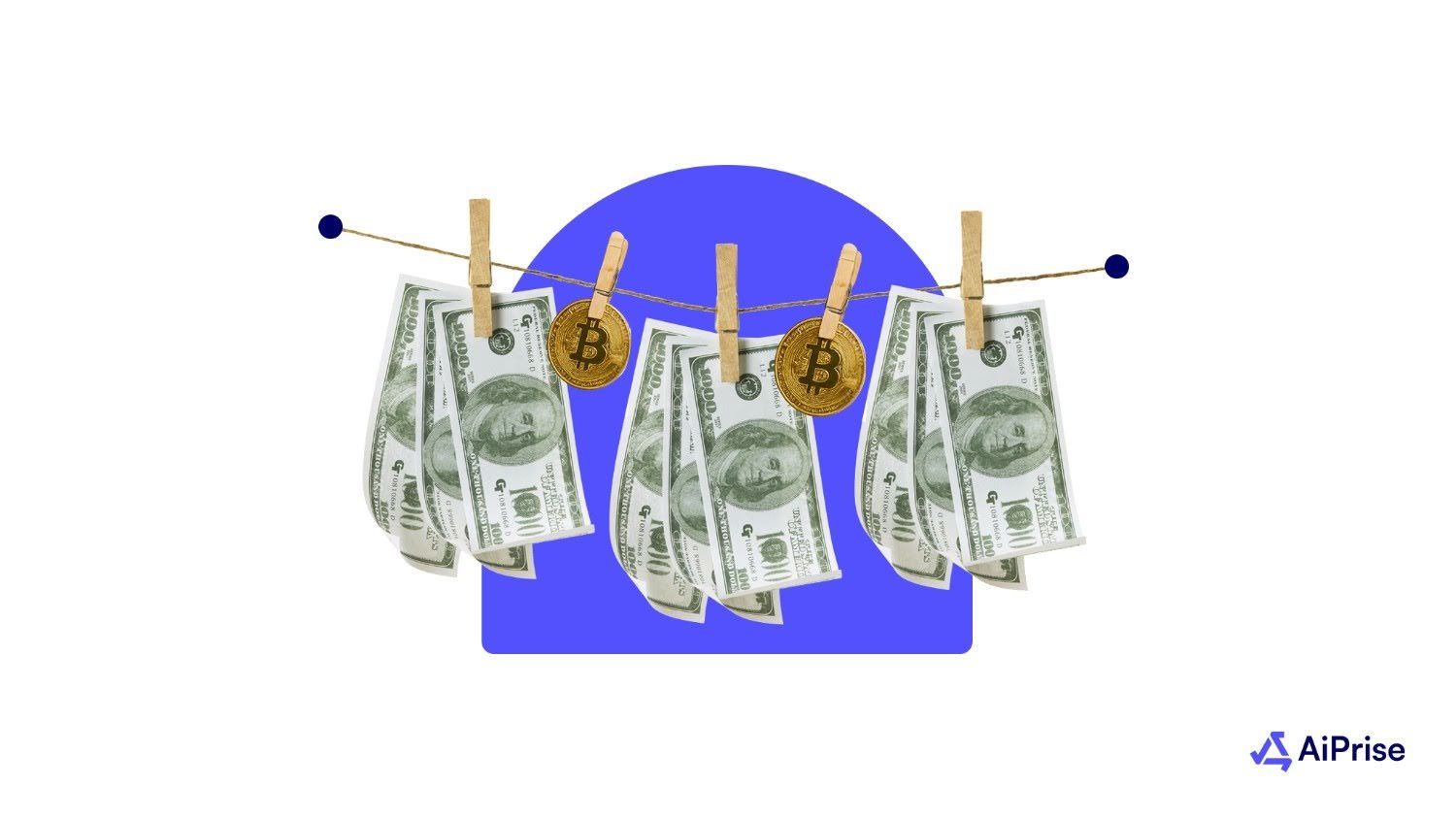
The U.S. Department of the Treasury’s Office of Foreign Assets Control (OFAC) recently targeted a network laundering billions of dollars through international financial systems, including Iranian shadow banking. This action underscores the importance of sanctions screening and the severe consequences of non-compliance.
As global commerce expands, businesses must address the complexities of sanctions to avoid costly mistakes and significant reputational damage.
In this blog, we will explore what sanctions screening is, its importance, and how it helps businesses stay compliant and mitigate risks in an increasingly regulated environment.
What is Sanctions Screening?
Sanctions screening is the process of comparing individuals, businesses, or transactions against global sanctions lists to identify parties subject to restrictions or sanctions. These sanctions lists are typically issued by governments, international organizations, and regulatory bodies to prevent money laundering, terrorism, and human rights violations.
Sanctions can take many forms, including trade restrictions, asset freezes, and travel bans. Screening ensures that businesses do not inadvertently engage with individuals or entities that are listed on these sanctions, thereby avoiding legal and financial consequences.
Now that you have a clear understanding of sanctions screening, let’s take a look at the key authorities who enforce these regulations.
Who Are the Global Sanctioning Bodies?
Sanctions are imposed by various global bodies, each with the authority to enforce financial restrictions and trade barriers. Here are the key organizations responsible for imposing and monitoring sanctions:
- U.S. Department of the Treasury – Office of Foreign Assets Control (OFAC)
OFAC is one of the most prominent sanctioning bodies globally. It administers and enforces economic and trade sanctions against targeted foreign countries and regimes, terrorists, narcotics traffickers, and other national security threats. OFAC’s sanctions lists are widely used by businesses worldwide for compliance.
- United Nations (UN)
The UN imposes international sanctions aimed at promoting peace and security, often as a response to conflict, human rights abuses, or the proliferation of weapons. These sanctions are binding for UN member states, and businesses must comply with them.
- European Union (EU)
The EU issues sanctions aimed at maintaining peace and stability within and outside its borders. EU sanctions can include trade restrictions, asset freezes, and arms embargoes. Businesses must ensure compliance with EU sanctions when dealing with member states.
- Her Majesty’s Treasury (HMT) – UK
The UK also imposes sanctions to protect national and international security. The UK’s sanctions align with those of the United Nations and the European Union, but it also enforces its sanctions programs. Following Brexit, UK businesses are subject to the sanctions list issued by HM Treasury.
- Other National Regulatory Bodies
Countries like Canada, Australia, and Japan also have their own sanctioning bodies, which create and enforce their sanctions lists. Businesses must be mindful of sanctions laws in their countries to avoid violations.
Now that we know who enforces these sanctions, let's understand why sanctions screening is essential to ensure compliance.
Why is Sanctions Screening Important?

Sanctions screening is crucial for businesses operating in a globalized environment. For businesses, understanding these sanctions ensures compliance, prevents legal repercussions, and avoids involvement in financial crime or other illicit activities.
Below are some of the significant reasons why sanctions screening is vital:
Regulatory Compliance
Businesses must adhere to various regulations, such as the U.S. Department of the Treasury’s Office of Foreign Assets Control (OFAC), the EU, and the UN. Failing to comply with these sanctions could result in hefty fines, legal consequences, and reputational damage.
By performing sanctions screening, businesses ensure they are meeting legal requirements and avoiding costly violations.
Risk Mitigation
Sanctions screening enables businesses to identify high-risk customers, partners, or transactions that may expose them to illegal activities. By screening for connections to sanctioned individuals or entities, businesses can prevent themselves from becoming unwitting participants in illicit schemes, such as money laundering or terrorist financing.
This proactive measure helps mitigate the risk of financial and reputational harm.
Protection Against Financial Crime
Engaging in business with sanctioned entities often ties businesses to illegal activities such as money laundering, fraud, and terrorism financing. Sanctions screening helps protect businesses from involvement in criminal activities by ensuring they do not engage in transactions with high-risk or prohibited parties.
Safeguarding Reputation
Businesses found to be in violation of sanctions can suffer significant reputational damage, which can be even more detrimental than the financial penalty itself. A tarnished reputation can lead to the loss of customers, partners, and investor confidence. Sanctions screening mitigates this risk, enabling businesses to maintain trust and integrity.
Global Business Expansion
For companies expanding globally, navigating different legal and regulatory environments is crucial. Sanctions screening enables businesses to operate confidently in various regions, ensuring compliance with local sanctions laws while expanding and building partnerships in new markets.
With a clear understanding of why sanctions screening is essential, let's understand the different types of sanctions screening imposed worldwide.
The Different Types of Sanctions Imposed Worldwide

Sanctions come in various forms, each designed to target specific areas of concern such as national security, human rights violations, or illegal financial activities. These are designed to address specific issues like terrorism, human rights abuses, or economic destabilization.
Let’s explore the key types of sanctions and how they are used to address global issues:
Trade Sanctions
Trade sanctions are restrictions that prevent or limit the import and export of goods and services between countries. These sanctions are often imposed to punish or pressure a country into changing its policies or behavior.
For example, a nation may impose trade sanctions on another country that violates international agreements or engages in harmful practices, such as human rights abuses. These sanctions can disrupt supply chains and impact businesses involved in international trade.
Financial Sanctions
Financial sanctions are designed to freeze the assets of individuals, entities, or governments that are involved in activities such as terrorism, money laundering, or other illegal financial transactions. These sanctions prevent the target from accessing international financial systems, effectively cutting off their ability to conduct business globally.
For instance, financial sanctions might block a terrorist organization from receiving funds or limit a sanctioned country's ability to trade in foreign currency.
Sectoral Sanctions
Sectoral sanctions target specific sectors of an economy, such as defense, energy, or finance. These sanctions aim to weaken a country's ability to fund certain industries that may be used to support illegal activities.
For example, sanctions may restrict the access of a country's energy companies to international financial markets, hindering their ability to develop or export energy resources. Sectoral sanctions are typically more targeted and less comprehensive than trade sanctions, focusing on specific industries or activities rather than an entire nation.
Travel Sanctions
Travel sanctions restrict the movement of individuals across borders. These sanctions are often imposed on individuals involved in corruption, terrorism, or human rights abuses. Travel bans prevent the sanctioned person from entering or transiting through certain countries, effectively limiting their mobility.
Governments use travel sanctions to isolate high-risk individuals or those suspected of engaging in illegal activities. These sanctions are particularly common for politically exposed persons (PEPs) or individuals suspected of criminal activity.
Arms Embargoes
Arms embargoes are sanctions that prohibit the trade of weapons and military technology to specific countries or groups. These sanctions are typically used to prevent the escalation of conflicts, particularly in regions experiencing war or civil unrest. Arms embargoes aim to limit a nation's ability to acquire weapons that could be used to violate international laws or threaten global security.
Countries under arms embargoes are often prohibited from importing or exporting military equipment, which can significantly weaken their military capabilities.
Now that we've covered the different types of sanctions, let's discuss why sanctions screening is essential for businesses in today's interconnected world.
How Does Sanctions Screening Work?
Sanctions screening is a multi-step process designed to help businesses comply with international laws and avoid unknowingly engaging in prohibited transactions. By adopting automated systems and up-to-date sanctions lists, businesses can efficiently identify the risks of dealing with sanctioned individuals, organizations, or countries.
Here's an overview of the key stages involved in the process:
Step 1: Data Collection
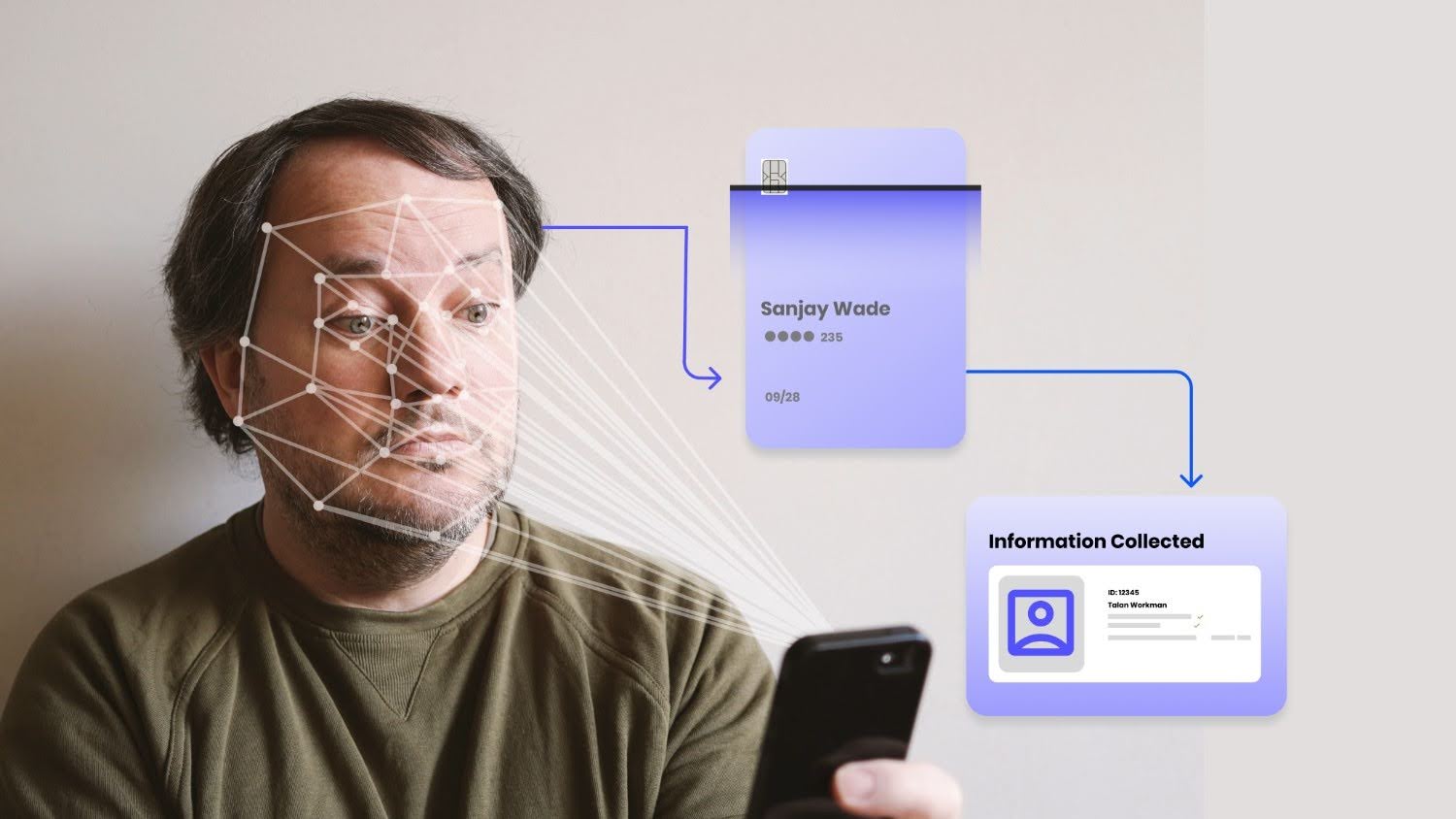
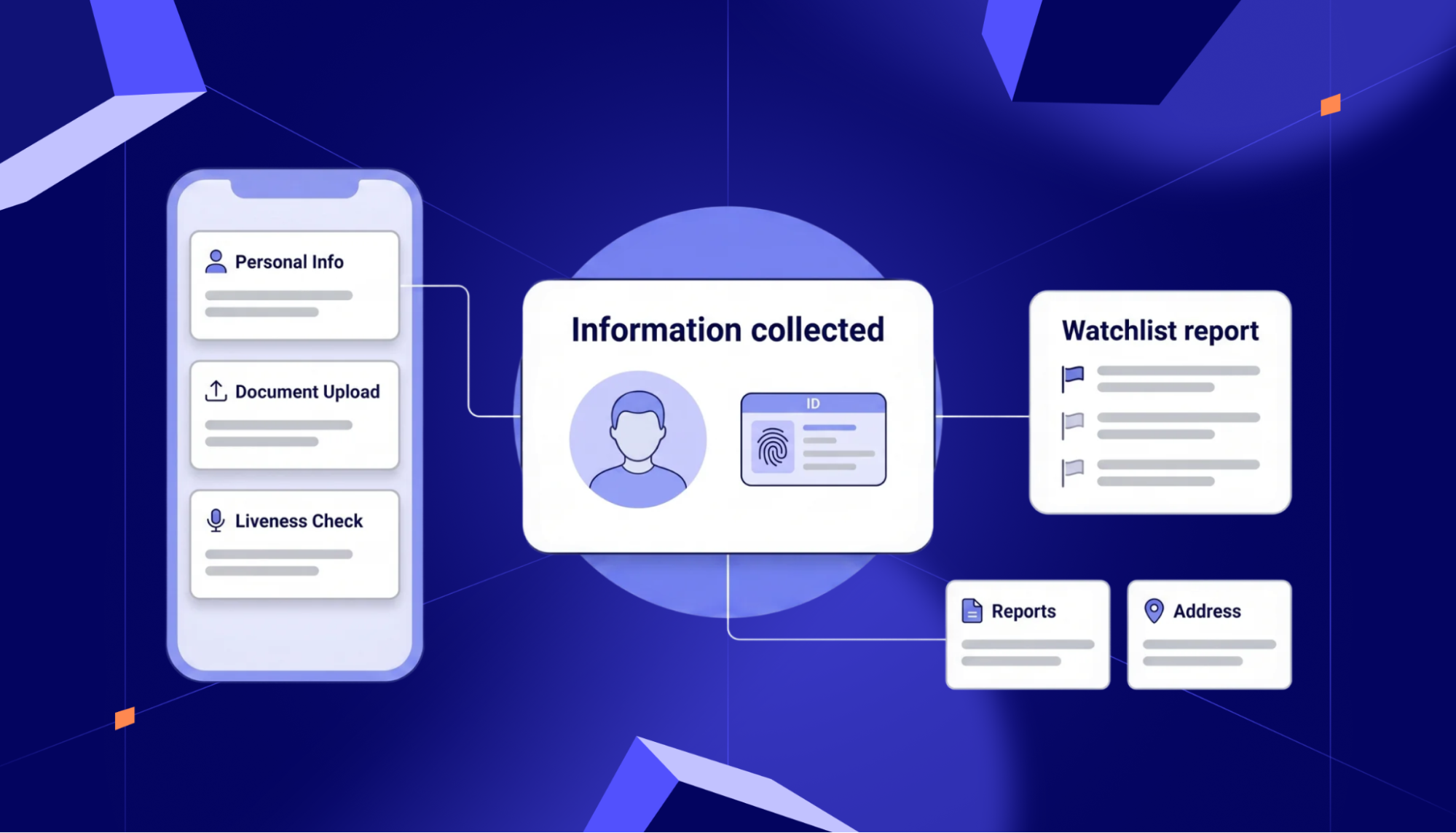
The first step in sanctions screening is gathering relevant data about the parties involved in a transaction. This includes customer details, such as names, addresses, business identification numbers, and transaction specifics. Accurate, up-to-date data is crucial for effective screening.
Step 2: Sanctions List Matching
Once the data is collected, it is compared against updated sanctions lists. These lists are compiled by government agencies, such as OFAC, the EU, and the UN, and include individuals, businesses, and countries subject to sanctions. Matching the collected data against these lists helps businesses identify any parties involved in sanctioned activities.
Step 3: Transaction Monitoring
Sanctions screening doesn’t just happen at the beginning of a business relationship. Each time a transaction occurs, businesses should verify that the parties involved are not listed on any sanctions lists. This ensures that no funds are transferred to or from individuals, entities, or countries that are sanctioned.
Step 4: Ongoing Customer Monitoring
Over time, customers' statuses may change. Sanctions lists are updated regularly, so businesses must re-screen their existing customers periodically to ensure continued compliance. This is particularly important when significant geopolitical events occur, potentially leading to new sanctions being imposed.
Step 5: Periodic Reviews
Some businesses may also perform periodic reviews of their customer base, especially in high-risk industries such as finance, payments, and cryptocurrency. This ensures that the customer list is up-to-date and compliant with the latest sanctions regulations.
Step 6: Risk Assessment and Follow-Up:
Businesses must perform a deeper risk assessment if a potential match is found between the transaction data and the sanctions list. This may include verifying the identity of the individual or entity, consulting with legal teams, or reporting the transaction to the relevant authorities. In cases where a match is confirmed, businesses may need to freeze the transaction, block accounts, or file Suspicious Activity Reports (SARs).
Having explored how sanctions screening works, let's examine some common challenges businesses encounter during this process.
Challenges in Sanctions Screening

While sanctions screening is critical for maintaining compliance and preventing illegal activities, businesses face several challenges that can complicate the process. Let’s explore the key challenges businesses may encounter in sanctions screening:
- False Positives
False positives are a common challenge in sanctions screening. These occur when a screening system mistakenly flags a transaction or customer as matching a sanctions list, even though there’s no actual connection.
For example, individuals with similar names or businesses with similar titles may be flagged, resulting in unnecessary investigations and delays. Managing false positives can be time-consuming and costly, especially for businesses that process large volumes of transactions.
- Global Data Consistency
Sanctions lists are regularly updated; however, the frequency and accuracy of these updates can vary by jurisdiction. Businesses operating globally must ensure consistency across different sanctions lists from various countries.
This can be challenging, as discrepancies in data can lead to gaps in screening accuracy and create compliance risks.
- Privacy and Data Protection Regulations
Sanctions screening involves gathering and processing sensitive personal data, which can raise privacy concerns. With laws like the General Data Protection Regulation (GDPR) in place, businesses must ensure they are handling customer data responsibly and in full compliance with data protection regulations.
This becomes especially complex for businesses operating in multiple jurisdictions with varying privacy laws.
Let’s now take a look at how AiPrise can streamline sanctions screening, helping businesses overcome these challenges and stay compliant.
How AiPrise Helps with Sanctions Screening
AiPrise offers an advanced sanctions screening solution that uses AI and machine learning to automate the process. Here’s how AiPrise can help businesses stay compliant and mitigate risks:
- Automated Screening: AiPrise automates the sanctions screening process, reducing the likelihood of human error and speeding up the process. With AI and machine learning, AiPrise can detect matches in real-time, reducing delays and improving overall efficiency.
- Access to Global Sanctions Lists: AiPrise integrates sanctions lists from over 200 global authorities, ensuring that businesses are compliant with the most up-to-date regulations across all regions in which they operate.
- Reduced False Positives: AiPrise’s AI-powered system minimizes false positives by using advanced pattern recognition and natural language processing to accurately match data and reduce the number of unnecessary alerts.
- Continuous Updates: AiPrise automatically updates its sanctions screening tools to reflect changes in sanctions lists, ensuring businesses remain compliant with the latest regulations without needing to manually track updates.
- Comprehensive Reporting: AiPrise provides detailed reporting on potential sanctions matches, enabling businesses to assess risks more effectively, make informed decisions, and take the necessary compliance steps.
Conclusion
Sanctions screening is crucial for businesses seeking to manage the complexities of global regulations, prevent financial crime, and safeguard their reputation. While it comes with its challenges, advanced tools like AiPrise offer automated, accurate, and efficient solutions to streamline the process.
By utilising AI and machine learning, AiPrise enables businesses to maintain compliance, mitigate risks, and operate safely in the complex, interconnected global environment.
Ready to simplify your sanctions screening process? Book a Demo today and discover how AiPrise can help you stay compliant and reduce risks!
FAQs (Frequently Asked Questions)
- What is sanctions screening?
Sanctions screening is the process of checking transactions, customers, or partners against global sanctions lists to ensure compliance with financial and trade restrictions imposed by governments and international bodies. - Why is sanctions screening important for businesses?
Sanctions screening helps businesses prevent accidental transactions with sanctioned individuals, organizations, or countries. This is crucial to avoid penalties, financial risks, and reputational damage, ensuring that businesses comply with global regulations. - Who are the key global sanctioning bodies?
Key sanctioning bodies include the U.S. Department of the Treasury's Office of Foreign Assets Control (OFAC), the United Nations (UN), the European Union (EU), and individual countries like the UK, Canada, and Australia, each of which enforces sanctions based on its own regulations. - When should sanctions screening be performed?
Sanctions screening should be performed at various stages, including customer onboarding, during each transaction, through ongoing monitoring, and periodic reviews, to ensure continuous compliance with updated sanctions lists. - What challenges do businesses face in sanctions screening?
Challenges include false positives (mistaken matches), inconsistencies in global data, and ensuring compliance with privacy and data protection laws, particularly in multiple jurisdictions. - How can AI improve sanctions screening?
AI enhances sanctions screening by automating the process, reducing human error, and improving the speed and accuracy of matches. It also helps in minimizing false positives and provides real-time updates to ensure compliance with the latest regulations.
How does AiPrise help with sanctions screening?
AiPrise offers an AI-driven solution for sanctions screening, providing automated screening, access to global sanctions lists, reducing false positives, continuous updates, and comprehensive reporting to streamline the process and ensure compliance.
You might want to read these...



AiPrise
KYB Compliance: 2026 Regulations You Should Know About
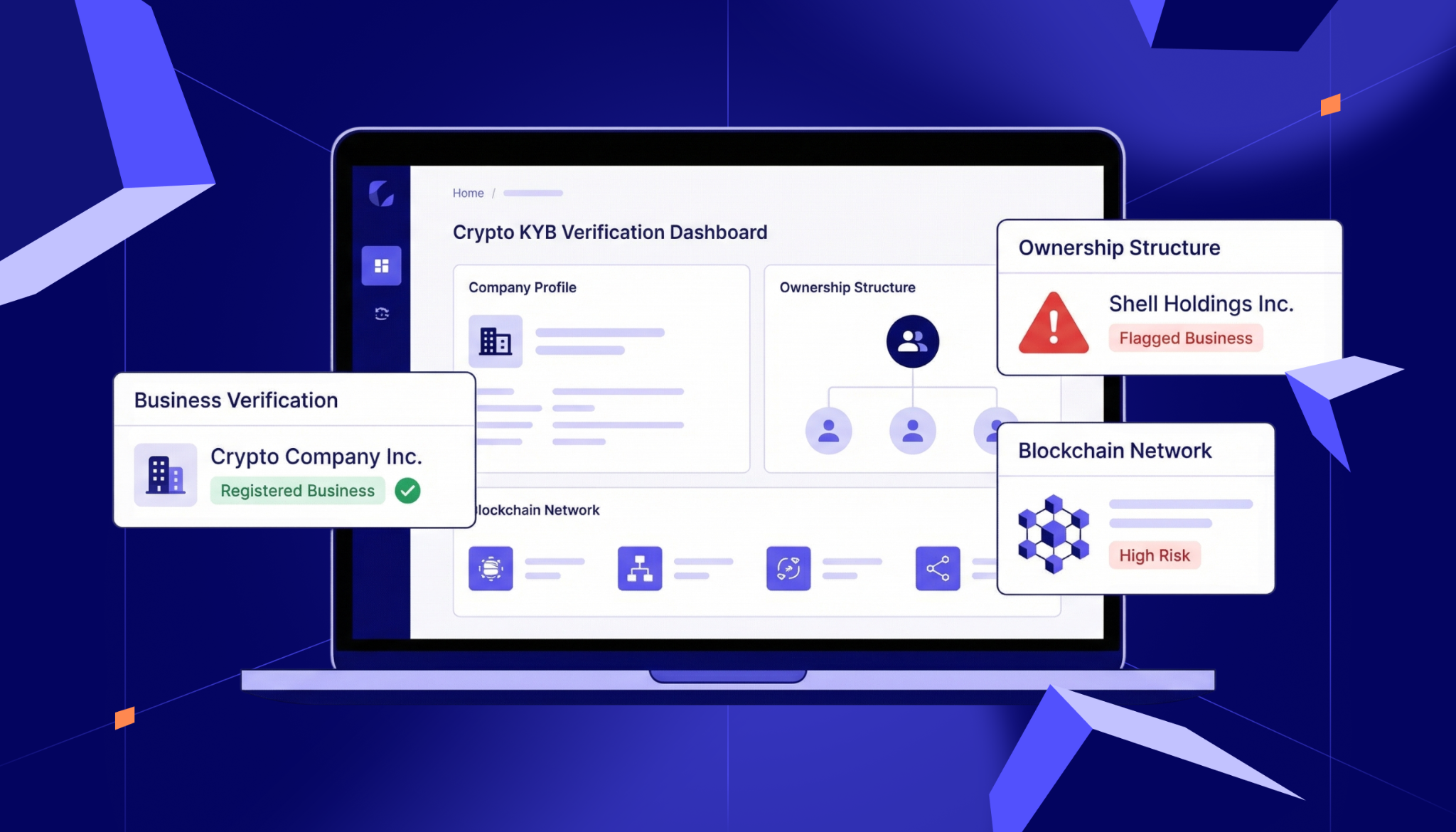
As organizations expand globally and face tighter regulations, adherence to Know Your Business (KYB) standards has become one of the most critical compliance layers for fintech, online marketplaces, and other companies that need to verify business customers before letting them perform financial transactions.







.png)

.jpg)















.png)








.png)
.png)
.png)









.png)
.png)


AiPrise’s data coverage and AI agents were the deciding factors for us. They’ve made our onboarding 80% faster. It is also a very intuitive platform.

Head of Operations



See your full compliance picture in one place
Use AI agents and global data to review businesses and users faster and more accurately
