Blogs

Understanding AML Watchlist Screening Practices

AiPrise

7 min read

November 6, 2024

Understanding AML Watchlist Screening Practices

Key Takeaways

Most businesses today must comply with anti-money laundering (AML) regulations, particularly when dealing with financial transactions. However, ensuring compliance may be difficult as it evolves according to threats. One of the major hurdles organizations face is conducting watchlist screening, which helps identify potential risks by comparing individuals and entities against global watchlists for suspicious activity.

Without screening practices, your business may be exposed to significant risks, including regulatory fines and reputational damage. Incorporating watchlist screening can help you expose fraud or financial crime. In this guide, we'll discuss the AML watchlist, its types, common challenges, and more about this process that assists you in safeguarding your business and meeting compliance standards.

What Is AML Watchlist Screening?

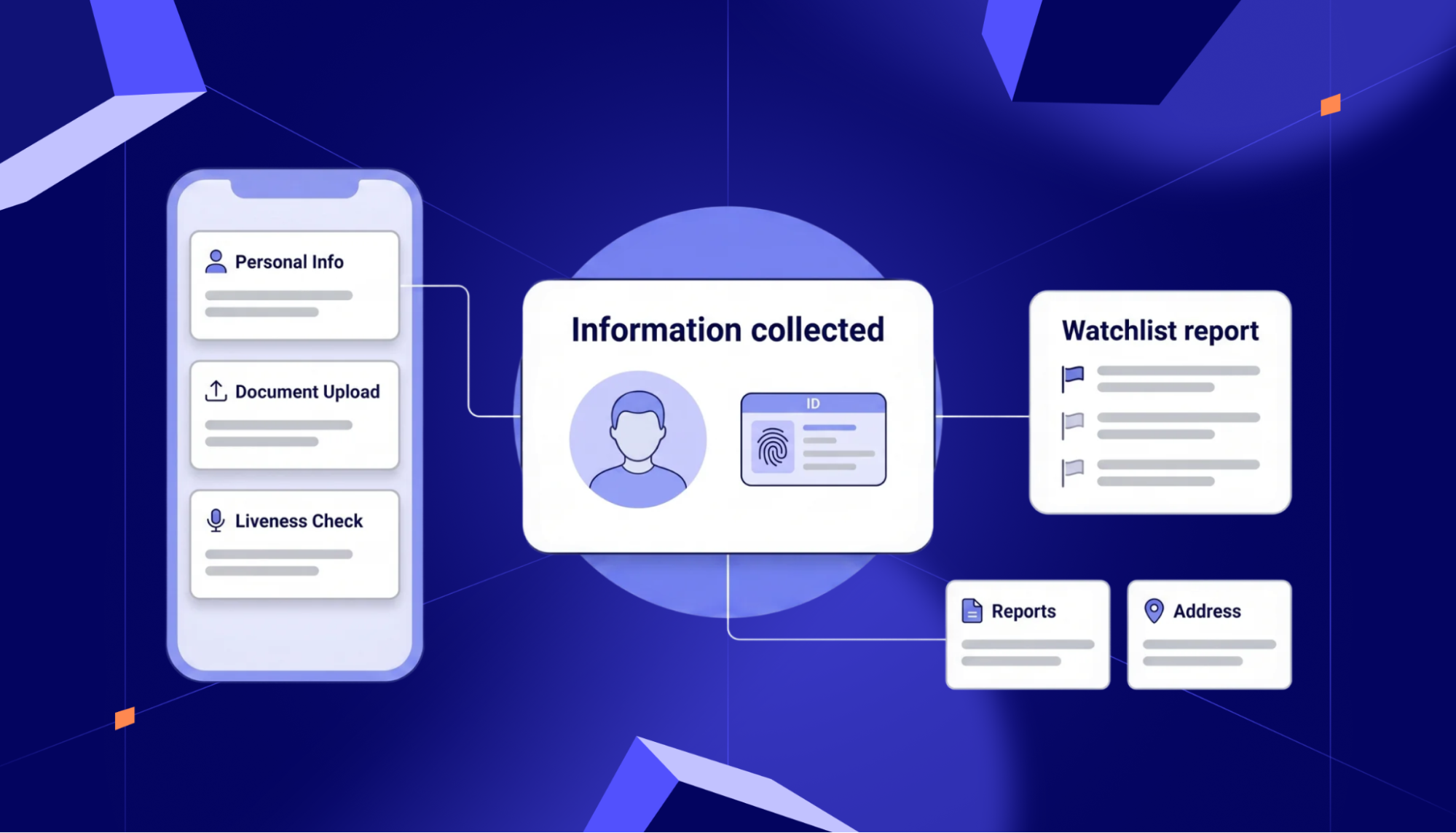
AML screening or watchlist screening is a systematic evaluation process that you have to do when you start dealing with businesses or individuals against various global watchlists. It is a broad term that requires you to check whether individuals or organizations are listed for fraud, terrorism, money laundering, or other criminal activities by national and international bodies. 

Businesses need to identify and mitigate potential risks before they escalate, and with this process, you may reduce the risk and avoid fines. This screening is compulsory, particularly for banks and other financial entities in many countries, as they play a critical role in stopping these illegal activities. 

Businesses must also treat watchlist screening as essential in KYC (Know Your Customer) and broader AML (Anti-Money Laundering) compliance programs. It allows the detection and prevention of financial crimes, which protects them from potential fines and reputational damage.

Types Of Watchlists In AML Screening

You need to consider several watchlists to help you identify individuals and entities that could pose financial crime risks. You may compare them with the list and find they are risky or to go forward with. Here's a list of the main types used in effective AML compliance programs.

1. Sanctions Lists: Several bodies, such as the Office of Foreign Assets Control (OFAC), the United Nations (UN), and the European Union (EU), maintain a list. These lists include individuals and entities subject to economic and trade restrictions. Screening against sanctions lists is essential, as it helps your business to avoid dealings with sanctioned parties.

2. Politically Exposed Persons (PEP) Lists: PEP lists give details of individuals in high-profile positions, such as government officials or senior executives of state-owned enterprises. These influential people have access to resources and are higher-risk clients in AML processes. Monitoring them assists institutions in managing risk and adhering to KYC requirements.

Do you want to know more about PEP? Read: Understanding Politically Exposed Persons (PEP) in AML Compliance

3. Interpol's And FBI's Most Wanted Lists: These agencies maintain the lists of individuals law enforcement agencies want for serious crimes globally. By screening against these most wanted lists, you can avoid associations with high-risk individuals in criminal activities.

4. FATF High-Risk Jurisdiction List: The Financial Action Task Force (FATF) maintains a list of countries with weak AML and Counter-Terrorism Financing (CTF) measures. Screening for individuals and organizations operating in or connected to these jurisdictions is crucial to stop money laundering and terrorism financing.

5. Adverse Media: Adverse media monitor individuals or entities linked to negative news, such as fraud, corruption, or other criminal behavior. Checking the entities with this is vital as it helps you avoid reputational risks and maintain up-to-date client information, even if they're listed in sanctions or PEP lists.

6. World Bank: The World Bank maintains a debarment list, which is separate from traditional watchlists but can be relevant for compliance purposes. Companies that engage in illegal activities or other misconduct are subject to this action.

Ensuring up-to-date and comprehensive coverage of these watchlists is vital. Solutions that use extensive data sources can improve the process significantly, and some companies, such as AiPrise, offer tools that aim to do so.

Now that we've got a grip on the watchlists, let's see how the screening process works!

How AML Watchlist Screening Works?

Screening is a systematic process that helps businesses verify identities and assess potential risks by comparing individuals and entities against various watchlists. Here's how it works

1. Identity Verification Against Multiple Watchlists

The screening process begins with identity verification across different types of watchlists. This involves:

  • Cross-Referencing Names And Details: Organizations cross-check individuals and entities against global lists using identifying information.
  • Flagging High-Risk Matches: Any match with sanctions, PEPs, or other high-risk entities generates an alert for further review.

2. Manual Vs. Automated Screenings

As an organization, you may choose manual or automated screening methods in your watchlist screening method.

Manual Screening

  • Pros: It allows for detailed case-by-case analysis to handle complex or ambiguous matches.
  • Cons: This method is time-consuming and prone to human error, which can slow down processes when you have high volumes.

Automated Screening

  • Pros: It provides quick, high-volume checks with all the lists. You also get continuous updates, making it efficient for large datasets.
  • Cons: It may produce false positives, requiring additional manual intervention to confirm accuracy.

The solutions automate the screening process, particularly those offered by AiPrise, significantly enhancing efficiency by reducing the burden of manual checks while maintaining rigorous compliance standards.

3. Connect Watchlists With Industry And Risk Profiles

Tailoring watchlist screening to the organization's industry and risk profile is essential for effective compliance. This involves:

  • Select Relevant Watchlists: Financial institutions must prioritize sanctions and PEP lists, while others might focus on adverse media for reputational risk.
  • Adjust To Risk Tolerance: High-risk industries may require more stringent screening, whereas lower-risk sectors can adjust the depth of screening accordingly.

Now that we know how it works, let's see how this keeps you on the right side of the law.

Improving Regulatory Compliance Through Watchlist Screening

Watchlist screening is vital in upholding regulatory standards because it protects businesses from financial crime risks and maintains integrity. This is how effective screening improves compliance and reduces exposure to illicit activities.

  • Prohibition Of Business With Restricted Entities: This is one of the main advantages of this screening method. Through screening, you can identify and prevent business dealings with blacklisted individuals or groups. In this way, companies may avoid potential fines and legal consequences.
  • Detect And Prevent Money Laundering: AML screening is the first line of defense against money laundering activities. This method assists your business in finding and flagging individuals and entities associated with suspicious financial activities. It reveals unusual patterns and high-risk associations so you can prevent the laundering of illicit funds through your services. 
  • Reveals Customer Legitimacy And Reduces Risk: The screening method confirms customer identities, establishes legitimacy, and reduces the likelihood of fraud. By verifying your customers with comprehensive watchlists, you can safeguard yourself from onboarding potentially fraudulent individuals and entities.
  • Preventing Funds From Supporting Terrorism: Organizations, particularly financial institutions, must ensure their funds do not support terrorism. When your company checks with terrorism financing lists that help you identify and block potential threats so you can maintain a safe financial system.

Screening has several advantages, but what problems do you face in watchlist screening? Let's examine that now.

What Problems Do You Face In AML Watchlist Screening?

Screening can help compliance manage risk management, but companies may face several problems while implementing this method. These challenges may come in operation or technical areas. Below are some of the most common issues organizations face during the implications.

1. False Positives And Negatives

Data quality is critical for accurate screening, but poor data can result in:

  • False Positives: Innocent individuals or entities may get flagged, which leads to delays and additional verification steps.
  • False Negatives: Sometimes, high-risk individuals go undetected. This increases the risk of money laundering or fraud.

2. Integration Of Watchlists With Diverse Formats

Different watchlists come in varying formats and structures, which can cause compatibility issues:

  • Format Discrepancies: The list you get may use different identifiers, data structures, or naming conventions.
  • Language Variances: Global watchlists often contain entries in different languages, so integration is complicated.

3. Scalability In Handling High Volumes

When your organizations grow, the volume of screening will increase, posing scalability challenges:

  • Processing Limitations: Large volumes can slow down manual or automated screenings.
  • Resource Demands: High-volume screening requires more computing power and storage, which can strain resources.

4. Real-Time Monitoring And Responses

Real-time monitoring is vital for catching suspicious activity immediately, but it's challenging for some organizations:

  • Technological Requirements: Real-time screening needs robust systems and continuous updates.
  • Operational Costs: Real-time processing is costly because you need investments in infrastructure and software.

In the next section, you can explore the best practices of AML screening. 

Best Practices In Maintaining Watchlist Screening

If you need an effective watchlist, screening needs an effective method. You must follow AML compliance to mitigate financial crime risks as an organization. Here are some best practices you can adopt to improve your screening processes.

  1. Select Relevant And Up-to-date Watchlists: Choose the right watchlists to ensure effective screening. Organizations must prioritize watchlists relevant to their industry and geographic operations. Additionally, use up-to-date lists to avoid outdated information that may lead to inaccurate screening results.
  2. Use Risk-Based Information: Integrating risk-based information, such as Politically Exposed Persons (PEPs), into watchlist screening processes improves risk assessment. Focusing on higher-risk categories allows you to allocate resources more effectively and tailor your compliance efforts to meet the unique risks of different customer segments.
  3. Update And Monitor Watchlist Data: Watchlists should not always be the same. Update and monitor watchlist data to keep up with new regulations and emerging risks. Implementing automated systems from companies like AiPrise can regularly refresh watchlist data and strengthen the overall integrity of the screening process.
  4. Train Risk Management Teams: Training is critical in this screening program. As an organization, you should provide comprehensive training for your risk management teams, focusing on the latest regulatory requirements, best practices in screening processes, and how to interpret results effectively. This knowledge empowers your teams to respond quickly to potential risks.

Once you have these best practices in place, it's crucial to choose the screening method that best suits your organization's needs.

How Do You Choose The Right Screening Method?

Organizations mostly choose two main methods: manual checks and automated tools. Some companies may combine manual and automated systems. Let's compare these methods.

Manual Checks VS Automated Tools

Manual checks require analysts to review watchlists and screening results, which helps with detailed assessments and better judgment. While this method is effective, it is time-consuming and can lead to inconsistencies based on individual interpretation. In contrast, automation tools from providers like AiPrise use algorithms to quickly process vast amounts of data.

This method is faster and more efficient for handling high volumes of records. Sometimes, automated systems can give false positives, requiring human oversight to confirm findings. A business can weigh the benefits of thoroughness against the efficiency of automated solutions when choosing its screening approach.

Speed, Accuracy, And User Experience

Factors like speed, accuracy, and user experience matter when selecting a method. Automation tools provide faster results, which is essential for businesses needing real-time compliance. However, you need to be careful about false positives that may burden compliance teams and detract from overall operational efficiency.

User experience is another important consideration; systems that are easy to use and integrate into existing workflows improve productivity and reduce staff training time. A method that balances speed, accuracy, and user-friendliness is important to effective watchlist screening.

Comparing Cost With Compliance Needs

Cost matters when choosing a screening method. Automation tools require an upfront investment, but they lead to long-term savings by reducing labor costs and increasing efficiency. 

Conversely, manual checks may appear more economical initially but can become costly due to slower processing and potential regulatory fines from compliance failures. Always find a balance between your budget and the screening method you choose.  

Final Thought

Maintaining accuracy and efficiency is an unavoidable AML watchlist screening method, as it reduces the risk of engaging with high-risk entities. This approach improves operational compliance and provides a secure financial system that prevents money laundering and terrorism financing.

A good watchlist can build trust and maintain organizational integrity. To reach this stage, you must develop a strong AML watchlist screening that protects your organization and the broader financial ecosystem.

Need a partner to support you with the essential technology in your AML screening? Choose AiPrise, where you get advanced technology, expert support, updates, and more. Ready to go in? Book your demo with us to improve your AML watchlist screening.

Streamline compliance with AiPrise - Lets Talk!
Book a Demo

You might want to read these...
6 min read

Top 5 Full-Cycle KYB Solutions (2026)

The top full-cycle KYB solutions in 2026, ranked on what end-to-end actually requires: collection, verification, risk scoring, review, and monitoring in one platform.

7 min read

What Full-Lifecycle KYB Actually Means (And Why One Platform Beats Five Vendors)

Every vendor claims end-to-end KYB. Here is what the full lifecycle actually covers, what the market really sells, and what changes when all five stages run on one platform.

10 min read

Best KYB Solutions for the US Market (2026)

The best KYB solutions for the US market in 2026: what the CDD Rule requires after the end of BOI reporting, why 50-state registry fragmentation matters, and how the leading providers compare.

10 min read

Best KYB Solutions for the Canadian Market (2026)

The best KYB solutions for the Canadian market in 2026: what FINTRAC actually requires, why the October 2025 rules changed the game, and how the leading providers compare.

9 min read

KYB 101: What Know Your Business Is and How It Works in 2026

What Know Your Business means, what a KYB check verifies, the five stages of the KYB lifecycle, and how verification works in 2026.

Chaitanya Sarda

4 min read

Introducing Business Pre-fill: Onboard Businesses in 65+ Countries With Just Two Fields

AiPrise launches Business Pre-fill: applicants enter a business name and country, and AiPrise fills the rest of the application from official registry records across 65+ countries.

Chaitanya Sarda

6 min read

I Did KYB 27 Times Before My KYB Company Turned One

Business verification is hiding in plain sight. A founder's count of every time a young startup gets asked to prove it's a real business.

Image depicting smurfing process

AiPrise

What Is Smurfing in Money Laundering? A Complete Guide

Learn what smurfing is, how it works in money laundering schemes, common red flags, and why detecting suspicious transaction patterns matters.

Illustration depicting structuring

AiPrise

What Is Structuring in AML? A Complete Guide

Learn what structuring is, how it works, why it matters for AML compliance, and the steps organizations can take to detect and prevent it.

Title image for KYC Vs KYC

AiPrise

KYB vs. KYC: Key Differences & How to Stay Compliant

Learn the main differences between Know Your Business (KYB) and Know Your Customer (KYC) regulations, compliance, requirements, and processes.

feature image for KYB compliance

AiPrise

KYB Compliance: 2026 Regulations You Should Know About

As organizations expand globally and face tighter regulations, adherence to Know Your Business (KYB) standards has become one of the most critical compliance layers for fintech, online marketplaces, and other companies that need to verify business customers before letting them perform financial transactions.

laptop running a KYB software for crypto

AiPrise

KYB for Crypto: How to Verify Businesses and Reduce Risk

Crypto removes traditional intermediaries from financial transactions, but it doesn’t remove risk. If anything, it attracts it.

Visual representation or automated Know Your Customer (KYC)

AiPrise

The Complete Guide to KYC Automation for Faster, Compliant Onboarding

Every customer your compliance team verifies manually is time and money lost to document chasing and follow-up emails. And it adds up faster than most teams expect.

AiPrise

5 min read

What FinCEN’s Proposed Rule Really Means for AI in KYB and AML

AiPrise

10 min read

Top 10 AML and Identity Verification APIs for Compliance in 2026

Explore the top 10 aml and identity verification APIs in 2026 for compliance. Compare features, pricing, and use cases to choose the API for your business.

AiPrise

12 min read

Theft & Identity Fraud Trends in 2026: What You Must Watch

Identity fraud trends in 2026 reveal credit card fraud dominance and AI-driven deepfakes. Learn key preventive measures and protect yourself today!

AiPrise

8 min read

Address Fraud Detection: Best Practices for Fintech & Banks

Strengthen onboarding with address fraud detection best practices for fintech and banks. Prevent identity fraud, reduce risk, and meet compliance standards.

Top 5 KYB Providers with AI for Faster Business Verification

AiPrise

Top 5 KYB Providers with AI for Faster Business Verification

Discover the top 5 KYB Providers with AI enabling faster business verification, smarter risk checks, seamless onboarding, and compliance-ready decisions today.

Anti-Money Laundering Compliance: Proven Strategies for 2026

AiPrise

9 min read

Anti-Money Laundering Compliance: Proven Strategies for 2026

Anti-money laundering compliance in 2026 made practical. Learn proven strategies to detect risk, meet regulations, and protect business from financial crime.

AiPrise

11 min read

Deepfake Detection vs. Liveness Checks in Modern Security

See how Financial institutions and crypto platforms safeguard the onboarding process by implementing deepfake detection vs liveness checks to ensure compliance.

AiPrise

9 min read

Identity Verification Match Rates and Metrics Explained

Understand identity verification match rates, key metrics, and benchmarks that impact approval accuracy, fraud risk, and onboarding decisions that matter.

Requirements for AML AI in Banking: The Ultimate Guide You Can't Miss

AiPrise

14 min read

Requirements for AML AI in Banking: The Ultimate Guide You Cannot Miss

Explore the requirements for AML AI in banking. Discover how banks apply AI across KYC, monitoring, and SARs to strengthen compliance and reduce alert overload.

AiPrise

9 min read

Visa Cross Border Payments: What Fintechs Must Get Right

Visa cross-border payments explained for fintechs. Learn what must work across compliance, FX, speed, and security to scale card payments without friction today

Top Cross-Border Payments Companies for Compliant Global Transfers

AiPrise

10 min read

Top Cross Border Payments Companies for Compliant Global Transfers

Explore top cross-border payments companies enabling compliant global transfers. Compare features, coverage, pricing, and compliance fit to choose the provider

6 Types of Sanctions in KYC You Must Know to Avoid Penalties

AiPrise

11 min read

6 Types of Sanctions in KYC You Must Know to Avoid Penalties

Click now to understand types of sanctions in KYC, what triggers them, and how failures lead to fines and bans. Read now to stay compliant.

Visual representation of crypto KYC compliance steps

AiPrise

11 min read

Top KYC Providers for Crypto Companies in 2026 (Compared)

Compare the top 5 crypto KYC companies. Review their capabilities to find the crypto KYC provider that fits your compliance needs in 2026.

Top 7 KYC solutions

AiPrise

16 min read

Top 7 KYC Solutions in 2026 for Faster, Compliant Onboarding

Identity verification and compliance checks can be a bottleneck for companies that want to onboard customers at scale.

6 Key AML Use Cases Powered by AI in 2026

AiPrise

13 min read

6 Key AML Use Cases Powered by AI in 2026

Explore how AI is transforming AML compliance in 2026. Learn about key use cases in transaction monitoring, fraud detection, and KYC with AiPrise AI solutions.

Top 8 Liveness Detection Tools for Customer Onboarding in 2026

AiPrise

12 min read

Top 8 Liveness Detection Tools for Customer Onboarding in 2026

Understand how liveness detection works, why it matters, and which tools offer the strongest protection against spoofing and deepfake attacks.

AiPrise

9 min read

What Is a PEP Review? Screening Process, Challenges and Best Practices

Learn what a PEP review is, how PEP screening works, common challenges compliance teams face, and best practices for managing political exposure risk.

AiPrise

11 min read

Top 8 Stablecoin Fraud Detection Tools and How They Compare

Discover the top tools for stablecoin fraud detection, with insights on monitoring suspicious transactions, wallet risk scoring, and cross-chain analysis.

AI-Powered Fraud Detection in Payments: 2026 Trends

AiPrise

18 min read

AI Powered Fraud Detection in Payments: 2026 Trends

Explore 2025 trends in AI-powered fraud detection for enterprise payment software. Optimize defenses against threats like synthetic identities. Discover solutions today!

Liveness Detection Framework Guide for Secure Identity Verification

AiPrise

12 min read

Liveness Detection Framework Guide for Secure Identity Verification

Understand the liveness detection framework, key liveness detection types, and benefits for fraud prevention, secure onboarding, and compliance in 2026.

Automated KYC verification vs manual process explained with pros, costs, speed, accuracy, and which approach scales best for modern businesses today for teams.

AiPrise

11 min read

Automated KYC Verification vs Manual Process Explained

Automated KYC verification vs manual process explained with pros, costs, speed, accuracy, and which approach scales best for modern businesses today for teams.

Comprehensive Guide To Sanctions Checks For Compliance

Antoine

11 min read

Comprehensive Guide To Sanctions Checks For Compliance

Understand sanction check 5, a process of screening individuals against global watchlists, and its benefits for safer onboarding.

AiPrise

13 min read

10 AML Typologies Every Bank Needs to Know in 2026

Discover the top 10 AML typologies for 2026. Learn how banks, fintechs, and payment processors can detect, prevent, and respond to money laundering effectively.

Top 10 Financial Compliance Challenges Businesses Face in 2026

AiPrise

14 min read

Top 10 Financial Compliance Challenges Businesses Face in 2026

Learn the top financial compliance challenges businesses face in 2025–26, including regulation changes and security risks.

Guide to Understanding Fraud Detection Rules

AiPrise

17 min read

Guide to Understanding Fraud Detection Rules

See how fraud detection rules protect and automate real-time fraud prevention. Customize your approach with adaptable and effective solutions now.

How KYC AML Blockchain Protocols Can Transform Compliance in 2026

AiPrise

10 min read

How KYC AML Blockchain Protocols Can Transform Compliance in 2026

Discover how KYC AML blockchain protocols help banks and fintechs streamline identity verification, detect fraud, and stay compliant in 2026.

A Complete Guide to AML Regulations in Real Estate for 2026

AiPrise

13 min read

A Complete Guide to AML Regulations in Real Estate for 2026

Learn key AML real estate rules, risks, and best practices for 2026 to prevent money laundering, stay compliant, and protect your business.

AiPrise

13 min read

Top 10 KYC Failure Reasons and Their Solutions for 2025-26

Overcome KYC failure with key solutions to fake documents, manual processes, and poor data. Streamline with effective tools now! Click to enhance your KYC.

AiPrise

15 min read

The 15 Most Crypto-Friendly Countries in 2026

Explore the 15 most crypto-friendly countries in 2026, with insights on regulation, taxation, banking access, and growth opportunities.

AiPrise

7mins

CurrencyFair places its trust in AiPrise for onboarding and fraud controls

A Complete Guide to Money Laundering Scams in 2026

AiPrise

12 min read

A Complete Guide to Money Laundering Scams in 2026

Learn how money laundering scams work in 2026, from money mules and crypto fraud to real estate and online payment abuse, plus prevention strategies.

AiPrise

10 mins

AiPrise Monthly Review November 2025

AiPrise November Newsletter

Deepfake Selfie Verification in Identity Checks

AiPrise

10 min read

Deepfake Selfie Verification in Identity Checks

Deepfake selfie verification detects manipulated facial images, prevents identity fraud in onboarding, improves KYC accuracy, and speeds identity checks now.

AiPrise

9 min read

Compliance in Business in Singapore: What’s Changing

Business in Singapore: Learn key compliance changes, regulatory updates, and practical steps to keep your company compliant and ready, and reduce legal risk.

How to Check a UAE Company’s Trade License Online

AiPrise

9 min read

How to Check a UAE Company’s Trade License Online

Learn how to check trade license online in the UAE: step-by-step guide to verify company status, expiry, and license details quickly and securely from anywhere

10 min read

Online Banking Frauds Exposed With Proven Prevention Tips

Stay safe from online banking fraud. Avoid phishing, fake apps, and unauthorized access. Implement MFA, verify transfers. Protect your funds now!

AI-Powered Enhanced Due Diligence for Risk Management

AiPrise

9 min read

AI Powered Enhanced Due Diligence for Risk Management

Discover how AI-powered enhanced due diligence helps businesses reduce risk, ensure compliance, detect suspicious activity, and improve operational efficiency.

Fintech Fraud Prevention: Effective Strategies and Solutions

AiPrise

10 min read

Fintech Fraud Prevention: Effective Strategies and Solutions

Explore effective fintech fraud prevention strategies and solutions to safeguard your financial transactions and protect your business from cyber threats.

Recognizing Common Banking and AML Red Flags

Recognizing Common Banking and AML Red Flags

Spot banking red flags fast: learn key AML warning signs, suspicious behaviors, and practical steps to detect and report risky accounts and transactions today.

What Is Remediation in Banking and Its Process

AiPrise

12 min read

What Is Remediation in Banking and Its Process

What is remediation in banking? Understand the process, roles, and best practices to fix compliance gaps, restore controls, and protect customer trust now.

AiPrise

10 mins

AiPrise Monthly Review October 2025

AiPrise October Newsletter

AiPrise

10 mins

AiPrise Monthly Review September 2025

AiPrise September Newsletter

AiPrise

10 mins

AiPrise Monthly Review August 2025

AiPrise August Newsletter

AiPrise

8 min read

How Consent Orders Guide Stronger Banking Compliance Systems

Consent order banking strengthens compliance by enforcing stricter controls, improving oversight, and driving transparency across financial institutions.

Optimizing KYC Verification with Blockchain Technology

AiPrise

10 min read

Optimizing KYC Verification with Blockchain Technology

Explore how KYC blockchain whitepapers outline secure, reusable identity systems. Learn benefits, challenges, and real-world applications of blockchain KYC.

Comprehensive Guide to AML Transaction Monitoring Scenarios

AiPrise

7 min read

Comprehensive Guide to AML Transaction Monitoring Scenarios

Identify key AML transaction monitoring scenarios and enhance your compliance with tailored strategies. Reduce false positives, adapt to risks. Click now!

KYC workflow flowchart to help businesses stay compliant

AiPrise

11 min read

How to Build a KYB and KYC Workflow for Compliance

Need to standardize your KYC and KYB processes and make onboarding simpler? Check out our guide on how to build effective KYB and KYC workflows.

A Guide to Crypto Cleansing and Money Laundering

AiPrise

12 min read

A Guide to Crypto Cleansing and Money Laundering

Learn how crypto cleansing helps you secure your crypto portfolio. Take action now for safer, more compliant digital transactions.

Comprehensive Guide to Embedded Banking and  Finance

AiPrise

12 min read

Comprehensive Guide to Embedded Banking and Finance

Discover embedded banking examples that boost trust and conversions. Learn actionable strategies to improve your customer experience and grow your business.

risk based financing

AiPrise

10 min read

Understanding Risk Based Lending and Pricing

Uncover risk based financing: impact on loan terms, credit score role, and borrower strategies. Learn how to secure better terms now!

business in thailand

AiPrise

13 min read

A Complete Guide to Starting a Business in Thailand

Register your business in Thailand efficiently! Explore the new DBD Biz Regist system, digital identity verification, and online signature benefits. Act now!

Key Components of BSA/AML Risk Assessment

AiPrise

12 min read

Key Components of BSA AML Risk Assessment

Uncover the 3 fundamental components of risk assessment BSA. Enhance compliance by identifying inherent risks and developing mitigation strategies. Dive in!

Anti-Money Laundering and Procurement Risk in Insurance Sector

AiPrise

13 min read

Anti Money Laundering and Procurement Risk in Insurance Sector

Discover how the insurance industry can mitigate money laundering risks through AML strategies, effective procurement practices, and advanced fraud detection.

Understanding Web3 KYC for Secure Online Identity

AiPrise

10 min read

Understanding Web3 KYC for Secure Online Identity

Explore the importance of Web3 KYC in securing online identities, ensuring compliance, and how decentralized technologies are transforming identity verification.

AiPrise

5 mins

Announcing our 12.5M Series A for AI powered Global Compliance

Rethinking global compliance and building next generation compliance platform

AiPrise

5 mins

AiPrise and Unit21 Partner to Close the Gap Between Onboarding and Continuous Risk Monitoring

AiPrise and Unit21 today announce a strategic partnership designed to close a key gap in financial risk management: the disconnect between customer onboarding and ongoing monitoring.

top 10 employee frauds

AiPrise

10 min read

Top 10 Employee Frauds and Prevention Strategies

Discover the top 10 employee frauds and effective prevention strategies. Protect your business with regular audits, segregation duties, and monitoring systems. Click to safeguard your assets now!

deepfake lega

AiPrise

10 min read

Understanding Deepfake Legal Implications and Actions

Understand deepfake legal implications, address defamation, and stay informed on federal and state laws. Seek legal advice now!

phone number identity verification

AiPrise

10 min read

Phone Number Identity Verification: Is Your Business Protected?

Use phone number identity verification to prevent fraud, secure transactions, and increase trust. Verify customer identities quickly and confidently today.

The importance of KYC and AML for crypto exchanges

AiPrise

10 min read

Importance of KYC and AML for Crypto Exchanges

Learn the importance of KYC and AML for crypto exchanges to prevent fraud, ensure regulatory compliance, and build trust with users and investors worldwide.

globe covered by business and owner connections to represent the verification process

AiPrise

11 min read

8 of the Best KYB Software Providers in 2026

Compliance doesn’t just fail when someone skips an ID check. The cracks start to form when a business looks legitimate on the surface but isn’t.

Online Marketplace Risks and Prevention Strategies

AiPrise

9 min read

Online Marketplace Risks and Prevention Strategies

Learn how to protect your online marketplace from risks like fraud, counterfeit goods, and data breaches with effective prevention strategies.

biggest money laundering cases

AiPrise

9 min read

The Biggest Money Laundering Cases in History

Explore the biggest money laundering cases in history and the lessons they offer. Read more now!

Understanding Digital Identity and How It Works

AiPrise

11 min read

Understanding Digital Identity and How It Works

Understand what a digital identity is, how it works, its risks, and ways to protect it with smart verification and security practices.

Anti-Money Laundering Directive: Key Changes and Compliance

AiPrise

7 min read

6th Anti Money Laundering Directive: Key Changes and Compliance

Explore the key changes in the 6AMLD: expanded money laundering definitions, corporate liability, and enhanced penalties. Ensure compliance now!

AiPrise

12 min read

Fraud and Money Laundering: Key Differences and Connections

Unveil how fraud and money laundering differ and connect. Explore impacts, tech roles, and strategies. Prevent financial crime today!

Best Practices for Merchant Verification

AiPrise

10 min read

Best Practices for Merchant Verification

Boost trust and prevent fraud with effective merchant verification. Comply with regulations, streamline processes with AI, and enhance security. Click to secure your business today!

Understanding KYC Verification Safety and Prevention Steps

AiPrise

10 min read

Understanding KYC Verification Safety and Prevention Steps

Is KYC verification safe? Explore data safety, regulatory compliance, phishing scams, and prevention steps. Protect your identity today!

singapore crypto license requirements

AiPrise

6 min read

Singapore Crypto License Requirements: A Complete Guide

Learn about the latest Singapore crypto license requirements. Find out what the capital requirements and application processes are for crypto businesses.

digital asset anti-money laundering act

AiPrise

7 min read

Understanding the Digital Asset Anti-Money Laundering Act 2023

Learn about the Digital Asset Anti-Money Laundering Act 2023. Understand its key provisions and how they impact compliance for digital asset businesses.

AiPrise

9 min read

How to Detect Fraudulent Documents in KYB Verification

Boost your business compliance by detecting fraudulent documents in KYB. Use AI tools, cross-check registrations, and implement risk assessment. Upgrade your KYB processes today!

online identity verification methods

AiPrise

10 min read

Online Identity Verification Methods: 7 Different Types

Find out the most effective online identity verification methods. Explore how different methods work and choose the best verification option for your business.

income verification documents

AiPrise

9 min read

Income Verification Documents: What You Need to Know

Learn about different income verification documents for compliance. Get a complete guide on income requirements, processes, and common mistakes to avoid.

UK mica

AiPrise

8 min read

Understanding UK Crypto Regulations After MiCA

Stay compliant with UK crypto regulations and avoid costly penalties. Learn about key updates and how MiCA influences UK laws for crypto firms.

money laundering detection

AiPrise

9 min read

Methods for Effective Money Laundering Detection

Stay compliant and reduce fraud risk by learning money laundering detection techniques, identifying red flags, and applying AML best practices.

AiPrise

8 mins read

What is Ongoing Monitoring? Types and Tips to Implement

Find out what ongoing monitoring is and why it's essential for compliance. Get a complete guide to implement effective continuous screening processes.

AiPrise

7 mins read

Fraud Detection and Prevention Strategies in Banking

Explore key AI innovations and real-time monitoring in fraud prevention for banks. Enhance security with behavior analytics. Stay compliant!

AiPrise

8 mins read

What is a Verification Check? Types, Process, and Benefits

Find out what verification checks involve, and how they work. Get a complete guide to verification processes, their types, benefits, and common challenges.

AiPrise

6 mins read

Understanding Fraud: Patterns and Prevention Strategies

Understand fraud behavior patterns and explore strategies to prevent fraud effectively. Ensure your business stays secure with actionable tips and insights.

AML fines examples

AiPrise

9 mins read

AML Fines Explained: Key Facts and Examples

Explore AML fines, which industries may face enforcement actions, notable case examples, and ways organizations can strengthen compliance and reduce regulatory risk.

AiPrise

4 mins read

Benefits and Challenges of Facial Recognition Technology

Discover the top benefits of facial recognition for banking and payments: stronger security, fraud prevention, compliance, and better customer trust.

AiPrise

12 mins read

How to Identify Fake IDs?

Identify bad fake IDs with tips on checking holograms, spelling errors, and card quality. Stay vigilant with ID scanners. Enhance security now!

Visual representation of screening clients for AML laws

AiPrise

5 mins read

What Is Customer Screening in AML, and Why Does It Matter in 2026?

Customer screening is the foundation of AML compliance. This guide covers the key components and best practices you need to screen effectively.

AiPrise

6

Microstructuring: Challenges in AML Compliance

Microstructuring threatens AML compliance. Discover key red flags and strategies to detect and prevent it, protecting your business from financial crime.

AiPrise

6

How KYC Is Done In Banks: A Step by Step Guide

Understand how KYC is done in banks through identity checks, risk profiling, and monitoring. Learn how AI and ML improve efficiency in compliance.

AiPrise

8 mins read

Understanding eKYC: Meaning and Benefits

eKYC (electronic Know Your Customer) is a digital identity verification process that ensures secure onboarding. Learn its key benefits and how it works.

AiPrise

9 mins read

Cross-Border Payment Regulations: Global Compliance Guide

Stay compliant with cross-border payment regulations. Discover key rules, challenges, and strategies to simplify secure global transactions today.

AiPrise’s data coverage and AI agents were the deciding factors for us. They’ve made our onboarding 80% faster. It is also a very intuitive platform.

Testimonial Company logo Bridge

Head of Operations