

AiPrise
11 min read
January 7, 2026
Top 8 Stablecoin Fraud Detection Tools and How They Compare

Key Takeaways

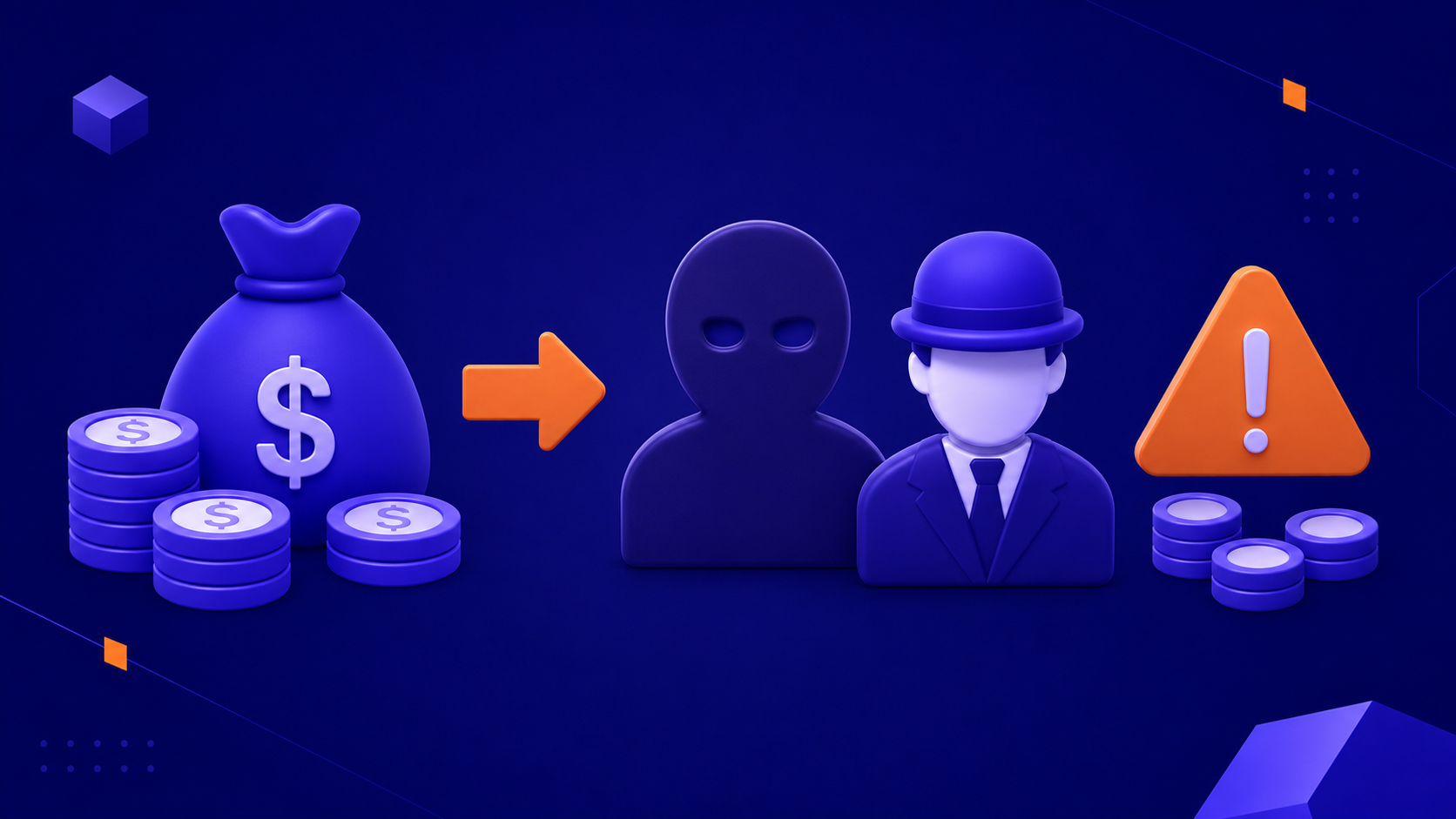
Stablecoin fraud is no longer a marginal risk. In one of the most high-profile crypto cases, Do Kwon, founder of Terraform Labs, orchestrated a scheme that led to an estimated $40 billion in losses, showing how quickly risk can scale in stablecoin environments.
For stablecoin platforms, this reflects a broader challenge.
Transactions move instantly, funds cross chains within minutes, and activity is often tied to pseudonymous wallets. Once suspicious flows are layered or bridged, detection and recovery become significantly harder.
As regulatory scrutiny increases, platforms are turning to specialized stablecoin fraud detection tools that combine on-chain analytics, behavioral monitoring, and real-time alerts.
In this guide, we compare the leading solutions and explain how teams evaluate them in practice.
At a glance:
- Stablecoin fraud detection tools analyze on-chain and off-chain signals to spot high-risk wallets, suspicious flows, and illicit activity in real time, strengthening compliance and reducing financial exposure.
- Fraud is hard to catch due to pseudonymous wallets, rapid cross-chain movement, high-speed layering, mixers, bots, and synthetic identities created during onboarding.
- Strong tools combine behavioral analytics, transaction flow monitoring, wallet risk scoring, sanctions checks, device intelligence, and cross-chain visibility to flag abnormal activity early.
- Platforms rely on solutions like AiPrise, Chainalysis, Elliptic, TRM Labs, Merkle Science, Unit21, and Solidus Labs for accurate monitoring and regulatory-grade risk insights.
- Teams improve detection by merging on-chain and identity data, automating real-time alerts, updating typologies, monitoring multiple chains, and regularly tuning detection models.
What Is a Stablecoin Fraud Detection Tool?
A stablecoin fraud detection tool monitors on-chain and off-chain activity to identify high-risk behavior in real time. It analyzes wallet patterns, transaction flows, identity signals, and network activity to flag unusual or suspicious movements before funds can be withdrawn or laundered.
These tools help platforms reduce fraud, meet compliance expectations, and maintain visibility across fast-moving stablecoin transactions.
A strong stablecoin fraud detection system typically combines blockchain analytics, transaction monitoring, behavioral analysis, sanctions screening, device intelligence, and automated case management.
Together, these components help teams detect high-risk wallets, prevent illicit transfers, and respond to threats across multiple chains and platforms.
What Makes Stablecoin Fraud Hard to Detect?
Stablecoin transactions move fast and operate across global, high-risk networks, making traditional fraud controls less effective. The combination of pseudonymous activity, rapid fund movement, and fragmented visibility creates gaps that criminals often exploit.
- Transaction Pseudonymity: Stablecoin activity is tied to wallet addresses instead of verified identities. Without strong off-chain checks, it becomes challenging to distinguish legitimate users from high-risk actors.
- Cross-Chain Movement: Fraudsters move funds across multiple chains to break traceability. Limited visibility across networks makes unusual activity harder to detect.
- Rapid Fund Layering: Stablecoins enable instant transfers across exchanges and wallets. Criminals use this speed to layer funds quickly before monitoring tools can react.
- High-Volume Automated Transfers: Bots can push thousands of transactions in a short period, making it difficult to identify abnormal patterns in real time.
- Mixers and Tumblers: Mixing services pool and redistribute funds, breaking the link between origin and destination. This disrupts risk scoring and obfuscates fund flows.
- Synthetic IDs and Fake Business Accounts During Onboarding: Fraud often starts before transactions occur. Attackers create synthetic identities or shell businesses to pass weak onboarding checks and transact without immediate detection.
These challenges compound each other, making stablecoin fraud harder to detect than traditional payment fraud.
Key Features To Look For in Stablecoin Fraud Detection Tools
.png)
Stablecoin fraud moves quickly and often spans multiple networks, so the right tool needs strong visibility, accurate scoring, and reliable real-time monitoring. The features below are essential for detecting high-risk activity early and supporting compliance teams.
Behavioral Analytics
Analyzes how wallets behave over time, including transaction speed, frequency, counterparties, and patterns. This helps identify unusual activity that does not match normal user behavior.
Transaction Pattern Monitoring
Reviews transaction flows to flag rapid movements, circular transfers, micro-transactions, and suspicious routing that may indicate laundering or wash activity.
Wallet Risk Scoring
Assigns scores to wallets based on historical behavior, counterparties, reputation data, and known associations with risky clusters or malicious actors.
Address Clustering
Groups related wallets to reveal networks of accounts controlled by the same entity. This helps detect coordinated fraud and multi-wallet laundering.
Chain-of-Activity Analysis
Tracks the full lifecycle of funds across wallets, exchanges, and chains. This provides insight into where assets originated, how they moved, and their risk level.
Sanctions and Watchlist Screening
Checks wallets and associated entities against sanctions lists, PEP databases, and adverse media to prevent prohibited transactions.
Device and IP Risk Signals
Combines on-chain data with off-chain device fingerprints, IP addresses, and login behavior to identify suspicious access patterns or account takeovers.
Cross-Chain Visibility
Provides monitoring across multiple blockchains to detect movement designed to obscure origin or reduce traceability.
Anomaly Detection Models
Uses machine learning to identify behavior that deviates from normal patterns, even when it does not match known fraud signatures.
Real-Time Alerts and Case Management
Delivers alerts as soon as suspicious activity occurs and provides workflows for reviewing, escalating, and documenting cases for compliance reporting.
Together, these capabilities define what effective stablecoin fraud detection looks like in practice. The next step is understanding which tools deliver these features reliably at scale.
Also read: Navigating KYC and Compliance Risk in the Stablecoin Space
8 Most Reliable Tools for Detecting Stablecoin Fraud
Stablecoin platforms rely on specialized tools to monitor wallet activity, trace fund movement, and identify high-risk behavior in real time. The tools below represent the most widely used solutions for detecting fraud across major chains.
Now let's take a closer look at each tool.
AiPrise

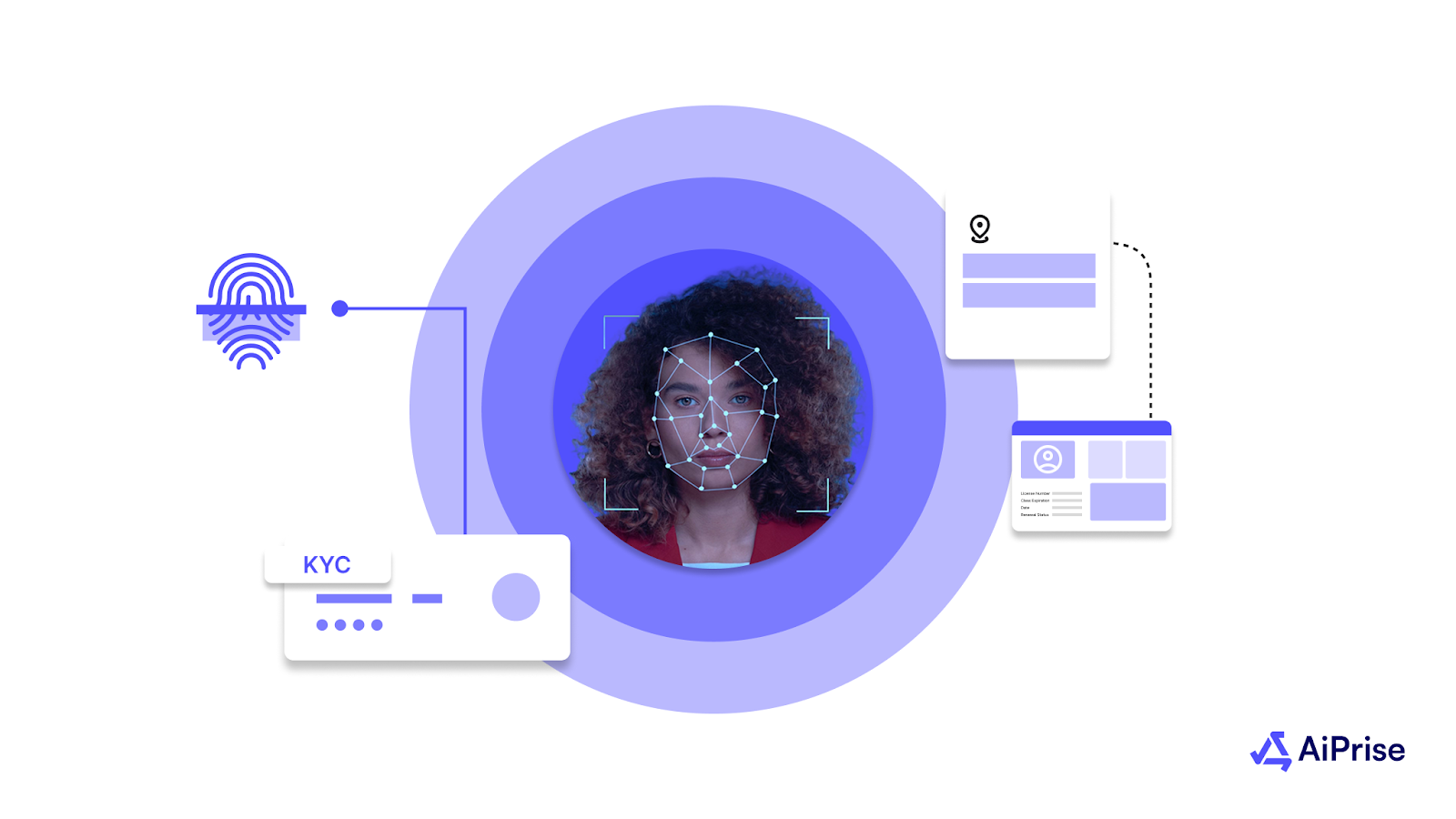
AiPrise provides real-time compliance and fraud prevention tools built for fast-moving stablecoin and crypto companies. It combines KYC, KYB, AML, liveness, document checks, and fraud signals into a single platform, helping teams reduce manual reviews and consolidate multiple vendors. With global coverage and strong identity assurance, AiPrise supports secure onboarding and continuous monitoring at scale.
Key features:
- Realtime Compliance: Automates identity and business verification across 200+ countries with built-in KYC, KYB, and AML checks.
- Advanced Fraud Detection: Cross-checks data from multiple sources to build a unified fraud profile and flag high-risk users.
- Deepfake and Liveness Checks: Detects spoofing attempts and verifies real user presence to prevent synthetic identity onboarding.
- 1:N Face Match: Identifies duplicate or repeat attempts by comparing new users against existing profiles.
- Continuous Monitoring: Tracks customers and businesses for ongoing risk, sanctions exposure, and fraud signals.
- Vendor Consolidation: Reduces cost and complexity by unifying document AI, watchlist screening, proof of address, device insights, TIN/SSN checks, and more under one platform.
Best suited for: Stablecoin issuers, crypto platforms, neobanks, and fintechs that need fast, automated onboarding with comprehensive fraud detection and ongoing compliance.
Chainalysis
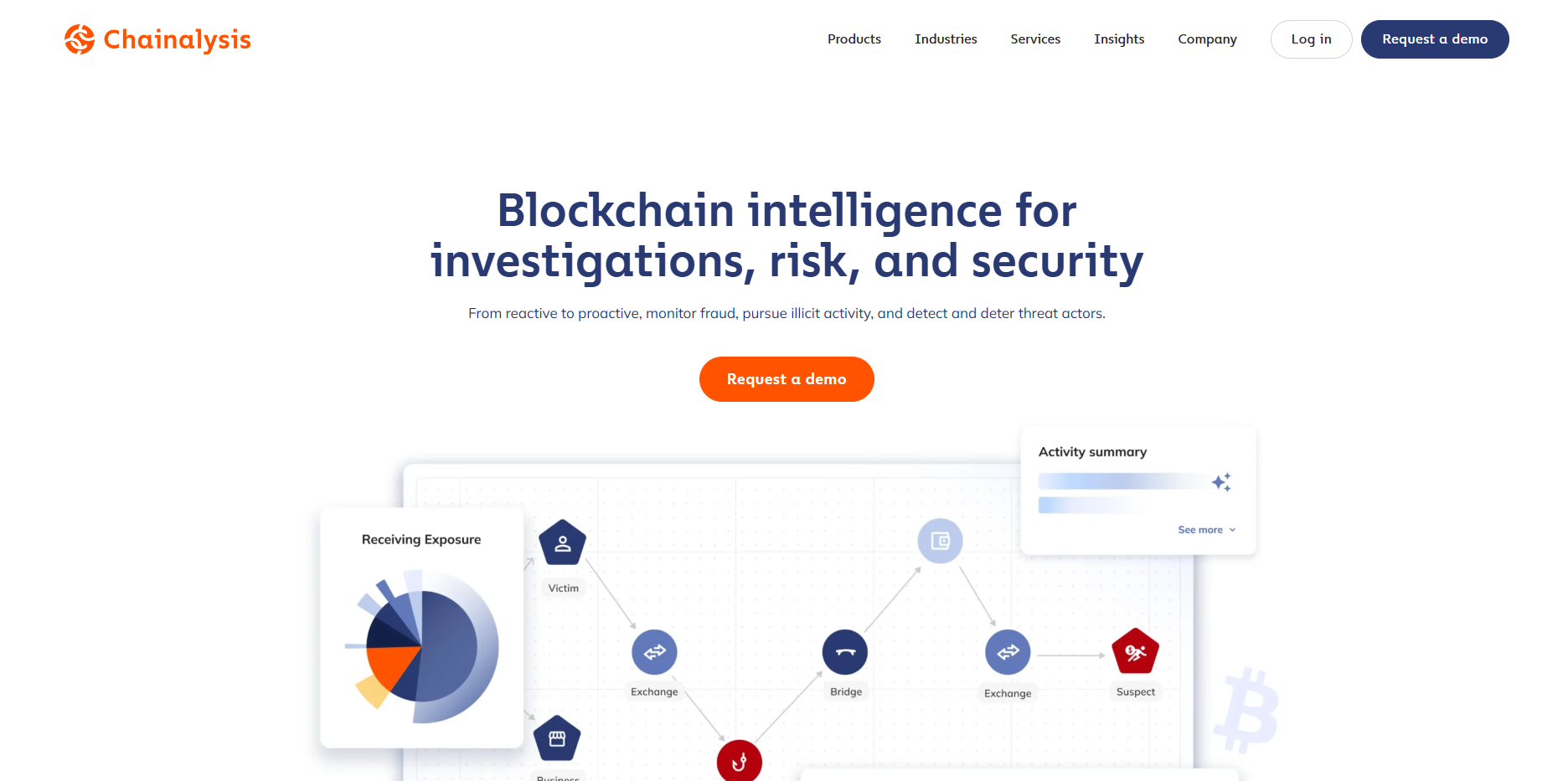
Chainalysis provides blockchain analytics and transaction monitoring used to detect high-risk activity across stablecoin networks. The platform maps wallet behavior, tracks illicit flows, and supports compliance teams with investigative tools and extensive address intelligence.
Key features:
- Wallet intelligence: Identifies known risky or illicit wallets.
- Transaction monitoring: Flags unusual or high-risk stablecoin movement.
- Graph analysis: Visualizes fund flows and links between wallets.
- Sanctions screening: Checks activity against global watchlists.
- Cross-chain tracing: Follows transfers across chains and bridges.
Best suited for: Exchanges and compliance teams that require detailed tracing and investigation capabilities.
Elliptic
Elliptic provides blockchain risk intelligence with strong coverage of stablecoins and major crypto assets. It focuses on wallet screening, illicit activity detection, and regulatory-grade risk insights for compliance teams.
Key features:
- Wallet screening: Scores wallets based on known risk exposure.
- Stablecoin flow tracking: Analyzes fund movements for suspicious patterns.
- Typology-based alerts: Detects activity linked to scams and laundering.
- Cross-asset monitoring: Covers stablecoins, tokens, and other assets.
- Behavior models: Identifies emerging risks based on wallet behavior.
Best suited for: Organizations needing compliance-focused analytics and strong intelligence on illicit networks.
TRM Labs
TRM Labs offers real-time blockchain monitoring and risk scoring across multiple stablecoin networks. The platform focuses on detecting suspicious patterns early through cross-chain visibility, dynamic scoring, and API-based alerts.
Key features:
- Dynamic risk scoring: Evaluates wallets based on behavior and exposure.
- Cross-chain analytics: Monitors movements across chains and bridges.
- Transaction alerts: Detects layering, structuring, and unusual flows.
- Watchlist screening: Screens wallets against sanctions and AML lists.
- Entity clustering: Groups related addresses into identifiable clusters.
Best suited for: Platforms needing fast, API-first monitoring with broad blockchain coverage.
Merkle Science
Merkle Science provides behavior-driven blockchain monitoring designed to detect suspicious stablecoin activity early. Its rule engine and multi-chain coverage help teams identify risky patterns before they escalate.
Key features:
- Behavioral risk engine: Surfaces emerging risks based on activity patterns.
- Wallet profiling: Builds behavioral profiles for ongoing assessment.
- Cross-chain monitoring: Tracks stablecoins across multiple networks.
- Typology libraries: Includes rules for scams, theft, and laundering.
- AML screening: Checks exposure to sanctioned and high-risk entities.
Best suited for: Crypto businesses needing flexible, behavior-based detection with customizable rules.
Unit21
Unit21 is a no-code risk and fraud platform used by crypto, fintech, and payments companies. It supports transaction monitoring, case management, and custom rule creation for stablecoin-related activity.
Key features:
- Custom rule engine: Allows teams to define and adjust fraud rules.
- Transaction monitoring: Reviews inflows and outflows for abnormal activity.
- Case management: Centralizes investigations in one dashboard.
- KYC/KYB integrations: Connects to identity and onboarding workflows.
- Alert prioritization: Helps teams focus on higher-risk issues.
- API and no-code setup: Flexible integration for various use cases.
Best suited for: Teams looking for flexible, configurable fraud and AML monitoring that works across stablecoins and traditional financial flows.
Scorechain

Scorechain offers blockchain analytics and AML monitoring for stablecoins and major crypto assets. It provides address risk scoring, transaction tracking, and compliance-focused reporting. The platform is often used by financial institutions that need clear visibility into wallet behavior and regulatory-aligned monitoring.
Key features:
- Risk scoring: Evaluates wallet risk based on exposure and past activity.
- Transaction analysis: Tracks stablecoin flows and flags unusual movement.
- Address clustering: Groups related wallets to uncover linked activity.
- AML screening: Checks exposure to sanctioned or high-risk entities.
- Custom risk rules: Lets teams apply their own compliance scenarios.
- Audit-ready reports: Generates documentation for regulators and internal reviews.
Best suited for: Banks, VASPs, and regulated entities that need structured analytics and clear compliance reporting.
Solidus Labs
Solidus Labs focuses on crypto-native market integrity and transaction monitoring. It offers tools for detecting wash trading, manipulation, and suspicious activity in stablecoin and token markets. Its focus is on real-time risk detection for trading and DeFi environments.
Key features:
- Market manipulation detection: Identifies wash trading, spoofing, and anomalies.
- Wallet risk scoring: Scores counterparties based on past behavior.
- Stablecoin monitoring: Flags unusual flows and high-risk patterns.
- DeFi transaction insights: Monitors smart contract interactions.
- Real-time alerting: Delivers alerts to compliance and risk teams.
Best suited for: Exchanges, trading platforms, and DeFi services looking to monitor manipulation and maintain market integrity.
These tools provide the foundation for detecting stablecoin fraud, but results depend on how well they are deployed and maintained. Effective detection requires the right processes, tuning, and coordination across teams.
Also read: How to Navigate KYB for Stablecoin Companies: Essential Tips and Basics
Best Practices for Implementing Stablecoin Fraud Detection
.png)
Effective fraud detection depends on both strong tooling and the way it is deployed. The practices below help teams improve accuracy, reduce false positives, and maintain reliable monitoring across stablecoin activity.
Combine On-Chain and Off-Chain Signals
On-chain data alone cannot identify account-level risks. Pairing blockchain analytics with identity checks, device intelligence, and behavioral signals provides a more complete view of user and wallet activity.
Monitor Activity Across Multiple Chains
Stablecoin movement often spans several networks. Use tools that support multi-chain visibility to detect attempts to obscure origin, break traceability, or layer funds across bridges.
Apply Risk-Based Rules and Scoring
Different users and transaction types carry different levels of risk. Risk-based scoring helps prioritize alerts and allocate review resources effectively.
Automate Real-Time Alerts
Fraud moves fast in stablecoin environments. Automated alerts allow teams to intervene quickly, reducing the chance of funds leaving the ecosystem before review.
Maintain Up-to-Date Typologies
Fraud patterns evolve as new stablecoin products and protocols emerge. Regularly updating typologies ensures monitoring rules reflect current threats.
Integrate Case Management Into Workflows
A structured case review process helps teams handle alerts efficiently, track decisions, and maintain audit trails for compliance.
Test and Refine Detection Models Regularly
Performance should be assessed on an ongoing basis. Reviewing false positives, false negatives, and rule effectiveness helps improve accuracy over time.
Coordinate With Compliance and Security Teams
Fraud detection is more effective when teams share intelligence. Aligning monitoring, compliance, and security ensures threats are addressed consistently.
Wrapping Up
Stablecoin fraud moves quickly, and effective detection requires the right mix of on-chain analytics, real-time monitoring, and structured review workflows. The tools in this comparison help teams identify risky wallets, track cross-chain activity, and respond to suspicious movement before it escalates. When paired with strong onboarding controls, platforms can significantly reduce exposure and maintain safer transaction environments.
AiPrise strengthens the early stages of fraud prevention by improving identity assurance before users transact. With global KYC/KYB, liveness detection, document checks, watchlist screening, and case management, AiPrise helps ensure only verified, low-risk users enter your ecosystem.
Book A Demo to explore how AiPrise supports secure and compliant onboarding.
FAQs
Q. What is stablecoin fraud detection?
Stablecoin fraud detection refers to monitoring wallet activity, transaction patterns, and cross-chain movements to identify suspicious behavior. It helps teams detect laundering, scams, illicit flows, and high-risk wallets in real time.
Q. How do stablecoin fraud detection tools work?
These tools analyze on-chain data, behavioral signals, risk scores, sanctions information, and wallet relationships. They trace fund flows across chains, identify unusual patterns, and generate alerts for review.
Q. Do stablecoins make fraud easier?
Stablecoins move quickly across networks and can be transferred through multiple chains, mixers, and wallets. This speed and pseudonymity can create challenges for traditional fraud controls.
Q. Can stablecoin fraud detection tools help with AML compliance?
Yes. These tools support AML programs by screening wallets, tracking the source of funds, monitoring suspicious activity, and generating audit-ready reports for compliance teams.
You might want to read these...


AiPrise
KYB Compliance: 2026 Regulations You Should Know About
As organizations expand globally and face tighter regulations, adherence to Know Your Business (KYB) standards has become one of the most critical compliance layers for fintech, online marketplaces, and other companies that need to verify business customers before letting them perform financial transactions.










.png)

.jpg)














.png)








.png)
.png)
.png)













.png)
.png)




AiPrise’s data coverage and AI agents were the deciding factors for us. They’ve made our onboarding 80% faster. It is also a very intuitive platform.

Head of Operations



See your full compliance picture in one place
Use AI agents and global data to review businesses and users faster and more accurately
