

AiPrise
5 min read
March 17, 2025
Navigating KYC and Compliance Risk in the Stablecoin Space

Key Takeaways

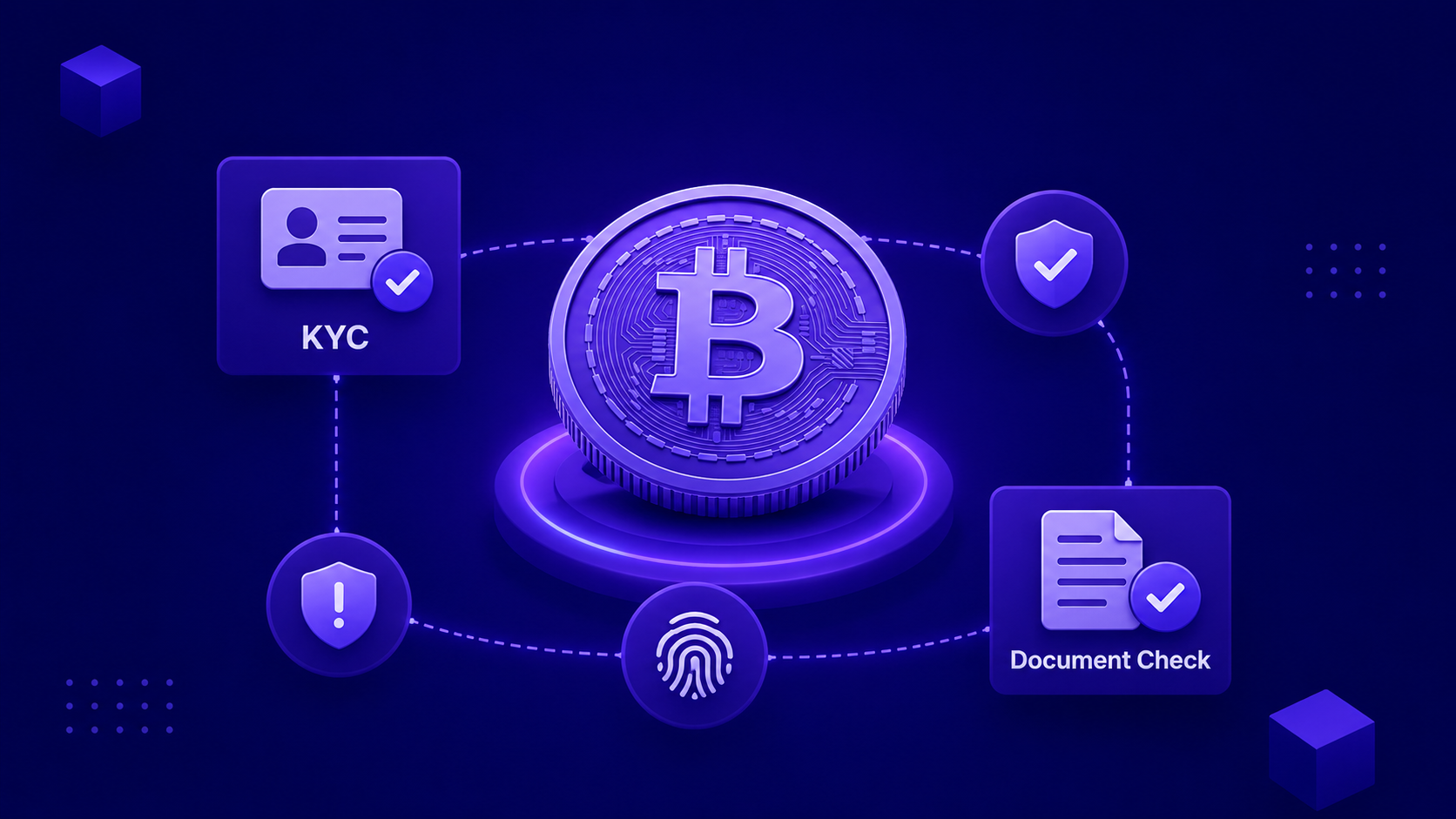
Stablecoins have emerged as a reliable method for conducting secure transactions within the blockchain ecosystem. These digital assets, pegged to stable currencies or commodities, offer the benefits of cryptocurrencies while minimizing volatility. However, with their growing popularity comes the need for robust compliance measures, particularly in Know Your Customer (KYC) protocols. KYC is crucial in ensuring that stablecoin transactions remain compliant with regulatory standards and free from illicit activities.
As the stablecoin market expands, new risks in KYC compliance have surfaced, challenging issuers and users to adapt to evolving regulatory landscapes. This blog post will delve into the intricacies of KYC compliance within the stablecoin ecosystem, exploring its importance, associated risks, and strategies for effective implementation.
Introduction to KYC and Compliance in Stablecoins
KYC, or Know Your Customer, is a fundamental process that financial institutions use to verify the identity of their clients. This procedure is especially vital in stablecoins—cryptocurrencies designed to maintain a stable value by pegging them to fiat currencies or other assets.
Here are some key points on KYC and stablecoins:
1. Stablecoins as Vehicles for Secure Transactions in Blockchain
Stablecoins are digital currencies designed to maintain a stable value by pegging them to traditional assets, such as fiat currencies or commodities. This stability is essential in the volatile cryptocurrency market, where prices fluctuate dramatically. By providing a reliable means of conducting transactions within blockchain ecosystems, stablecoins minimize volatility and enhance liquidity, making them an attractive option for individual users and businesses.
Additionally, stablecoins bridge the gap between traditional finance and cryptocurrency, allowing users to hold digital assets while enjoying the stability of fiat currencies. This duality makes stablecoins appealing for those navigating digital finance complexities while minimizing exposure to market fluctuations. Their ability to facilitate seamless peer-to-peer transactions contributes to a more efficient financial ecosystem.
2. Role of Know Your Customer (KYC) in Stablecoin Compliance
KYC processes are vital for verifying users' identities and confirming their legitimacy within financial institutions and cryptocurrency platforms. In stablecoins, KYC is crucial for preventing fraud and ensuring compliance with regulatory standards. Implementing these measures helps mitigate risks associated with illicit activities, creating a secure environment for legitimate transactions.
Moreover, robust KYC compliance fosters trust among users. When individuals know that a platform adheres to strict verification processes, they are more likely to engage confidently. This trust is essential for promoting the broader adoption of stablecoins and ensuring their growth within the financial ecosystem, especially as regulatory scrutiny increases.
3. Emerging Risks in KYC Compliance Within the Stablecoin Ecosystem
As the stablecoin ecosystem evolves, new risks challenge existing KYC protocols. One significant risk is the potential for regulatory changes that could affect how KYC processes are implemented. Businesses must stay informed about evolving regulations to ensure compliance, as failure to adapt could result in penalties or loss of operational licenses.
Technological vulnerabilities also pose a pressing concern. As platforms rely on digital solutions for identity verification, they become susceptible to cyberattacks and data breaches. Protecting sensitive customer information during the KYC process is critical; any compromise could lead to reputational damage and loss of user trust. Organizations must continuously assess their security measures and adapt KYC strategies to mitigate these emerging risks effectively.
Understanding these risks is crucial for developing effective compliance strategies.
Stablecoins and KYC: A Detailed Overview
Stablecoins represent a unique intersection of blockchain technology and traditional finance, necessitating a tailored approach to KYC procedures. Unlike traditional cryptocurrencies, stablecoins are designed to maintain a stable value, often pegged to a fiat currency or other assets.
This stability makes stablecoins attractive for various financial transactions but also increases the need for robust KYC measures. Stablecoin issuers and exchanges must implement comprehensive KYC procedures to comply with regulatory requirements and mitigate risks.
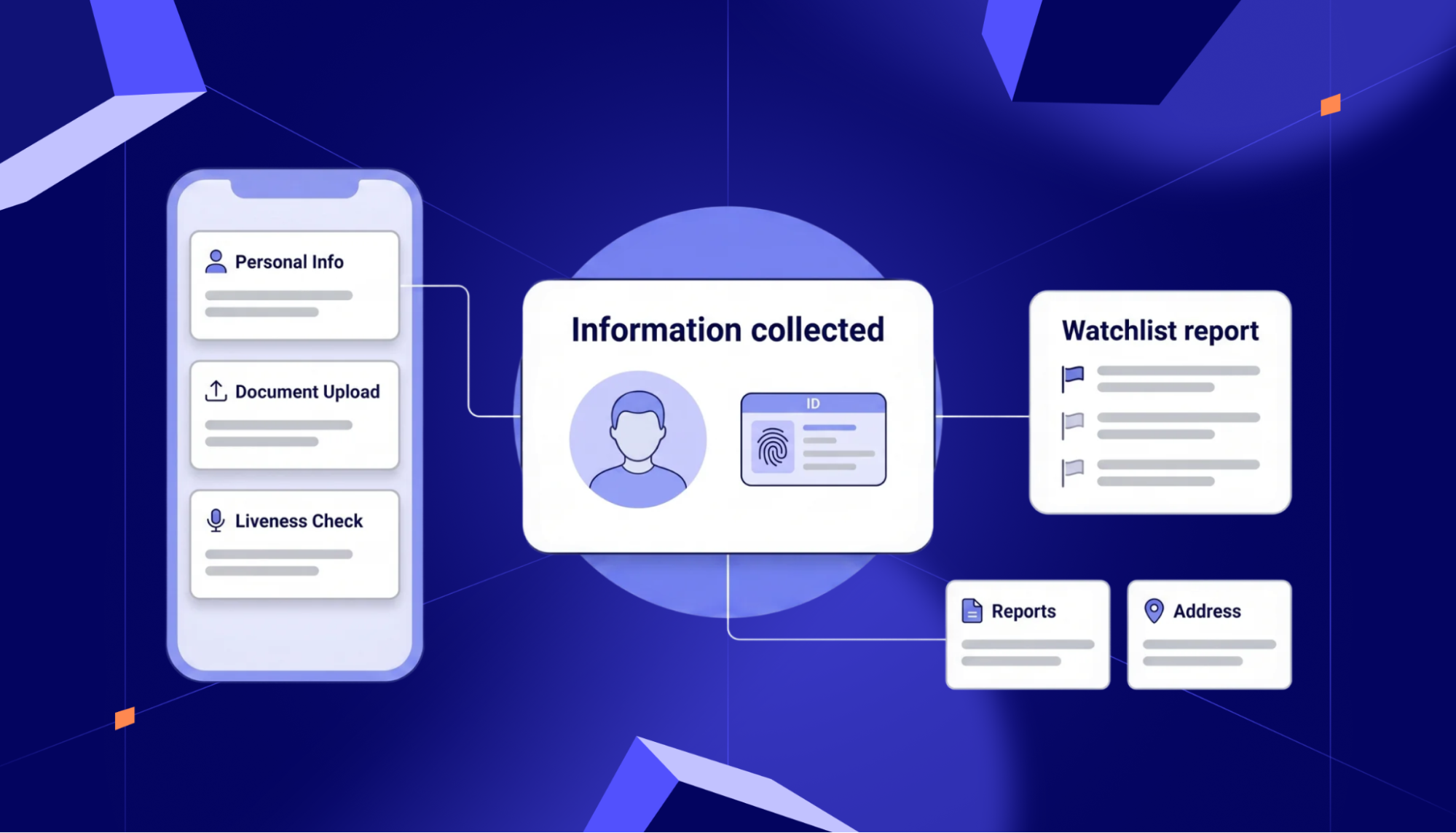
Typical KYC processes for stablecoins include:
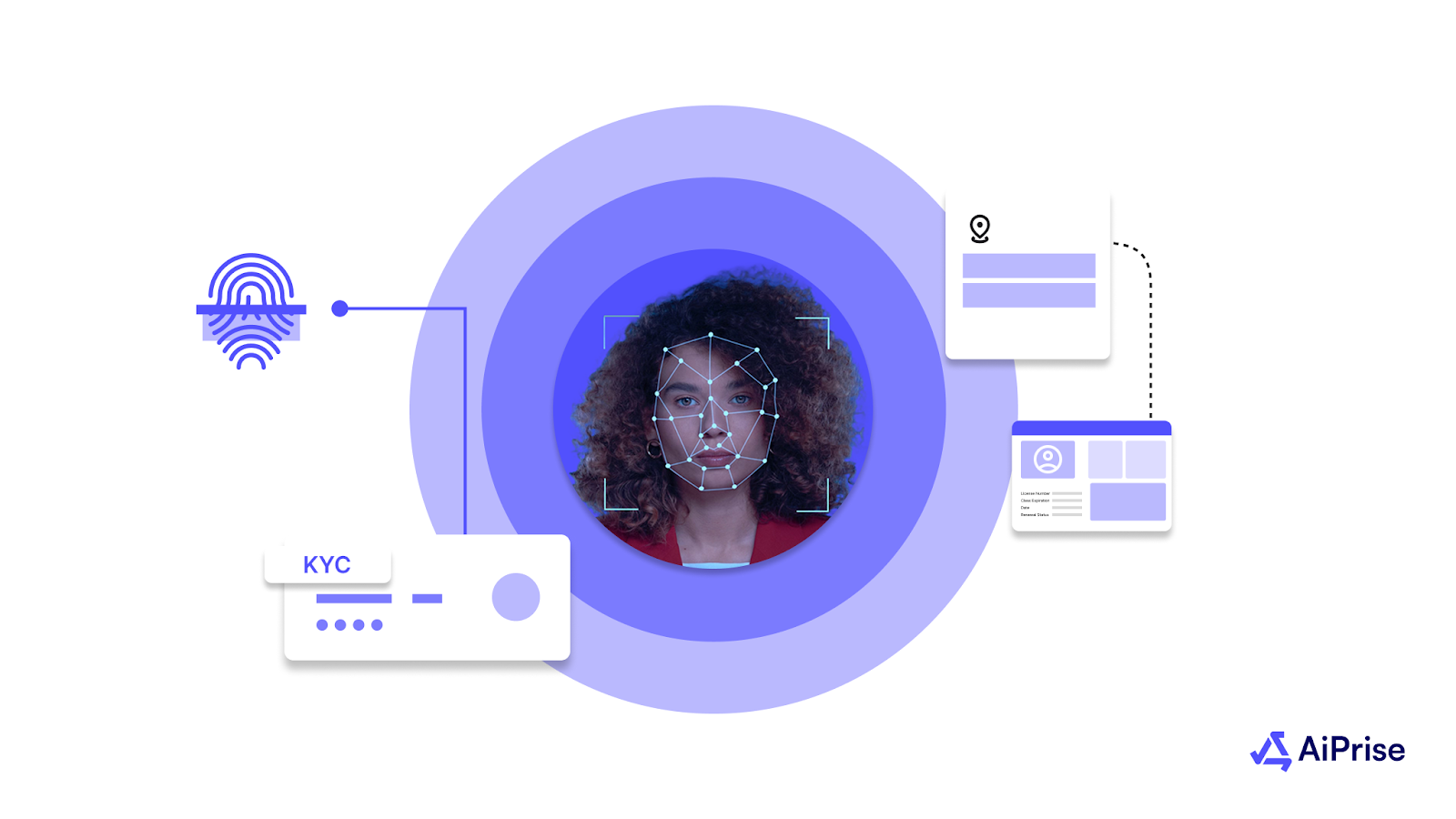
- Collecting basic user information (name, date of birth, address)
- Verifying identity through government-issued documents
- Assessing the user's risk profile
- Ongoing monitoring of transactions
By implementing these measures, you can ensure that your stablecoin operations remain compliant with regulatory standards while protecting the financial system's integrity.
Key KYC Risks in the Stablecoin Sector
The stablecoin sector faces several KYC-related risks that can undermine compliance efforts. Identifying these risks is crucial for developing effective mitigation strategies.
Notable Risks Include:
- Pseudonymous transactions: The blockchain's inherent pseudonymity can make tracking and verifying user identities challenging.
- Cross-border transactions: Stablecoins enable easy international transfers, potentially complicating KYC procedures across different jurisdictions.
- Rapid transaction speeds: The quick nature of stablecoin transactions can make it difficult to conduct thorough KYC checks in real time.
- Integration with decentralized finance (DeFi) platforms: Many DeFi protocols use stablecoins, creating additional compliance challenges.
Suggested read: Money Laundering Techniques And Prevention Methods: Definition And Examples
Addressing these risks requires a comprehensive approach to KYC that balances regulatory compliance with user privacy and transaction efficiency. By implementing robust KYC measures, you can mitigate these risks and ensure the long-term viability of your stablecoin operations.
AiPrise offers cutting-edge KYC solutions tailored specifically for the stablecoin sector. Our advanced technology can help you address these unique risks effectively.
KYC and AML Requirements for Stablecoin Compliance
Stablecoin issuers and exchanges must adhere to specific KYC and Anti-Money Laundering (AML) requirements to operate within regulatory frameworks. These requirements aim to prevent financial crimes and ensure the integrity of the stablecoin ecosystem.
Key KYC and AML requirements for stablecoin compliance include:
- Customer Due Diligence (CDD): Verify the identity of users and assess their risk profiles.
- Enhanced Due Diligence (EDD): Conducting more in-depth checks for high-risk customers or transactions.
- Transaction monitoring: Implementing systems to detect and report suspicious activities.
- Record-keeping: Maintaining accurate and up-to-date records of customer information and transactions.
- Reporting: Submitting Suspicious Activity Reports (SARs) to relevant authorities when necessary.
By meeting these requirements, you can ensure that your stablecoin operations remain compliant with regulatory standards and contribute to a safer financial ecosystem.
Challenges in Implementing KYC for Stablecoins
While KYC is essential for stablecoin compliance, implementing these procedures in the blockchain environment presents unique challenges. Understanding these obstacles is crucial for developing effective KYC strategies.
Some of the main challenges in implementing KYC for stablecoins include:
- Balancing privacy and compliance: Maintaining user privacy while meeting regulatory requirements can be difficult.
- Scalability: As stablecoin adoption grows, KYC processes must be able to handle increasing volumes of users and transactions.
- Technological integration: Implementing KYC solutions seamlessly integrating with blockchain technology can be complex.
- Cross-border compliance: Navigating different regulatory requirements across jurisdictions can be challenging for global stablecoin operations.
Overcoming these challenges requires innovative solutions and a deep understanding of blockchain technology and regulatory requirements. By addressing these issues head-on, you can create a robust KYC framework that supports your stablecoin operations.
AiPrise's advanced KYC solutions are designed to address these challenges effectively. Our technology seamlessly integrates with your existing systems, ensuring smooth and compliant operations. Book a demo today to discover how we can help you overcome KYC implementation hurdles.
Mitigation Strategies for KYC Compliance Risk
To effectively manage KYC compliance risk within your organization, consider implementing these strategies:
- Invest in Technology Solutions: Utilize advanced identity verification tools that streamline processes.
- Regular Training Programs: Ensure staff are well-informed about compliance requirements and best practices.
- Continuous Risk Assessment: Regularly evaluate your KYC procedures to identify areas for improvement.
Adopting these strategies can enhance your organization's resilience against compliance risks while ensuring a seamless user experience. Moving on, let's discuss the vital role of compliance officers in overseeing these processes.
Role of Compliance Officers in Stablecoin KYC
Compliance officers play an essential role in managing KYC processes within stablecoin operations. Their responsibilities typically include:
- Policy Development: Establishing comprehensive policies that align with regulatory requirements.
- Oversight and Monitoring: Ensuring ongoing adherence to established procedures and standards.
- Training and Support: Providing training resources to staff regarding compliance protocols.
The expertise of compliance officers is crucial in navigating the complexities of regulatory landscapes while maintaining operational integrity.
Conclusion
The importance of robust KYC and compliance measures cannot be overstated as the stablecoin sector continues to evolve. You've seen how stablecoins bridge the gap between traditional finance and blockchain technology, bringing unique challenges and opportunities in compliance.
By understanding the key risks, requirements, and challenges associated with KYC in the stablecoin space, you're better equipped to develop effective strategies for mitigating compliance risks. Keep in mind that a proactive approach to KYC helps you meet regulatory requirements and builds trust with users and stakeholders, contributing to the long-term success of your stablecoin operations.
To enhance your KYC processes and ensure stablecoin compliance, consider partnering with experts who understand the complexities of this rapidly evolving field. AiPrise offers cutting-edge KYC solutions tailored specifically for the stablecoin sector. Our advanced technology and deep industry expertise can help you stay ahead of regulatory challenges and build a robust compliance framework.
Don't let KYC complexities hold back your stablecoin initiatives. Book your demo with AiPrise today to discover how our innovative solutions can streamline your compliance efforts and support your business growth in the dynamic world of stablecoins.
You might want to read these...






AiPrise
6 min read
KYB Compliance: 2026 Regulations You Should Know About
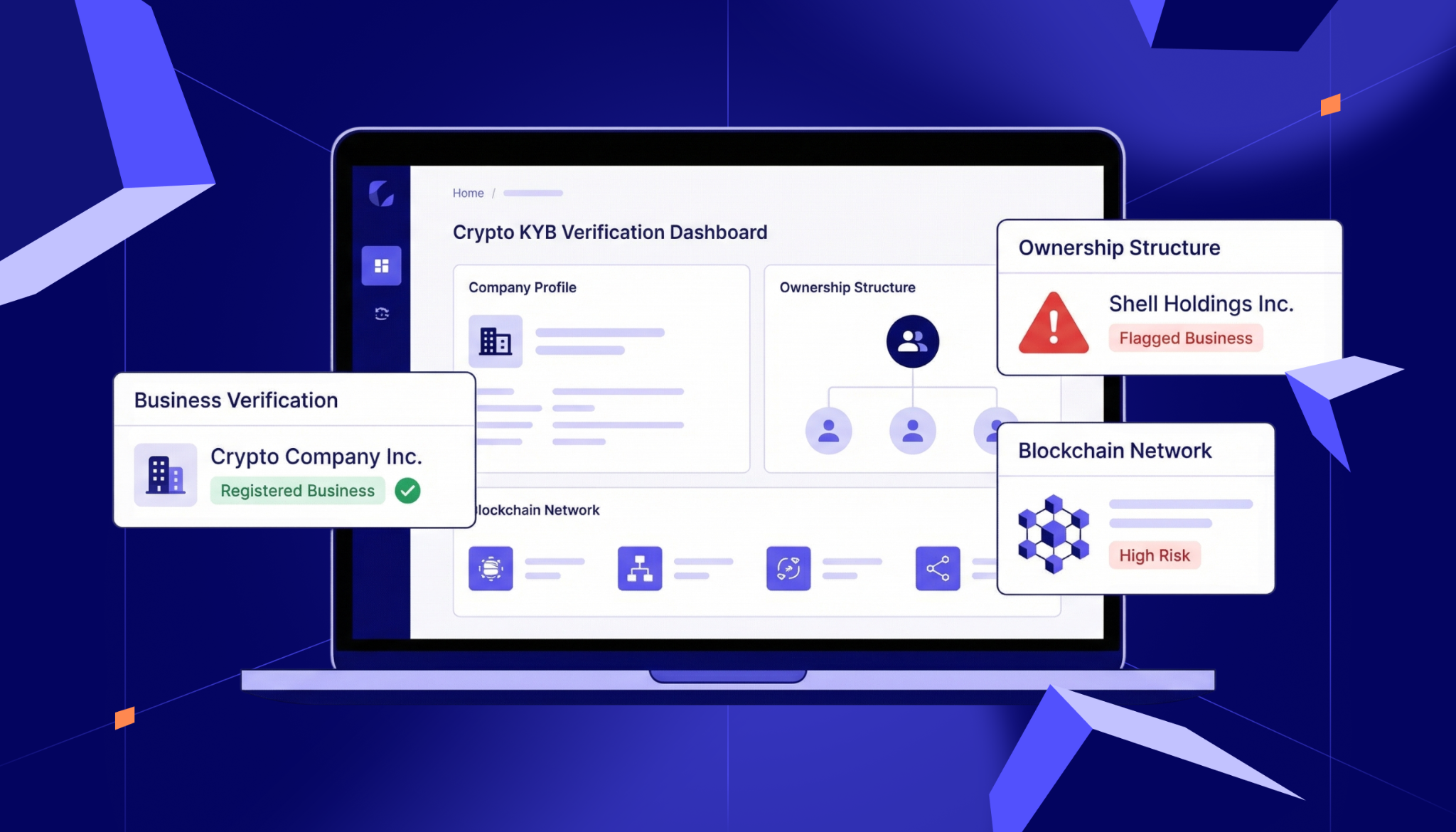
As organizations expand globally and face tighter regulations, adherence to Know Your Business (KYB) standards has become one of the most critical compliance layers for fintech, online marketplaces, and other companies that need to verify business customers before letting them perform financial transactions.










.png)

.jpg)
















.png)







.png)
.png)
.png)














AiPrise’s data coverage and AI agents were the deciding factors for us. They’ve made our onboarding 80% faster. It is also a very intuitive platform.

Head of Operations



See your full compliance picture in one place
Use AI agents and global data to review businesses and users faster and more accurately
