

7 min read
October 28, 2026
Best Persona Alternatives (2026)
Key Takeaways

Persona is a genuinely flexible identity toolkit, and teams with engineering capacity and product-led onboarding often love it.
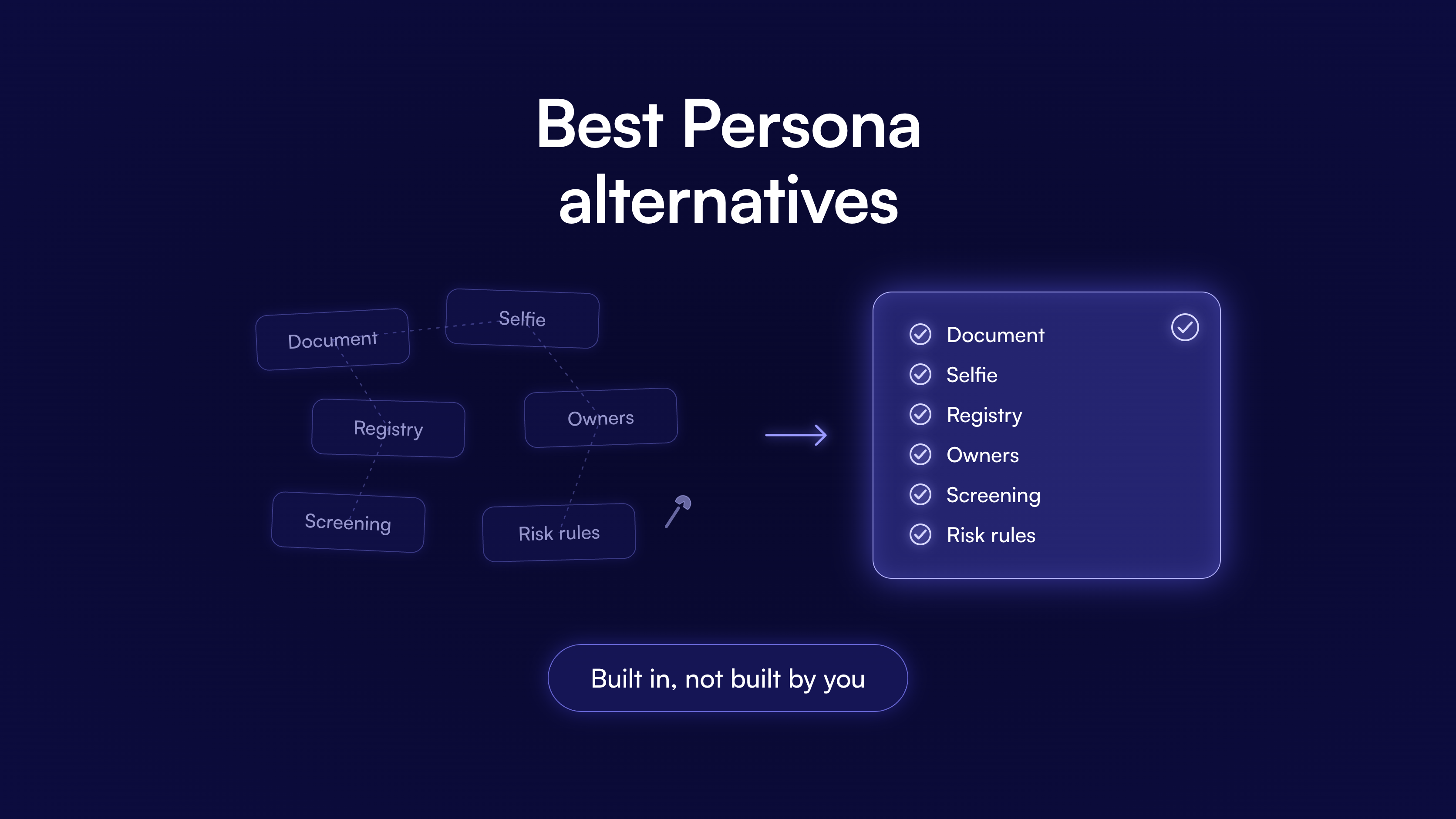
Teams look for alternatives when they want KYB depth and global coverage out of the box, not a set of blocks to assemble and maintain.
The trade-off is control versus completeness: Persona gives you the former, full-lifecycle platforms give you the latter.
Five platforms lead the field in 2026, compared below with an honest consideration for each, including ours.
Test alternatives on the markets and entity types you actually onboard.
Why Teams Look Beyond Persona
Persona's model is composable: building blocks for identity and business verification that product teams assemble into exactly the flow they want, with excellent developer ergonomics. That is a real strength, and for product-led companies with engineers on the onboarding problem it works. Evaluations usually start for one of three reasons.
The blocks need assembling, and someone has to maintain them. Every market, entity type and policy change is a configuration your team owns. As markets multiply, so does the maintenance.
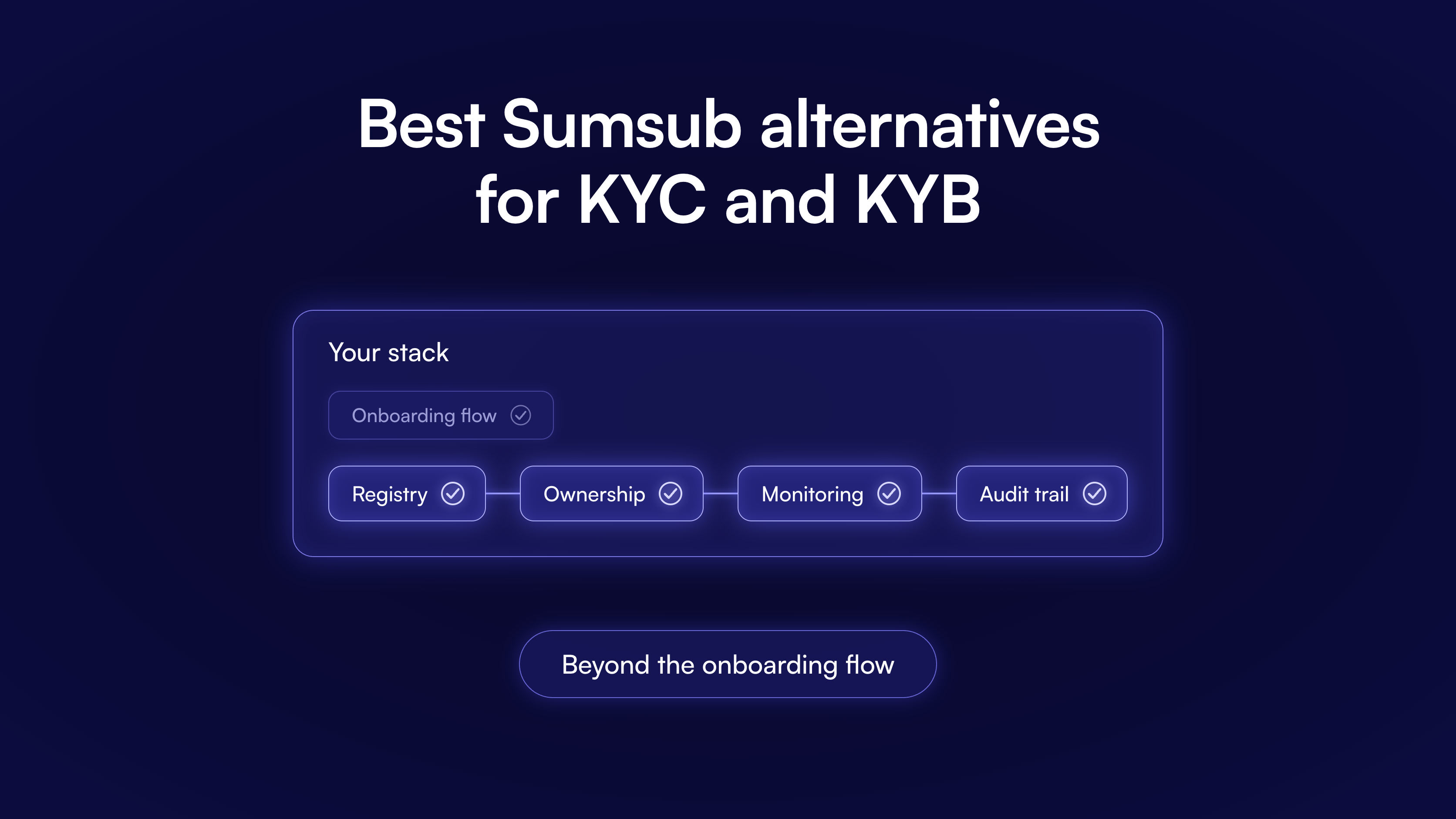
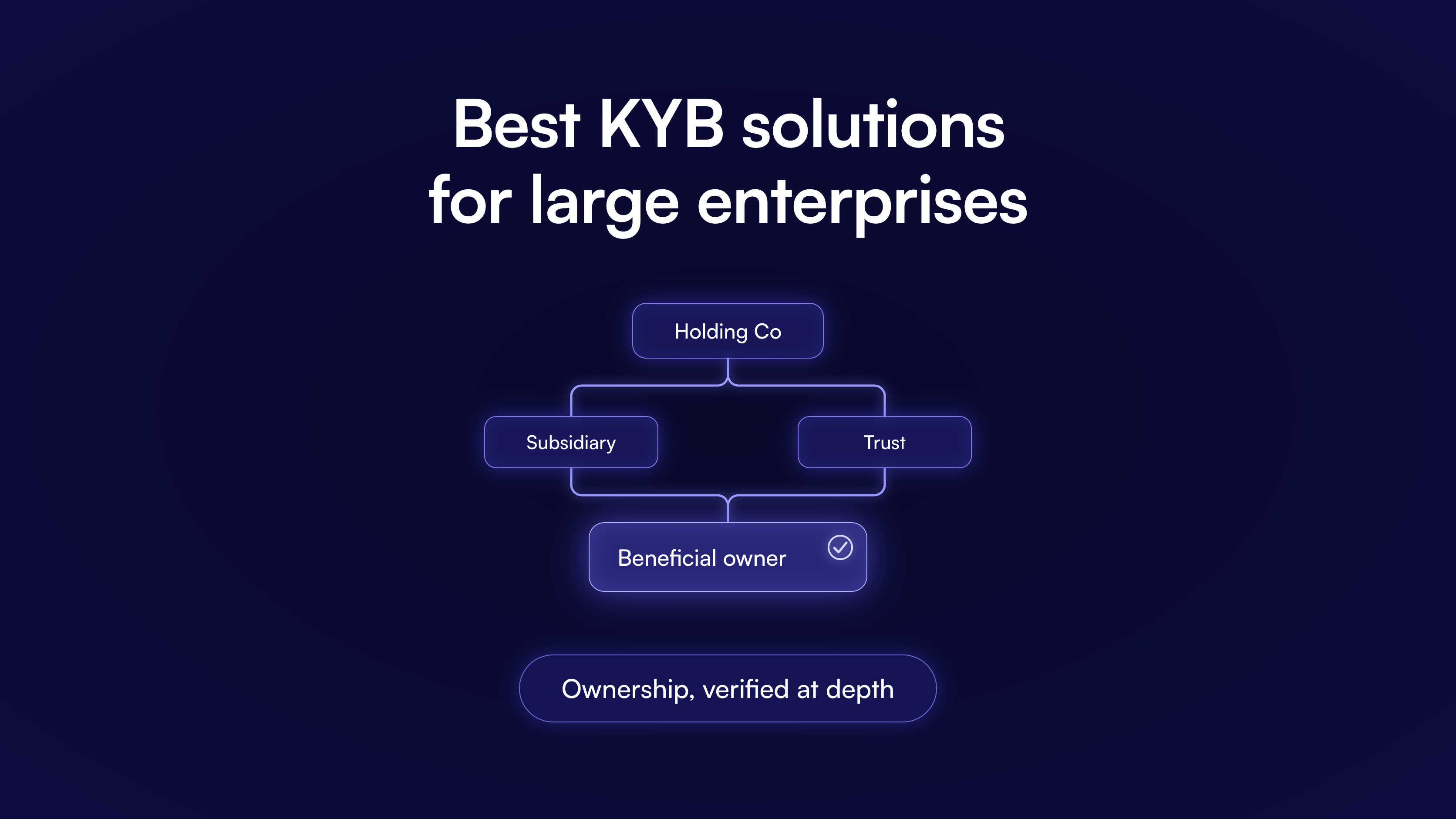
KYB depth is not a configuration. Constructing ownership across layers and jurisdictions, verifying against registries that differ by country, handling sole proprietors and multinationals in the same program: these are capabilities a platform has or does not, and configuring around their absence is expensive.
The compliance team wants the platform, not the toolkit. Compliance leaders want risk scoring, review queues, audit trails and monitoring that exist on day one and hold up in an examination, without an engineering ticket in the path.
What to Look For in a Persona Alternative
- Verification that works out of the box in your markets. Direct registry connections and country-native flows, not blocks you configure per country.
- KYB depth. Ownership construction, the control prong, screening across the whole chain. Our guides for enterprises and sole proprietors show how different the two ends are.
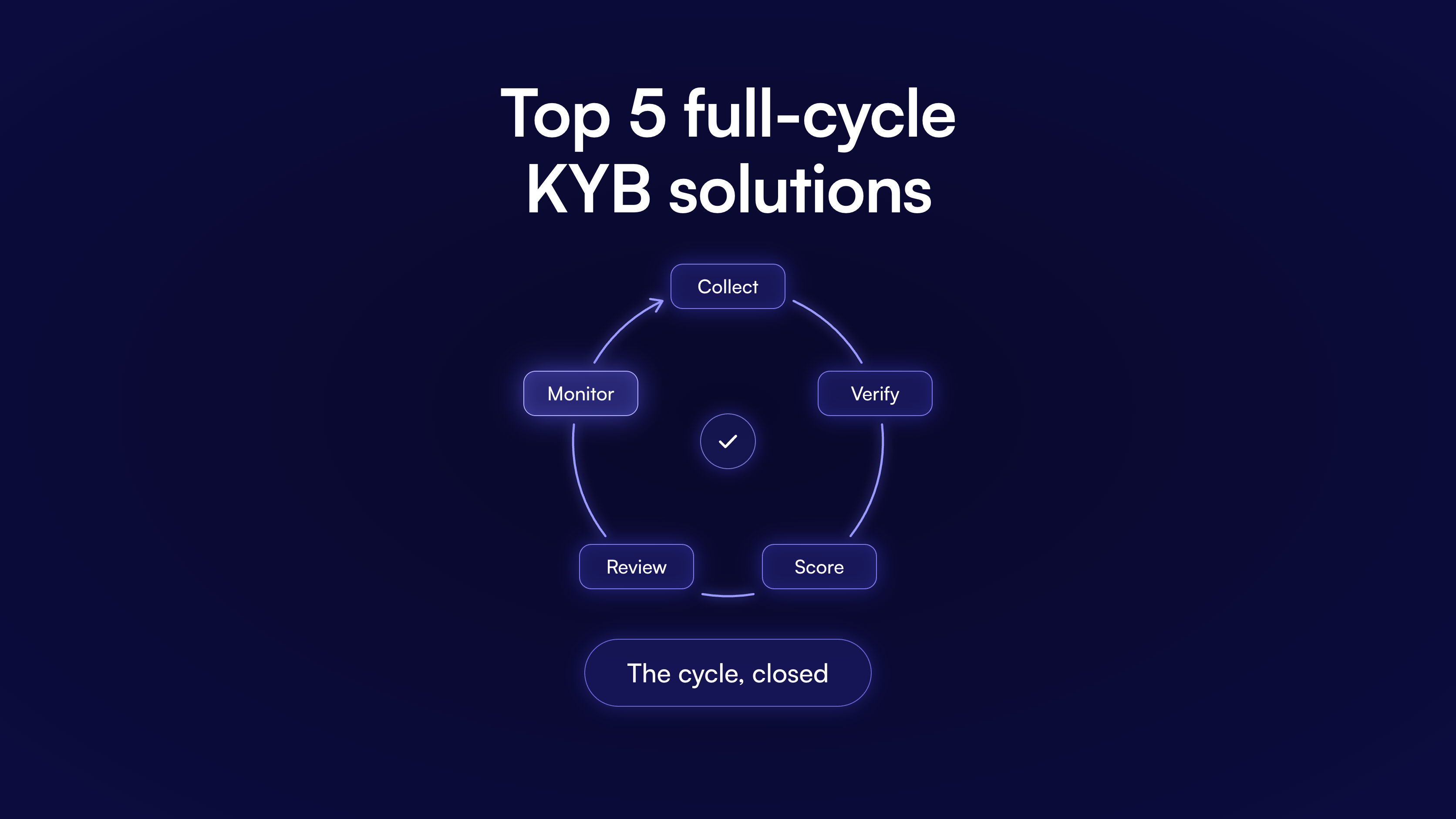
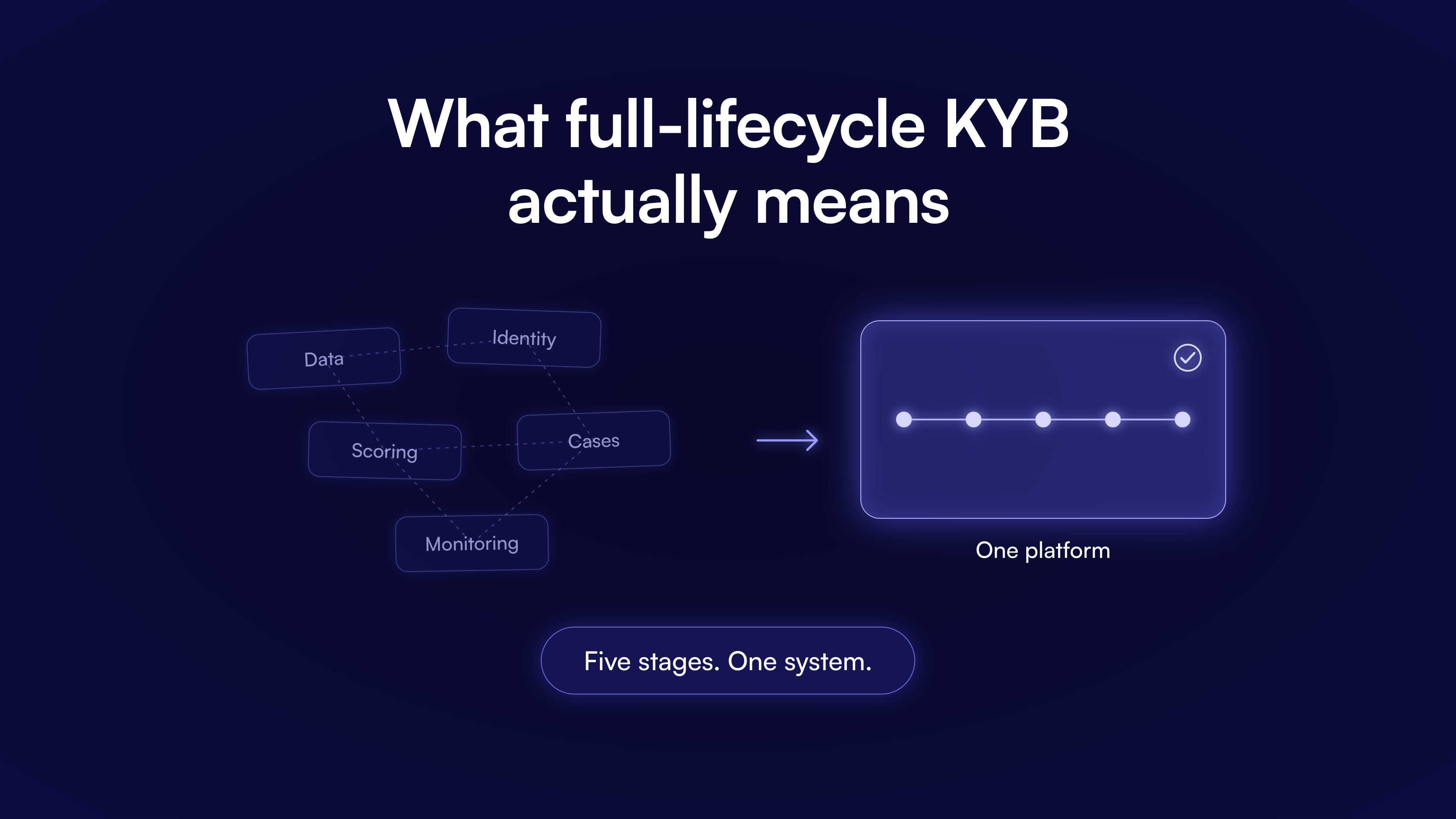
- Full-lifecycle coverage. Scoring, review and monitoring that exist as product, not as integrations you own.
- Explainable automation. First-pass AI with written reasoning.
- Developer experience that still respects the compliance team. One API, one dashboard, and policy changes that are configuration rather than code.
The Best Persona Alternatives
| Provider | Known for | Best for |
|---|---|---|
| AiPrise | Full-lifecycle KYB and KYC across 200+ countries with AI agents | Teams that want depth and coverage out of the box, with the compliance team in control |
| Sumsub | All-in-one KYC, KYB and AML flows | Crypto companies standardizing global onboarding in one dashboard |
| Trulioo | Global identity and business data aggregation | Enterprises building their own workflow on broad data |
| Jumio | Document and biometric identity verification at scale | Identity-first programs pairing IDV with a separate KYB layer |
| Alloy | Identity risk orchestration across data vendors | Financial institutions orchestrating several data sources into one decision engine |
1. AiPrise
AiPrise is the AI-powered global compliance platform: KYB, KYC, AML screening and AI agents in a single API and dashboard, covering 200+ countries with 100+ data sources and 800+ business data points per entity. Three things make it the strongest alternative for teams whose evaluation started with the reasons above.
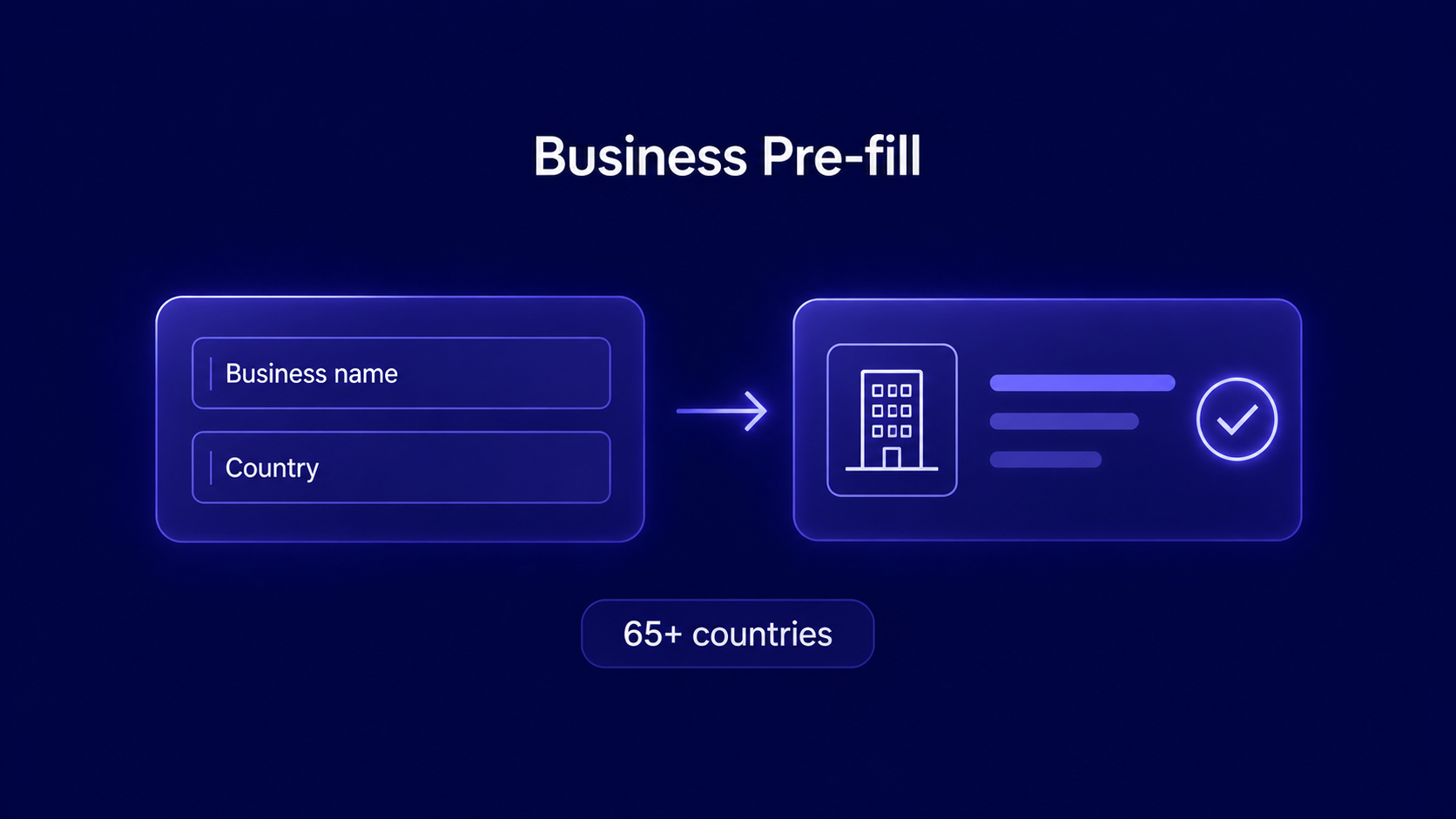
Depth and coverage are product, not configuration. Country-native onboarding flows, registry-first verification, ownership construction and screening across the chain exist on day one, in every market the platform covers. Entering a new country is a setting, not a build.
The compliance team owns the controls. Risk rules, thresholds, workflows and policy changes are configured by compliance in the dashboard, with the API there for embedding. Engineering integrates once.
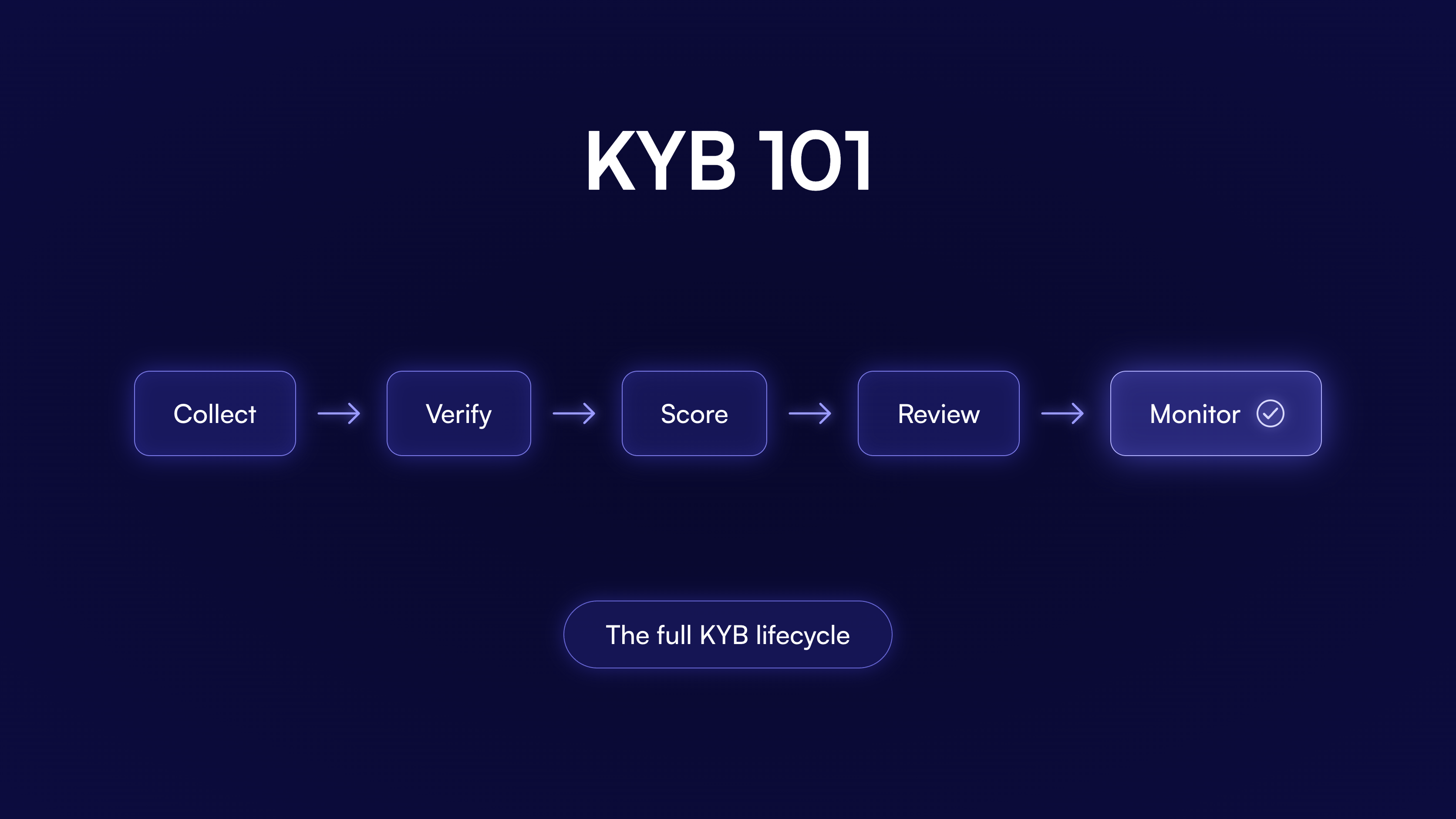
The lifecycle is one system. Collection through continuous monitoring, one record, one audit trail, with AI agents doing the first pass and writing their reasoning. Customers automate up to 80% of verification workflows. Grey, a cross-border fintech, doubled its user approvals with AiPrise.
2. Sumsub
Sumsub packages KYC, KYB and AML into configurable flows with a single dashboard, a common choice for crypto companies standardizing global onboarding. The consideration: breadth is the product, so KYB depth and the later lifecycle stages deserve close inspection.
3. Trulioo
Trulioo aggregates identity and business data across a very broad footprint, useful raw material for a global program. The consideration: it is a data layer, so workflow, decisioning and monitoring are yours to build.
4. Jumio
Jumio is a long-established leader in document and biometric identity verification at high volume. The consideration: it is identity-first, so business verification and the lifecycle around it come from somewhere else.
5. Alloy
Alloy orchestrates identity and risk decisions across data vendors you contract with separately. The consideration: it coordinates a stack you still own, and the total cost includes the underlying vendors.
When Persona Is Still the Right Choice
If your onboarding is product-led, your engineers want to own the flow, and your markets and entity types are few and stable, Persona's toolkit is a good fit. The evaluation is worth running when markets multiply, KYB depth becomes the job, or the compliance team wants controls that do not route through engineering.
How to Run the Evaluation
Bring the three markets you plan to enter next and the two entity types you onboard most. Measure what works on day one without configuration, what the compliance team can change without a ticket, and what the audit trail looks like after a decision.
Frequently Asked Questions
Is Persona a KYB platform?
Persona offers business verification blocks alongside its identity products. Teams whose main job is KYB should test depth specifically: ownership construction, registry coverage, entity-type handling.
What does "out of the box" actually mean?
That verification works in a market or for an entity type without your team configuring and validating it first. It is the difference between enabling a country and building one.
Can a full-lifecycle platform still be embedded in our product?
Yes. The distinction is where the logic lives: in the platform, configured by compliance, with the API embedding the experience, rather than in your codebase.
See AiPrise on Your Own Cases
Book a demo and bring your next three markets.
You might want to read these...





AiPrise
6 min read
KYB Compliance: 2026 Regulations You Should Know About
As organizations expand globally and face tighter regulations, adherence to Know Your Business (KYB) standards has become one of the most critical compliance layers for fintech, online marketplaces, and other companies that need to verify business customers before letting them perform financial transactions.










.png)

.jpg)


















.png)








.png)
.png)
.png)
















.png)

AiPrise’s data coverage and AI agents were the deciding factors for us. They’ve made our onboarding 80% faster. It is also a very intuitive platform.

Head of Operations



See your full compliance picture in one place
Use AI agents and global data to review businesses and users faster and more accurately
