

AiPrise
10 min read
January 22, 2026
Top Cross Border Payments Companies for Compliant Global Transfers

Key Takeaways

Cross-border payments start becoming a problem the moment treasury asks why funds are taking days to settle, compliance flags another manual review, and finance struggles to reconcile FX costs across regions. When you’re running B2B payments at scale, every international transfer brings a new mix of regulatory checks, correspondent banking delays, and risk exposure that teams have to manage manually. Over time, these friction points slow down expansion, drain operational resources, and force businesses to choose between speed, cost control, and compliance.
According to the U.S. Bureau of Economic Analysis and the U.S. Census Bureau, the U.S. goods and services trade deficit stood at $52.8 billion in September 2025, reflecting the intense volume and pace of international economic activity that depends on reliable payment infrastructure. Choosing the right cross-border payments partner affects not only settlement speed and cost transparency but also how effectively your business manages AML, KYC, and other regulatory hurdles.
Understanding the strengths and weaknesses of leading providers helps you reduce risk, improve compliance posture, and enhance your global operational efficiency. This clarity empowers smarter decisions that keep your international transfers compliant and aligned with your enterprise growth goals.
Key Takeaways
- Cross-border payments involve multiple banks, currencies, and regulations, making settlement speed, FX clarity, and compliance the main challenges for businesses operating across countries.
- Top cross-border payments companies differ by focus, including global payment networks, bank-to-bank systems, FX-led platforms, payout-driven providers, and full-stack payment processors.
- Choosing the right provider depends on global coverage, compliance controls, API readiness, FX transparency, and how well the platform supports high-volume international transactions.
- Reliable cross-border payments require verified counterparties, sanctions screening, ongoing monitoring, and systems that scale as transaction volumes and geographic reach grow.
What are Cross-Border Payments?
Cross-border payments are financial transactions where money moves between businesses or individuals in different countries, often across multiple banks, currencies, and regulatory systems. For enterprises, these payments involve FX conversion, compliance checks, settlement processes, and coordination across global payment networks. At scale, the complexity directly impacts cash flow, operational efficiency, and regulatory risk management.
What Enterprises Should Look for in Cross-Border Payments Companies?
When selecting a cross-border payments partner, enterprises need to evaluate more than transfer speed or pricing. Here are the core capabilities that matter most when moving money globally at scale:
- Regulatory and compliance readiness: Ability to support KYC, KYB, AML, and sanctions screening across multiple jurisdictions without slowing transaction flows.
- Global coverage with local compliance: Access to a wide network of countries and currencies, while meeting local regulatory and reporting requirements in each market.
- Transparent FX and fee structures: Clear visibility into exchange rates, markups, and transaction fees to avoid margin erosion and reconciliation issues.
- Speed and settlement reliability: Consistent settlement timelines that support cash flow planning and reduce dependency on correspondent banking delays.
- Enterprise-grade integrations and APIs: Flexible APIs and system compatibility with ERPs, treasury systems, and payment workflows to minimize manual intervention.
- Risk and fraud management controls: Built-in monitoring to detect unusual transaction patterns, prevent fraud, and reduce exposure to financial crime.
- Scalability and operational resilience: Infrastructure that can handle growing transaction volumes without performance drops or compliance gaps.
Also read: Cross-Border Payment Regulations: Global Compliance Guide
With these requirements in mind, it becomes easier to see why some providers are better suited for global operations than others.
Top 10 Cross-Border Payments Companies
Not every provider is equipped to handle the regulatory complexity, transaction volume, and operational demands of global payments. So here are the top cross-border payments companies that support compliant, large-scale international transfers:
1. Airwallex
Airwallex is a global payments and financial infrastructure platform that enables businesses to manage multi-currency accounts, international transfers, and embedded finance operations at scale.
Key Solutions
- Multi-currency business accounts to receive and hold funds globally
- High-speed international FX transfers with competitive rates
- Corporate and employee cards with expense management controls
- Automated bill pay, purchase orders, and accounts payable workflows
- Global checkout, payment links, and eCommerce payment plugins
- Invoicing and subscription billing for recurring revenue
- APIs for embedded finance, connected accounts, and global payouts
- Card issuing and transactional FX for platform-based use cases
Pros
- Strong multi-currency and FX support
- Wide range of payment and finance tools
- API-driven and scalable infrastructure
Cons
- Setup can feel complex for new users
- Advanced features require technical effort
Wise Platform
Wise Platform provides a global payments infrastructure that enables banks, financial institutions, and enterprises to send, receive, and manage cross-border payments through local rails and APIs.
Key Solutions
- Multi-currency accounts for holding and converting funds
- International transfers across 160+ countries and 40+ currencies
- Card issuing and account capabilities via API
- Fast local and cross-border payouts
- API-based integration with Swift or direct connections
- Built-in onboarding and KYC capabilities
- Support for banks, platforms, and enterprise use cases
Pros
- Strong global coverage with local payment rails
- Transparent FX and fast settlement times
- Extensive regulatory licensing worldwide
Cons
- Limited customization outside API-based setups
- Less flexible for highly bespoke enterprise workflows
3. Thunes
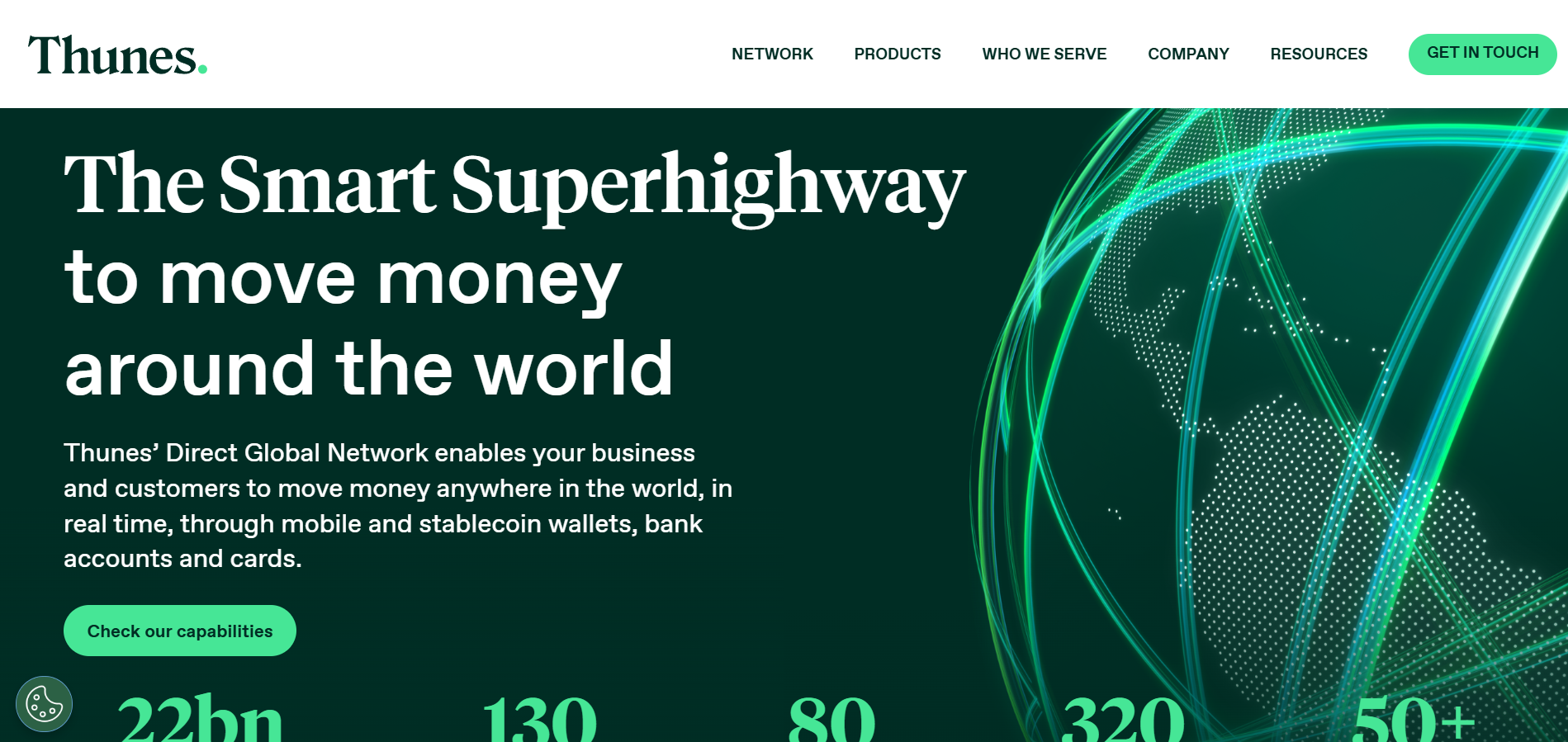
Thunes operates a direct global payments network that enables real-time, compliant cross-border money movement across banks, mobile wallets, cards, and digital assets.
Key Solutions
- Direct global payments network covering 130+ countries
- Support for fiat and stablecoin transactions across 80+ currencies
- Pay-in and payout capabilities to banks, wallets, cards, and QR-based methods
- Real-time, traceable cross-border payments
- Built-in compliance platform with 50+ global licences
- Single API integration for global payment connectivity
- Support for banks, PSPs, marketplaces, and digital asset platforms
Pros
- Strong reach in emerging and hard-to-access markets
- Real-time payments with end-to-end visibility
- Compliance embedded at the network level
Cons
- Less focused on treasury or account management tools
- Primarily network-led rather than a full-stack payments platform
4. Visa B2B Connect
Visa B2B Connect is a non-card, bank-to-bank payments network designed to enable secure, compliant cross-border business transactions with direct settlement.
Key Solutions
- Non-card-based Cross-border payment network
- Direct bank-to-bank settlement for large-value transactions
- Distributed ledger technology on a permissioned network
- Tokenized account data for enhanced security
- APIs for bank profile management and payment initiation
- FX rate visibility and transaction status tracking
- Regional availability across the Americas, EMEA, and Asia-Pacific
Pros
- Strong security backed by Visa’s global network
- Predictable settlement and reduced intermediary risk
- Built specifically for regulated financial institutions
Cons
- Access limited to participating issuer banks
- Not designed for non-bank or platform-led use cases
Also read: Understanding Challenges in Cross-Border Payment Compliance
5. Mastercard Cross-Border Services
Mastercard Cross-Border Services provides a global payments infrastructure that enables secure, predictable international money movement through a single connection.
Key Solutions
- Cross-border payments across 130+ markets and 60+ currencies
- Multiple payout options, including bank accounts, wallets, cards, and cash
- Real-time bank deposit capabilities in select markets
- Infrastructure for banks, digital platforms, merchants, and organizations
- Support for low-value and high-volume international payments
- Integration through Mastercard Move and partner ecosystem
Pros
- Extensive global reach and network reliability
- Multiple payout methods for flexibility
- Strong brand trust and regulatory coverage
Cons
- Less control over customization at the platform level
- Primarily network-driven rather than API-first for all use cases
6. Corpay
Corpay is a corporate payments platform that helps businesses automate cross-border payments, manage currency risk, and control spend through integrated payment and AP solutions.
Key Solutions
- Cross-border payments across 200+ countries and 140+ currencies
- Built-in FX and currency risk management
- AP automation for invoices, approvals, and payments
- Commercial and virtual cards for travel, purchasing, and expenses
- Centralized analytics and real-time payment visibility
- Automated workflows to scale payments without adding headcount
Pros
- Strong AP automation and spend control
- Integrated FX risk management
- Broad global reach for business payments
Cons
- Less focused on developer-led or embedded payment use cases
- Platform breadth may exceed needs for payments-only teams
7. Ebury
Ebury is a global payments and financial services platform that helps businesses collect, pay, manage currency risk, and access credit across international markets.
Key Solutions
- Cross-border payments in 130+ currencies and 160+ countries
- Global and local accounts for cash flow management
- FX risk management with rate locking in 60+ currencies
- Mass payments for bulk international disbursements
- Business lending and flexible credit lines
- Online platform, mobile app, and API access
- Dedicated relationship management support
Pros
- Strong FX risk management capabilities
- Broad currency and country coverage
- Combines payments with credit access
Cons
- Less focused on embedded or developer-first use cases
- Relationship-led model may reduce self-serve flexibility
8. Payoneer
Payoneer is a global business payments platform that enables companies to receive, manage, and send cross-border payments through multi-currency accounts while supporting compliance across markets.
Key Solutions
- Multi-currency business accounts for receiving global payments
- Cross-border payouts across 190+ countries and 70+ currencies
- Marketplace and platform payment integrations
- Mass payouts for suppliers, sellers, and contractors
- Built-in risk, compliance, and fraud prevention controls
- Workforce and contractor payment support
- API and accounting software integrations
Pros
- Strong global reach for business and marketplace payments
- Simple setup for receiving international funds
- Trusted by a large global user base
Cons
- FX and fee transparency can vary by corridor
- Less suited for complex treasury or FX risk strategies
Adyen
Adyen is a global financial technology platform that enables businesses to accept cross-border payments, manage risk, and control funds through a single, unified infrastructure.
Key Solutions
- Cross-border online and in-person payment acceptance
- Local acquiring to support expansion into new markets
- Unified commerce connecting online and offline payments
- Built-in fraud detection and authentication tools
- Global payouts and multi-currency fund management
- Card issuing for physical and virtual cards
- Data and analytics to optimize conversion and reduce risk
Pros
- Strong global acquiring and local payment coverage
- Unified platform for payments, risk, and payouts
- Scales well for high-volume global businesses
Cons
- Less focused on FX risk management compared to FX-first providers
- Typically better suited for larger, high-growth businesses
10. Worldpay
Worldpay is a global payments platform that enables businesses to accept, protect, optimize, and move money across borders through a single, scalable payments infrastructure.
Key Solutions
- Cross-border online, in-person, and omnichannel payment acceptance
- Global payout and settlement capabilities across markets
- Fraud prevention, authentication, and dispute management tools
- Payment optimization with smart routing and retries
- Embedded payments for platforms and software providers
- Insights and reporting for payment performance visibility
Pros
- Strong global scale and processing capacity
- Comprehensive fraud and payment optimization tools
- Supports complex, high-volume payment environments
Cons
- Less focused on FX risk management and treasury use cases
- Platform breadth may feel complex for smaller teams
With provider capabilities laid out side by side, a direct comparison helps clarify which platforms align best with different business needs.
How to Choose the Right Cross-Border Payments Platform?
Choosing a cross-border payments platform goes beyond reach or pricing; the right choice depends on how well a provider supports compliance, integrates with your systems, manages currency exposure, and scales with your transaction volume, which is why a side-by-side comparison makes the decision clearer
Also read: AML Compliance and Checks for Cross-Border Payments
Even with the right payments platform in place, compliance and verification remain ongoing responsibilities that sit alongside transaction processing.
How AiPrise Helps with Compliance, Risk & Verification in Cross-Border Payments
AiPrise supports cross-border payments by ensuring the individuals and businesses involved in international transactions are verified, compliant, and continuously monitored across jurisdictions.
As money moves across borders, payment providers must validate who is sending, receiving, and controlling funds. Here’s how AiPrise fits directly into cross-border payment operations.
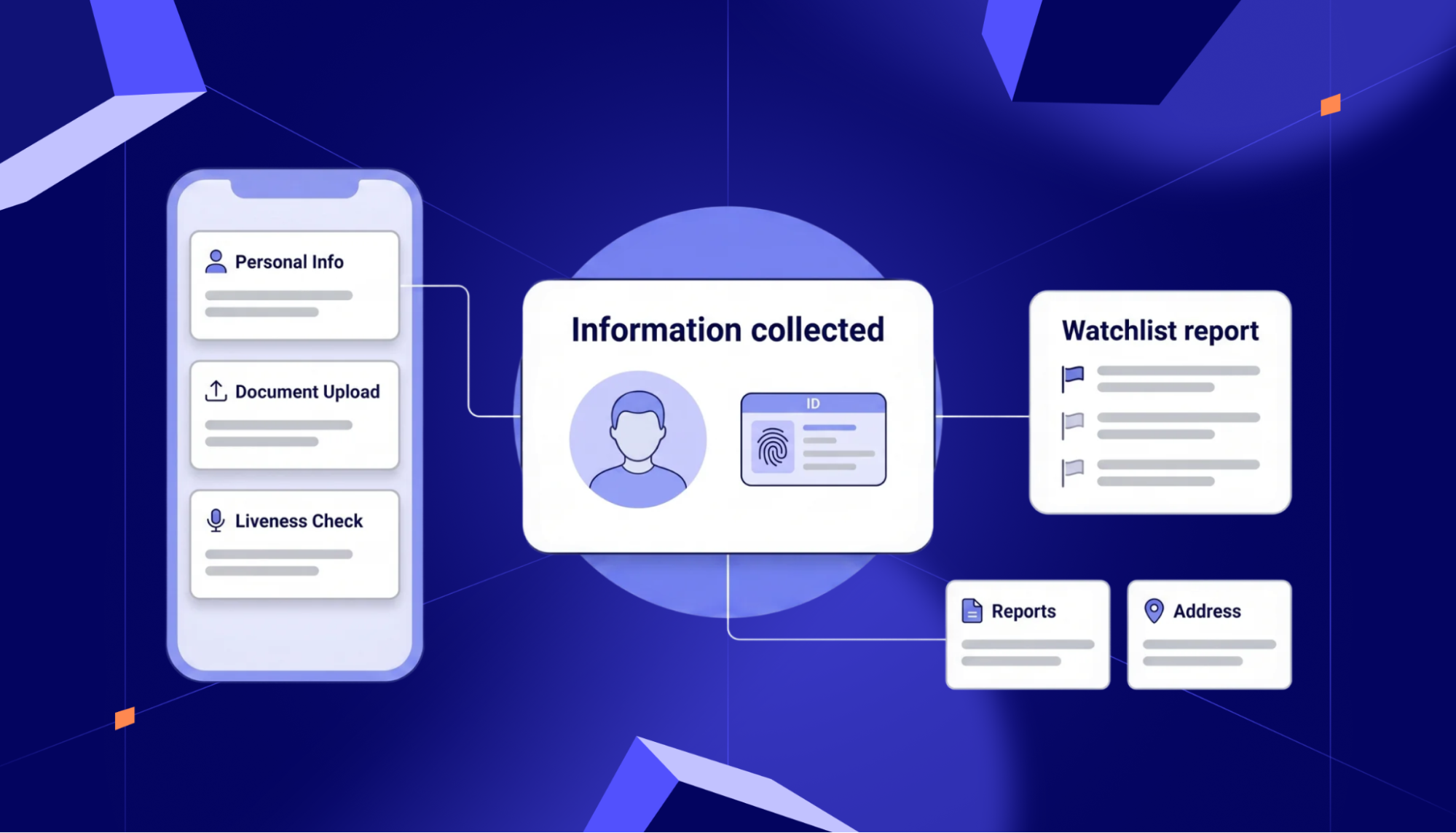
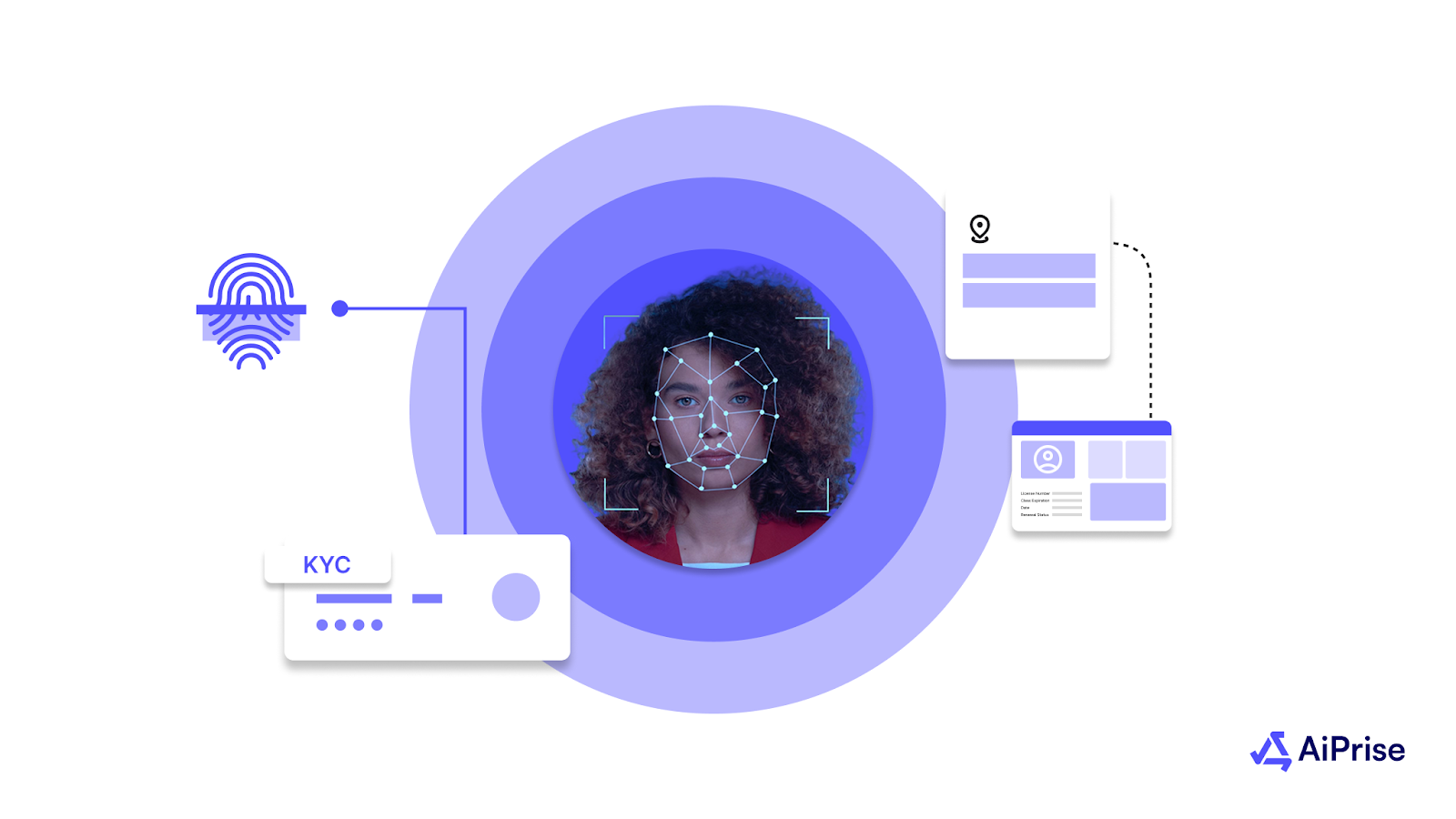
- Counterparty identity verification for international payments: Verifies payers, payees, and account holders using government-issued IDs such as passports, national ID cards, and driver’s licenses, which are commonly required for cross-border payment compliance.
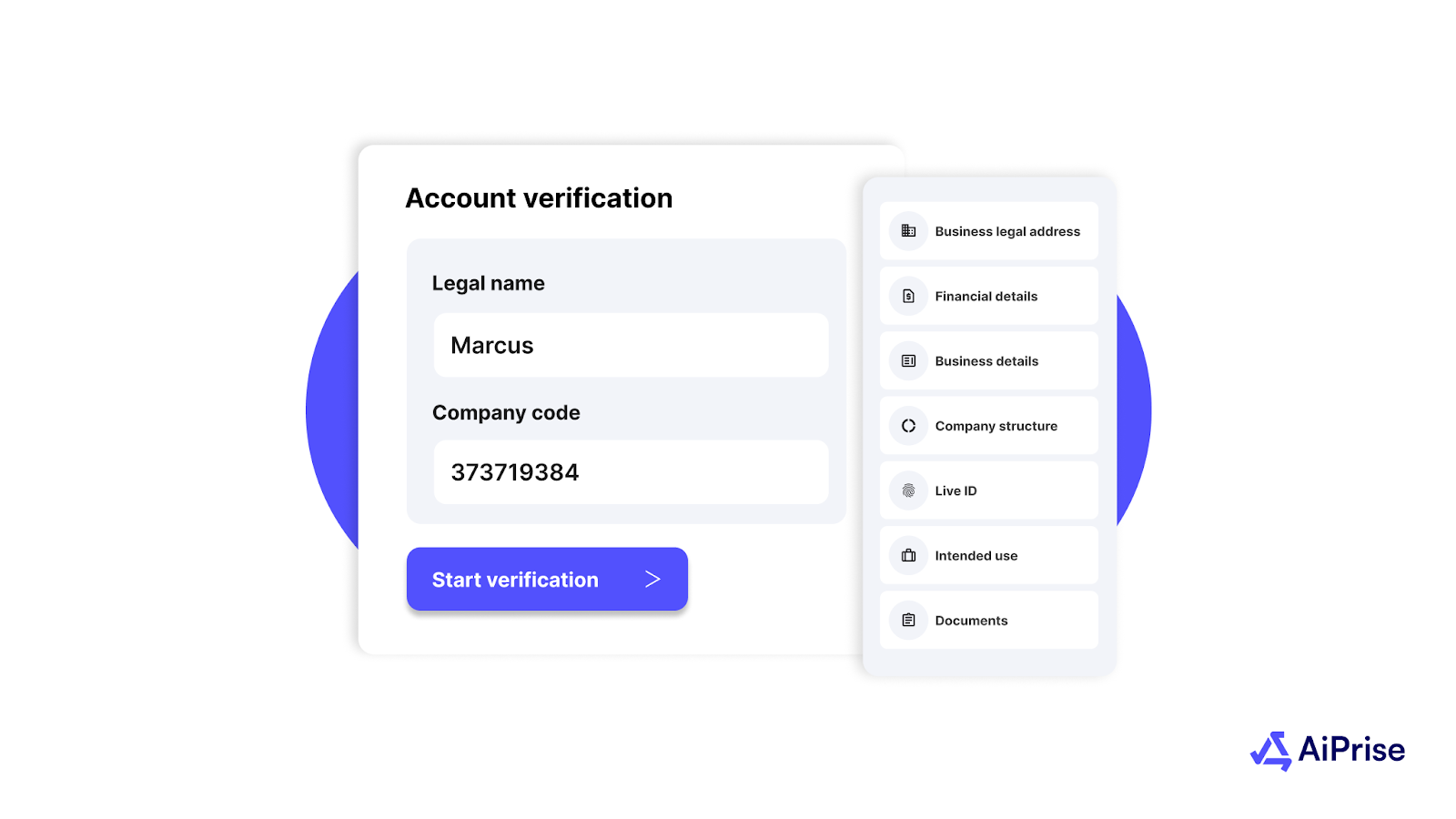
- Business verification for cross-border merchants and partners: Performs KYB checks on overseas businesses by validating company registration details, ownership structures, and beneficial owners before payments are enabled.
- AML and sanctions screening for global transactions: Screens individuals and businesses against international sanctions lists, watchlists, and PEP databases to reduce exposure to money laundering and prohibited jurisdictions.
- Risk assessment tied to cross-border exposure: Uses AI-driven risk scoring to flag higher-risk countries, entities, or transaction relationships that often accompany cross-border payment flows.
- Ongoing monitoring for regulatory changes and risk events: Continuously monitors verified entities for new sanctions, ownership changes, or document expiration, supporting long-term compliance in recurring international payments.
- Automation within payment onboarding workflows: Integrates verification and compliance checks into customer and merchant onboarding, helping payment platforms reduce manual reviews before cross-border payments go live.
- Scalable compliance for global expansion: Enables payment providers to expand into new markets while maintaining consistent identity verification and compliance standards across regions.
By embedding identity verification and compliance checks into cross-border payment workflows, AiPrise helps businesses reduce regulatory risk, prevent fraud, and move money globally with greater confidence.
Wrapping Up
Cross-border payments are no longer just about moving money internationally; they demand speed, transparency, and strict compliance across every market you operate in. Choosing the right payments platform helps you reduce operational friction, manage regulatory risk, and scale global transfers with confidence.
AiPrise strengthens this ecosystem by ensuring the individuals and businesses involved in cross-border payments are properly verified, continuously monitored, and compliant across jurisdictions.
Book A Demo to see how AiPrise supports compliant, secure cross-border payment operations without slowing down global transactions.
FAQs
1. What are cross-border payments?
Cross-border payments are transactions where money moves between parties in different countries, often involving multiple currencies, banks, and regulatory requirements.
2. Which are the top cross-border payments companies?
Top cross-border payments companies include platforms that offer global coverage, regulatory compliance, reliable settlement, and integration capabilities to support large-scale international transfers.
3. How do businesses ensure compliance in cross-border payments?
Businesses ensure compliance by performing KYC and KYB checks, screening transactions against sanctions lists, monitoring risk continuously, and adhering to AML regulations across jurisdictions.
4. What factors should you consider when choosing a cross-border payments platform?
Key factors include global coverage, compliance capabilities, FX transparency, settlement speed, API readiness, and the ability to scale securely across markets.
5. Why is identity verification important for cross-border payments?
Identity verification helps confirm who is sending and receiving funds, reduces fraud and money laundering risks, and ensures compliance with international regulatory standards.
You might want to read these...






AiPrise
6 min read
KYB Compliance: 2026 Regulations You Should Know About
As organizations expand globally and face tighter regulations, adherence to Know Your Business (KYB) standards has become one of the most critical compliance layers for fintech, online marketplaces, and other companies that need to verify business customers before letting them perform financial transactions.










.png)
.jpg)
















.png)








.png)
.png)
.png)












.png)

AiPrise’s data coverage and AI agents were the deciding factors for us. They’ve made our onboarding 80% faster. It is also a very intuitive platform.

Head of Operations



See your full compliance picture in one place
Use AI agents and global data to review businesses and users faster and more accurately
