

AiPrise
22 mins read
July 4, 2025
Importance and Process of Transaction Screening and Monitoring

Key Takeaways

With an estimated $800 billion to $2 trillion laundered globally each year, effective transaction screening and monitoring are your primary defenses against financial crime. The repercussions of inadequate controls are severe, as evidenced by major penalties such as the $920 million penalty imposed on JPMorgan Chase for control deficiencies. Robust monitoring systems are not just regulatory checkboxes; they are indispensable tools for business survival, safeguarding against illicit financial flows that no entity can afford.
Managing transaction screening and monitoring can seem overwhelming due to their complexity and high stakes. However, with the right strategies and technologies, your organization can effectively protect its assets, maintain compliance, and contribute to global financial security.
In this guide, we'll explore the essence of transaction screening and monitoring, outline critical regulatory requirements, detail essential components and processes, and highlight key technological trends and best practices to help your organization combat financial crime.
TL;DR
- Proactive vs. Reactive: Screening prevents risky transactions in real-time; monitoring detects suspicious patterns after they occur.
- Compliance is Crucial: Robust systems are essential to avoid severe regulatory penalties.
- Accuracy Drives Efficiency: Effective screening requires precise data, updated lists, and smart checks to minimize false alerts.
- Beyond Regulation: Effective monitoring fosters customer trust and safeguards the integrity of the financial market.
- Technology is Key: AI, Machine Learning, and Real-Time Processing are Transforming Compliance Effectiveness.
Understanding Transaction Screening and Monitoring
Transaction screening and transaction monitoring, while distinct in their approach, together form an essential layered defense against financial crime. They represent a proactive and reactive strategy to safeguard your organization.
Transaction screening
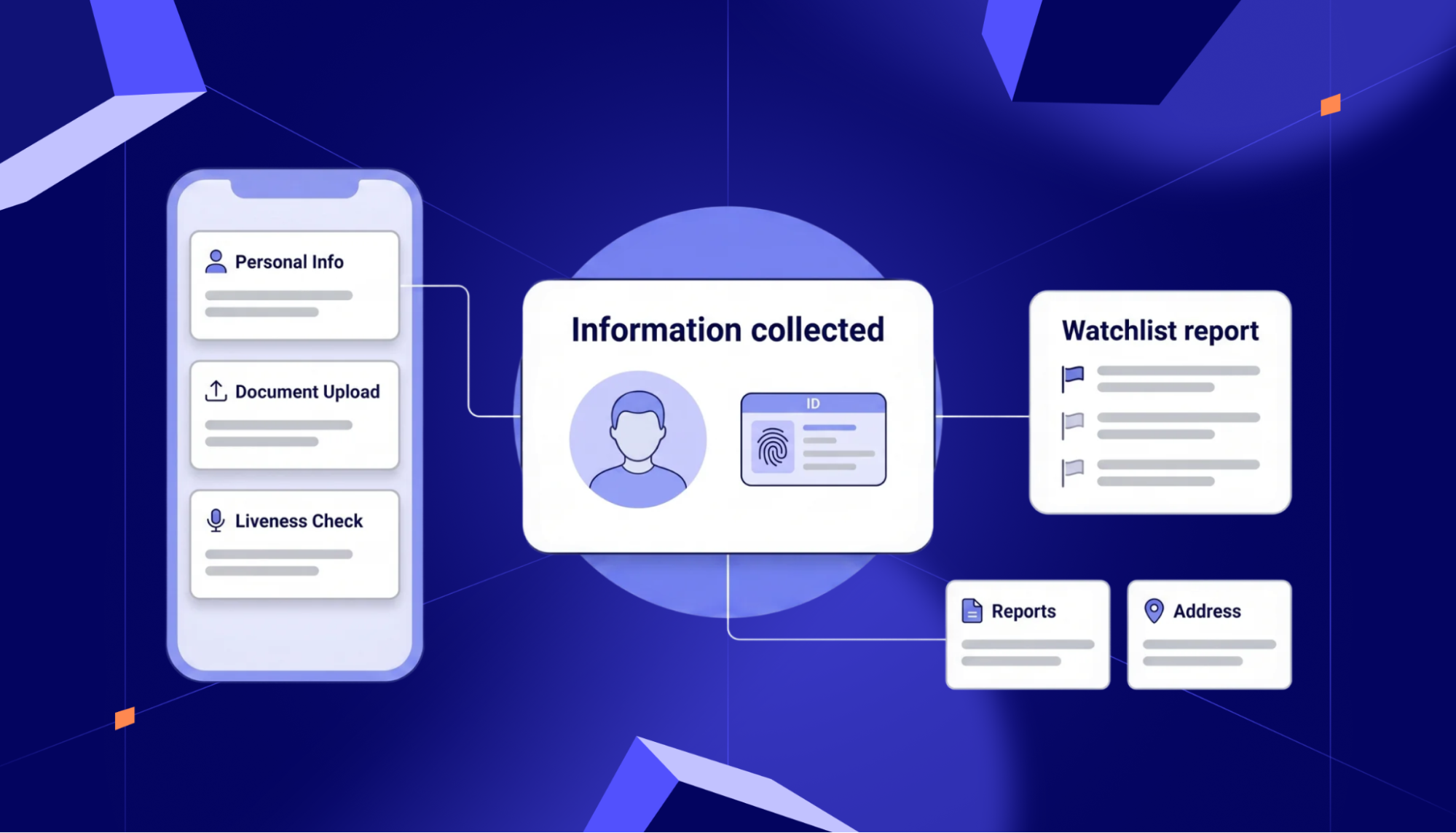
Transaction screening is a proactive, real-time process that validates customer identities and transaction details before a transaction is executed. It involves instantly matching data against critical watchlists, sanctions lists (such as OFAC), Politically Exposed Persons (PEP) lists, and your internal risk parameters.
Here’s how transaction screening acts as the first line of defense:
- Blocks Illicit Activity at Source: Prevents prohibited transactions from occurring, including those involving sanctioned individuals or entities.
- Mitigates Immediate Risk: Significantly reduces the institution's exposure to financial crimes like money laundering, terrorist financing, and fraud before funds move.
- Ensures Upfront Compliance: Directly supports adherence to international sanctions and AML/CFT regulations by intercepting high-risk transactions.
- Protects Reputation and Avoids Penalties: Safeguards your institution from regulatory fines and reputational damage by preventing involvement in illicit transactions.
Transaction Monitoring
In contrast to screening, transaction monitoring is a reactive control that involves the continuous analysis of transaction patterns after they have been processed. It systematically scrutinizes historical and ongoing customer activity to identify behaviors that deviate from a normal profile or align with known financial crime typologies. This includes spotting patterns like structuring deposits, unusual fund movements, or transactions inconsistent with the customer's stated business.
- Detects Complex and Evolving Typologies: Uncovers more sophisticated or evolving financial crime schemes that might not be caught by initial screening.
- Identifies Suspicious Behavior Over Time: Provides a holistic view of customer activity, spotting unusual patterns, anomalies, or red flags that develop over the customer lifecycle.
- Enables Timely Intervention: Facilitates prompt investigation of flagged activities, leading to the timely filing of Suspicious Activity Reports (SARs) to regulatory authorities.
- Informs Risk Management: Contributes valuable intelligence to ongoing customer risk assessments and the refinement of internal compliance controls.
Together, transaction screening and monitoring create a robust defense that not only ensures continuous regulatory adherence but also significantly enhances your ability to detect, prevent, and report illicit financial activities across the entire transaction lifecycle.
Overview of Regulatory Requirements
Compliance with regulations such as the Bank Secrecy Act (BSA), the USA PATRIOT Act, and OFAC sanctions is mandatory, requiring maintenance of detailed transaction records, reporting suspicious activities within 30 days, enhanced due diligence for high-risk customers, and prohibition of transactions with designated parties. Internationally, aligning with Financial Action Task Force (FATF) recommendations further ensures global standards against money laundering and terrorist financing are met.
Key Components of Transaction Screening

Effective transaction screening requires multiple interconnected components working together to create a comprehensive defense system. To build an effective screening program, you need robust customer identification processes, accurate screening lists, and sophisticated risk assessment methodologies.
Customer Identification and Verification Processes
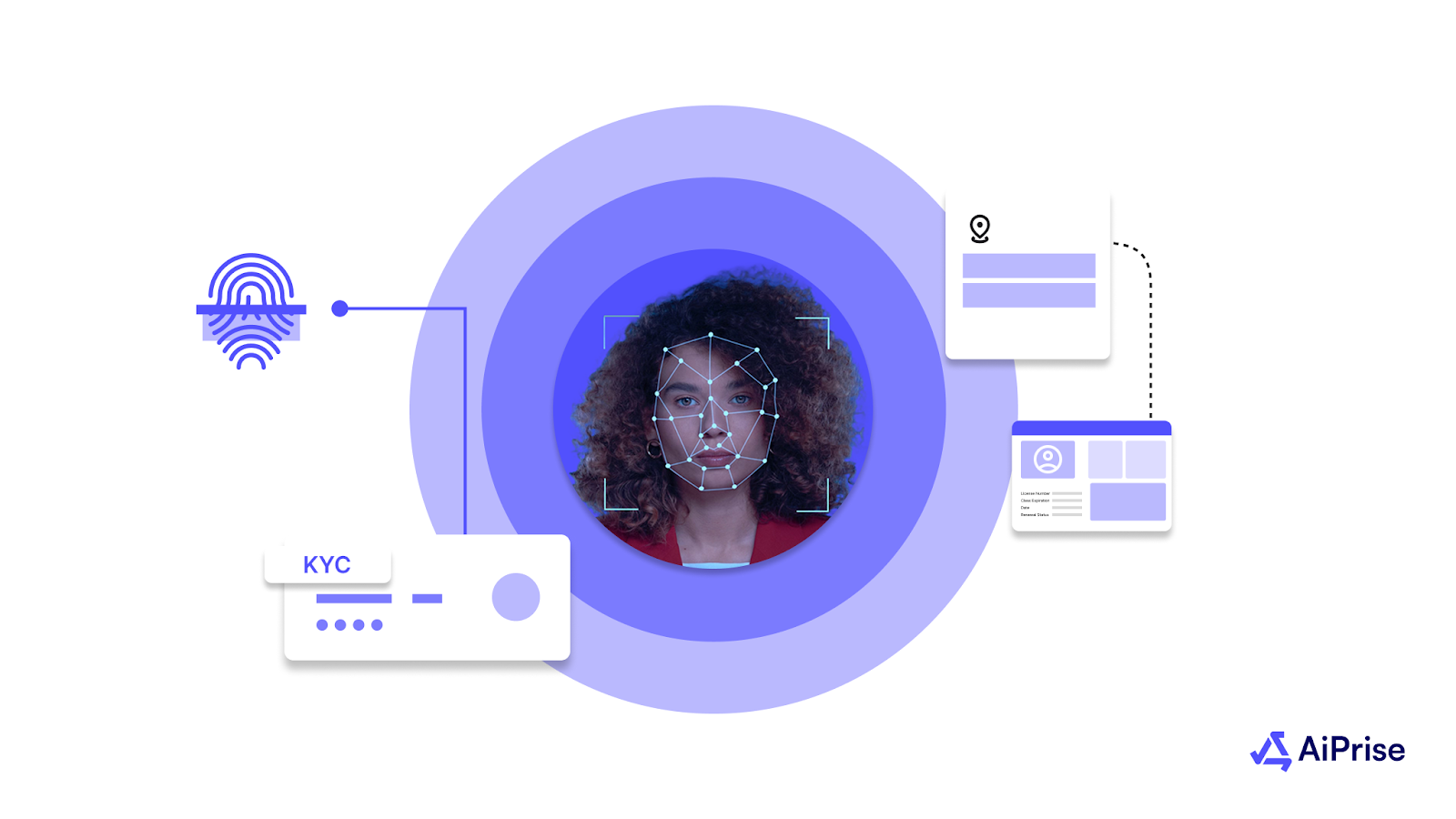
Customer Due Diligence (CDD) is the foundation of effective transaction screening. It requires collecting and verifying key customer details such as name, address, date of birth, and identification numbers before initiating any business relationship. For higher-risk customers, Enhanced Due Diligence (EDD) involves gathering additional information, conducting ongoing monitoring, and obtaining approval from senior management. Under the beneficial ownership rule, institutions must also identify individuals who hold 25% or more of the ownership in legal entities.
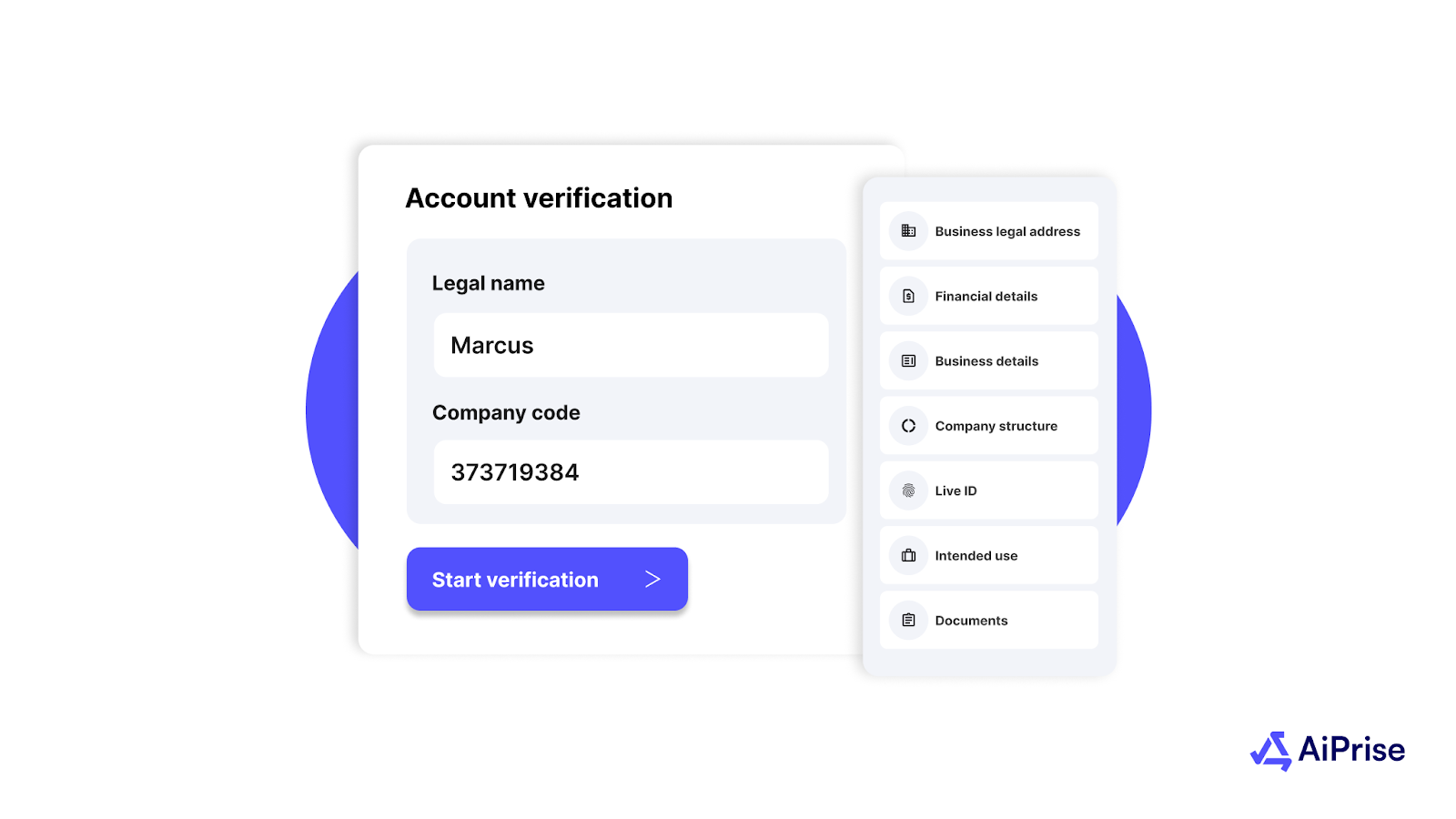
Integrating CDD with Know Your Customer (KYC) and Know Your Business (KYB) processes ensures a smooth and compliant onboarding experience. Customer information should be verified using reliable, independent sources to reduce risk and confirm identities. Maintaining accurate and up-to-date records throughout the customer relationship is essential for regulatory compliance and effective monitoring.
Lists Used for Screening (Sanctioned Lists and Watchlists)
You must screen all transactions against frequently updated lists to prevent illicit activity:
- OFAC Specially Designated Nationals (SDN) List: Contains individuals and entities whose assets must be frozen, prohibiting any business transactions.
- Consolidated Screening List (CSL): Combines multiple U.S. export screening lists, such as the Entity List, Denied Persons List, and Unverified List.
- Politically Exposed Persons (PEP) Databases: Identify individuals holding prominent public functions who pose a higher corruption risk.
- Industry-Specific Watchlists: May include additional risk categories tailored to your business sector.
Maintaining up-to-date screening systems with these lists is paramount to avoid compliance breaches.
Risk Assessment Criteria
A robust risk assessment methodology is vital for tailoring screening intensity to varying risk levels. This assessment should consider:
- Geographic Location: Focus on high-risk jurisdictions identified by bodies like the FATF, as well as sanctioned countries.
- Customer Risk Profiling: Evaluate factors such as occupation, business type, expected transaction volumes, and source of funds to assign a risk level.
- Transaction Amount Thresholds: Establish clear thresholds that trigger enhanced scrutiny and review for potentially suspicious transactions.
- Industry and Product Risk: Identify sectors particularly vulnerable to money laundering, such as cash-intensive businesses, precious metals dealers, and cryptocurrency exchanges.
The Process of Transaction Screening
Transaction screening involves a series of structured steps to effectively detect and manage financial crime risks. Here's a clear breakdown of the process:
Collect and Validate Customer Data
- Gather full customer details during onboarding and transaction initiation (e.g., names, IDs, addresses).
- Verify documents to confirm authenticity.
- Validate data for accuracy and consistency to reduce false alerts.
Choose Screening Mode
- Real-time screening: Flags risks instantly as transactions occur.
- Batch screening: Reviews multiple transactions at scheduled times.
- Choose based on your risk profile and system capacity.
Conduct the Screening
- Use screening tools to match data against sanctions lists, PEP databases, and other risk indicators.
- Apply fuzzy logic and name-matching to detect spelling or cultural name variations.
- Integrate machine learning to reduce false positives and improve accuracy.
Manage Alerts
- Triage alerts based on risk level and assign them for review.
- Investigate to determine if alerts are true or false positives.
- Use historical data and additional information to support decisions.
Document and Escalate When Required
- Record all decisions with supporting evidence and reasoning.
- Escalate accurate matches to senior compliance personnel.
- Report to regulators when necessary.
Maintain Records for Compliance
- Keep detailed logs of alerts, investigations, and outcomes.
- Ensure readiness for internal audits and regulatory reviews.
Essential Elements of Transaction Monitoring

Transaction monitoring goes beyond simple screening to analyze patterns and behaviors that may indicate suspicious activity. You need sophisticated systems that can process large volumes of transaction data while identifying anomalies that warrant further investigation.
Understanding Transaction Types and Patterns
Recognizing common suspicious patterns is critical for effective monitoring and risk detection. Your system should be tuned to flag:
- Structuring (Smurfing): Breaking large transactions into smaller ones to avoid reporting thresholds.
- Unusual Cross-Border Flows: Transfers to or from high-risk jurisdictions, or through correspondent banking without a clear purpose.
- Cash-Heavy Activity: Transactions for businesses or individuals whose legitimate activities would not typically involve large amounts of cash.
- Inconsistent Behavior: Deviations from a customer's normal transaction profile, such as sudden spikes in volume, round-number transfers, or rapid fund movements.
Alert Generation Based on Predefined Thresholds
Your monitoring system generates alerts for activities that exceed predefined thresholds or indicate potential suspicious patterns. This includes triggering Currency Transaction Reports (CTRs) for cash transactions over $10,000 and Suspicious Activity Reports (SARs) for detected suspicious patterns.
Effective threshold management balances compliance needs with operational efficiency:
- Dynamic Thresholds: Establish thresholds based on customer risk profiles, transaction history, and regulatory standards, then dynamically adjust them over time.
- Velocity and Frequency Alerts: Detect sudden changes or unusual increases in transaction patterns.
- Optimization with AI/ML: Utilize machine learning algorithms to fine-tune thresholds, reduce false positives, and adapt to emerging risk patterns.
Behavioral Analysis and Anomaly Detection
Establishing a comprehensive understanding of normal customer behavior is paramount. This involves:
- Behavioral Baselines: Analyzing historical transaction data (amounts, frequency, timing, counterparties) to establish typical activity ranges for each customer or segment.
- Deviation Detection: Employing algorithms to identify transactions that significantly deviate from these established norms.
- AI & Machine Learning: Utilizing ML applications to uncover subtle patterns that rule-based systems might miss, thereby improving detection accuracy and reducing false positive rates.
- Contextual Awareness: Adjusting monitoring parameters for seasonal or cyclical fluctuations in customer behavior to accurately distinguish legitimate variations from suspicious activities.
Steps in the Transaction Monitoring Process
Transaction monitoring is a structured, technology-driven process that helps detect suspicious activity and ensure regulatory compliance. Below is a clear and easy-to-follow breakdown:
Collect and Integrate Transaction Data
- Gather data from all payment channels (wire transfers, ACH, cards, digital platforms).
- Consolidate both internal data (e.g., customer profiles, account activity, risk ratings) and external intelligence.
- Standardize and clean data to ensure accuracy and consistency across systems.
Ensure Data Quality and Governance
- Maintain data completeness, accuracy, and timeliness to avoid missed alerts or false positives.
- Define governance policies, roles, and procedures to uphold data integrity.
- Implement monitoring controls to assess data quality continuously.
Monitor Transactions Continuously
- Use rule-based engines to flag known risk patterns and thresholds.
- Enhance detection with machine learning to identify evolving or hidden threats.
- Monitor both real-time transactions and historical activity for deeper insights.
Use Scalable, Integrated Technology
- Connect monitoring systems to core banking platforms using APIs and secure data feeds to ensure seamless integration.
- Use cloud-based tools for flexibility or on-premise systems for greater data control.
- Ensure your architecture supports high-volume, high-speed analysis.
Investigate and Escalate Alerts
- Prioritize alerts based on severity and customer risk profiles.
- Assign alerts to compliance teams for investigation.
- Document all findings and prepare for regulatory review.
Report Suspicious Activity Promptly
- File Suspicious Activity Reports (SARs) within 30 days of detection.
- Track and manage cases using structured workflows.
- Coordinate closely with law enforcement, being cautious not to disclose information to the subject under review.
Challenges in Transaction Screening and Monitoring
While technology has improved screening capabilities, key challenges remain. The points below outline the most pressing issues and strategies to address them:
- False Positives and Negatives: High alert volumes increase workload and risk missed reports. Optimizing thresholds, utilizing machine learning, and conducting regular system reviews can enhance accuracy and minimize delays.
- Compliance vs Efficiency: Screening must be accurate without disrupting transactions. Streamlined workflows and measured tech investments help balance compliance with customer experience.
- Regulatory Adaptation: Evolving laws, particularly in the crypto and fintech sectors, necessitate continuous updates. Regular staff training and structured change management ensure systems stay compliant.
Technology Trends in Transaction Screening and Monitoring

Modern compliance is increasingly shaped by advanced technologies such as Artificial Intelligence (AI), real-time processing, and blockchain. These innovations are crucial for enhancing accuracy, improving efficiency, and combating evolving financial crime tactics.
Adoption of Artificial Intelligence and Machine Learning
AI and machine learning (ML) are transforming transaction screening and monitoring by moving beyond traditional rule-based systems to create more adaptive and accurate defenses.
- Enhanced Detection: AI/ML identifies hidden patterns and complex money laundering behaviors that static rules often miss.
- Improved Accuracy: Natural Language Processing (NLP) refines name-matching by accounting for spelling variations and linguistic nuances.
- Reduced False Positives: Predictive analytics prioritizes transactions and customers based on risk scores, with advanced AI applications leading to significant reductions in false positives, thereby increasing operational efficiency.
- Adaptive Learning: AI systems continuously learn from new data, helping to identify emerging risks and optimize detection models over time.
- Challenges: Despite benefits, implementing AI requires high data quality, robust model validation, and careful consideration of regulatory acceptance for AI-driven decisions.
Real-Time Monitoring Capabilities
Real-time transaction monitoring offers immediate insights and significantly enhanced risk detection, fundamentally changing how organizations respond to threats.
- Instant Risk Detection: Enables immediate flagging of suspicious activities, significantly reducing fraud exposure and improving compliance responsiveness.
- Enhanced Customer Experience: Minimizes transaction delays, allowing legitimate transactions to proceed without interruption.
- Operational Transformation: Facilitates on-the-spot transaction decisions and streamlines operational workflows.
- Infrastructure Demands: Requires robust data management infrastructure and high-performance computing capabilities.
- Strategic Value: Offers substantial long-term savings and risk mitigation benefits by preventing issues before they escalate.
Integration with Blockchain for Enhanced Transparency
Blockchain technology holds transformative potential for enhancing transparency and trust within financial transactions, complementing existing screening and monitoring processes.
- Increased Transparency & Traceability: Its decentralized, tamper-resistant ledger provides immutable audit trails, making transaction origins and flows easier to verify and trace.
- Automated Compliance: Smart contracts can be programmed to automatically enforce compliance rules, reducing manual effort.
- Improved Auditability: Real-time transaction recording enhances verification and simplifies investigations and regulatory reporting.
- Limitations & Challenges: Blockchain is not a standalone solution and faces integration challenges related to data privacy, cross-border regulatory differences, scalability, and compatibility with legacy systems.
As these technologies continue to evolve, they are set to further strengthen and extend the capabilities of traditional transaction screening and monitoring processes.
Best Practices for Effective Transaction Screening and Monitoring
Effective screening and monitoring rely on three core components - people, processes, and technology. A truly comprehensive approach aligns all three elements, ensuring sophisticated technology supports well-defined processes, all operated by expertly trained personnel to achieve consistent and highly effective compliance outcomes.
- Implement a Robust Risk-Based Approach
A risk-based strategy, supported by appropriate technology, is paramount for focusing compliance efforts, enhancing efficiency, and ensuring scalability. It ensures resources are directed where financial crime risks are highest.
- Comprehensive Risk Assessment: Establish a clear framework to identify, measure, and manage your organization's exposure to financial crime, considering internal and external factors.
- Customer Categorization: Develop a robust system to categorize customers based on their inherent risk profiles, including factors like geography, business type, and expected transaction behavior.
- Proportionate Resource Allocation: Allocate compliance resources strategically, dedicating more intensive monitoring and screening efforts to higher-risk customers and transactions.
- Dynamic Risk Adaptation: Regularly update risk assessments to reflect new data, evolving customer behavior, emerging typologies, and changes in the regulatory landscape.
- Technology Alignment: Select technology that not only meets compliance requirements but also supports seamless integration, robust analytics, and can scale with your operational growth.
- Cross-Functional Collaboration: Ensure smooth deployment and ongoing effectiveness through close collaboration between IT, compliance, and business teams.
- Address Industry-Specific Considerations
Each industry presents distinct risks and regulatory challenges, necessitating tailored transaction screening and monitoring practices to meet sector-specific requirements and operational realities.
- Financial Services and Banking: Require robust AML programs, comprehensive Customer Due Diligence (CDD), and mandatory Suspicious Activity Report (SAR) and Currency Transaction Report (CTR) filing. Digital banking and FinTech models demand enhanced screening for online onboarding, mobile transactions, and digital identity verification.
- Cryptocurrency and Digital Assets: Confront unique challenges such as address clustering, the use of privacy coins, and decentralized exchange activity. This necessitates specialized systems for Travel Rule compliance and secure information sharing.
- Payment Processors and Remittance Services: Must manage the complexities of high-volume, cross-border transactions across multiple jurisdictions and partners. This demands scalable, real-time systems capable of rapid decision-making to handle massive transaction flows.
- Measure and Optimize Performance Continuously
Effective compliance demands precise measurement of how well systems detect, manage, and prevent financial crime. A continuous optimization approach ensures ongoing effectiveness and regulatory alignment.
- Track Key Performance Indicators (KPIs): Monitor both operational efficiency and compliance outcomes to assess overall effectiveness.
- Operational Metrics: Track alert volumes, false positive/negative rates, alert resolution times, and system uptime to identify inefficiencies and areas for improvement.
- Compliance Outcomes: Evaluate SAR filing quality and timeliness, audit findings, and strict adherence to regulatory reporting deadlines.
- Cost-Benefit Analysis: Conduct regular analyses to assess the Return on Investment (ROI) of compliance technology, staffing, and operations by quantifying avoided penalties, reduced fraud losses, and preserved reputational integrity.
- Adaptive Improvement: Utilize insights from KPIs, regulatory exams, and audit findings to continuously refine monitoring rules, thresholds, and processes.
With these best practices in mind, let’s explore how AiPrise translates these principles into a powerful, real-world solution for your compliance needs.
How AiPrise Powers Your Transaction Screening and Monitoring
AiPrise's AI-driven platform transforms compliance processes into intelligent, automated systems, enhancing accuracy and reducing operational burden. Our comprehensive solutions integrate seamlessly with your existing infrastructure to deliver robust transaction screening and monitoring capabilities.
Here are our top features and services:
- Real-time Global Screening: Instant screening against 200+ global watchlists and PEP databases.
- Advanced AI Matching: Utilizes fuzzy logic and NLP for precise name-matching, reducing false positives.
- Intelligent Behavioral Monitoring: Establishes customer baselines and flags unusual transaction patterns.
- Dynamic Risk-Based Decisioning: Automatically categorizes transactions and customers based on their risk profiles.
- Automated Alert Prioritization: Optimizes alert review through machine learning, significantly reducing false positives.
- Multi-channel Data Integration: Unifies transaction data from various platforms for a holistic view.
- Comprehensive Compliance and Reporting: Automates SAR/CTR reporting and ensures global regulatory alignment.
- Scalable and Flexible Deployment: Offers single API integration, cloud-based options, and scales with your business across 200+ countries.
Ready to transform your transaction screening capabilities? Book a Demo with AiPrise to learn more about our comprehensive compliance solutions.
Conclusion
Transaction screening and monitoring programs are fundamental to safeguarding the financial ecosystem. They are not merely regulatory obligations but strategic imperatives that drive operational efficiency, mitigate critical risks, and protect an institution's invaluable reputation.
The constant evolution of financial crime necessitates an equally dynamic approach to compliance. By embracing continuous improvement, making strategic technology investments, and maintaining an unwavering commitment to compliance excellence, organizations can stay ahead of emerging threats.
Ready to elevate your compliance capabilities? Discover how AiPrise can empower your organization with intelligent automation, real-time insights, and a robust defense against financial crime. Book a Demo today!
FAQs
1. What is the difference between transaction screening and transaction monitoring?
Transaction screening checks transactions against sanctioned lists before processing to prevent issues. Monitoring analyzes patterns over time to detect suspicious activities after they occur.
2. How often should sanctioned lists be updated in screening systems?
Sanctioned lists should be updated ideally in real-time or daily to stay current. Frequency depends on regulations and specific list requirements.
3. What are the typical false favorable rates in transaction screening?
Depending on system configurations, false favorable rates can exceed 90%, resulting in increased costs and delays due to the need for additional investigative efforts.
4. How long should transaction monitoring records be retained?
Records are typically kept for at least five years, but this varies by jurisdiction. Check local regulations for exact requirements.
5. What are the penalties for inadequate transaction screening compliance?
Penalties for inadequate transaction screening include hefty fines, reputational damage, potential criminal charges, and possible loss of business licenses.
6. How can small businesses implement effective transaction monitoring?
Transaction monitoring helps detect suspicious activity by analyzing transaction patterns over time, making it a key defense against financial crime. For small businesses, implementation can be cost-effective and scalable. Options include using affordable compliance software, outsourcing to third-party providers, or following simplified regulatory guidelines designed for smaller operations.
7. What role does AI play in reducing false positives?
AI improves accuracy by learning from data, reducing false positives compared to rule-based systems. It also automates tasks, easing manual workloads.
8. How do real-time screening systems impact customer experience?
Real-time screening provides quick feedback, enhancing the experience, but may result in slight delays. Businesses must strike a careful balance between security and convenience.
You might want to read these...





AiPrise
6 min read
KYB Compliance: 2026 Regulations You Should Know About
As organizations expand globally and face tighter regulations, adherence to Know Your Business (KYB) standards has become one of the most critical compliance layers for fintech, online marketplaces, and other companies that need to verify business customers before letting them perform financial transactions.









.png)

.jpg)
















.png)







.png)
.png)
.png)










AiPrise’s data coverage and AI agents were the deciding factors for us. They’ve made our onboarding 80% faster. It is also a very intuitive platform.

Head of Operations



See your full compliance picture in one place
Use AI agents and global data to review businesses and users faster and more accurately
