

AiPrise
8 min read
December 12, 2024
AML Compliance And Checks For Cross-Border Payments

Key Takeaways

People consider cross-border payments the lifeblood of international trading and commerce. This payment method helps companies in a particular country to do business worldwide. However, with every international transaction comes certain risks, especially fraud and money laundering.
The solution to these challenges is to use strong cross-border AML checks that mitigate risks and ensure compliance with the law. With advanced technologies and risk-based approaches, businesses can manage these problems and protect themselves from illicit activities.
This article will explore the key aspects of AML compliance for cross-border payments, from understanding the regulations to the technological tools to streamline compliance processes. We will also discuss strategies for reducing risks and ensuring your cross-border operations stay secure and compliant.
What Are Cross-Border Payments?
Cross-border payments are financial transactions between parties located in different countries. These payments include business-to-business (B2B) payments, remittances, investments, and individual money transfers. Whether paying suppliers or sending money to family members abroad, cross-border payments are crucial to the global economy.
Since multiple currencies, international regulations, and diverse banking systems exist, cross-border payments often require a more sophisticated approach than domestic transactions. They can involve banks, payment providers, or even blockchain networks, but these transactions must comply with various regulatory requirements to ensure they are secure, legal, and fraud-free.
With a clear understanding of cross-border payments, let's explore the various types that companies and individuals engage with worldwide.
Types Of Cross-Border Payments
Cross-border payments differ depending on the purpose, volume, and parties involved. Here's an overview of the different types of transactions commonly used for international payments.
- Bank Wire Transfers: Bank wire transfer is one of the most traditional methods for sending money across borders. A business can transfer funds from one bank account to another through secure networks like SWIFT.
- International Money Transfers: Services like Western Union, MoneyGram, and platforms like PayPal and TransferWise allow individuals and businesses to send money internationally. These services are normally faster than traditional bank transfers.
- Credit And Debit Card Payments: This method is commonly used for online shopping, business transactions, and travel expenses. A debit or credit card allows you to pay a foreign merchant or individual.
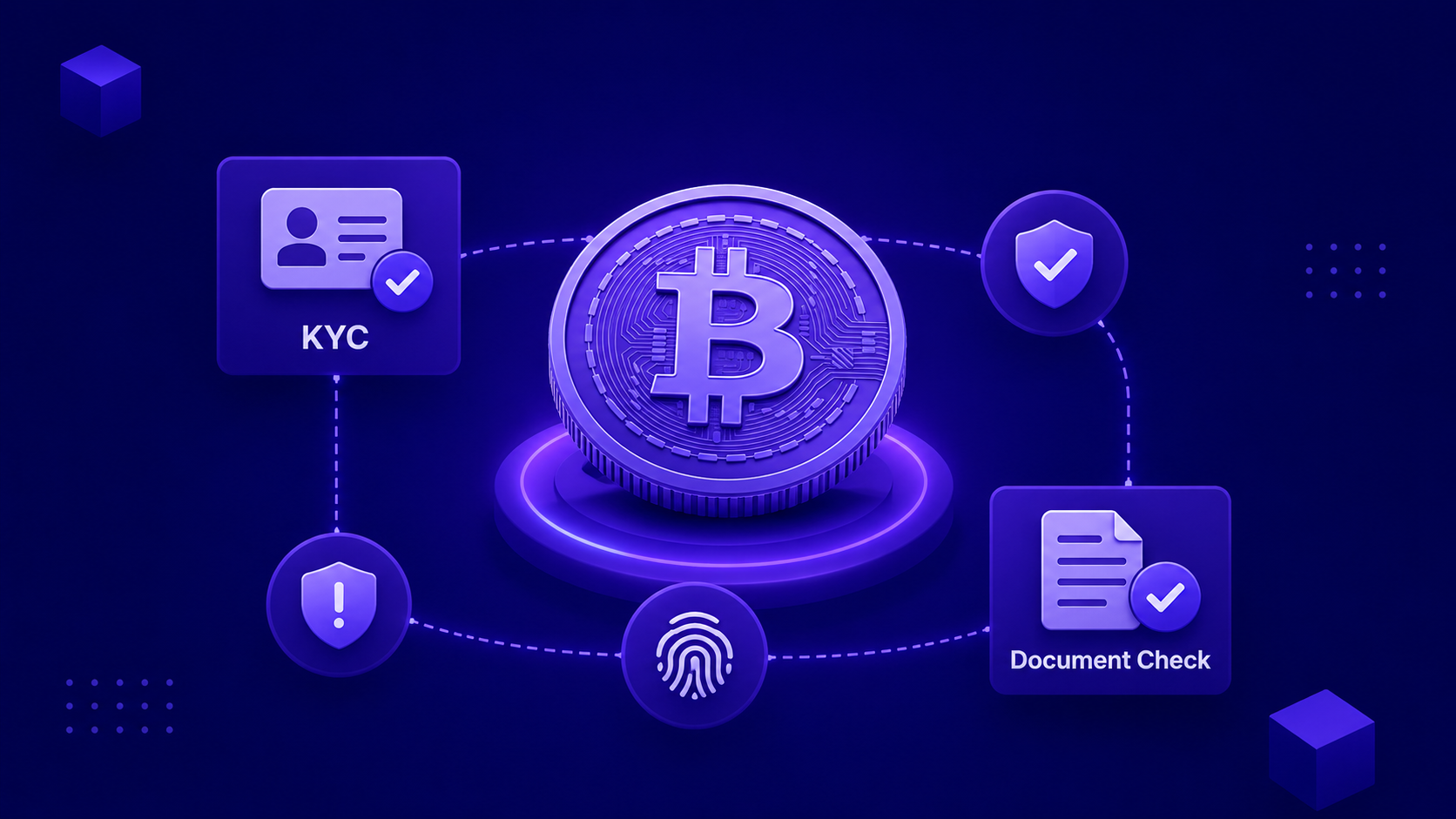
- Blockchain And Cryptocurrencies: Cryptocurrencies like Bitcoin and Ethereum are widely used worldwide. Due to their decentralized nature, people now use these coins for cross-border payments. They are an alternative to traditional payment systems, bypassing banks and reducing transaction fees.
- Letters Of Credit: Letters of Credit (LC) are used in international trade to guarantee payments between buyers and sellers. Banks offer this service, ensuring the seller receives payment once the conditions are met.
- Foreign Exchange (Forex) Payments: Foreign exchange payments occur when businesses or individuals need to exchange currencies to complete an international transaction. This process happens through a bank or currency exchange service that facilitates the payment in foreign currency.
After touching on the types of cross-border payments, let's understand why they are essential for your business.
Why Is AML Compliance Important For Businesses?
Cross-border AML checks are necessary for businesses to operate legally and avoid risks. By following the rules, companies can avoid penalties and legal actions. Below are five key reasons why AML compliance should be a top priority for your organization.
- Prevents Financial Crime And Fraud: AML compliance helps your company to detect and prevent financial crimes like money laundering, terrorist financing, and fraud. Many laws compel businesses to verify and monitor transactions. Doing so can ensure that you are not facilitating illegal activities.
- Minimizes Legal And Regulatory Risks: Non-compliance with AML rules can lead to severe penalties. Regulatory bodies worldwide impose strict rules on businesses and businesses in financial services to ensure they comply with AML laws. Following these regulations minimizes the risks and gains a reputation.
- Improve Customer Trust And Confidence: Customers (individual and corporate) mostly trust organizations compliant with AML regulations. Following rules shows a commitment to preventing financial crime and creates a more secure and trustworthy customer environment. AiPrise's KYC services can increase customer trust by ensuring stringent compliance and secure transactions.
- Protects Against Reputation Damage: The reputational damage related to money laundering and other illicit activities can be far-reaching. Your firm will lose clients, partners, and market position if such happens.
- Supports Global Expansion And Market Access: As businesses operate internationally, they must comply with varying AML regulations in different jurisdictions. Complying with cross-border AML regulations is critical to accessing new markets and minimizing regulatory setbacks.
So, what does it take to be compliant? Let's break down the essential components every business should focus on.
Components Of AML Compliance
Effective AML compliance for cross-border payments needs several components to ensure secure, legal, and ethical transactions. Here are the three key areas that form the foundation of AML compliance:
Verify Customer Identities And Transaction
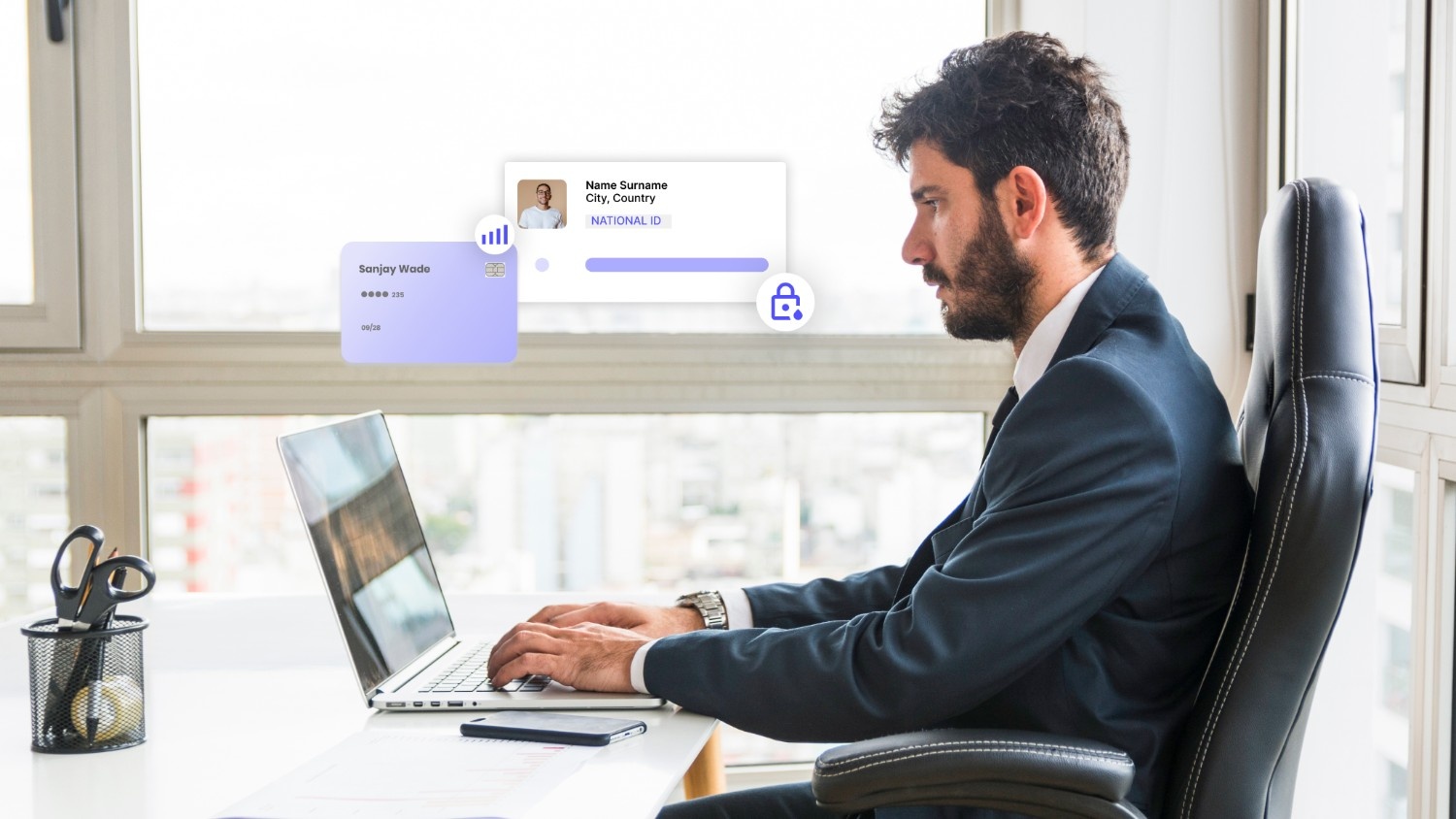
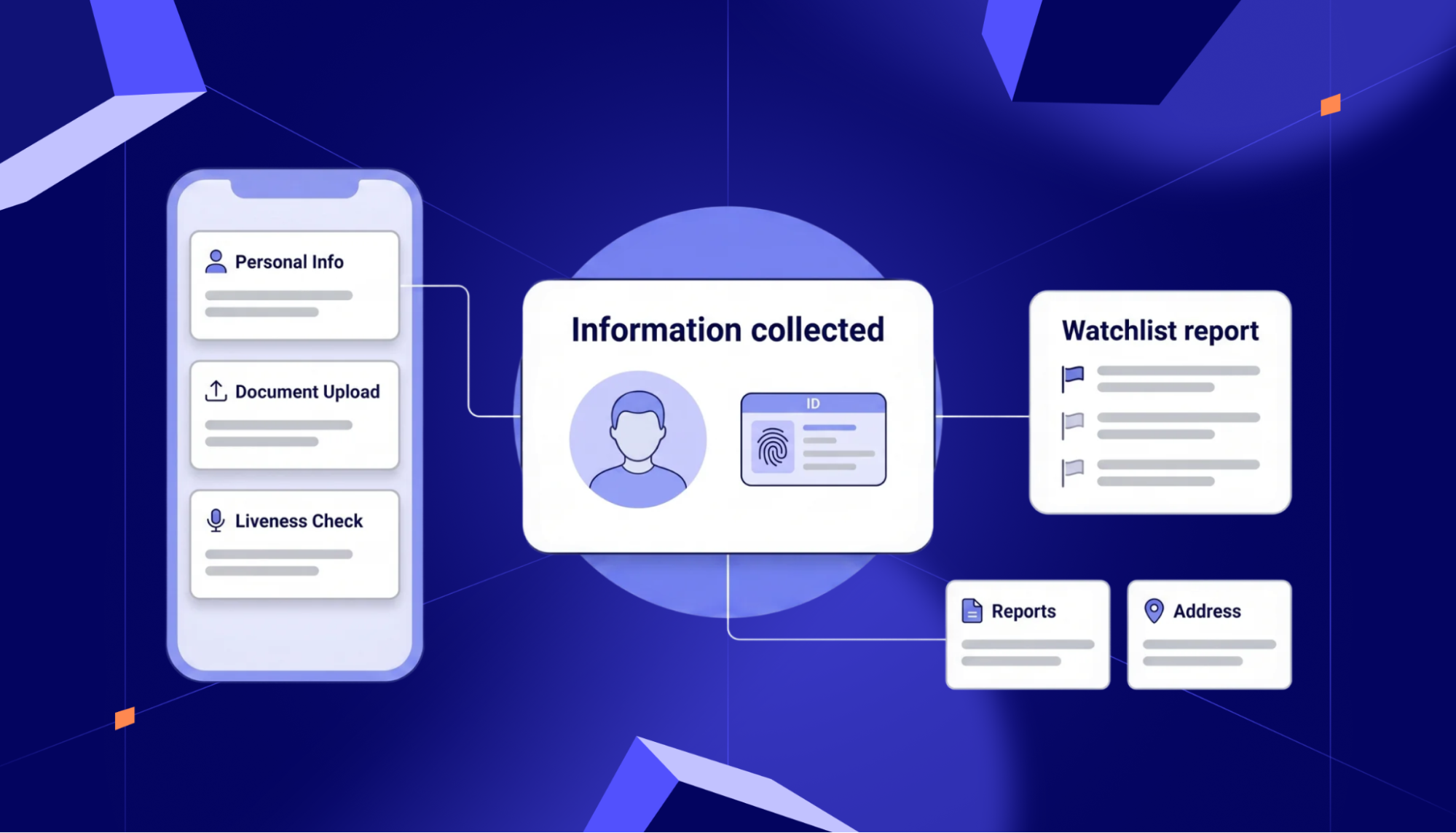
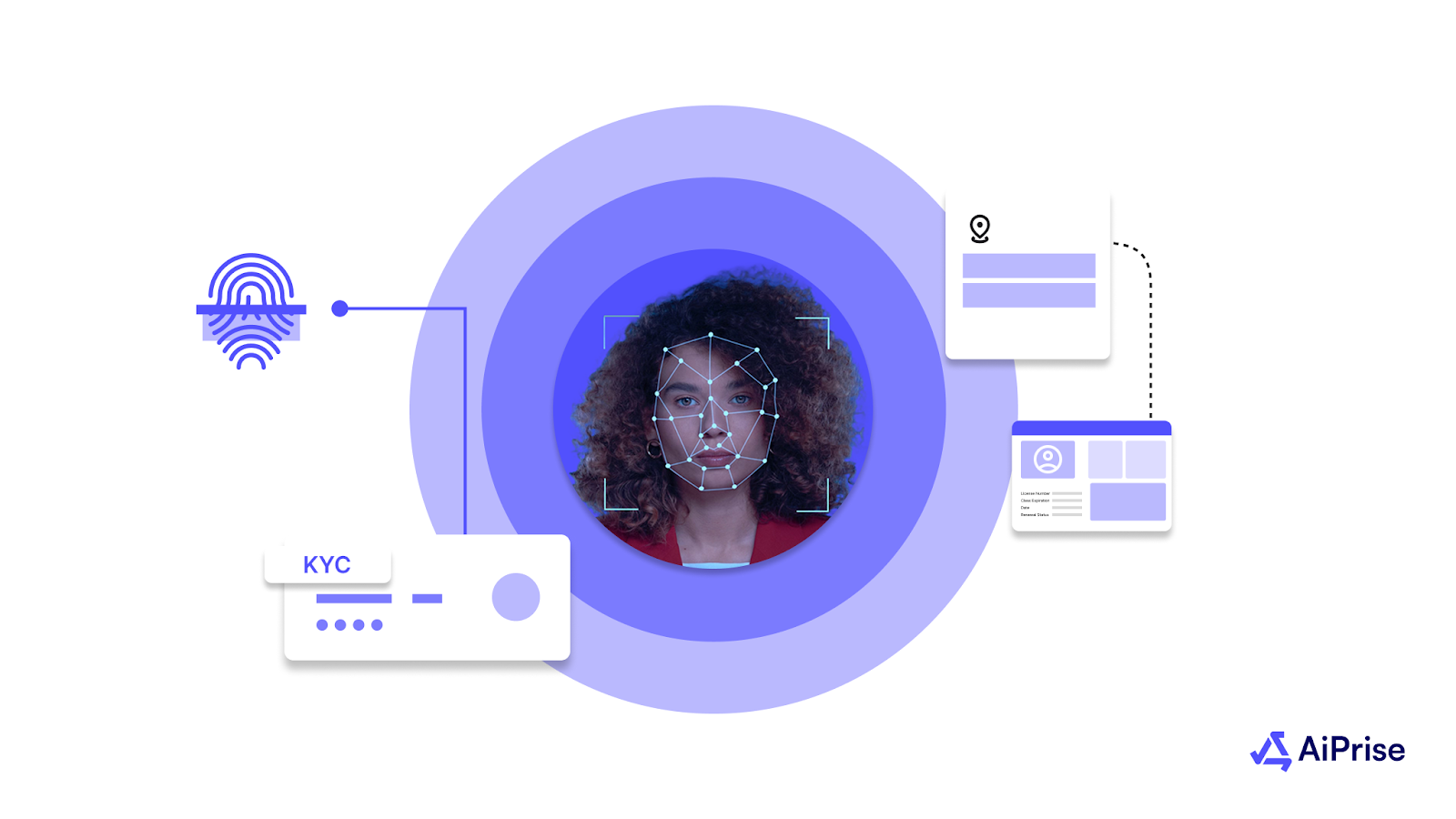
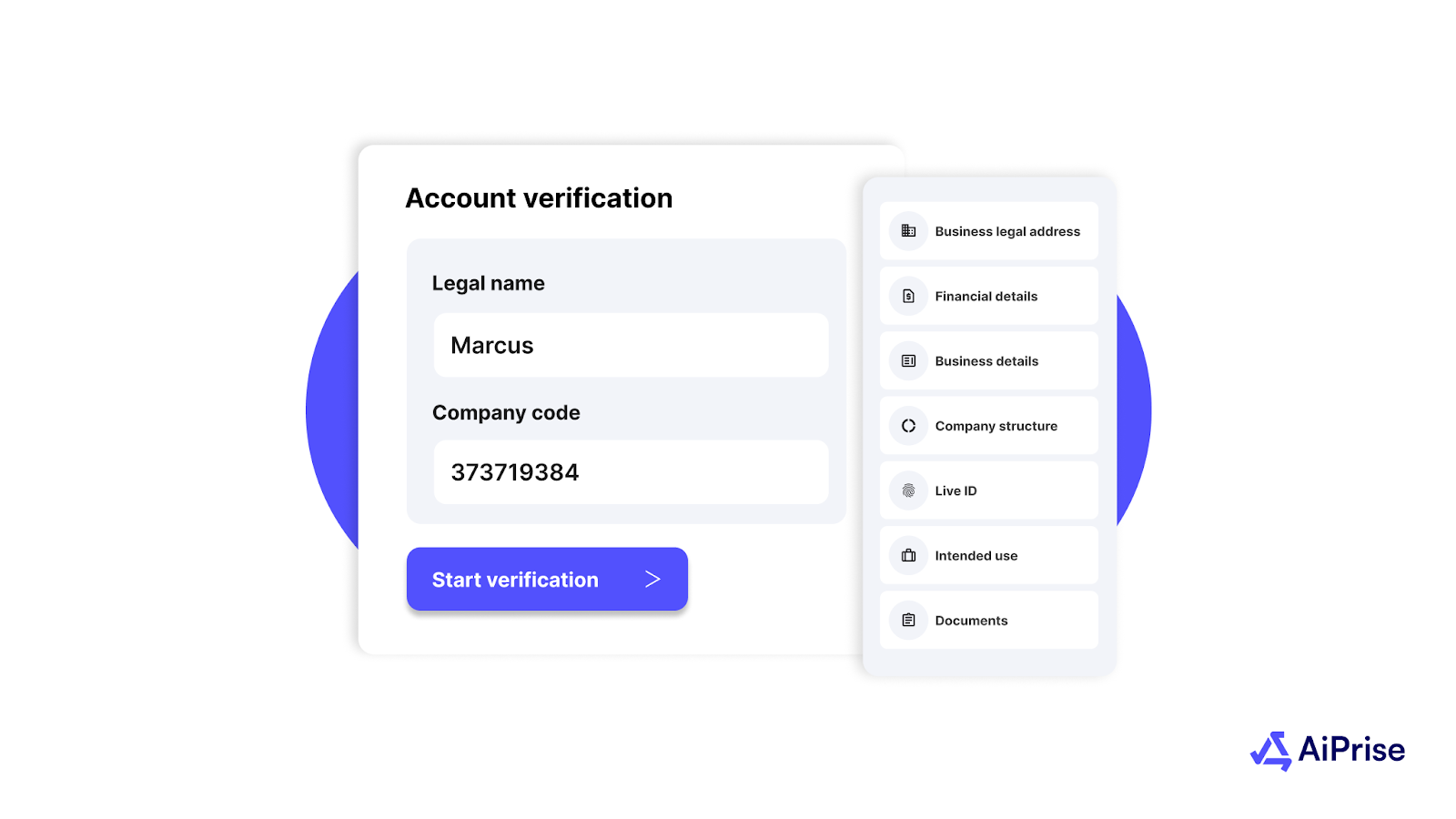
AML compliance verifies customers' identities and ensures the legitimacy of their transactions. A business can achieve this through Know Your Customer (KYC) checks. This process collects and validates customer information like identification documents, addresses, and business details. KYC confirms who the customer claims to be according to the document.
AiPrise's global KYC solutions can expedite this process with maximum accuracy and security.
Monitor Transactions And Conduct Due Diligence
Ongoing transaction monitoring is vital in finding suspicious activity or irregular patterns. In a financial business, you must review cross-border payments to check for signs of potential money laundering or fraud. Businesses perform enhanced due diligence for higher-risk clients or unusual transactions.
Screening And Compliance With Global Sanctions
Sanctions screening is another method for preventing illegal transactions. Compare cross-border payments with global sanctions lists, such as those maintained by the U.S. Department of the Treasury's OFAC or the UN Security Council. This process ensures that you do not involve parties subject to sanctions.
However, like any robust system, AML compliance for cross-border payments has its hurdles. Let's examine them.
Problems With AML Compliance For Cross-Border Payments
AML compliance is unavoidable for securing cross-border transactions, but businesses face many challenges. Here are some of the problems organizations encounter when dealing with AML compliance in international payments:
- Lack Of Uniformity: The biggest problem with cross-border AML compliance is the lack of uniformity in regulations across diverse countries. This inconsistency makes it difficult for businesses to adopt a suitable approach. Depending on the region, it can create confusion, complexity, and the need for tailored solutions.
- High Costs And Resources: Implementing a cross-border AML checks program is costly as it requires more resources. These include software systems, hiring compliance experts, and conducting regular audits. Smaller businesses or startups may struggle to allocate resources for ongoing AML monitoring and compliance. AiPrise offers scalable solutions that can help mitigate these costs by streamlining compliance processes efficiently.
- Data Privacy Concerns: When you use AML checks, you handle data that may pose significant privacy risks. For example, a customer shares personal information during cross-border payments, which can create concerns about data security and compliance with data protection laws, such as the GDPR in Europe. As a business, you must ensure a secure system to protect your client information.
Thankfully, solutions are at hand in this tech-driven era to tackle AML compliance challenges efficiently.
Handling Challenges With Technological Solutions
Technology plays a big role in AML compliance, particularly in cross-border transactions. Technologies like AI can automate many processes and reduce the need for constant manual intervention. Let's see them in detail now.
Use Of AI And Regtech For Automation
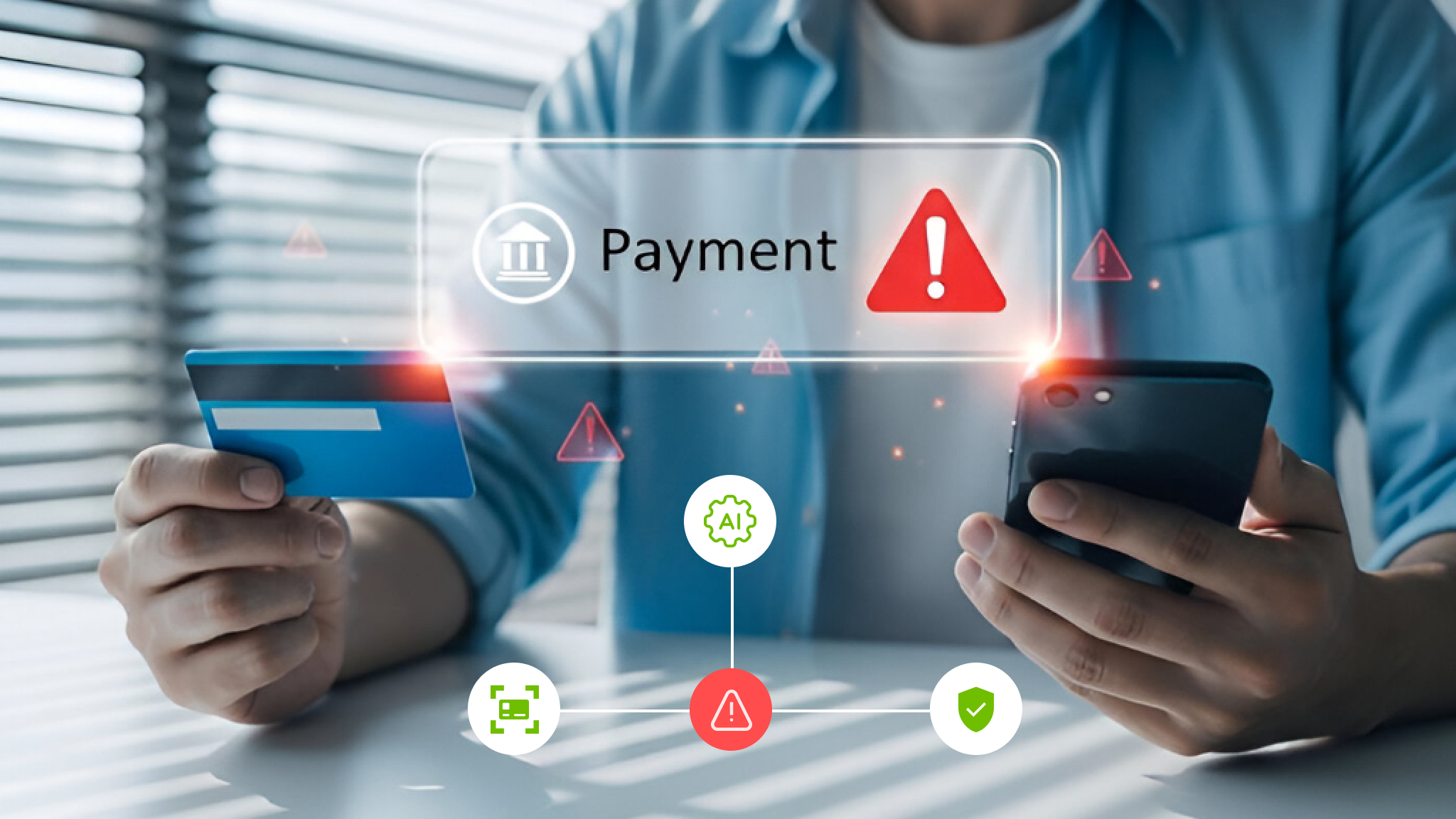
Technologies like Artificial Intelligence (AI) and Regulatory Technology (RegTech) are helping companies manage AML compliance. These technologies automate tasks such as monitoring transactions, flagging suspicious activities, and analyzing large volumes of data in real-time.
- Benefit: These technologies can detect patterns of fraud or money laundering. Through these methods, you can reduce manual intervention and ensure faster compliance.
Utilize Compliance Software
Compliance software solutions help businesses comply with global AML regulations. They also help manage risk assessments, track regulatory changes, and streamline reporting tasks.
- Benefit: By integrating compliance software with your existing system, you can automate their compliance workflows. It also ensures your firm is current with the latest regulations and reduces administrative burdens.
Use Technology For Identity Verification
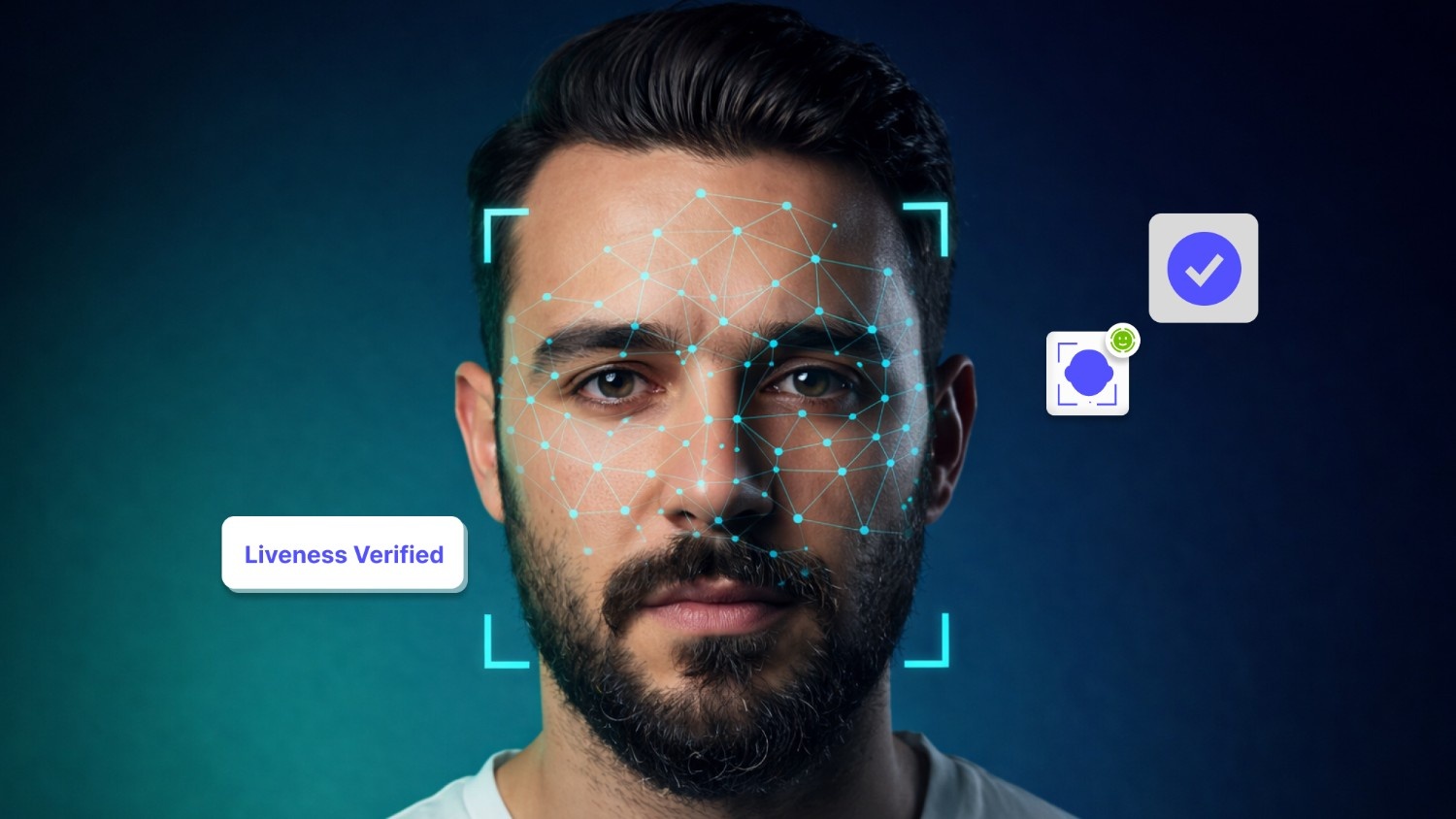
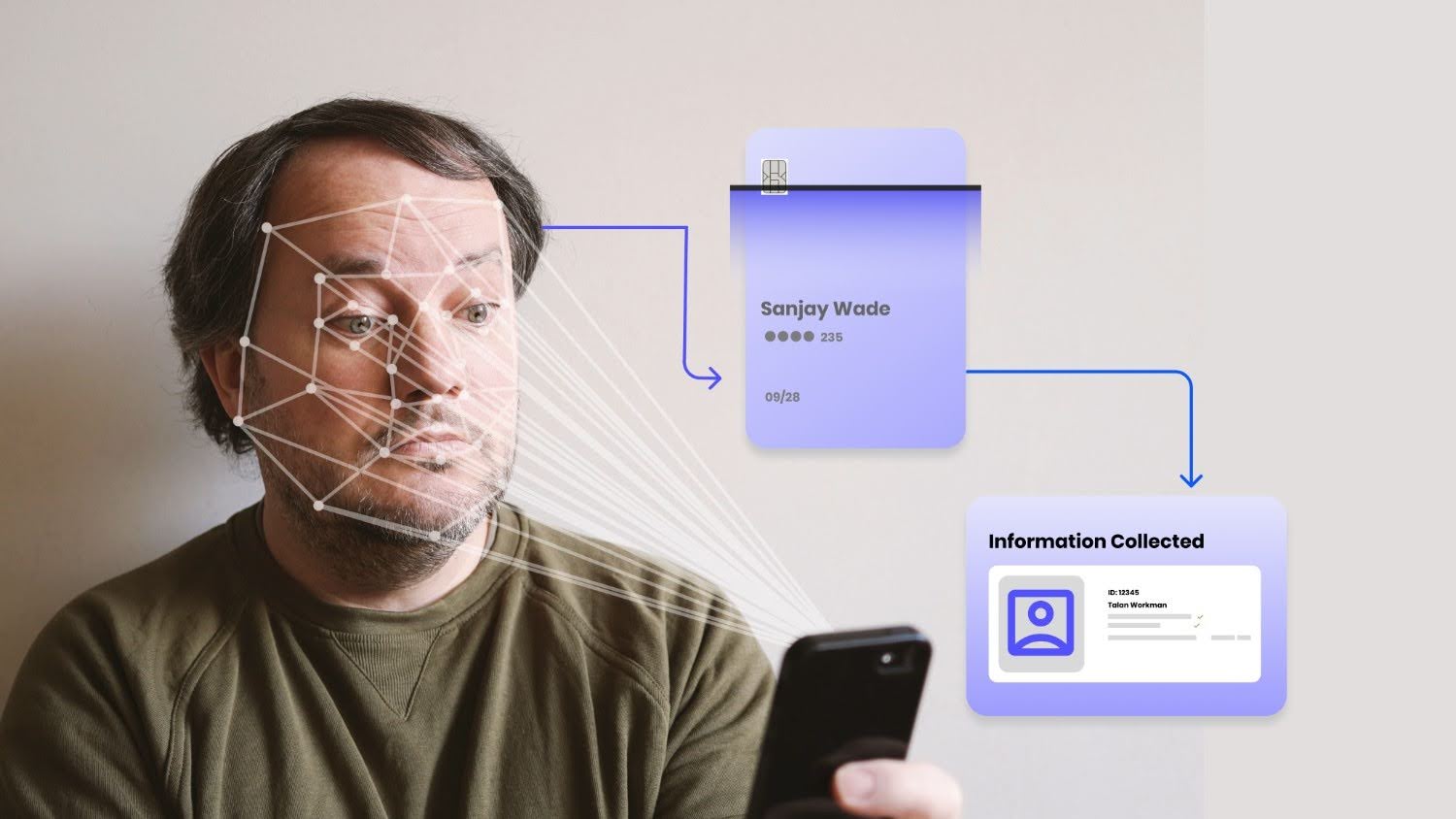
Technology like KYC verifies customer identity with maximum accuracy. Tools like biometric authentication, digital ID verification, and blockchain-based systems offer more security and speed in verifying identities.
- Benefit: These methods reduce the risk of identity fraud and ensure that businesses comply with international KYC standards, especially in cross-border payments.
Now that we've unpacked how technology can address AML challenges, let's explore some smart strategies for keeping cross-border payments in check!
Strategies For Cross-Border AML Checks In Payments
There are several strategies to ensure compliance with Anti-Money Laundering (AML). These strategies can mitigate risks, maintain security, and comply with global regulations.
- Implement A Risk-Based Approach: Take a risk-based approach while performing AML checks. By evaluating the customer's geographical location and the size of the transaction, you can focus on higher-risk transactions and vice versa on lower-risk payments. This process optimizes compliance processes and helps you manage risks.
- Regular Audits And Updating Compliance: Continuous oversight is necessary for cross-border AML checks. This monitoring ensures that you align with changing regulations and emerging risks. Regular audits identify weaknesses in current compliance and give you a chance for improvement.
This way, you can ensure you remain compliant with global AML standards. Employing AiPrise's compliance software can help you effortlessly maintain up-to-date audits and reports.
- Train Staff: Your staff is at the forefront of ensuring AML regulations and cross-border transaction checks. Training employees help you spot suspicious activity, recognize red flags, and follow the correct compliance procedures. Properly trained staff can handle complex cross-border transactions and maintain adherence to international AML standards.
Understanding these strategies matters, but navigating the maze of regulations is just as critical. Here's the lowdown on the key rules you need to know.
Important Regulations In Cross-Border Payments
Several laws ensure security, prevent money laundering, and maintain financial integrity in Cross-border payments. It is essential to be aware of and comply with them, especially when working globally. Here are three of the most important regulations that govern cross-border payments:
The Bank Secrecy Act (BSA) / Anti-Money Laundering (AML) Regulations
The BSA in the United States compels financial institutions to keep detailed records and file reports on specific transactions, including cross-border payments. According to this law, financial institutions must implement anti-money laundering (AML) programs to detect and report suspicious activity. This law aims to prevent money laundering and other financial crimes.
The European Union's Revised Payment Services Directive (PSD2)
PSD2 is another regulation effective in the European Union that aims to increase competition, innovation, and security in the payments industry. It applies to all payment services within the EU, including cross-border payments. PSD2 mandates stronger customer authentication (SCA) for many electronic payments and sets high-security standards to protect consumer data.
The USA PATRIOT Act
The USA PATRIOT Act expanded the U.S. government's ability to detect and prevent money laundering and terrorist financing. This law requires financial institutions to conduct KYC (Know Your Customer) checks and ensure cross-border transactions do not involve individuals or entities connected to terrorism or other unwanted activities.
Maintain Your Cross Border AML Check With AiPrise Today
In today's world economy, AML compliances can maintain the financial integrity of businesses engaged in international transactions. Strong AML practices prevent financial crimes like money laundering and terrorist financing.
As international trade grows, prioritizing these checks will ensure compliance with evolving local and global regulations. Businesses must be flexible and change their AML strategies to avoid new risks and legal requirements because rules always change.
Comprehensive cross-border AML checks are vital to protecting your business and ensuring compliance. Partnering with AiPrise makes this much easier. Our platform can streamline your compliance processes and align you with international regulations. Collaborate with us now to learn more about our services.
You might want to read these...




AiPrise
6 min read
KYB Compliance: 2026 Regulations You Should Know About
As organizations expand globally and face tighter regulations, adherence to Know Your Business (KYB) standards has become one of the most critical compliance layers for fintech, online marketplaces, and other companies that need to verify business customers before letting them perform financial transactions.








.png)

.jpg)















.png)







.png)
.png)
.png)











AiPrise’s data coverage and AI agents were the deciding factors for us. They’ve made our onboarding 80% faster. It is also a very intuitive platform.

Head of Operations



See your full compliance picture in one place
Use AI agents and global data to review businesses and users faster and more accurately
