

9 min read
September 10, 2026
KYB 101: What Know Your Business Is and How It Works in 2026
Key Takeaways

KYB (Know Your Business) is the process of verifying that a business is real, legally registered, and safe to work with before and after you onboard it.
A KYB check confirms legal existence, ownership (including Ultimate Beneficial Owners), and screens the business and its people against sanctions, PEP, and adverse media lists.
KYB is a regulatory requirement for financial institutions in most major markets, and a fraud-prevention necessity for everyone else.
In 2026, US companies no longer report ownership data to FinCEN, which puts more of the verification burden on the businesses onboarding them, not less.
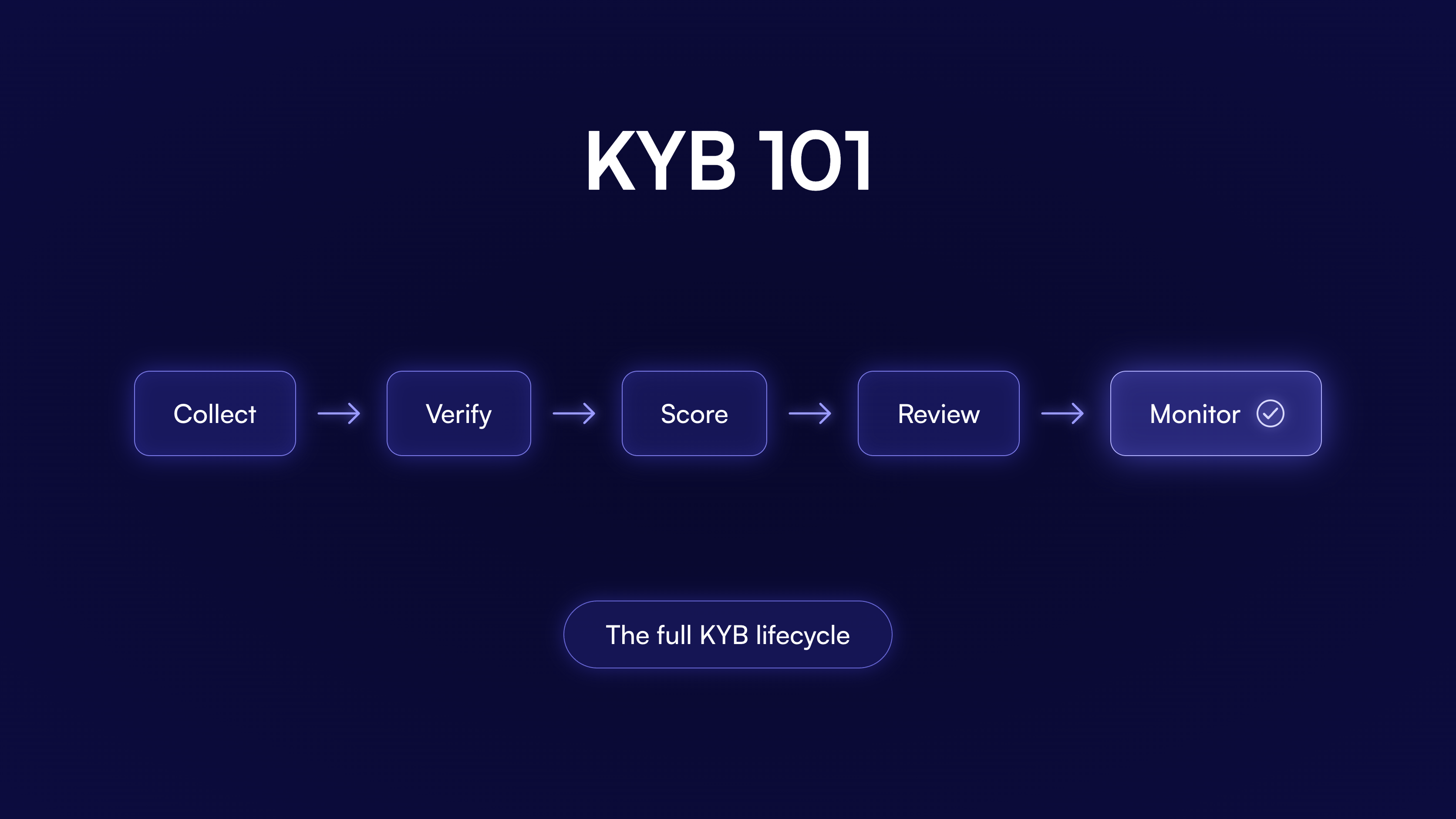
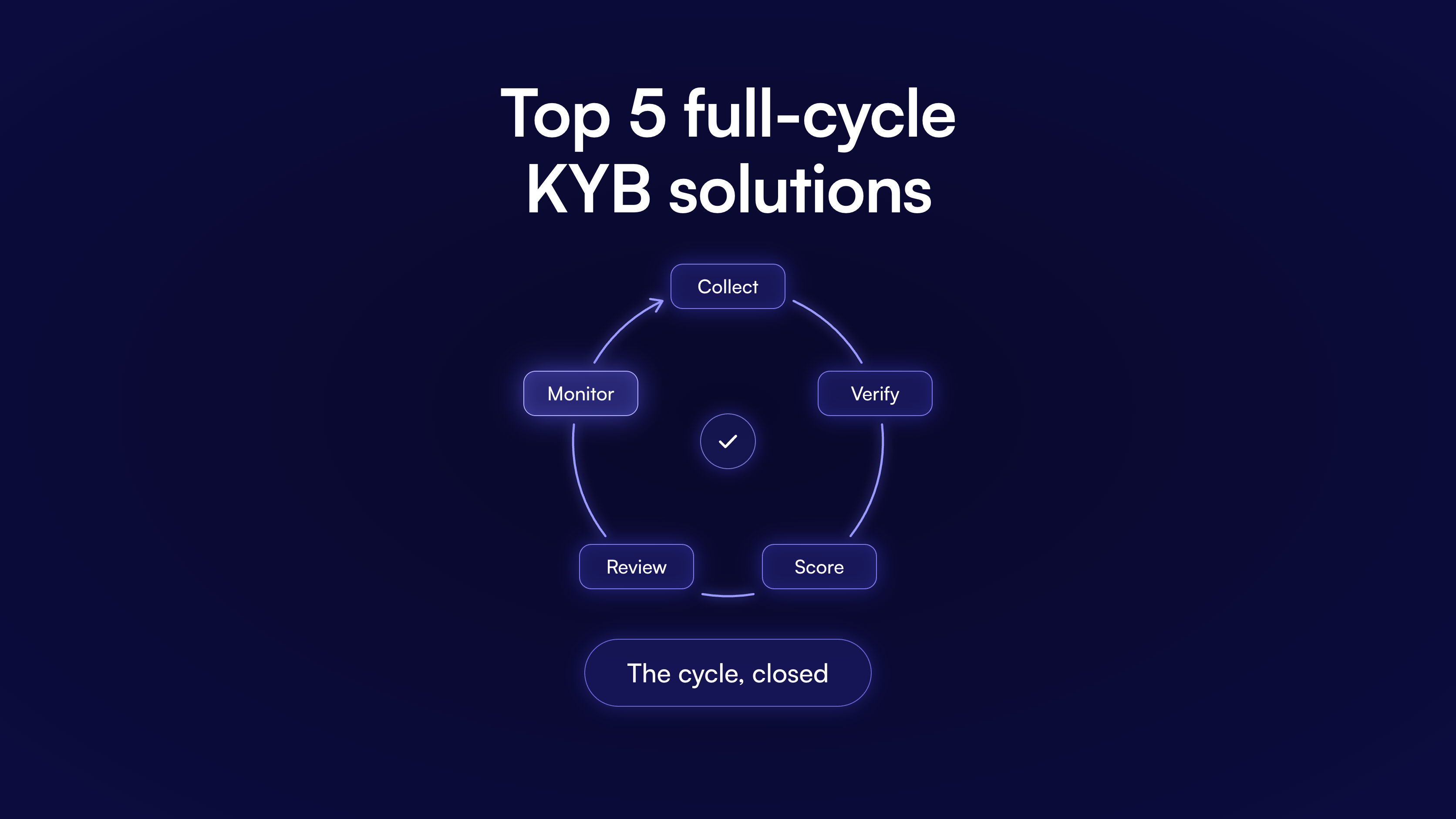
Modern KYB runs as a lifecycle, not a one-time check: collection, verification, risk scoring, decisioning, and ongoing monitoring.
What Is KYB?
Know Your Business (KYB) is the process of verifying that a company you are about to do business with actually exists, is legally registered, and is controlled by people who are who they say they are.
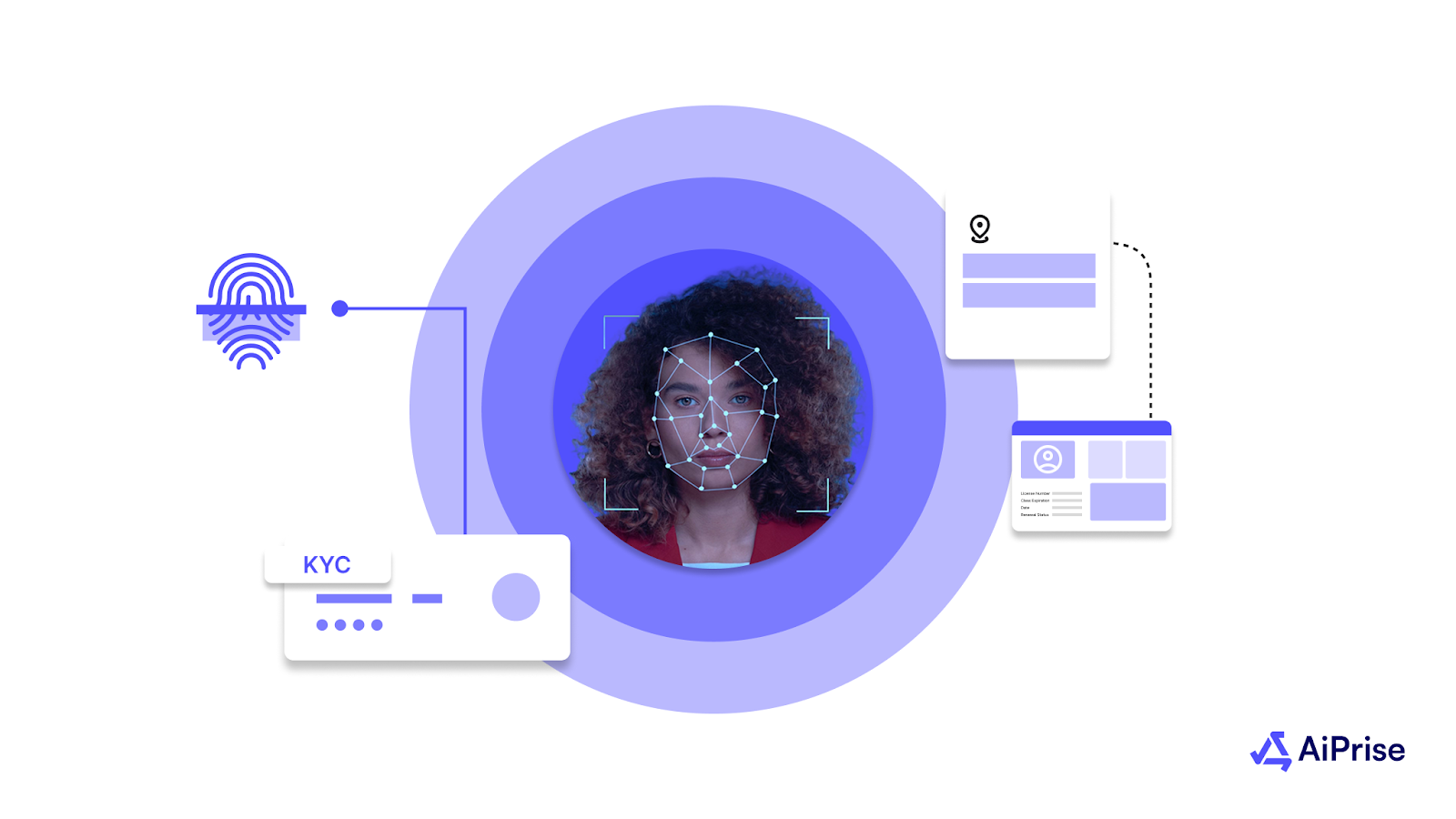
If KYC answers "is this person real," KYB answers "is this business real, and who is behind it."
Banks, fintechs, marketplaces, and payment platforms run KYB on the businesses they onboard: merchants, sellers, vendors, corporate customers, and partners. The goal is the same everywhere: keep shell companies, sanctioned entities, and fraudulent businesses out, and prove to regulators that you did.
KYB vs KYC: What Is the Difference?
| KYC | KYB | |
|---|---|---|
| Verifies | An individual person | A business entity and the people behind it |
| Core checks | Identity document, biometrics, watchlists | Registration, legal status, UBOs, directors, sanctions, adverse media |
| Data sources | ID documents, government identity systems | Business registries, corporate filings, ownership records |
| Typical trigger | Consumer sign-up | Merchant, vendor, or business customer onboarding |
| Ends with | A verified person | A verified business plus verified people who own and control it |
The two overlap by design. Every serious KYB check includes KYC on the humans behind the business, because a legitimate company controlled by a sanctioned individual is still a problem.
Is KYB Legally Required?
For regulated financial institutions, yes. The frameworks differ by market, but the obligation is consistent: know who you are doing business with, identify who ultimately owns them, and be able to prove it. For market-by-market walkthroughs, see our guides to KYB in the US and KYB in the UK.
| Jurisdiction | Framework | What it requires |
|---|---|---|
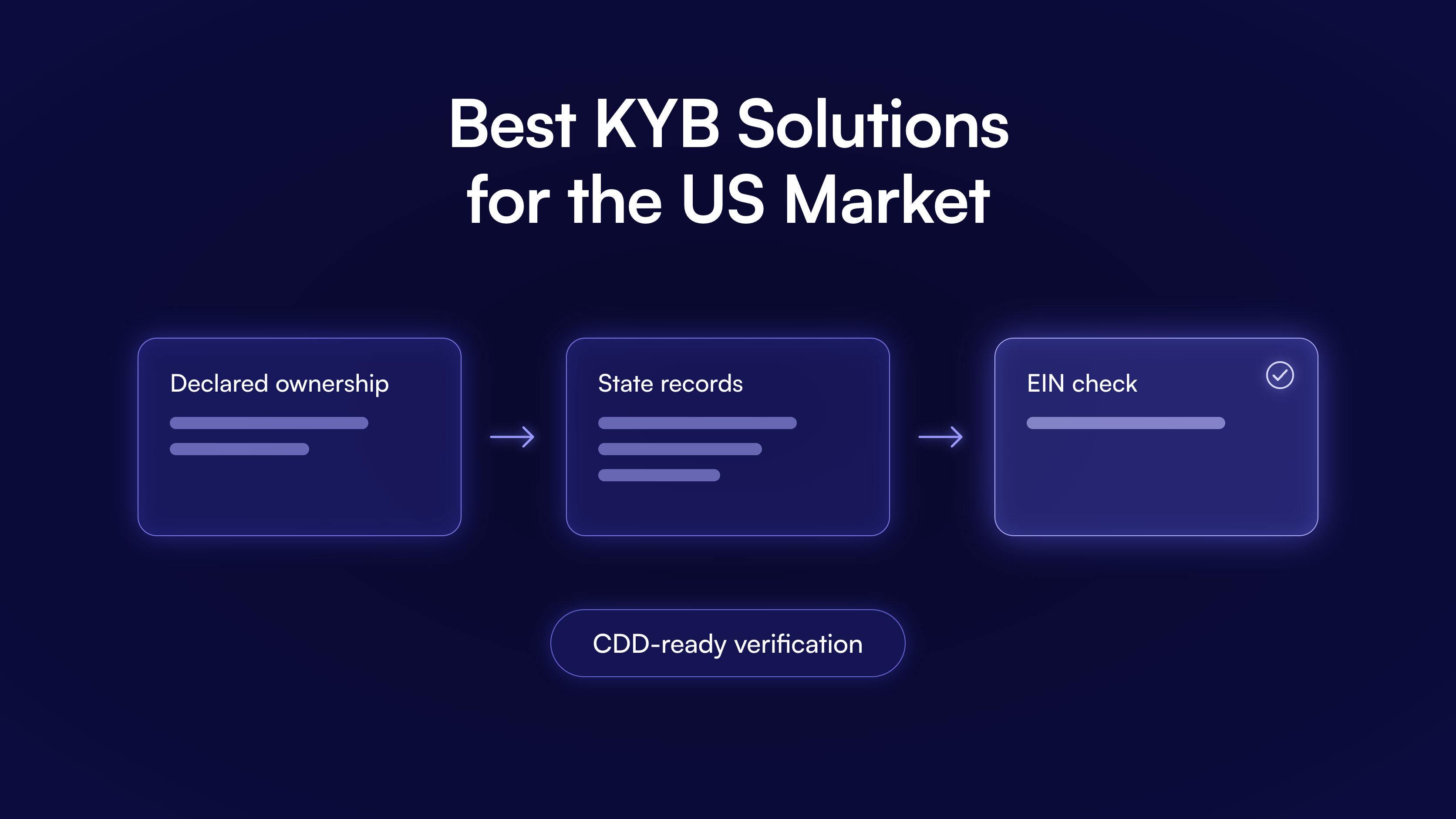
| United States | Bank Secrecy Act, FinCEN Customer Due Diligence (CDD) Rule | Identify and verify beneficial owners (25%+ ownership) of legal entity customers |
| European Union | AMLD6 and the new AML Regulation (AMLR), applying from 2027, with the new AMLA supervisor | Entity verification, UBO identification, risk-based due diligence under a single EU rulebook |
| United Kingdom | Money Laundering Regulations 2017 | Business verification, ownership checks, ongoing monitoring, and suspicious activity reporting |
| Global | FATF Recommendations (notably 24 on beneficial ownership) | Risk-based verification of legal persons with documented procedures |
What changed in 2026, and why it matters. In August 2026, FinCEN issued a final rule permanently exempting US companies from reporting beneficial ownership information under the Corporate Transparency Act. Only foreign companies registered to do business in the US remain in scope. Two things follow. First, there is no government database to lean on: if you need to know who owns a US business, you have to verify it yourself. Second, the exemption did not loosen the obligations of banks and fintechs, whose duty to identify and verify beneficial owners under the CDD Rule remains in place. The net effect is that KYB got more important in the US this year, not less. Our KYB compliance guide tracks the full regulatory picture.
And even where no regulation applies, the commercial logic does. A marketplace that onboards a fake seller eats the chargebacks. A payment platform that onboards a shell company inherits its money flows. KYB is how you avoid finding out the hard way.
What Does a KYB Check Actually Verify?
A complete KYB check covers five things:
1. Legal existence. The business is registered with the relevant government registry, its registration is active, and the details match what the applicant claims. This is the foundation, and it is why registry data matters more than documents: a document can be forged, but the registry record either exists or it does not.
2. Business identity details. Legal name, registration number, registered address, incorporation date, entity type, and industry. Mismatches here are early fraud signals.
3. Ownership and control. Who ultimately owns and benefits from the business. Ultimate Beneficial Owners (UBOs) are typically individuals holding 25% or more ownership, traced through however many layers of holding companies sit in between. Directors and officers are identified alongside them.
4. Screening. The business, its UBOs, and its directors are screened against sanctions lists, politically exposed persons (PEP) lists, and adverse media. A clean company controlled by a sanctioned owner fails the check.
5. Risk context. Industry, geography, business model, and digital footprint. A company whose website was registered last week, whose address is a virtual office, and whose stated business does not match its web presence carries a different risk than its registry record alone suggests.
The Five Stages of the KYB Lifecycle
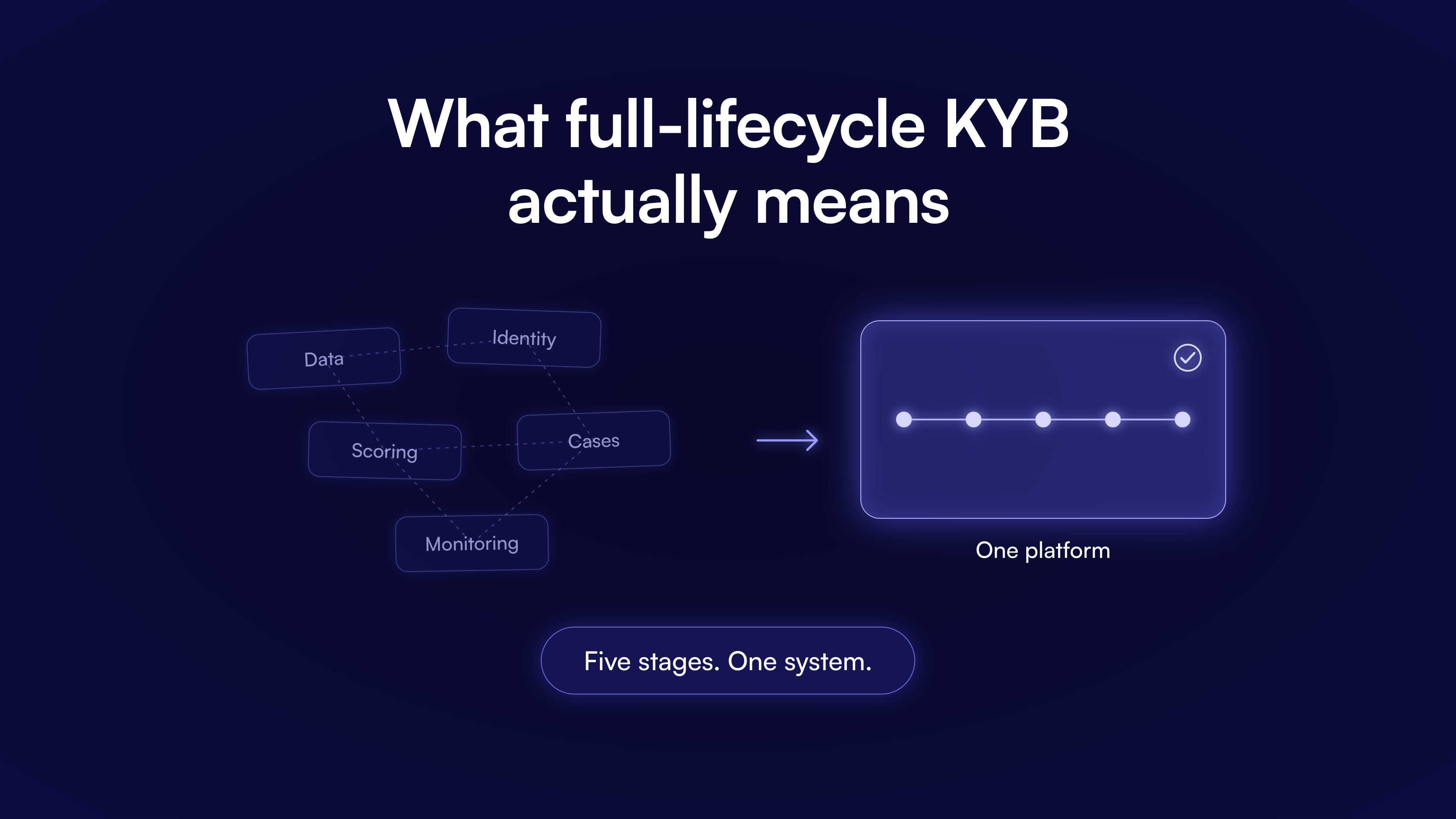
The biggest shift in how KYB is done is the move from a one-time gate to a lifecycle. Verification that happens once, at onboarding, is a snapshot that starts aging immediately. Modern programs run five stages:
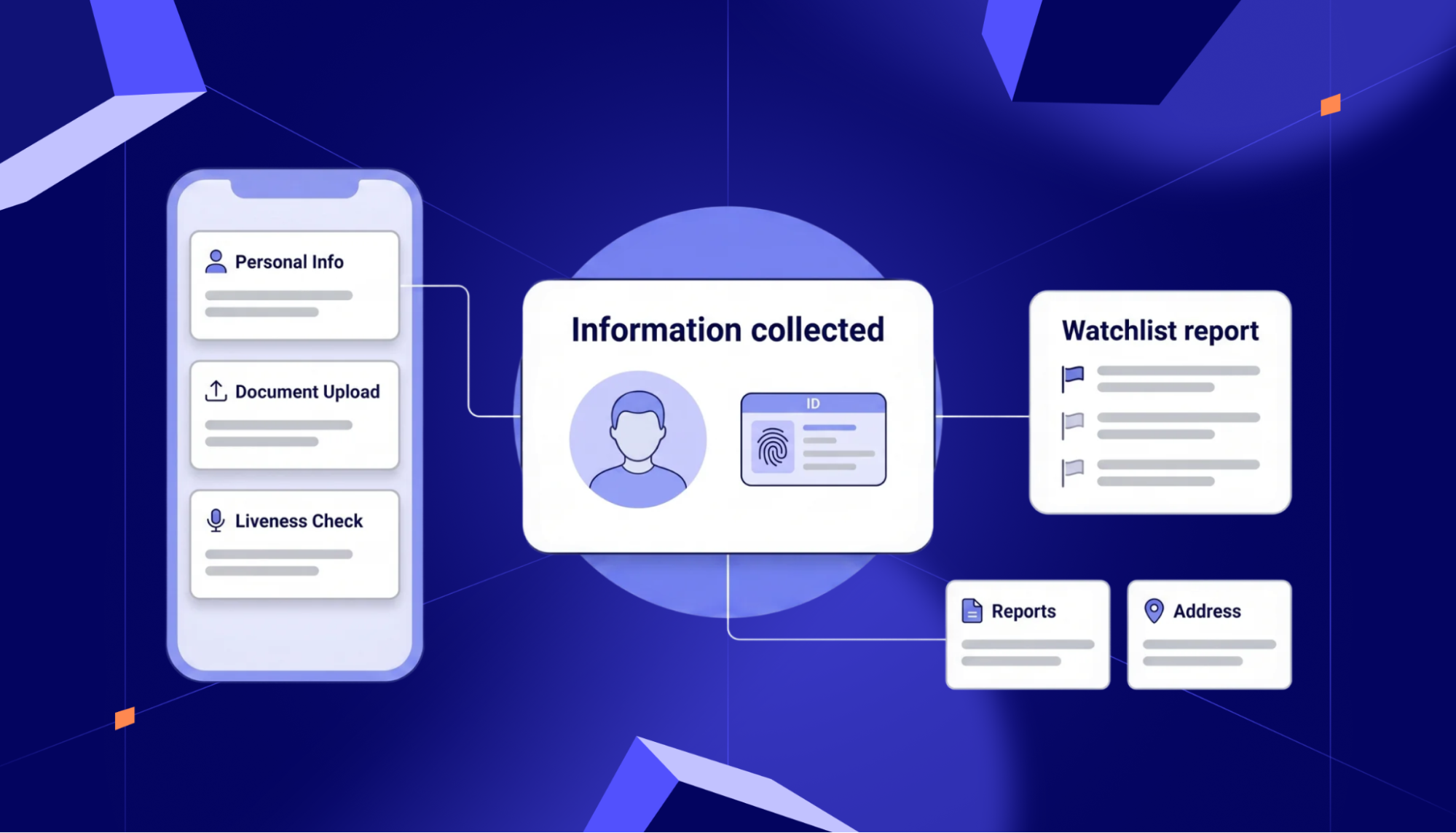
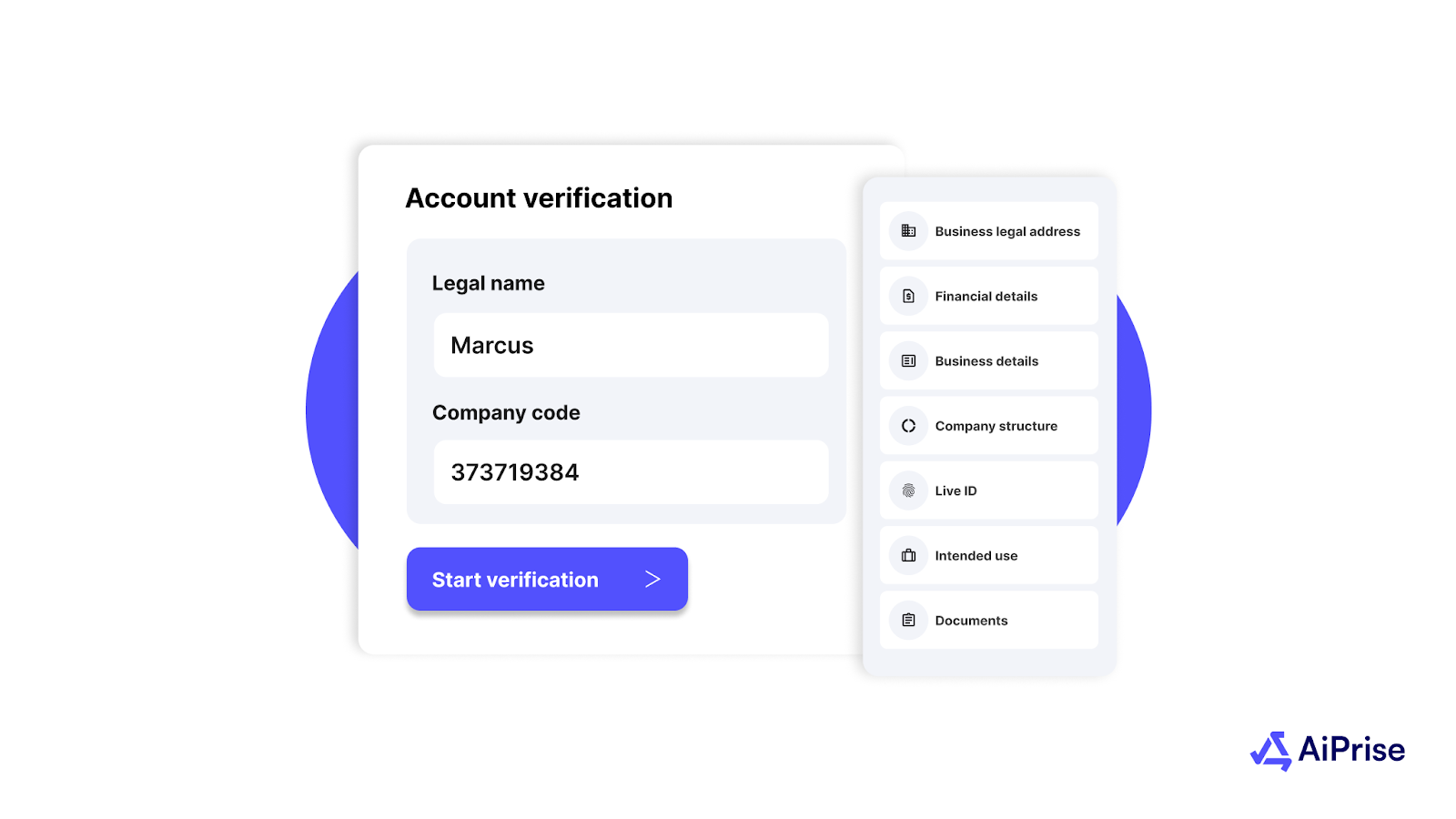
Stage 1: Collection. The business submits its details, documents, and ownership declarations, ideally through a KYB onboarding flow that adapts to the country and entity type rather than a one-size-fits-all form.
Stage 2: Verification. Submitted information is checked against authoritative sources: government registries, corporate filings, and business data providers. The stronger the source, the stronger the check.
Stage 3: Risk scoring. Verified data becomes a risk decision. Ownership complexity, geography, industry, screening hits, and digital footprint combine into a risk score that determines the path: approve, decline, or escalate for review.
Stage 4: Review and decisioning. Cases that need human judgment get it. The quality bar here is defensibility: when a regulator or partner asks why a business was approved, the answer should be a documented decision with sources and reasoning, not a reconstruction from memory.
Stage 5: Ongoing monitoring. Ownership changes, sanctions updates, registry status changes, and adverse media do not wait for your annual review. Continuous monitoring turns onboarding from a point-in-time snapshot into a standing control, and surfaces risk changes when they happen rather than when an auditor finds them.
Where KYB Gets Hard
Four problems account for most of the pain in real KYB programs.
Registry fragmentation. Every country structures business data differently: different registries, different fields, different languages, different levels of digitization. Verification that works in Delaware tells you nothing about how to verify a business in Nigeria, Brazil, or Indonesia. Teams historically solved this with one vendor per market and a spreadsheet holding it together, which works until the day it does not.
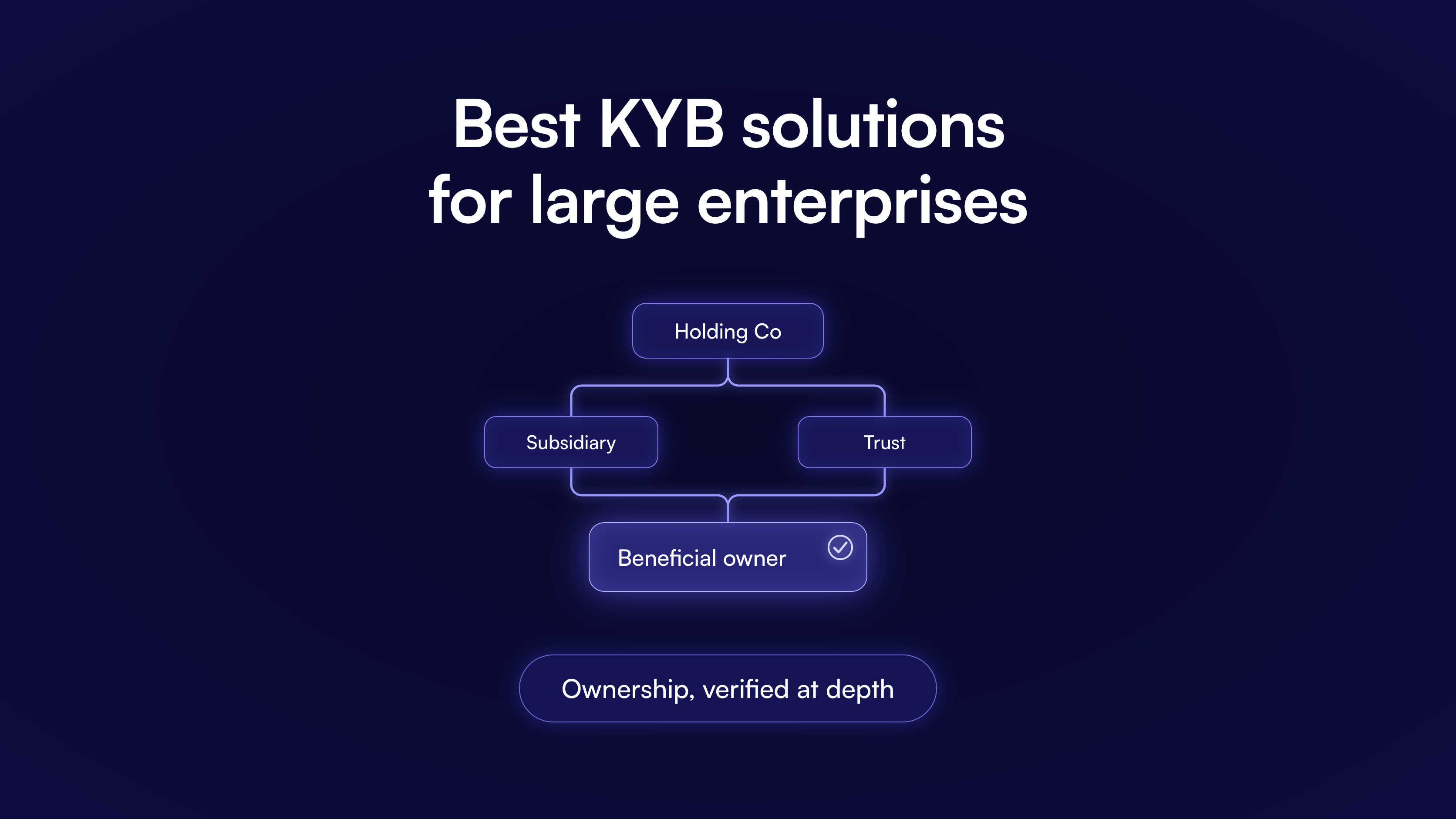
Ownership complexity. UBOs hide behind layers: holding companies, trusts, cross-border structures. Tracing a 25% owner through four jurisdictions is exactly the work that consumes analyst hours, and exactly where manual processes break down.
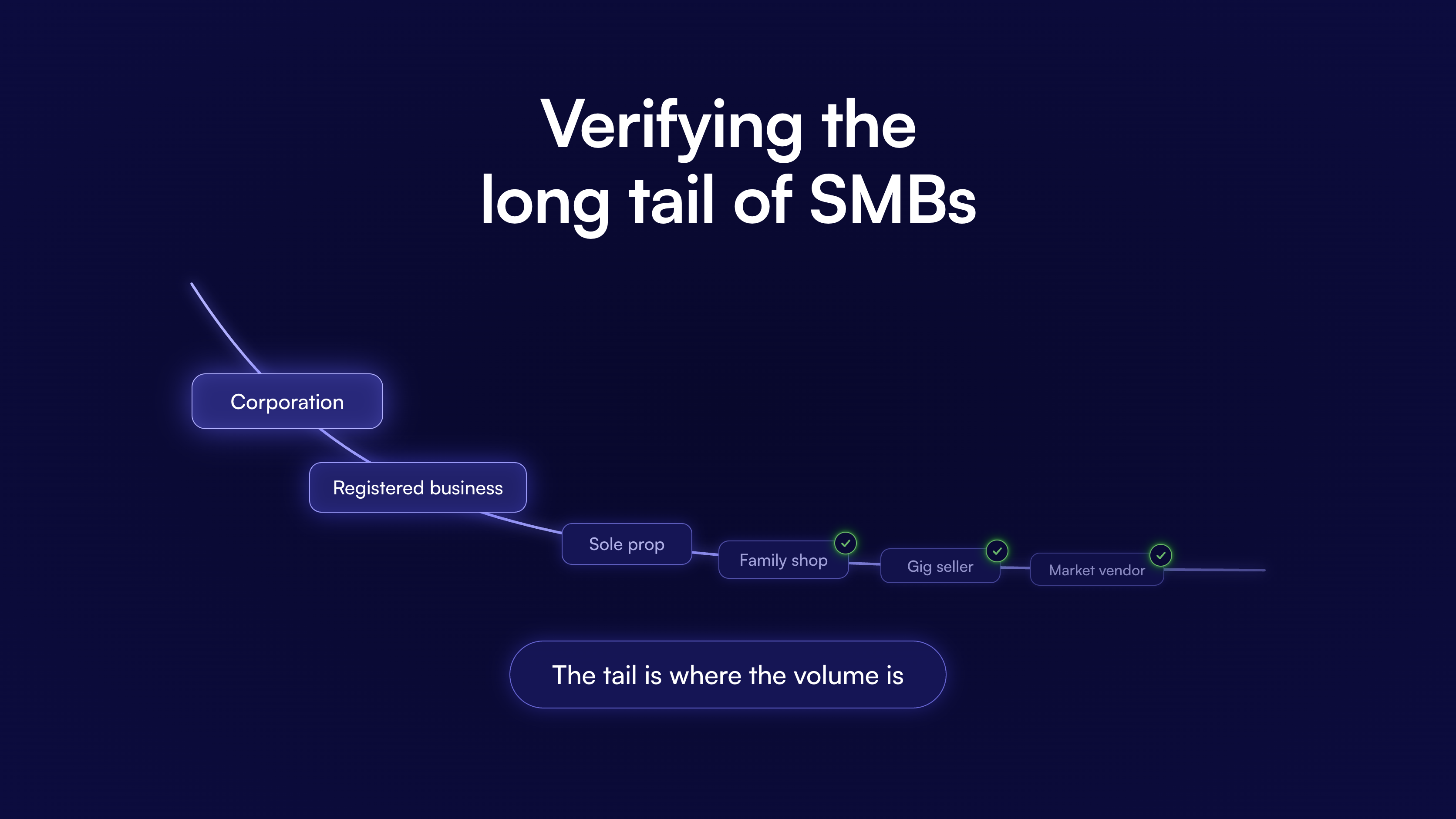
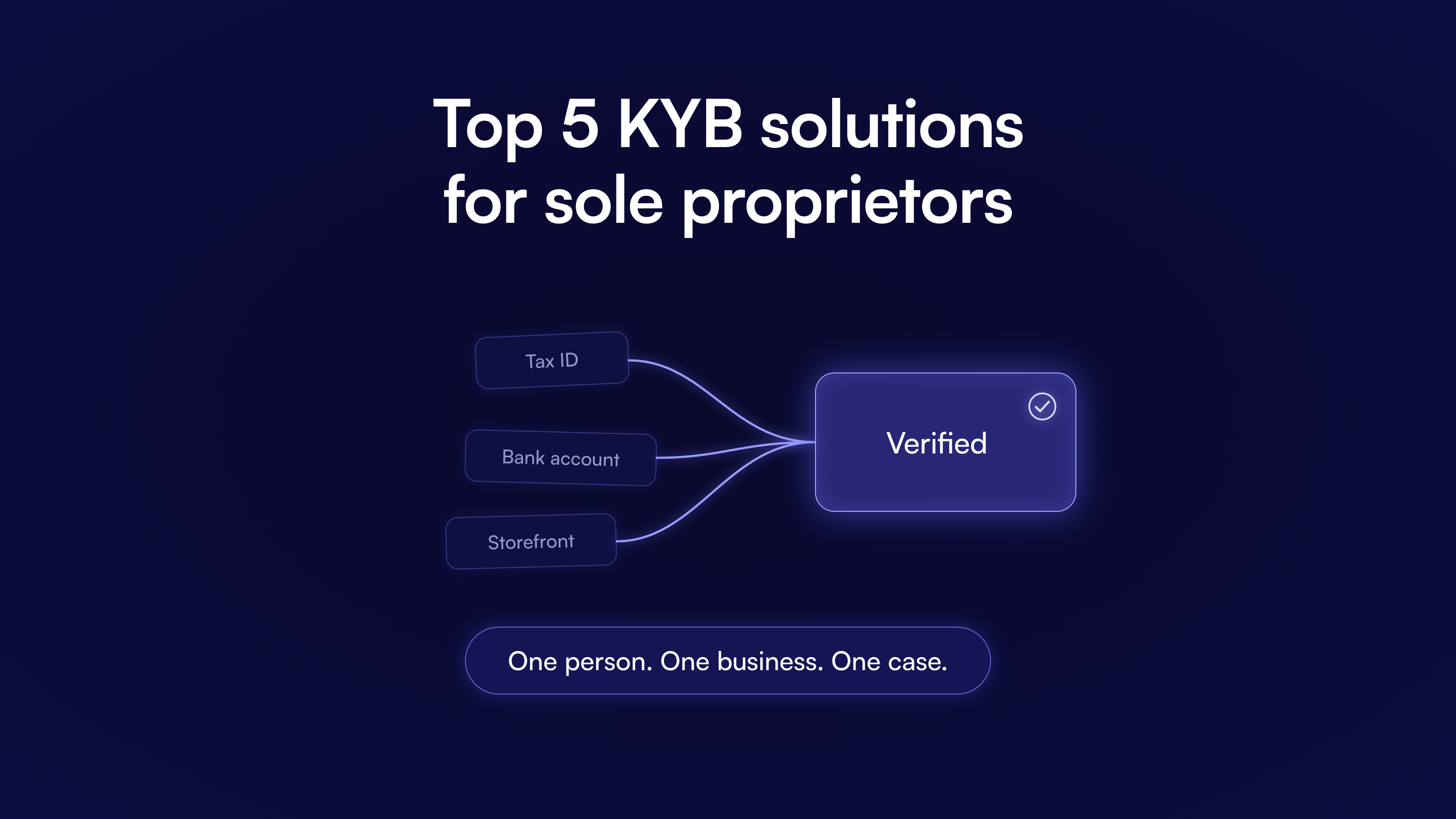
The long tail of small businesses. Sole proprietors and micro-SMBs often have thin or nonexistent registry footprints. Verifying a family business in an emerging market requires local data sources and different evidence than verifying a Delaware C-corp, and treating both the same produces either false rejections or false comfort.
Fraud that manufactures entire businesses. Generative AI has moved fraud beyond fake documents. A credible business can now be manufactured end to end: registration-style documents, a website, invoices, a plausible digital history, and synthetic identities behind it, replicated across dozens of near-identical entities. Checking artifacts one at a time misses the pattern. This is why verification is shifting toward primary sources (the registry record either exists or it does not) and cross-signal analysis (does the website, the registry, and the ownership story agree).
Manual vs Automated KYB
| Manual KYB | Automated KYB | |
|---|---|---|
| Time per business | Hours to days, longer across borders | Minutes for straightforward cases |
| Coverage | Limited to markets the team knows | As broad as the platform's registry and data coverage |
| Consistency | Varies by analyst | Same rules, every case, documented |
| Monitoring | Periodic, calendar-driven reviews | Continuous, event-driven alerts |
| Audit trail | Assembled after the fact | Captured on every decision |
Automation does not remove humans from KYB. It removes the mechanical work (data gathering, registry lookups, first-pass screening) so that human judgment is spent on the cases that need it. On AiPrise, a straightforward KYB check completes in 3 to 5 minutes, and customers automate up to 80% of verification workflows, with analysts reviewing the exceptions.
How to Choose a KYB Solution
Five questions separate the platforms. When you are ready to compare specific providers, our top KYB providers breakdown does the side-by-side.
1. Where does the data come from? Direct registry connections and primary sources beat aggregated, cached data. Ask which markets are covered natively.
2. Does it cover the full lifecycle? Collection, verification, scoring, review, and monitoring in one platform, or just the data layer, leaving you to stitch the rest.
3. Can it handle your hardest segment? Enterprises with deep ownership trees, sole proprietors with thin footprints, or both.
4. Is every decision defensible? Audit trails, documented reasoning, and explainable risk scores are what regulators actually ask for.
5. What happens after onboarding? If the answer is "you re-run checks manually," the platform stops where your risk starts.
How AiPrise Handles KYB
AiPrise is the AI-powered global compliance platform built for companies that operate across borders. KYB on AiPrise covers the full lifecycle in a single API and dashboard:
- Coverage: 200+ countries, 100+ data sources, with direct government registry connections and 800+ business data points per entity.
- Speed: straightforward KYB checks complete in 3 to 5 minutes, with One Click KYB for qualifying businesses.
- Ownership: UBO identification and structuring across multi-layer, cross-border ownership.
- Screening: sanctions, PEP, and adverse media screening on the business and the people behind it, with continuous re-screening after onboarding.
- AI agents: first-pass document review, website verification, and screening handled by purpose-built agents, with audit-ready reasoning on every decision your team can show a regulator.
- Monitoring: registry status, ownership changes, watchlist hits, and website changes tracked continuously, with alerts when risk actually changes.
It is the platform businesses like Bridge (a Stripe company), Nivoda, and Conduit use to verify businesses across markets: Conduit cut business onboarding from 3 weeks to 72 hours running verification through AiPrise.
Frequently Asked Questions
How long does a KYB check take?
Manually, hours to days per business, longer across borders. On an automated platform with direct registry access, straightforward cases complete in minutes; on AiPrise, typically 3 to 5 minutes.
What documents are required for KYB?
Typically proof of registration or incorporation, ownership declarations, and identification for UBOs and directors. The stronger approach verifies against the registry directly, using documents as supporting evidence rather than the source of truth.
Is KYB required by law?
For banks, fintechs, and other regulated financial institutions in the US, EU, UK, and most major markets, yes. For marketplaces and platforms outside regulated scope, KYB is usually contractual (card network and banking partner requirements) and always commercially prudent.
What is a UBO?
An Ultimate Beneficial Owner: an individual who ultimately owns or controls a business, typically defined as holding 25% or more ownership, directly or through other entities.
How often should a business be re-verified?
The honest answer is: whenever something material changes, which calendars cannot predict. Continuous monitoring of registry status, ownership, and watchlists has replaced fixed-interval reviews as the standard.
You might want to read these...





AiPrise
6 min read
KYB Compliance: 2026 Regulations You Should Know About
As organizations expand globally and face tighter regulations, adherence to Know Your Business (KYB) standards has become one of the most critical compliance layers for fintech, online marketplaces, and other companies that need to verify business customers before letting them perform financial transactions.








.png)

.jpg)















.png)








.png)
.png)
.png)











AiPrise’s data coverage and AI agents were the deciding factors for us. They’ve made our onboarding 80% faster. It is also a very intuitive platform.

Head of Operations



See your full compliance picture in one place
Use AI agents and global data to review businesses and users faster and more accurately
