

AiPrise
6 min read
April 21, 2026
KYB Compliance: 2026 Regulations You Should Know About

Key Takeaways

As organizations expand globally and face tighter regulations, adherence to Know Your Business (KYB) standards has become one of the most critical compliance layers for fintech, online marketplaces, and other companies that need to verify business customers before letting them perform financial transactions.
A thorough KYB process protects companies from fraud and sanctions exposure, mitigates reputational damage from association with high-risk partners, and preserves operational continuity and market access, creating a solid foundation for trusted, scalable growth.
Let’s look at the regulations Know Your Business addresses and how embedding KYB checks into your onboarding and ongoing monitoring workflows can help your business stay compliant.
Key Takeaways
- Robust KYB checks ensure only legitimate and compliant entities are onboarded.
- KYB is an essential component of compliance for online marketplaces and financial services, helping companies adhere to anti-money laundering regulations.
- Ineffective or weak KYB can lead to negative consequences, including reputational damage and fines.
- The penalties for KYB non-compliance vary depending on the specific law or regulation and jurisdiction.
How Do KYB Requirements Support Compliance?
Know Your Business (KYB) is the process of verifying that business clients are who they say they are. It helps with compliance by ensuring that business customers are not shell companies or involved in financial crimes such as money laundering, fraud, or terrorist financing. Data checks are performed to confirm a company’s registration, identify Ultimate Beneficial Owners (UBOs), and assess other potential risks.
The four primary objectives of KYB are to protect the business (fraud prevention), stay legal (regulatory compliance), control exposure (risk management), and enable trusted growth (ecosystem integrity).
1. Fraud prevention
KYB helps protect businesses from fraud by verifying that clients are legitimate companies. The process unearths issues such as:
- The existence of fake or shell businesses
- Hidden beneficial owners or sanctioned parties
- Fraudulent transactions, money laundering, or chargeback abuse
2. Regulatory compliance
Failing to meet KYB anti-money laundering or beneficial ownership requirements or not keeping data checks current to prove due diligence during audits or investigations can trigger penalties. KYB prevents gaps that could lead to non-compliance issues, such as:
- Missing beneficial ownership and UBO verification requirements
- Incomplete documentation or weak audit trails
- Gaps in onboarding and monitoring partners from different countries
3. Risk management
When companies cannot correctly assess the risk level of a business relationship, changes in that legal entity’s ownership, behavior, or transaction patterns can go unnoticed. Poor internal coordination also creates blind spots between compliance, fraud, and operations teams, including:
- Misclassifying high-risk businesses as low risk
- Failing to monitor changes in ownership, sanctions status, or activity
- Internal silos that cause missed alerts or slow escalation
4. Ecosystem integrity
Using a thorough KYB process for compliance supports trust across payment networks, supply chains, marketplaces, and other business ecosystems. It helps businesses avoid issues, such as:
- Untrustworthy businesses entering the network
- Reputational damage spreading across partners and platforms
- Difficulty with business verification and transparency
The Difference Between KYB and KYC
KYB data checks look at a company’s legitimacy, ownership structure, and the people who ultimately control it, whereas KYC verifies individuals with data checks pertaining to a person’s identity and risk profile.
Ineffective or weak KYB (or KYC) can lead to the same issues with risk and compliance, such as regulatory penalties and sanctions, increased fraud exposure, operational inefficiencies, and increased regulatory scrutiny, which slow onboarding and limit scaling.
What Regulations Require KYB Compliance?
KYB rules vary by country. However, most follow AML standards similar to those set by the Financial Action Task Force (FATF) in the US and require identity verification, beneficial ownership checks, and suspicious activity monitoring.
KYB Laws vs. Regulations
There is no single standard for KYB. Also, the due diligence and documentation required by regulators vary from one industry to the next. For example, fintech KYB is mandatory with audits and enforceable expectations. SaaS companies, on the other hand, should perform KYB for risk management, but it’s rarely mandated by regulators.
Here’s a general breakdown of KYB compliance laws and regulations for the US, Europe, and Asia. This chart also illustrates potential consequences of not complying with a law or regulation.
Types of Businesses That Need KYB for Compliance
What types of businesses need to have KYB checks in place to stay compliant?
- Banks and credit institutions must verify the legitimacy and ownership of corporate clients.
- Payment service providers, marketplaces, and fintechs offering digital payments, online wallets, remittance services, or merchant accounts use KYB to avoid facilitating financial crime.
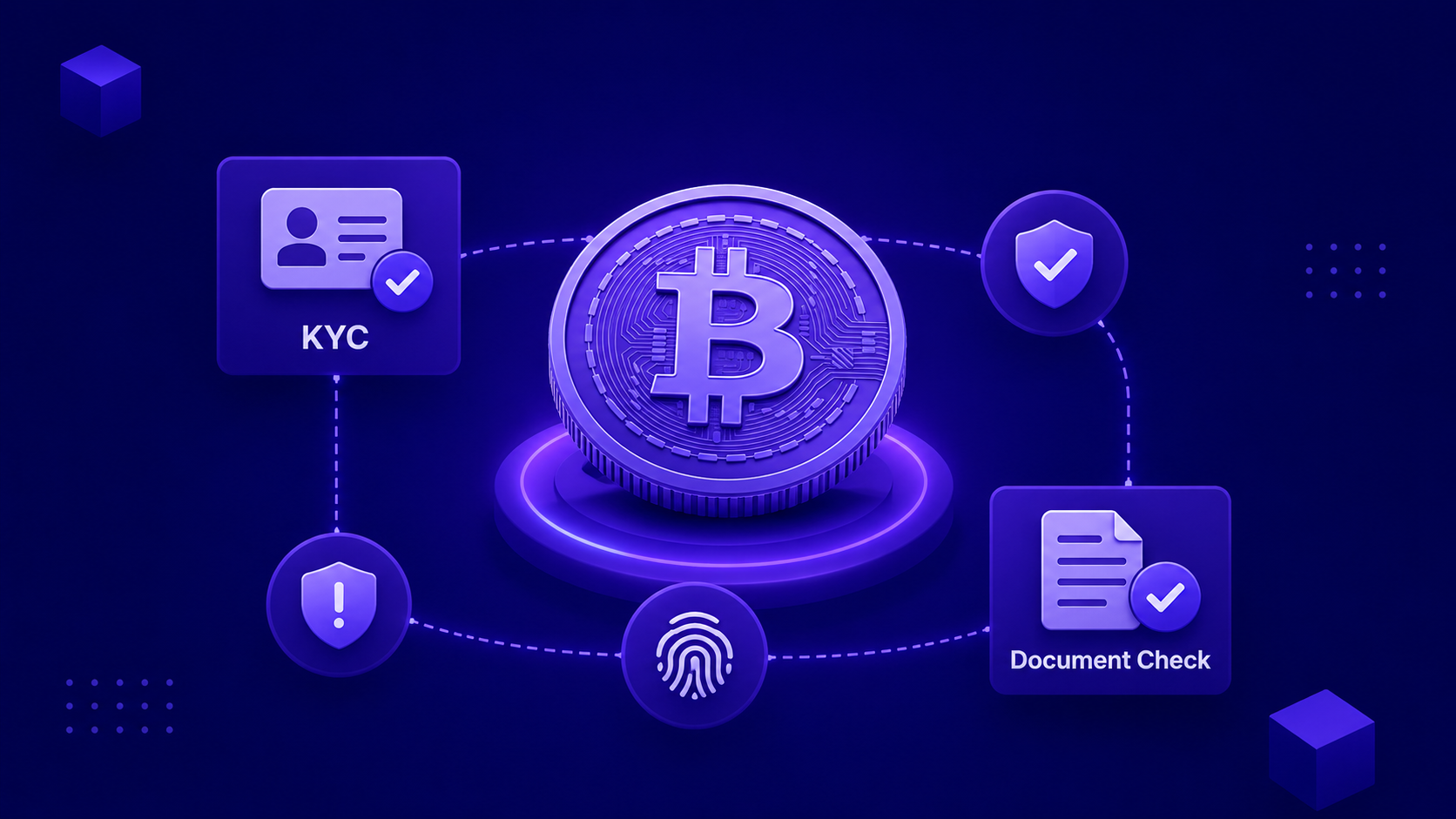
- Cryptocurrency and digital asset platforms must verify corporate clients’ ownership structures to prevent fraud and illicit financing.
- Investment and asset management firms must understand beneficial ownership of investment targets or partners.
- Insurance companies are required to perform due diligence to prevent fraud, money laundering, or sanctions violations.
- Professional service providers offering business registration, advisory, or fiduciary services must verify clients’ identities and ownership structures.
- Businesses in regulated ecosystems, such as companies operating in sectors with strong ESG, supply chain, or third-party risk obligations, may need KYB for vendor, partner, and supplier onboarding to manage systemic risk.
Common KYB Challenges and How an AI-Powered Platform Can Help You Stay Compliant
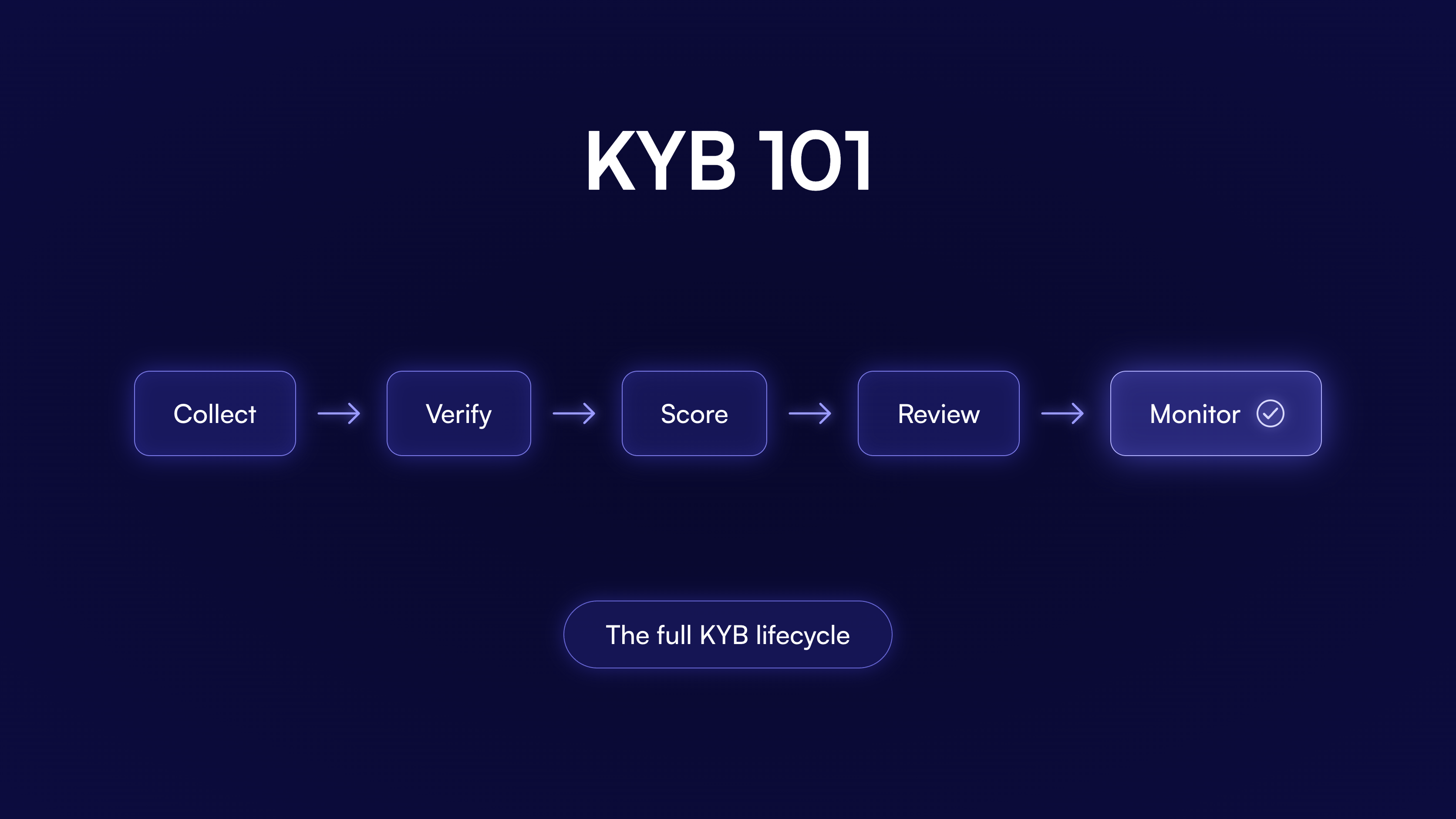
To stay compliant and competitive, organizations need to move from static, manual KYB processes to dynamic, intelligence-driven systems that provide ongoing visibility into who they’re doing business with, and the risks that come with those business relationships. Here’s how a complete verification platform with AI-powered KYB can support compliance without taxing your internal resources.
Complex Ownership Structures
Problem: Identifying UBOs across jurisdictions is difficult when businesses use layered entities, trusts, or offshore holdings. This lack of transparency creates blind spots in risk exposure.
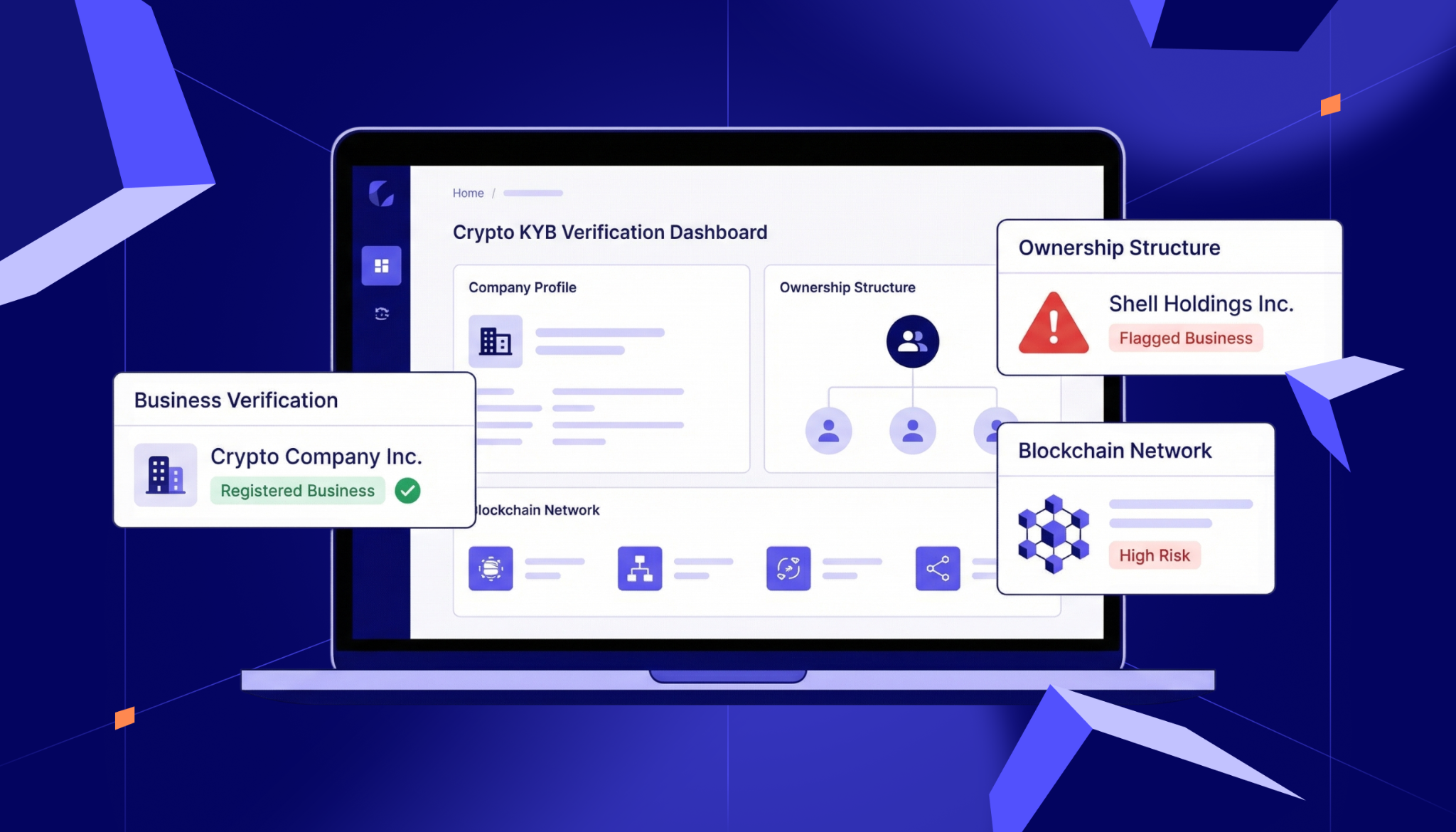
Solution: Use advanced analytics and visualization tools to map and interpret ownership structures across global registries, revealing hidden relationships and control.
What’s needed:
- Centralized ownership mapping with multi-jurisdictional registry integration
- Graph-based visualization of ownership chains and control relationships
Fragmented and Inconsistent Data
Problem: Corporate data is spread across multiple registries and providers, often inconsistent, outdated, or incomplete, leading to unreliable verification.
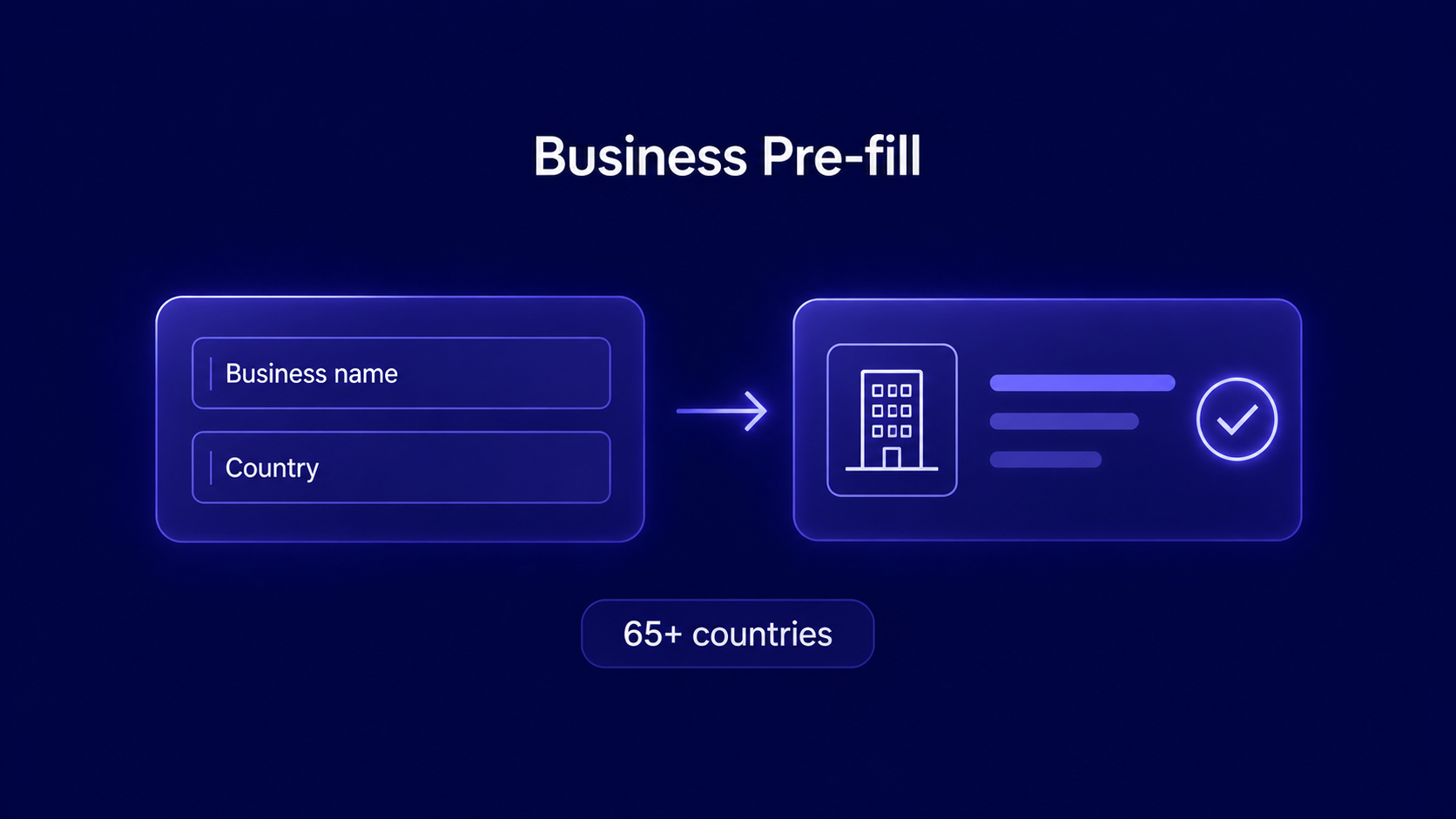
Solution: Deploy an automated data platform with standardized verification procedures that combine multiple sources and validate information in real time to ensure reliable data without the risk of manual errors.
What’s needed:
- Unified data architecture to create a single source of truth
- Real-time data validation and cross-source reconciliation
Manual and Inefficient Processes
Problem: Reliance on spreadsheets, emails, and physical documents is slow and costly, impacting onboarding efficiency.
Solution: Automate onboarding with AI document verification and risk scoring algorithms to reduce operational costs while enhancing compliance accuracy.
What’s needed:
- AI/ML-powered document verification and entity matching
- AI-driven risk scoring with API integrations and data aggregation
Compliance vs. Client Experience Trade-Offs
Problem: Strict KYB procedures can create friction for legitimate businesses, leading to delays or lost clients.
Solution: Adopt risk-based verification that dynamically adjusts requirements based on client profile, combined with seamless digital workflows.
What’s needed:
- Risk-tiered verification flows with adaptive requirements
- Digital self-service onboarding with minimal friction
- Cross-functional visibility across legal, risk, and procurement teams
Lack of Continuous Monitoring
Problem: Point-in-time onboarding checks fail to capture evolving risks such as ownership changes, sanctions exposure, or adverse media.
Solution: Implement ongoing monitoring that tracks changes in UBOs, corporate status, and global risk lists with dynamic alerts and automated reassessments to ensure risk profiles are up to date and actionable.
What’s needed:
- Event-driven alerts (e.g., UBO changes, sanctions updates)
- Real-time risk scoring and automated re-evaluation workflows
Protect Your Business with Automated KYB Compliance
Strategic KYB compliance is a business enabler in addition to a regulatory requirement. AiPrise is an end-to-end automated KYB and KYC platform that simplifies KYB compliance at scale. It offers in-depth identity and business verification and customizable workflows, helping businesses reduce risk and stay compliant without compromising growth. Book a demo today and learn how AiPrise can power your KYB compliance strategy.
Frequently Asked Questions
What is the KYB process?
The KYB process involves a series of checks to verify that a business is a legitimate entity. It includes screening Ultimate Beneficial Owners (UBOs) and flagging potential red flags of a fraudulent business, such as listing an address that doesn’t exist or being registered in multiple locations. It's a foundational risk assessment tool in the financial services industry.
Who needs to comply with KYB requirements?
Most banks and other financial institutions need to comply with KYB requirements. If your business onboards other businesses and has to follow anti-money laundering laws, KYB compliance is an important step in preventing fraud and reducing risk.
Are KYB checks mandatory for crypto-asset service providers?
KYB checks are mandatory for crypto-asset service providers that onboard business entities. Know Your Business is also used by payment platforms, neobanks, and marketplaces to verify business identities and protect against fraud.
You might want to read these...
















.png)

.jpg)

















.png)








.png)
.png)
.png)














.png)

AiPrise’s data coverage and AI agents were the deciding factors for us. They’ve made our onboarding 80% faster. It is also a very intuitive platform.

Head of Operations



See your full compliance picture in one place
Use AI agents and global data to review businesses and users faster and more accurately
