

AiPrise
July 16, 2026
What Is Structuring in AML? A Complete Guide

Key Takeaways

Large cash transactions are easy to spot. But a series of smaller transactions spread across days, branches, or accounts can be very difficult to detect at a glance. This is why structuring is one of the persistent AML problems for banks, fintechs, and regulators.
The challenge is not just limited to identifying suspicious transactions. You also have to see the pattern that emerges when you view a seemingly ordinary activity in its entirety.
According to FinCEN's FY 2024 Year in Review, financial institutions filed approximately 20.5 million Currency Transaction Reports (CTRs) and 4.7 million Suspicious Activity Reports (SARs). Such volumes make it critical to identify patterns that may otherwise go unnoticed.
In this guide, we'll examine what structuring in banking and money laundering is, how it works, common examples, the penalties involved, and the measures organizations can take to detect and prevent it.
Key Takeaways
- Structuring involves breaking a larger transaction into smaller ones. This is commonly done to avoid reporting or recordkeeping requirements and is a common red flag for financial crime.
- While often associated with money laundering, structuring can also be linked to fraud, tax crimes, and other illicit activity.
- Financial institutions may face regulatory, operational, and reputational risks if they don't comply.
- Detecting AML structuring requires more than threshold checks. Organizations need strong customer due diligence, comprehensive AML programs, and transaction monitoring systems.
- AI-powered KYC and AML platforms like AiPrise help organizations strengthen onboarding, monitor customer risk, identify suspicious patterns, and manage compliance workflows better.
What Is Structuring?
Structuring is the deliberate splitting of one large financial transaction into several smaller ones to avoid bank reporting or recordkeeping rules.
It is done to keep the full amount from drawing attention and may be used to hide money laundering, tax evasion, or fraud. Under U.S. law, this practice is illegal even when each smaller transaction is ordinary on its own.
Structuring vs. Smurfing: What's the Difference?
Smurfing is a specific form of structuring that uses multiple people, accounts, or locations to carry out smaller transactions and make them harder to detect.
For example, instead of one person depositing $30,000 in cash, three individuals may each deposit $10,000 or less at different branches or on different days. All smurfing is structuring, but not all structuring is smurfing.
How Criminals Use Structuring to Avoid Detection
Structuring usually happens in three stages. Each stage helps move money in a way that makes it harder to trace. For example, assume an individual has obtained $100,000 through illegal activities or other unreported sources and wants to make the funds appear legitimate.
- Placement starts when the cash enters the financial system. For example, let's say a person, instead of depositing $100,000 all in one go, will make dozens of smaller deposits over several days.
- In layering, the money moves through various accounts, transfers, or even jurisdictions that make the trail difficult to follow.
- Integration brings the money back into legitimate use through purchases, investments, or business activity. For example, the same $100,000 is then used to buy property or invest in a business.
Industries Commonly Exposed to Structuring Risk
Structuring can occur anywhere money moves through regulated financial channels.
Banks and Credit Unions
Banks process deposits, withdrawals, and other financial transactions, which can give customers the opportunity to spread activity across accounts, branches, or multiple days.
Money Services Businesses (MSBs)
Money transmitters and currency exchanges frequently handle cash transactions and money transfers. This can make them attractive to individuals looking to break larger amounts into smaller ones.
Fintech and Payment Providers
Digital payment platforms process high volumes of transactions across multiple channels. Monitoring customer activity across accounts and payment methods can help identify unusual patterns.
Cryptocurrency Exchanges
Digital asset platforms may encounter attempts to split larger transfers across wallets, exchanges, or transactions. As a result, many exchanges apply AML and transaction monitoring controls similar to those used in traditional financial services.
Casinos and Gaming Businesses
Casinos often handle significant amounts of cash and financial transactions. Regulators therefore expect strong AML controls to detect activity that may be intended to avoid reporting obligations.
Real Estate and Other High-Value Transactions
Property purchases and other high-value transactions can be used to move or conceal funds. When structured activity is linked to these transactions, it may make the source of funds more difficult to trace.
Common Examples of Structuring
Customers involved in structuring often try to avoid reporting requirements by making transactions appear smaller or less noticeable than they really are.
Common examples include:
- Keeping transactions just below reporting or recordkeeping thresholds.
- Breaking one large deposit, withdrawal, or transfer into multiple smaller transactions.
- Conducting transactions across different days, branches, accounts, or staff members to avoid attention.
- Purchasing money orders, cashier's checks, or similar instruments in repeated small amounts.
- Using third parties to make transactions on their behalf.
- Providing different names, addresses, identification documents, or other details across transactions.
- Refusing to provide required information or cancelling a transaction after learning that reporting requirements apply.
- Receiving multiple small transfers and then quickly moving the funds to another person, account, city, or country.
- Sending repeated transfers to the same recipient in amounts just below reporting thresholds.
- Making transactions that do not align with the customer's occupation, business activities, income level, or typical financial behaviour.
- Paying large amounts in cash when cash is not normally required for the product or service.
- Showing sudden changes in transaction patterns, such as a rapid increase in cash activity or frequent purchases of monetary instruments.
Why Structuring Matters Beyond Compliance
Structuring is not just a reporting issue. It disguises the movement of funds linked to money laundering, drug trafficking, bribery, and other types of financial crime.
By spreading activity across multiple transactions, individuals may attempt to make unusual behaviour appear routine. This creates challenges for investigators, as connecting those transactions often requires additional review and analysis.
The impact is also felt by financial institutions. Investigating potentially structured activity, filing reports, and maintaining effective controls all require time, staff, and technology. As these efforts grow, so do compliance costs.
Another concern is that financial systems are built on transparency and trust. When criminals can easily move funds without attracting attention, confidence is shaken.
Finally, if there are repeated incidents of structuring, that showcases gaps in existing processes that organizations need to check for. These could be anything like ineffective transaction monitoring or a weak alert investigation process.
Penalties and Regulatory Consequences
Structuring is a violation of reporting obligations in the Bank Secrecy Act (BSA). A key requirement under this act is the CTR.
Financial institutions generally must file a CTR when cash transactions exceed $10,000 in a single business day. That said, the amount alone is not enough to determine whether structuring has occurred. Financial institutions typically look at the broader context, including transaction patterns and whether there appears to be a deliberate effort to stay below the $10,000 threshold.
The consequences of engaging in structuring can be significant, including paying fines and facing up to five years' imprisonment. In cases of larger patterns of unlawful activity, penalties can increase to up to ten years' imprisonment.
Furthermore, accounts may be restricted or closed, financial institutions may file SARs, and businesses can face investigations, increased scrutiny, and reputational damage.
How Organizations Can Prevent and Detect Structuring
Organizations need a combination of controls, monitoring, and investigative processes to identify potentially structured activity and meet their compliance obligations. Here are some best practices.
Build a Strong AML Compliance Program
Under the BSA, financial institutions are expected to maintain strong AML controls to identify and report suspicious activity. Here, there's no one model; the right approach depends on several factors:
- Products and services
- Customer types and risk profiles
- Geographic exposure
- Transaction volumes and channels
Understanding these factors helps organizations build an AML program that focuses resources where they are needed most, rather than applying the same controls everywhere.
Strengthen Customer Due Diligence
You can identify most structuring cases long before a suspicious transaction occurs.
This is why organizations should:
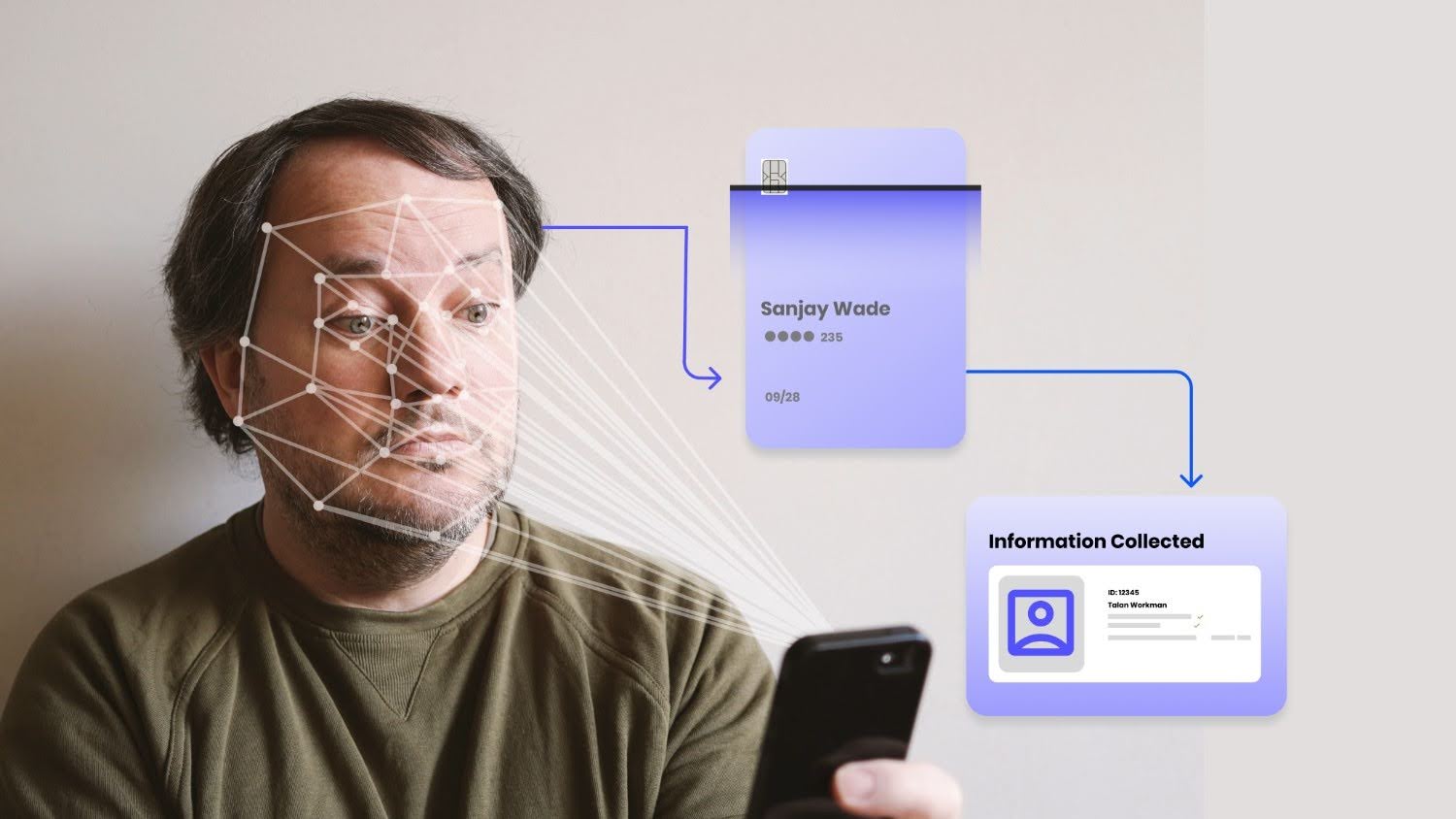
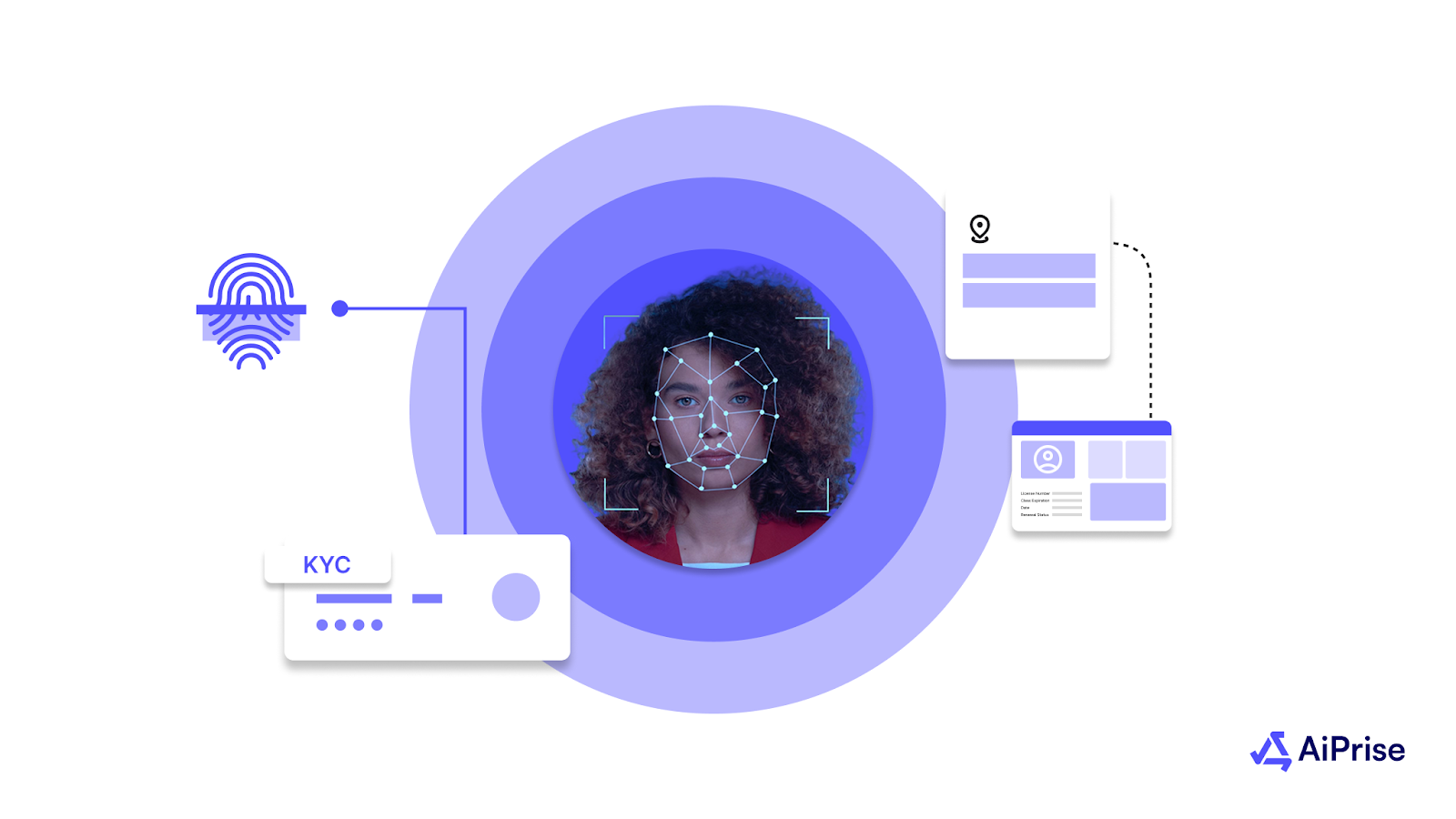
- Verify customer identities through risk-based KYC checks
- Confirm beneficial owners of business customers
- Apply enhanced due diligence for higher-risk transactions
- Review customer information periodically
For example, a small local retailer making occasional cash deposits may present a very different risk profile from a business sending frequent international payments.
Deploy Advanced Transaction Monitoring
It's important to understand that a threshold check alone isn't enough. A customer can spread the threshold amount across accounts or branches.
Effective monitoring looks for patterns such as:
- Repeated transactions just below reporting thresholds
- Sudden increases in cash activity
- Transactions inconsistent with previous behavior
- Activity spread across multiple products or channels
Use Link Analysis and Relationship Mapping
Some structuring schemes involve more than one person or account. Funds may move through family members, related businesses, or connected accounts before reaching their final destination.
Link analysis helps organizations:
- Identify hidden relationships
- Detect coordinated activity
- Visualize transaction networks
This additional context can make investigations faster and more effective.
Establish Strong SAR Processes
Detection is only useful if concerns are reviewed and escalated appropriately. A strong SAR process should ensure alerts are reviewed promptly, handled consistently across the organization, and supported by clear accountability. This helps reduce delays and improves decision-making.
Organizations should have procedures for:
- Investigating unusual activity
- Escalating concerns to compliance teams
- Documenting findings
- Filing SARs when needed
Use KYC and AML Technology
Manual reviews can be difficult when customer volumes grow. Modern KYC and AML platforms such as AiPrise use AI and automation to help compliance teams simplify onboarding, monitoring, and investigations.
Aiprise’s features and offerings can help organizations:
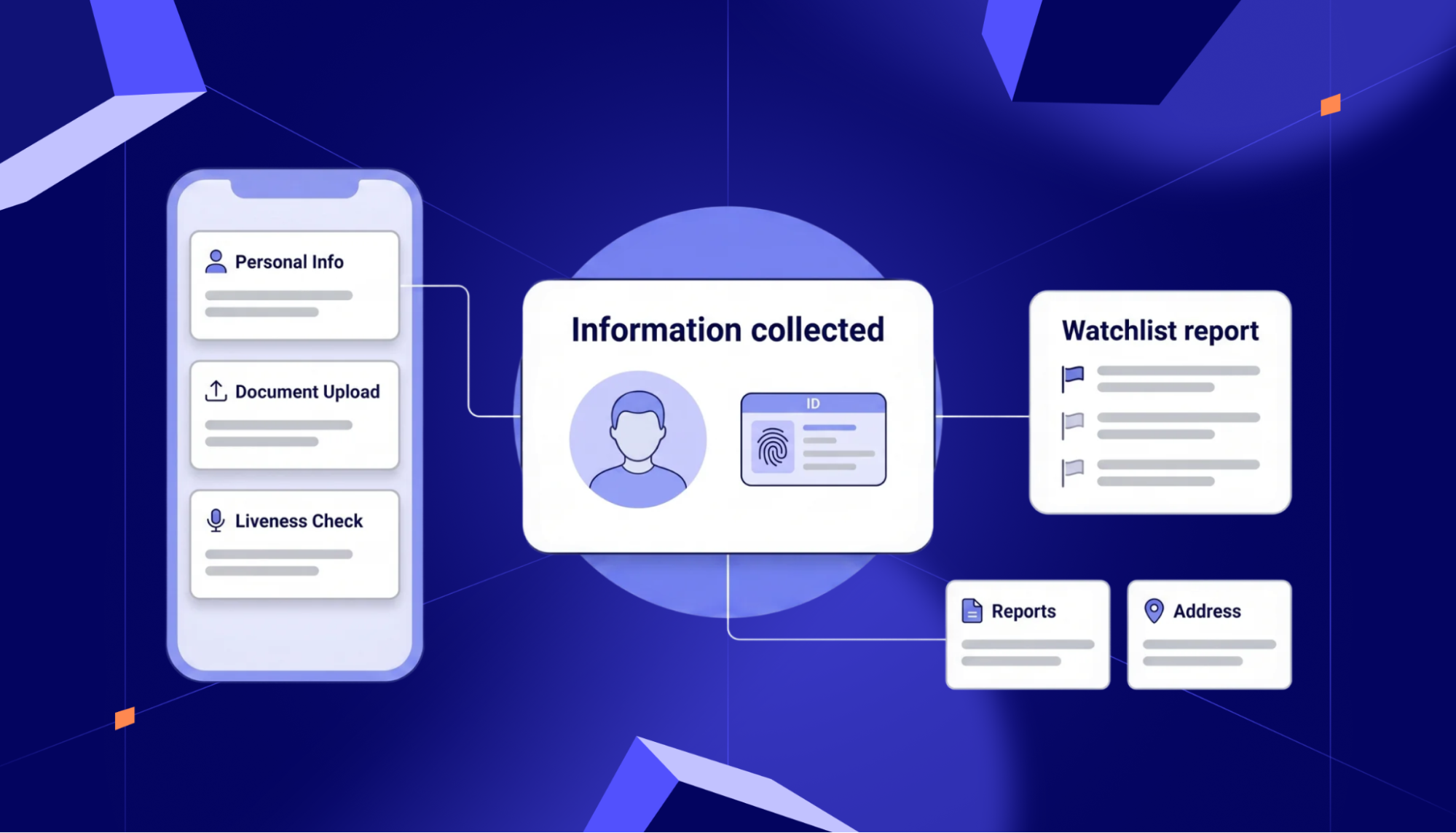
- Verify individual and business identities during onboarding itself.
- Identify beneficial owners to understand who really controls the business.
- Prioritize higher-risk customers based on factors like geography, industry, ownership structure, and customer behavior.
- Monitor customers on a continuous basis and highlight changes that may require additional review.
- Detect patterns and connections across accounts that might be difficult to identify through manual reviews alone.
- Consolidate alerts, customer records, investigation notes, and supporting documents into a single case.
- Automate routine compliance tasks, approvals, and escalations, allowing teams to spend more time on higher-risk activity.
Combating Structuring With KYB and KYC
Structuring can conceal suspicious activity behind transactions that appear harmless on their own.
While the technique may vary across industries, accounts, and payment channels, the underlying objective is often the same: reducing visibility and avoiding scrutiny.
For organizations, effective detection requires combining strong KYC and KYB controls, ongoing customer risk assessments, transaction monitoring, and investigative workflows to help uncover patterns that might otherwise go unnoticed.
Book a demo to see how AiPrise can support your AML and compliance program.
FAQs
Is structuring always linked to money laundering?
No. Structuring is commonly associated with money laundering, but it can also be relevant in the context of financial crime like fraud, tax and sanctions evasion, and corruption. In some cases, individuals may structure transactions involving legitimate funds to avoid reporting obligations, which can still attract regulatory problems.
What is the difference between layering and structuring?
Structuring and layering are different concepts. Structuring is breaking a larger transaction into smaller amounts so that there's no need for reporting. Layering is a stage of money laundering where funds move through different jurisdictions or accounts to disguise the origin of the money.
Can cryptocurrency transactions be structured?
Yes. Although you'd hear about structuring commonly in the cash context, similar tactics can be adopted for digital assets. For example, an individual may divide a larger cryptocurrency transfer into multiple smaller transactions across wallets, exchanges, or time periods.
How long can structuring activity go unnoticed?
There is no fixed timeframe. Some activity can become obvious through transaction monitoring systems, while more sophisticated ones can continue for months or longer. Detection often depends on factors such as transaction patterns, customer behavior, and the effectiveness of an organization's AML controls.
Is a SAR required for every transaction near the $10,000 CTR threshold?
No. A transaction or series of transactions near the $10,000 CTR threshold does not automatically require a SAR. Financial institutions are generally expected to file a SAR when they know, suspect, or have reason to suspect that transactions are being conducted to evade reporting obligations. The amount alone is not sufficient to establish suspicion.
You might want to read these...









AiPrise
6 min read
KYB Compliance: 2026 Regulations You Should Know About
As organizations expand globally and face tighter regulations, adherence to Know Your Business (KYB) standards has become one of the most critical compliance layers for fintech, online marketplaces, and other companies that need to verify business customers before letting them perform financial transactions.










.png)

.jpg)

















.png)








.png)
.png)
.png)











.png)

AiPrise’s data coverage and AI agents were the deciding factors for us. They’ve made our onboarding 80% faster. It is also a very intuitive platform.

Head of Operations



See your full compliance picture in one place
Use AI agents and global data to review businesses and users faster and more accurately
