

AiPrise
12 min read
January 9, 2026
Top 8 Liveness Detection Tools for Customer Onboarding in 2026
Key Takeaways

Liveness detection has become a critical control in digital customer onboarding. As more businesses move to fully remote KYC, the risk of impersonation, synthetic identities, and deepfake-enabled fraud has increased sharply.
The newly released data by the Federal Trade Commission shows that reported fraud losses in 2024 exceeded $12.5 billion, marking a 25% increase compared to the previous year. This rise reflects growing abuse of digital channels, putting additional pressure on onboarding systems to stop fraud before accounts are created.
Static selfie checks and manual reviews are no longer sufficient. Fraudsters now use high-quality images, replayed videos, and AI-generated faces to bypass basic identity checks. Liveness detection addresses this gap by confirming real-time user presence during onboarding.
In this guide, we explain how liveness detection works, why it matters today, and review the top liveness detection tools for secure customer onboarding.
At a glance:
- Liveness detection confirms a real person is behind the selfie during onboarding, blocking impersonation, stolen IDs, synthetic identities, and deepfakes before they enter KYC flows.
- It stops major spoofing methods, including printed photos, screen replays, injected videos, 3D masks, and AI-generated faces, reducing fraud and manual review pressure.
- Liveness tools use biometric face matching, passive and active checks, depth and texture analysis, micro-expression signals, and device data to confirm real-time presence.
- Popular tools like AiPrise, Innovatrics, iProov, Identomat, Mitek, Azure Face Services, Smile ID, and Facia.ai offer strong anti-spoofing, deepfake protection, and global document support.
- When evaluating solutions, focus on spoof resistance, speed, passive and active options, face-match accuracy, device performance, deepfake detection, integration flexibility, and compliance logs.
What Is Liveness Detection in Customer Onboarding?
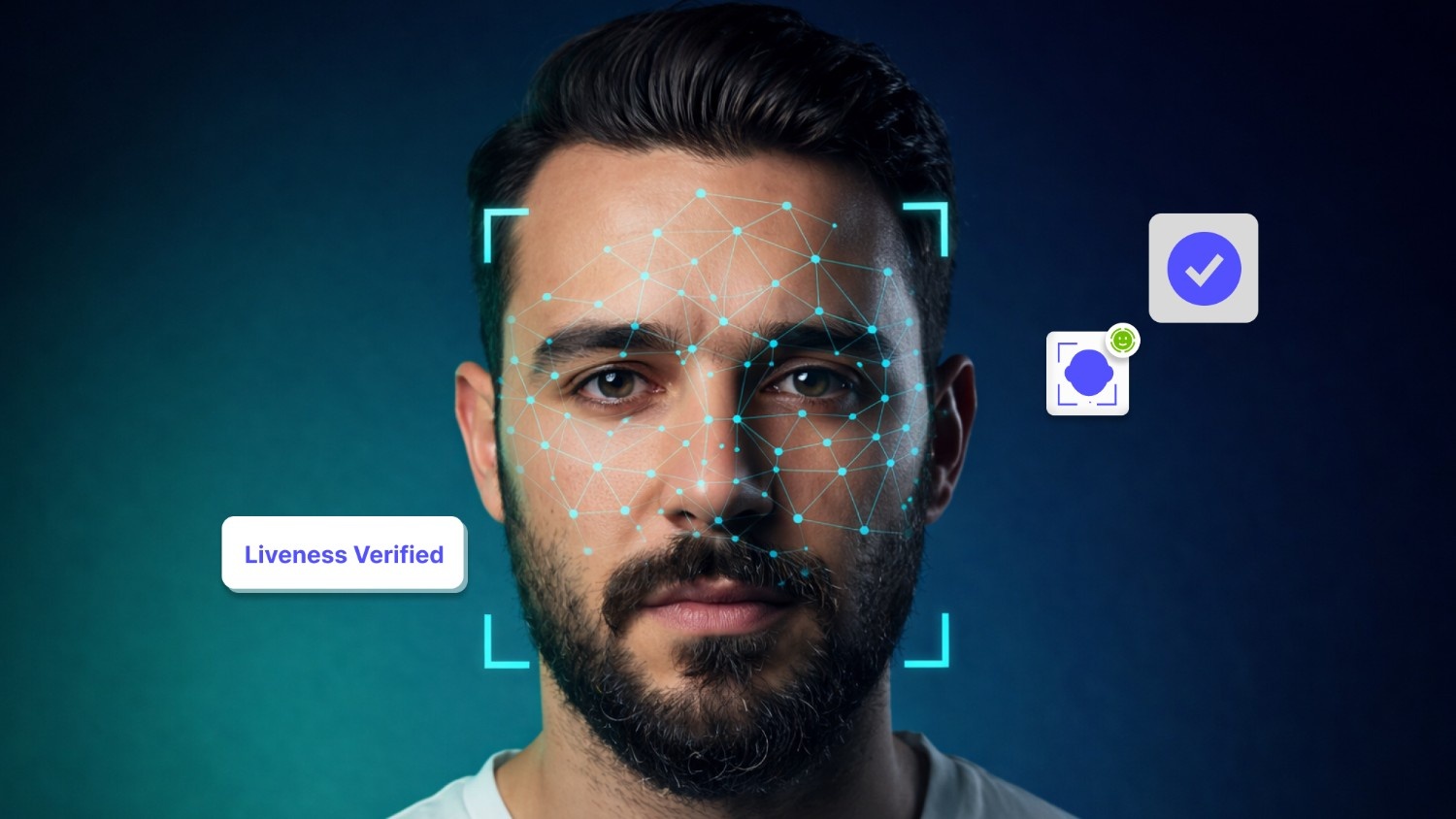
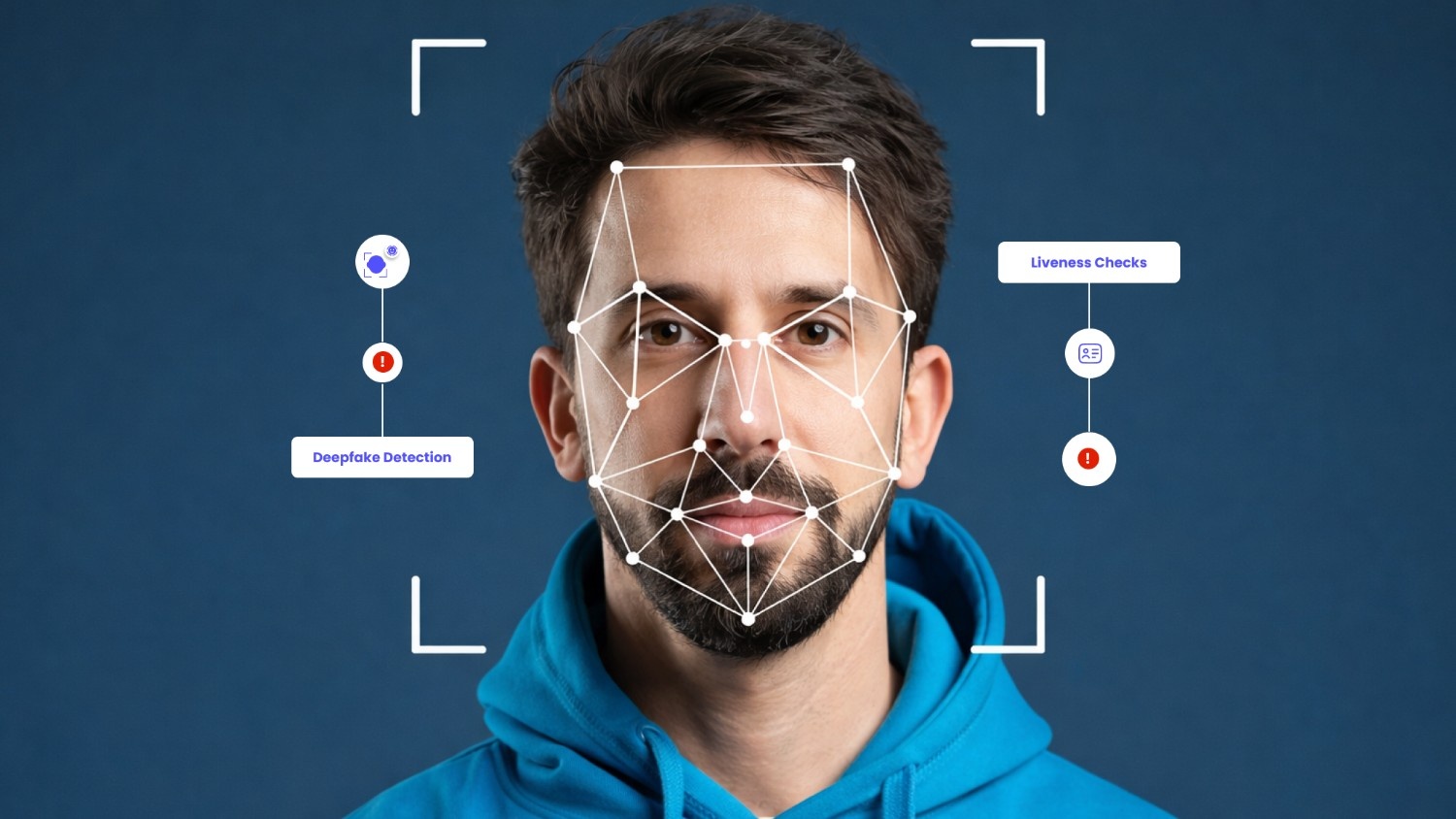
Liveness detection is a biometric check that confirms the person taking a selfie during onboarding is physically present. It helps verify that the face on camera belongs to a real user and not a photo, screen, or AI-generated image. Most teams pair it with ID verification to ensure the selfie matches the document.
Businesses use liveness checks in KYC because remote onboarding has made impersonation easier. Stolen IDs, synthetic identities, and deepfakes often look convincing in still images.
A liveness step adds a real-time filter that blocks these attempts before they reach manual review.
Liveness tools are designed to stop a wide range of spoofing attempts, such as:
- Printed photos or digital images
- Video replays of someone blinking or turning
- High-resolution screens held up to the camera
- 3D masks shaped to mimic real facial structure
- Deepfake faces created to imitate live motion
These attacks show up across fintech, payments, crypto platforms, and marketplaces. Teams face risks like users onboarding with someone else’s documents, synthetic identities created for credit fraud, and deepfakes used to bypass selfie checks.
Liveness detection catches these attempts upfront, which reduces fraud losses and keeps onboarding compliant without adding heavy friction.
Why Liveness Detection Matters More Today
Remote onboarding has grown quickly, and fraud techniques have evolved just as fast. Teams can no longer rely on basic selfie checks or manual reviews to confirm identity.
Here’s what’s driving the urgency:
- Rise in advanced impersonation attacks: Deepfakes, synthetic identities, and high-quality replay attacks are now common in remote onboarding, making static images unreliable.
- Growing regulatory expectations: Many KYC and AML frameworks now expect stronger identity assurance, including biometric checks for higher-risk users.
- Shift to remote onboarding across industries: Fintech, crypto, payments, and marketplaces onboard millions of users without any in-person verification, widening the attack surface.
- Higher fraud and compliance pressure: Without liveness checks, teams face more account takeovers, more manual reviews, and higher operational costs.
- Need to maintain onboarding speed: Liveness tools help filter fraud early without slowing down users who complete KYC from mobile devices.
With these pressures increasing each year, liveness detection has become a core requirement for secure, scalable, and compliant digital onboarding.

How Liveness Detection Actually Works
.png)
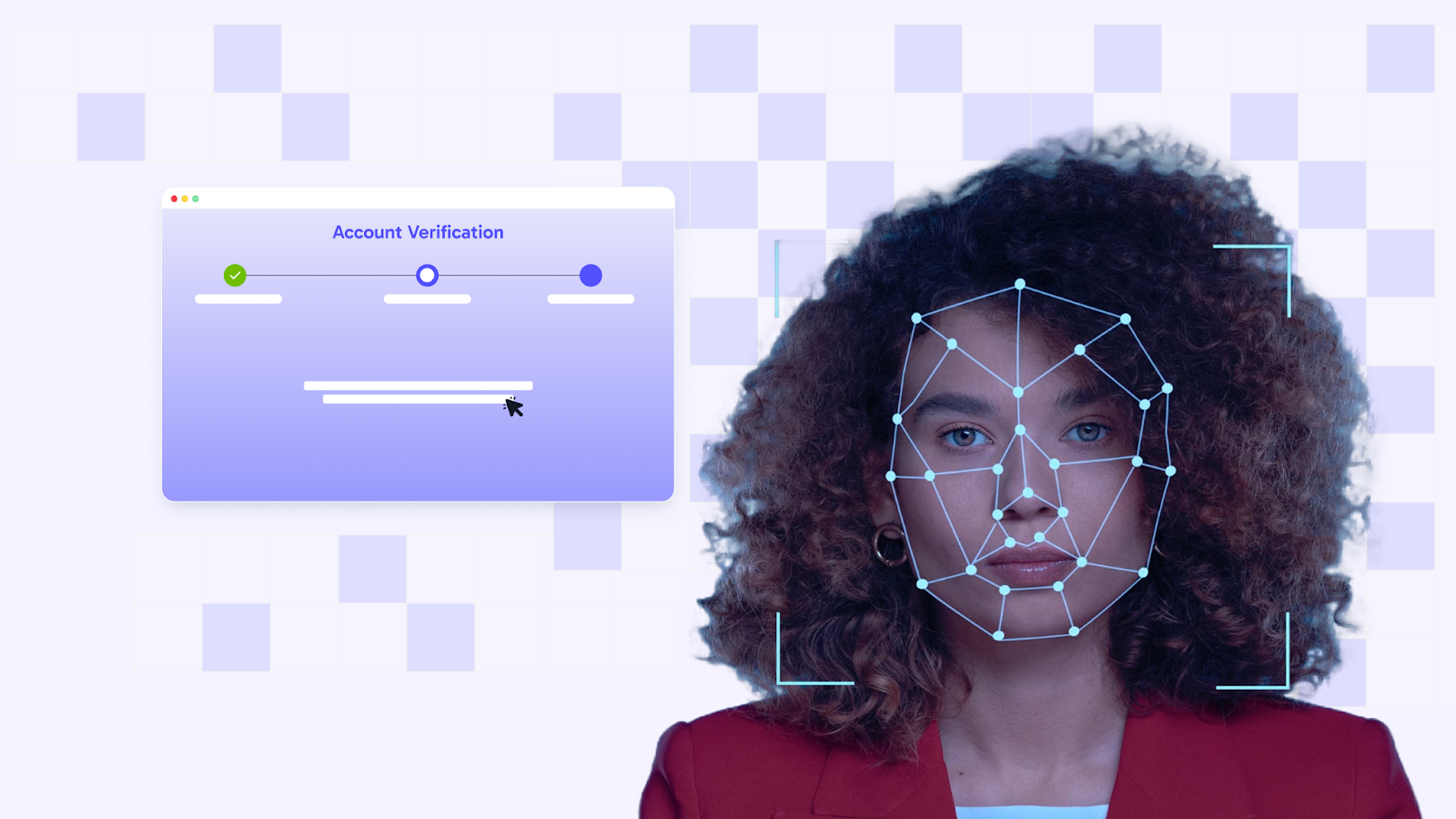
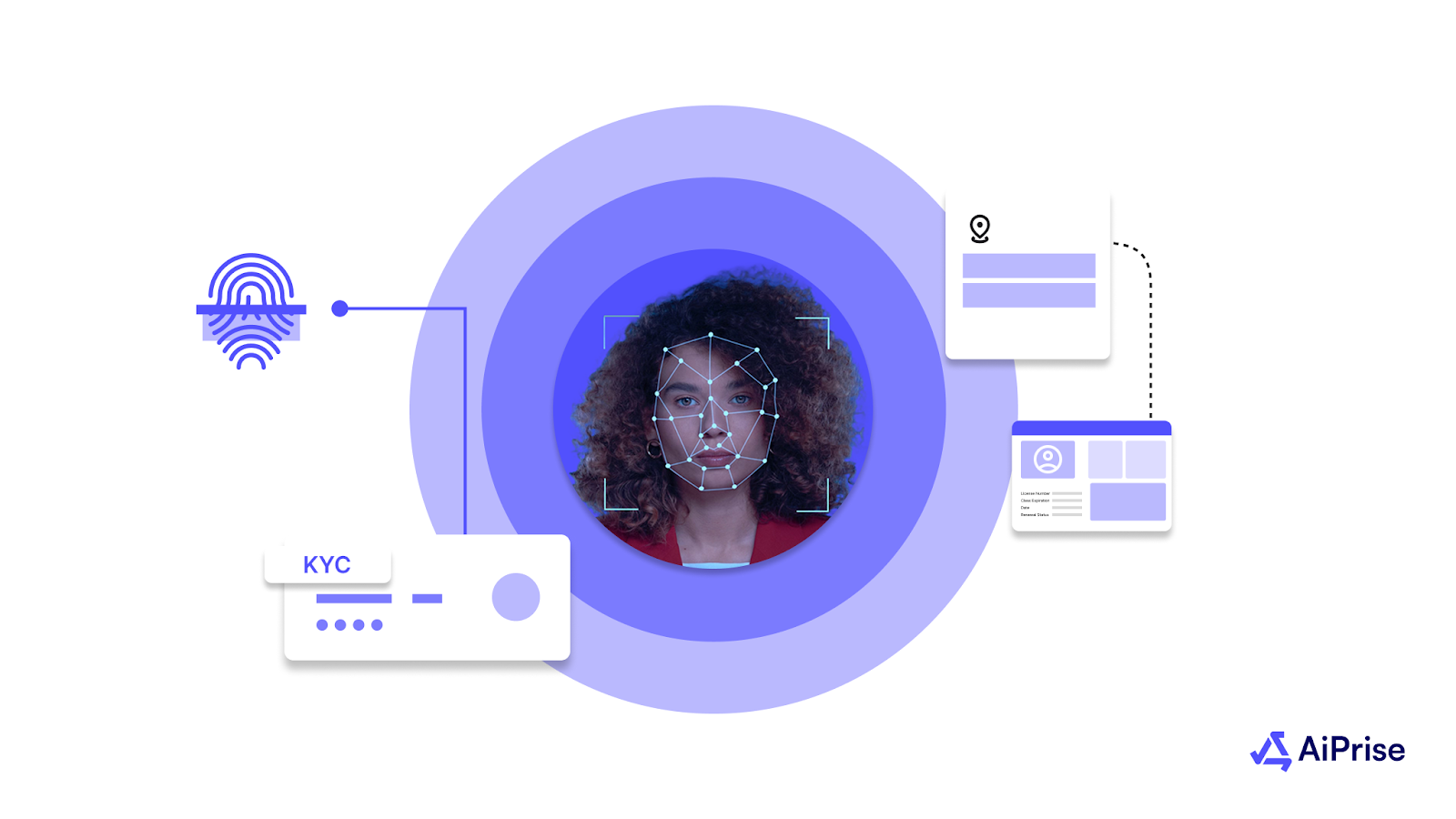
Liveness detection combines biometric checks and real-time camera analysis to confirm that the user is physically present during onboarding. Each method helps block a different type of spoofing attempt, which strengthens the overall KYC flow.
Biometric Face Verification
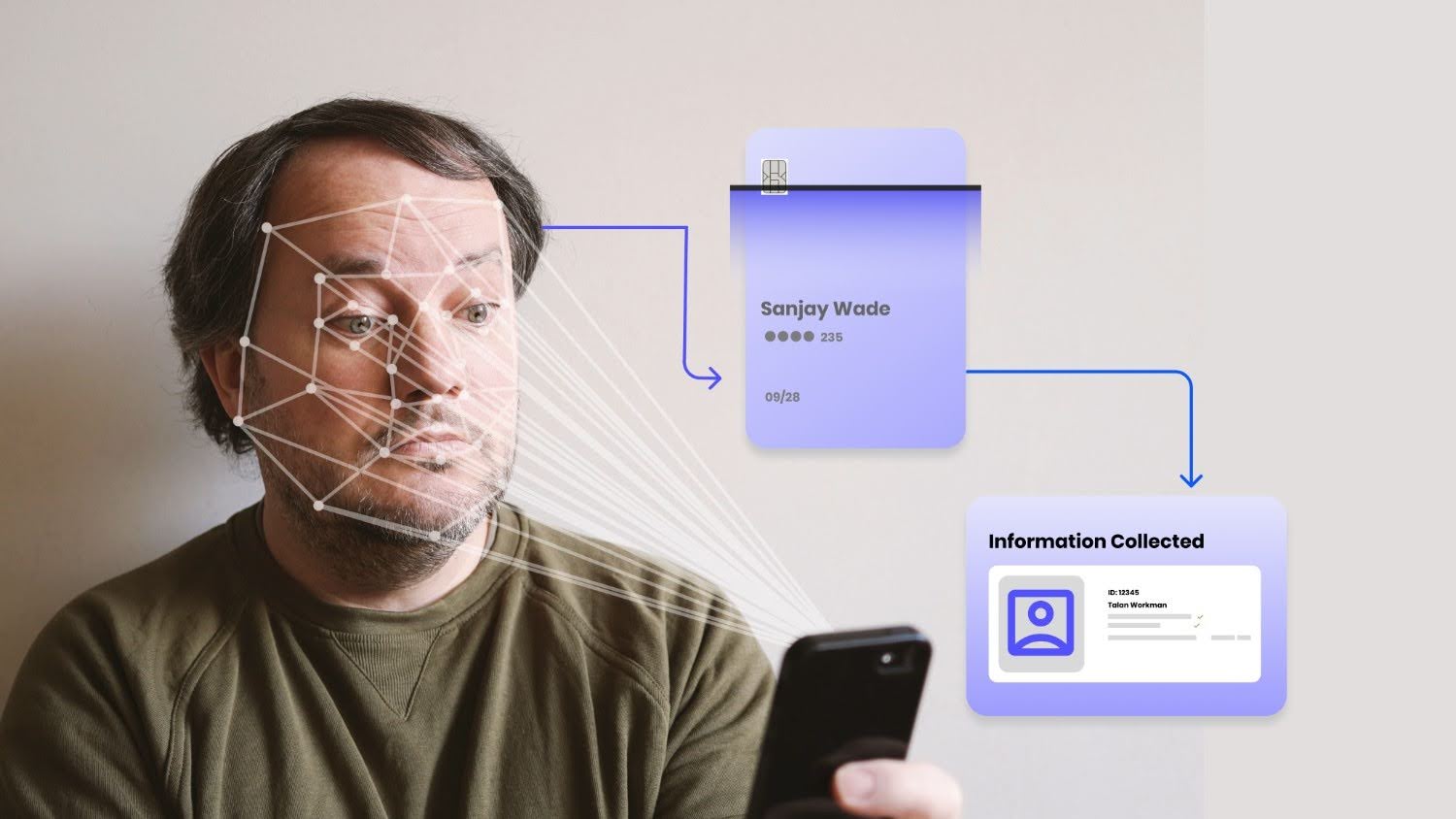
This step compares the user’s live selfie with the photo on their government ID. It confirms that both images belong to the same person and helps detect cases where someone tries to use a stolen or borrowed document.
Challenge-Response Checks
Some systems ask the user to perform simple movements like turning their head or blinking. These actions confirm real-time presence and make it harder for attackers to use printed photos, screen replays, or static deepfake frames.
Passive Liveness Detection Using AI and ML
Passive systems verify presence in the background without asking the user to do anything. They analyze natural lighting, reflections, skin patterns, and depth cues to confirm that the selfie belongs to a real person. This keeps onboarding fast and low-friction.
3D Depth and Texture Analysis
Advanced models review facial depth, contours, and skin texture using the camera feed. Real human faces show natural depth variation that flat images, paper cutouts, and most masks cannot replicate. This method is especially useful against high-quality spoofing materials.
Motion and Micro-Expression Assessment
Liveness tools evaluate natural facial behavior, including subtle movements and involuntary micro-expressions. Deepfake videos and replayed footage often struggle to reproduce these small, real-time changes accurately.
Device Signal and Camera Input Analysis
Systems also analyze technical signals from the device, such as frame timing, lighting changes, and camera artifacts. These signals help identify screen-based spoofing attempts, injected video frames, or replay attacks coming from another device.
Together, these techniques form the foundation of modern liveness detection. How they are combined in practice determines the level of security, friction, and assurance a system can deliver.
Also read: Liveness Detection: Your Guide to Modern Fraud Prevention
The Main Types of Liveness Detection
Liveness tools fall into three main categories. Each one plays a different role in keeping onboarding secure while keeping friction low for genuine users.
Passive Liveness Detection
Passive liveness runs quietly in the background. It looks at depth, lighting, reflections, and natural facial cues to confirm the user is present. Because it does not require any action from the user, it is fast, simple, and well-suited for onboarding flows where drop-offs are a concern. Despite the low friction, passive checks still offer strong protection against common spoofing attempts.
Active Liveness Detection
Active checks require the user to follow a small prompt, such as blinking or turning their head. These movements confirm that the interaction is happening in real time. The extra step adds slight friction, but it can be useful for higher-risk customer segments or industries where regulators expect a stronger identity signal.
Hybrid Liveness Systems
Hybrid systems combine both approaches. They rely on passive checks first and trigger an active prompt only if something looks unusual. This helps teams maintain a smooth onboarding experience while still having a fallback layer for tougher cases or enhanced KYC reviews.
In practice, liveness detection tools differ in how they implement these methods and balance security with user experience. This is where choosing the right solution becomes critical.
8 Best Liveness Detection Tools for Customer Onboarding
Teams evaluating liveness detection usually compare a mix of dedicated biometric vendors and full KYC platforms. The tools below are the ones most commonly used for secure, real-time presence checks during onboarding.
AiPrise
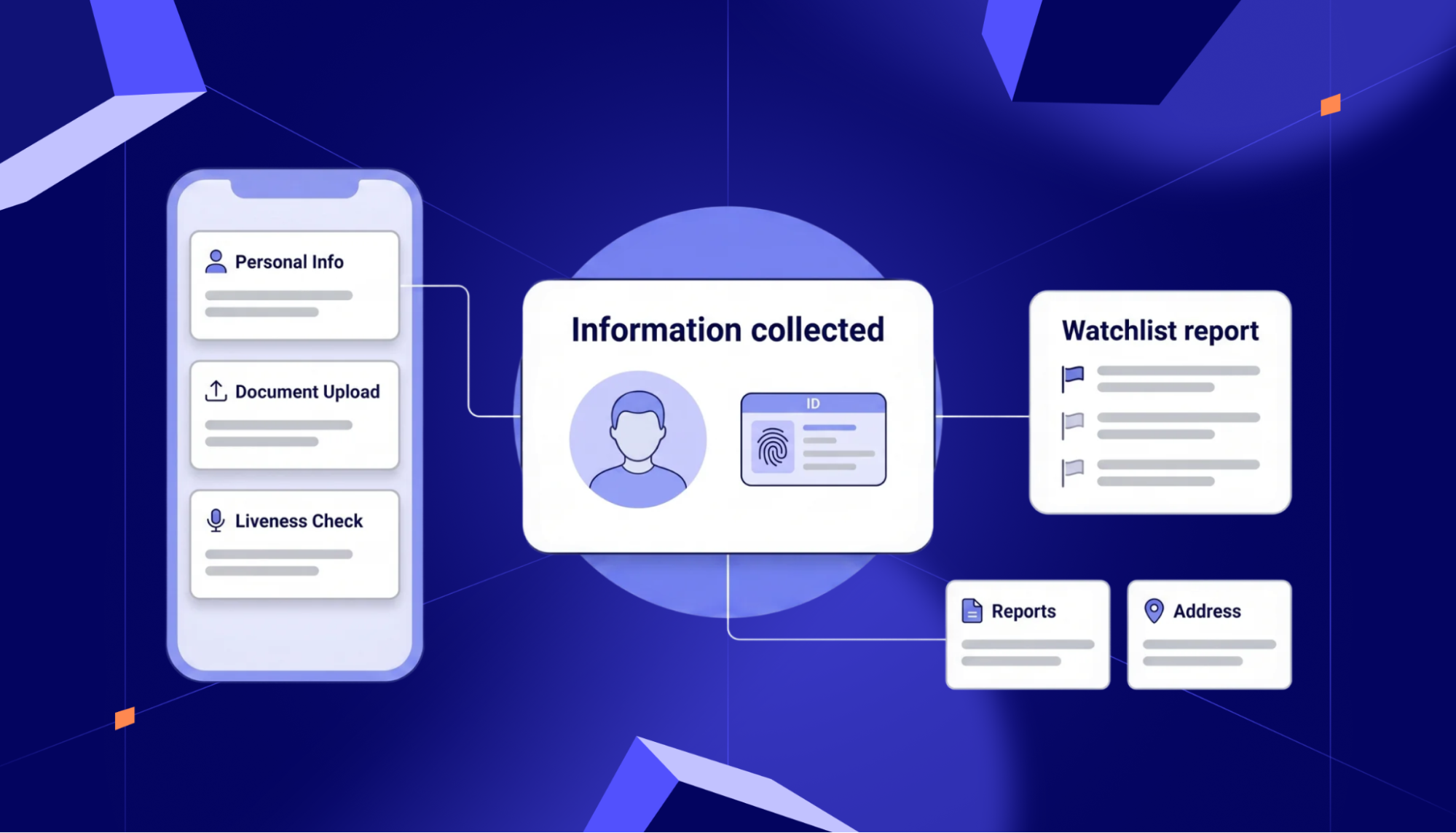
AiPrise is an all-in-one verification platform that brings document checks, liveness detection, fraud signals, and ongoing compliance into a single workflow. It helps teams onboard users faster while maintaining strong identity assurance across global markets. With coverage in 220+ countries, 12,000+ document types, and real-time fraud defenses, AiPrise delivers a complete infrastructure for secure digital onboarding.
Key features:
- Real-time liveness detection: Confirms user presence instantly and blocks spoofing attempts during onboarding.
- 1:N face match: Identifies duplicate or repeat onboarding attempts to prevent synthetic identity and mule activity.
- Global document verification: Supports more than 12,000 ID types with fast and accurate results across 220+ countries.
- Deepfake and spoofing protection: Uses advanced biometric analysis to detect manipulated or AI-generated faces.
- Government and data source checks: Verifies identities against government databases, MRZ, barcodes, and multiple data points.
- Integrated case management: Centralizes KYC and KYB reviews, escalation paths, and audit tracking to reduce manual workload.
Best suited for: Fintechs, neobanks, crypto platforms, payment providers, lending companies, and marketplaces that need fast, reliable, and fully automated KYC and KYB verification at scale.
Innovatrics
Innovatrics is a biometric verification platform known for fast, accurate face recognition and strong anti-spoofing performance. Its tools combine document checks, liveness detection, and deepfake protection, making it suitable for teams that need reliable identity assurance without slowing down onboarding.
Key features:
- High-accuracy facial recognition: Fast and reliable face matching for identity confirmation.
- Active and passive liveness: Detects real users and blocks spoofing attempts using AI-driven analysis.
- Document verification: Auto-capture and OCR to ensure clean images and consistent data extraction.
- Deepfake and injection detection: Identifies manipulated or replayed video content during selfie checks.
Best suited for: Fintechs, telcos, and enterprises that need strong, scalable biometric verification with flexible integration options.
iProov
iProov provides biometric liveness and identity verification technology used to confirm real user presence during remote onboarding. Its system relies on patented illumination and multi-frame analysis to detect spoofing attempts, deepfakes, and video injection attacks.
Key features:
- Dynamic Liveness: Patented illumination and multi-frame checks that detect spoofing and confirm genuine presence.
- Express Liveness: Fast, low-friction passive checks for high-volume onboarding flows.
- Deepfake and injection attack protection: Detects AI-generated faces, streamed feeds, and replayed content.
- High accessibility: Inclusive face capture that performs reliably across lighting conditions and devices.
Best suited for: Banks, fintechs, government programs, and enterprises that need high-assurance liveness with strong anti-deepfake protection.
Identomat
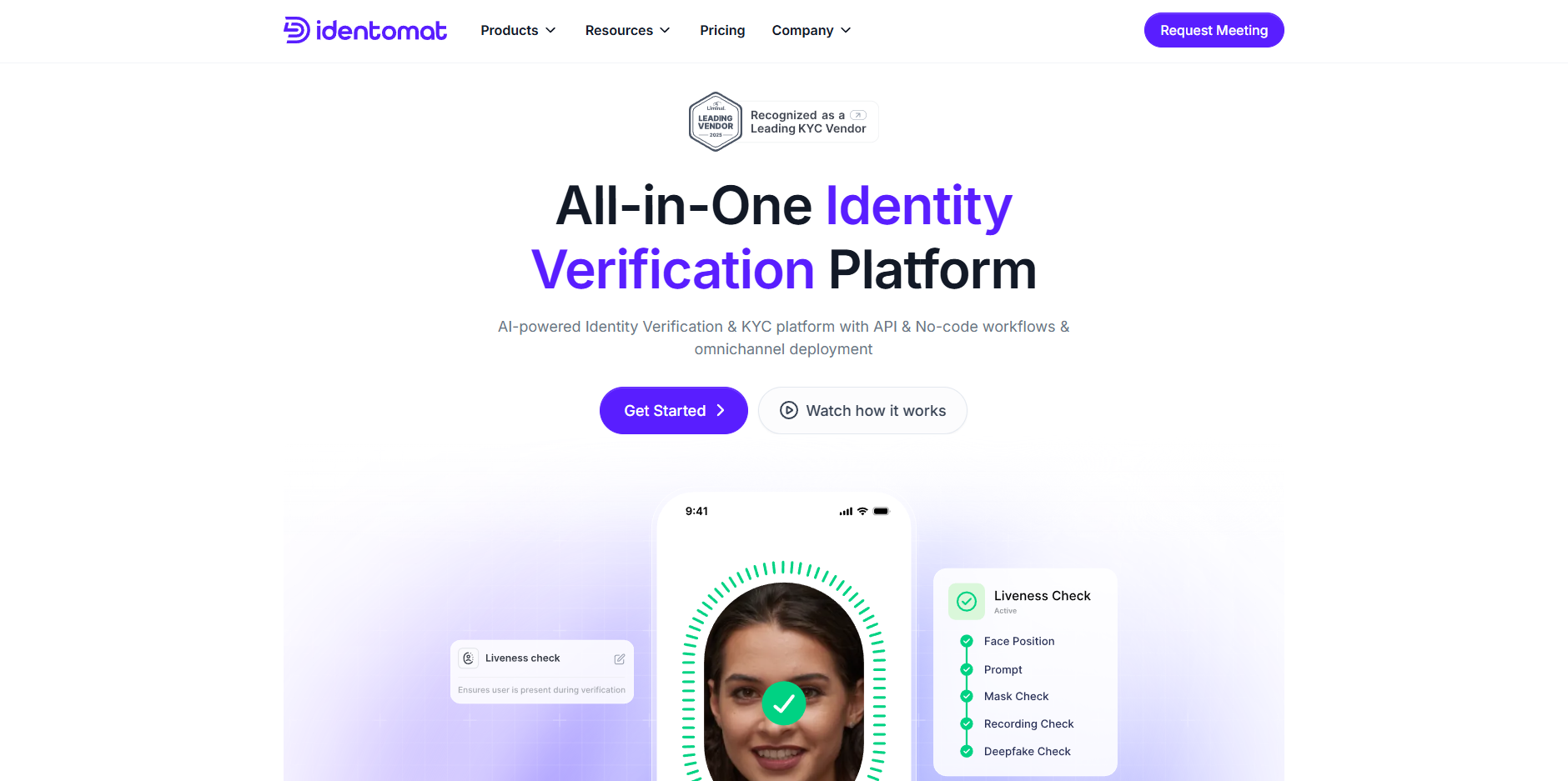
Identomat is an AI-driven identity verification platform that supports remote onboarding with liveness detection, document checks, and AML screening. Its system combines both active and passive liveness methods and offers flexible onboarding options across global markets.
Key features:
- Adaptive liveness detection: Uses active and passive methods with strong anti-spoofing performance.
- Global ID verification: Supports government IDs from 190+ countries with automated data extraction.
- Video KYC: Provides operator-assisted video verification for higher-assurance onboarding.
- Proof of address checks: Validates address documents using OCR and supporting signals.
Best suited for: Companies that need an end-to-end KYC/AML solution with flexible identity verification and support for both automated and video-based onboarding.
Mitek
Mitek provides a face liveness detection solution designed to enhance identity verification during remote onboarding. The tool uses facial analysis and anti-spoofing signals to confirm that a live user is present, helping reduce fraud while maintaining a smooth customer experience.
Key features:
- Real-time liveness checks: Verifies that the user is physically present during selfie capture.
- Anti-spoofing signals: Detects photos, videos, masks, and other common spoofing attempts.
- Face match integration: Compares a live selfie against ID document photos for identity confirmation.
- Mobile and web support: Works across devices with consistent performance in varied environments.
Best suited for: Fintech, banking, and payments platforms that need reliable liveness checks as part of broader identity verification workflows.
Microsoft Azure Face and Identity Services
Microsoft Azure offers face and identity services as part of its Cognitive Services suite. It provides the components needed to build liveness detection workflows using facial recognition, AI models, and cloud infrastructure. Azure is not a plug-and-play liveness tool, but it can support custom identity verification systems at scale.
Key features:
- Face detection and verification: Identifies and matches faces in images and video.
- Custom liveness workflows: Allows teams to design liveness checks using Azure AI models and SDKs.
- Scalable cloud setup: Operates on Azure’s global cloud network for high availability.
- Multimodal identity signals: Supports additional signals such as age estimation and facial attributes when needed.
Best suited for: Organizations that want to build custom identity verification and liveness solutions within an existing Azure environment, especially enterprises with in-house engineering teams.
Smile ID
Smile ID is an identity verification platform that supports digital onboarding with biometric checks, liveness detection, and document verification. It focuses on fast, mobile-first verification and broad ID coverage across African markets. The platform helps teams confirm user identity and reduce spoofing during remote onboarding.
Key features:
- Liveness and biometric match: Confirms the user is present and matches their selfie to the ID photo.
- Document verification: Checks the authenticity of government IDs and extracts key data.
- Regional ID coverage: Supports a wide range of ID types across African countries.
- Mobile-first SDKs: Provides lightweight mobile and web SDKs designed for fast performance.
Best suited for: Fintechs, marketplaces, and digital platforms that operate in Africa and need mobile-first identity verification with liveness detection.
Facia.ai
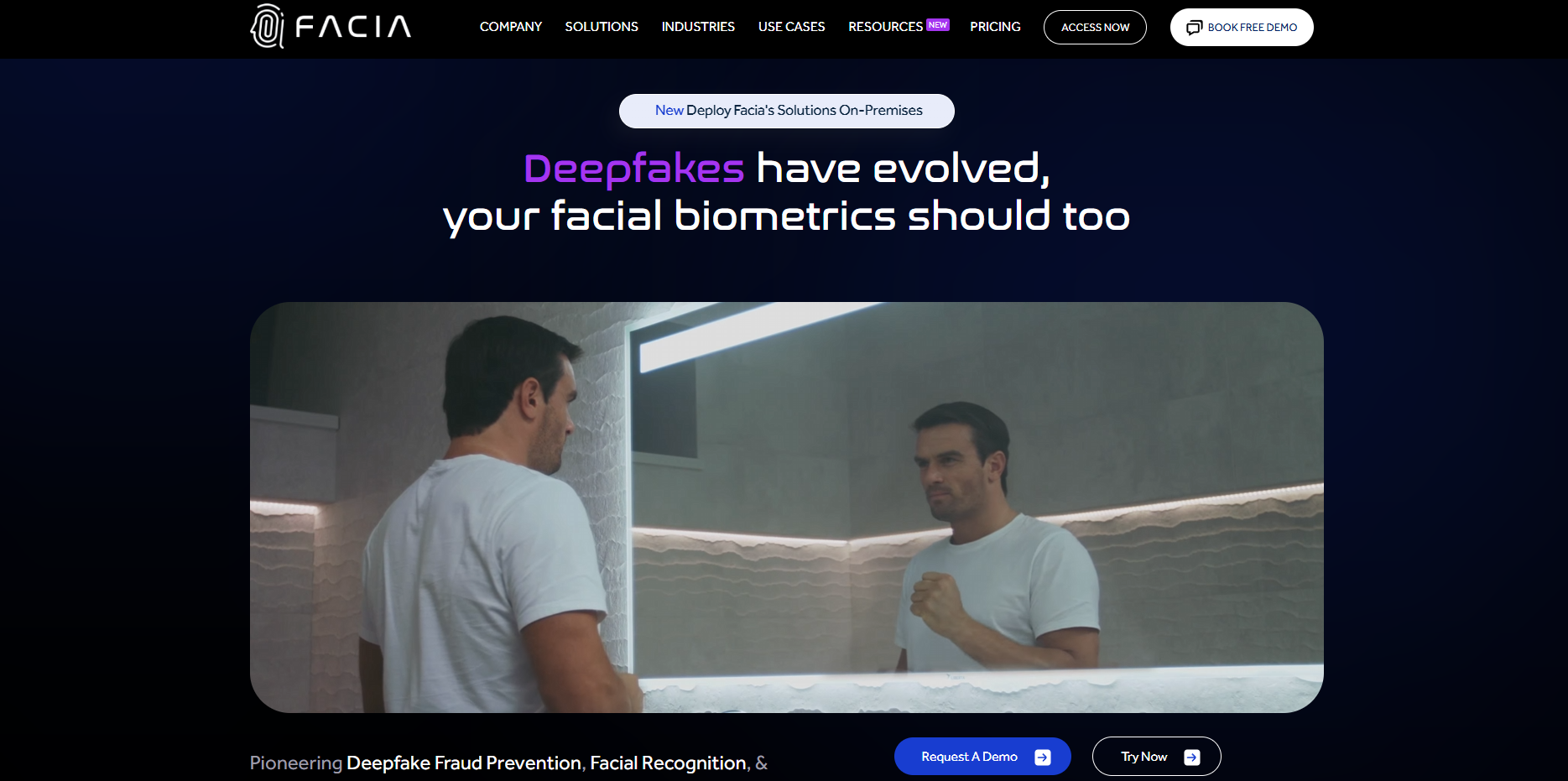
Facia.ai provides face recognition and liveness detection designed for fast, secure digital onboarding. The platform offers 3D liveness checks, deepfake detection, and face matching to help teams verify real user presence with low friction.
Key features:
- 3D liveness detection: Confirms real presence by analyzing facial depth and structure.
- Deepfake and spoof prevention: Detects AI-generated or manipulated images and videos.
- Face matching: Supports 1:1 and 1:N comparisons for identity verification.
- Single-image liveness: Verifies presence from one image to keep onboarding fast.
Best suited for: Fintechs, banks, gaming platforms, and digital services that need fast, accurate liveness detection and face matching.
Each of these tools approaches liveness detection differently, with trade-offs across accuracy, friction, and implementation. Choosing the right solution comes down to understanding which features matter most for your onboarding flow and risk profile.
Also read: Spotting and Preventing Deepfakes: Examining AI-Generated Images and Videos
Key Features to Look for in Liveness Detection Tools
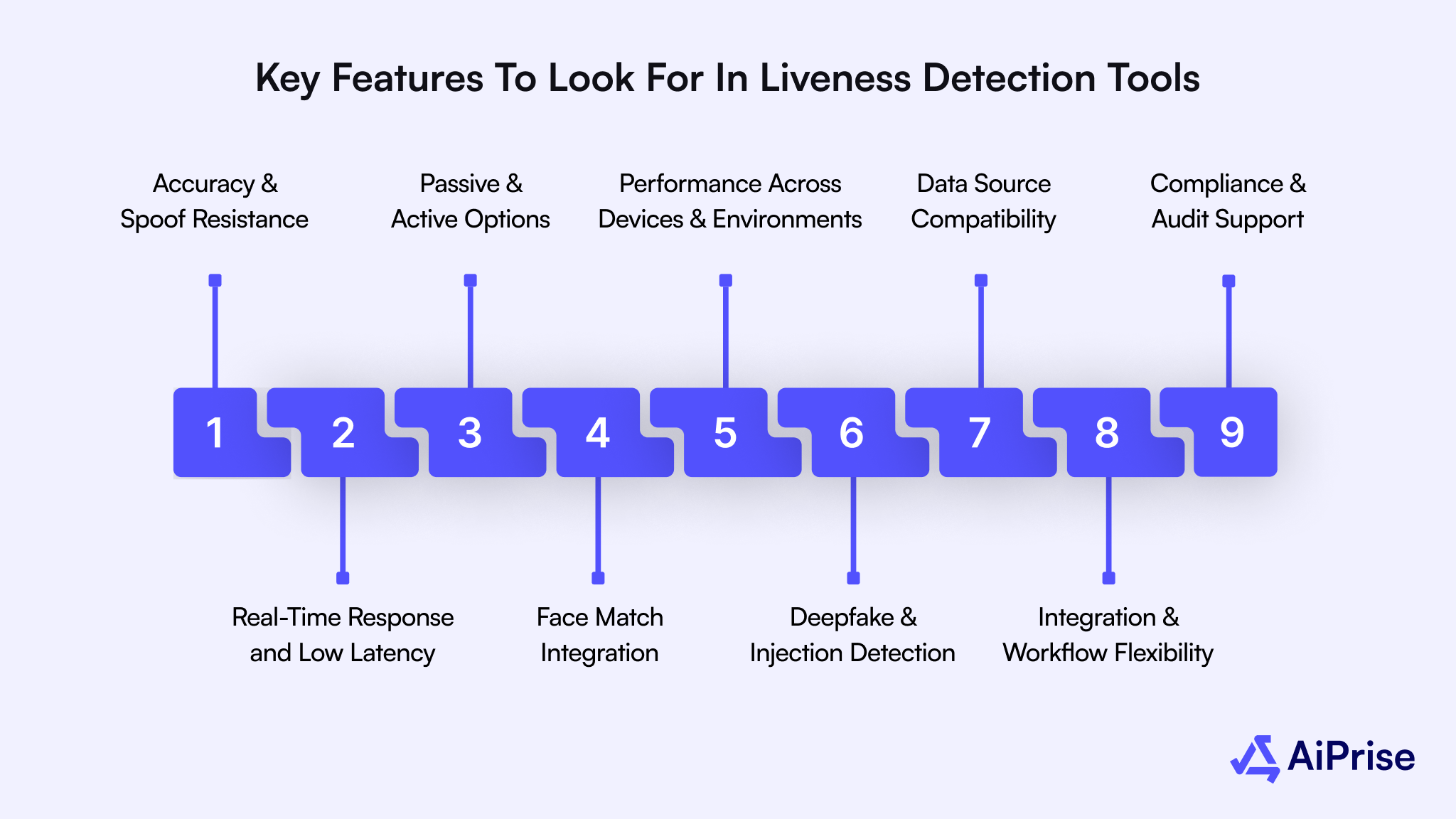
Selecting a liveness tool comes down to how well it balances accuracy, speed, and real-world performance. The following criteria help teams compare solutions and decide what fits their onboarding workflow.
- Accuracy and Spoof Resistance: The tool should reliably detect spoofing attempts such as photos, videos, deepfakes, and masks. Strong performance across different attack types is essential for reducing fraud and keeping manual reviews low.
- Real-Time Response and Low Latency: Liveness checks need to run quickly, especially in mobile-first onboarding flows. Slow responses lead to drop-offs, so the tool should complete verification within seconds.
- Passive and Active Options: Some use cases need low friction, while others require higher assurance. Tools that support both passive and active liveness give teams flexibility to apply the right method based on user risk.
- Face Match Integration: Liveness alone is not enough. The system should pair liveness with a reliable face match against the ID document to confirm the user’s identity within the same workflow.
- Performance Across Devices and Environments: Users onboard from different devices, cameras, and lighting conditions. A strong tool needs to handle variations without generating high false positives or false declines.
- Deepfake and Injection Detection: With AI-generated content increasing, the tool should include defenses against deepfakes, replayed videos, and screen injections. This is now a core requirement for secure onboarding.
- Document and Data Source Compatibility: When paired with document checks, the tool should work smoothly with global ID types and support data extraction, MRZ reading, and verification against trusted sources.
- Integration and Workflow Flexibility: SDKs, APIs, and configuration options matter. Teams need the ability to adapt verification steps, add fallback flows, and fit the tool into existing onboarding systems.
- Compliance and Audit Support: Tools should provide logs, decision signals, and security documentation that support KYC, AML, and audit requirements across relevant jurisdictions.
Evaluating tools against these criteria helps ensure your liveness checks are both reliable and user-friendly.
Wrapping Up
Liveness detection has become a core requirement for secure digital onboarding. As identity fraud grows more sophisticated, teams need tools that can confirm real user presence, block deepfakes, and support fast, low-friction verification across devices. The right solution improves approval accuracy, reduces manual review effort, and helps maintain compliance without slowing down growth.
If you are evaluating liveness detection for your KYC or onboarding workflows, AiPrise provides real-time liveness checks, global document coverage, fraud signals, and end-to-end case management in one platform. It is built to help teams scale verification with speed and confidence.
Book A Demo to see how AiPrise supports secure and compliant onboarding at scale.
FAQs
Q. What is liveness detection in KYC?
Liveness detection is a biometric check that confirms the user taking a selfie is a real, present person. It helps teams block spoofing attempts such as photos held up to the camera, replayed videos, and AI-generated deepfake content.
Q. Why is liveness detection important for customer onboarding?
Remote onboarding creates opportunities for impersonation and synthetic identity fraud. Liveness adds a real-time layer of protection, ensuring the user behind the camera actually matches the identity being submitted.
Q. Is liveness detection the same as face recognition?
No. Liveness detection checks if the user is real. Face recognition checks if the user matches the photo on their ID. Most onboarding flows use both steps together.
Q. Can liveness detection stop deepfake attacks?
Modern liveness systems include deepfake detection and video injection analysis. They look for unnatural motion, texture inconsistencies, and digital artifacts that AI-generated faces typically leave behind.
Q. Does liveness detection increase onboarding friction?
Passive liveness checks run in the background and finish within a few seconds, so most users do not notice the step. Active checks add a small prompt but are usually reserved for higher-risk cases.
You might want to read these...



AiPrise
KYB Compliance: 2026 Regulations You Should Know About
As organizations expand globally and face tighter regulations, adherence to Know Your Business (KYB) standards has become one of the most critical compliance layers for fintech, online marketplaces, and other companies that need to verify business customers before letting them perform financial transactions.








.png)

.jpg)













.png)






.png)
.png)
.png)














.png)
.png)


AiPrise’s data coverage and AI agents were the deciding factors for us. They’ve made our onboarding 80% faster. It is also a very intuitive platform.

Head of Operations



See your full compliance picture in one place
Use AI agents and global data to review businesses and users faster and more accurately
