

AiPrise
5 min read
April 16, 2026
How to Get and Verify Proof of Address

Key Takeaways

Most compliance officers don’t lose sleep over something like a proof of address (PoA) until something goes wrong. K&L Gates’ review of 2024 Bank Secrecy Act and anti-money laundering (BSA/AML) enforcement actions found that US banks are often penalized for weak customer due diligence (CDD) processes that collect and refresh customer information at onboarding. The companies cited for weak CDD programs were also cited for their inability to identify fraudulent transactions.
When you rely on manual checks or lack consistent standards, the risk of opening the door to fraudulent activities or other vulnerabilities is high. And regulators are paying attention.
That’s just one example of why adequate proof of address (PoA) verification matters. This guide will cover what proof of address involves and how you can verify it.
Key Takeaways
- PoA verification is a formal CDD and customer identification program (CIP) requirement, so you need automated processes to ensure it’s fast and thorough.
- Fake utility bills remain a common fraud vector at onboarding. Without reliable PoA checks, forged documents become a source of fraud.
- Verification methods range from manual document review to end-to-end software that combines OCR, database cross-referencing, and risk scoring.
- Cross-border PoA is especially complex because accepted documents and regulatory expectations vary by country.
- The strongest PoA processes define accepted documents upfront, tier verification to risk, and automate the repeatable work. But it also accounts for reverification to keep address data current after onboarding.
What Is Proof of Address, and Why Do You Need PoA Checks?
Proof of address (PoA) is an official document or data check that confirms a person’s or business’s physical address as part of identity verification. In compliance terms, it’s a component of customer due diligence (CDD) and falls under both KYC (Know Your Customer) and KYB (Know Your Business) requirements.
Here’s why PoA verification matters for compliance, fraud, and operations teams:
Regulatory Compliance and CDD Requirements
When you collect and verify a customer’s address, it satisfies a core CIP obligation. It helps ensure customers are who they say they are, which is a major part of adhering to anti-money laundering regulations. It’s also not an optional exercise, and regulators have made that clear.
In October 2024, the OCC issued a Consent Order against TD Bank requiring the bank to overhaul its CDD program for collecting and updating customer information. This was because the bank failed to implement risk-based procedures for ongoing CDD processes, and the address data was central to that failure.
If your PoA process is inconsistent or your address data is out of date, you could deal with similar orders or fines.
Fraud Prevention at Onboarding
Fake utility bills are a known, common vector for PoA fraud. Fake bills are used to open accounts and access credit lines. But more importantly, they can be used to establish false residency. Identity thieves forge names and addresses on utility documents specifically to pass KYC checks.
If your verification process isn’t robust, you could deal with synthetic or first-party fraud.
Cross-Border and Multi-Jurisdiction Complexity
Proof of address verification is even more important when onboarding users or businesses across borders. A comprehensive check can help identify potential fraud risk at onboarding and protect your business from bad actors that might be difficult to identify because of the varying documentation formats and requirements used in different countries. For example, a US utility bill might not use the same format as one accepted in India.
If you operate in a single market, PoA verification is manageable. The minute you start scaling to multiple countries, it gets complicated. It’s a common problem for payment companies, cross-border payment providers, and stablecoin operators. Without a system to adapt to local requirements, you’ll be stuck building custom workflows or dealing with CDD gaps — leading to compliance risks.
What Documents Do You Need for Proof of Address?
The specific documents accepted depend on the institution and jurisdiction. Here’s what you can use to verify PoA:
Commonly Accepted PoA Documents
- Utility bills (electricity, gas, water, internet): They tie a verified name to a service address. Widely accepted because utilities require a real address to activate. Must typically be within three months.
- Bank or financial statements: Banks perform their own KYC at account opening, so the address on a statement carries an extra layer of prior verification.
- Government-issued correspondence (tax notices, driver’s licence documents, voter registration): High credibility as the issuing agency has already verified the recipient’s identity and address through its own processes.
- Lease or rental agreements: Signed by both the tenant and the landlord or property manager, creating a two-party confirmation of the address.
- Mortgage statements: Issued by a regulated lender that verified the borrower’s identity and property details at origination.
- Insurance documents (home or vehicle): Insurers verify address details for underwriting, adding an independent validation layer.
PoA Documents Without Bills
For situations where your customer can’t provide a traditional utility bill, you can use these documents:
- Notarised affidavit of residency: Carries legal weight because it’s signed under oath and notarised. It’s useful when there are no bills in the individual’s name.
- Landlord or property manager letter: Provides a direct, named contact for follow-up validation. And it’s accepted when the tenant doesn’t hold utility accounts.
- Social service or government agency letter: Useful for individuals who don’t have traditional financial or utility relationships but are known to government agencies.
- Employer letter or payslip showing address: Confirms an active employment relationship at a known organisation. And the address is typically verified during the hiring process.
- Postal service change-of-address confirmation: Provides a government-issued confirmation of a person’s mailing address. It’s helpful when other documents still show a prior address.
- School enrolment records: Relevant for student verification contexts, as schools verify address during enrolment.
5 Ways to Verify Proof of Address
Here are the different ways in which you can verify PoA:
A human reviewer checks the document's date, validates personal details against the application, and looks for fraud indicators like tampering or inconsistencies.
- No technology investment needed
- Reviewers can use judgment on edge cases and unusual documents
- Slow
- Doesn't scale with volume
- Prone to human error and inconsistency
- Ties up analyst time on routine checks
On-Site and Phone-Based Verification
Physical site visits or phone calls to confirm an address is occupied and associated with the claimed individual or business.
- High confidence
- Especially useful for KYB
- Expensive
- Time-intensive
- Impractical for high-volume onboarding
- Limited by geography and availability
Public Records and Semi-Public Databases
Cross-referencing submitted addresses against government registries, tax records, voter rolls, postal databases, and commercial data providers.
- Independent verification layer that doesn't rely on customer-submitted documents
- Particularly strong for KYB registry checks
- Data freshness varies by source and country
- Not all jurisdictions have accessible digital registries
- May require multiple data providers to get coverage
OCR Software
Optical Character Recognition extracts text data (name, address, dates) from scanned or photographed documents automatically.
- Speeds up processing
- Reduces transcription errors
- Works across document types and languages
- Only digitizes what's on the document
- Doesn't verify accuracy on its own
- Still needs a cross-referencing step
PoA Verification Software
Mostly end-to-end KYC or KYB platforms that combine OCR, database cross-referencing, risk scoring, and case management into a single automated workflow.
- Scalable, consistent, fast
- Layers multiple verification methods together
- Generates audit trails
- Supports multi-country coverage and configurable rules
- Requires integration with existing onboarding systems
- Effectiveness depends on the platform's data source coverage and configurability
1. Manual Verification
Manual verification involves a human reviewer who checks every document against the customer’s application. They’ll look at things like the issuing data and validate if the name and address match.
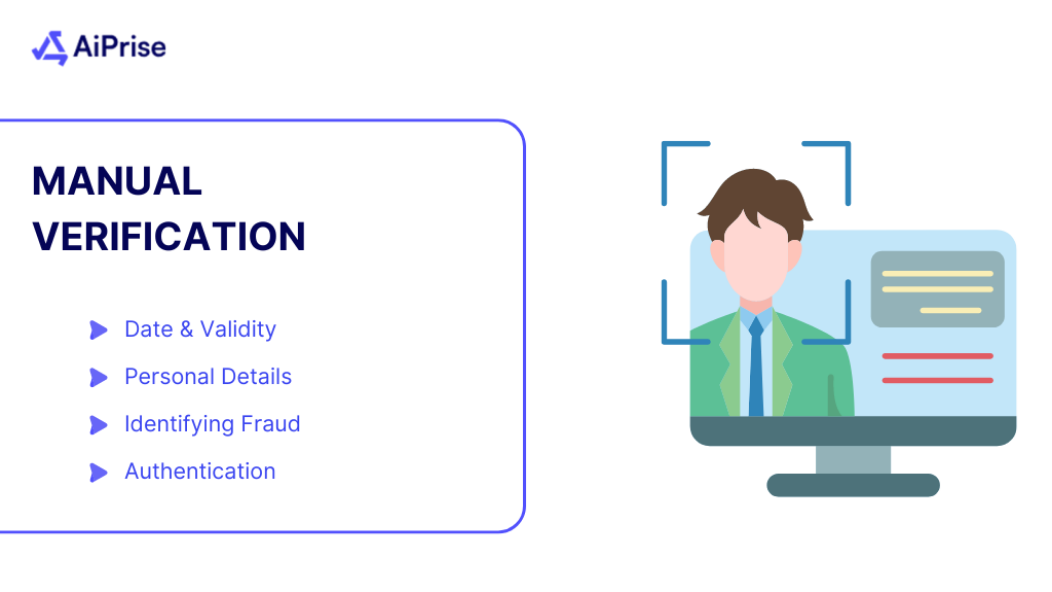
Reviewers usually look for fraud indicators like:
- Tampering
- Misspellings
- Formatting inconsistencies
Manual PoA verification is helpful when looking into edge cases that require human oversight, but if you’re onboarding a high volume of customers, the process’s slowness eventually becomes a bottleneck.
2. On-Site and Phone-Based Verification
In this case, the reviewer either conducts a physical site visit or a phone call to determine whether the address is occupied by the claimed individual or business. It’s more common in KYB contexts and only happens when you need to do it as part of an enhanced due diligence (EDD) process.
That said, it’s an expensive and time-intensive process and impractical for high-volume businesses.
3. Public Records and Semi-Public Databases
This process involves cross-referencing submitted addresses against the following:
- Government registries
- Tax records
- Voter rolls
- Postal databases
- Commercial data providers
The advantage is that you’re verifying against an independent source — not just trusting what the customer handed you. But the data freshness can depend on the database’s refresh cycle, which is a risk. This is especially true if a country doesn’t have accessible digital records or adequate data coverage.
4. OCR Software
Optical Character Recognition (OCR) is a technology that automatically extracts text from scanned or photographed documents. It can pull out names, addresses, dates, and other fields without manual data entry.
It does speed up processing and reduces transcription errors. It can work across document types and languages if you’ve built an OCR or are using an OCR that can tackle them. But it doesn’t verify anything. All it does is digitize the documents, so verification is still up to you.
5. Proof of Address Verification Software
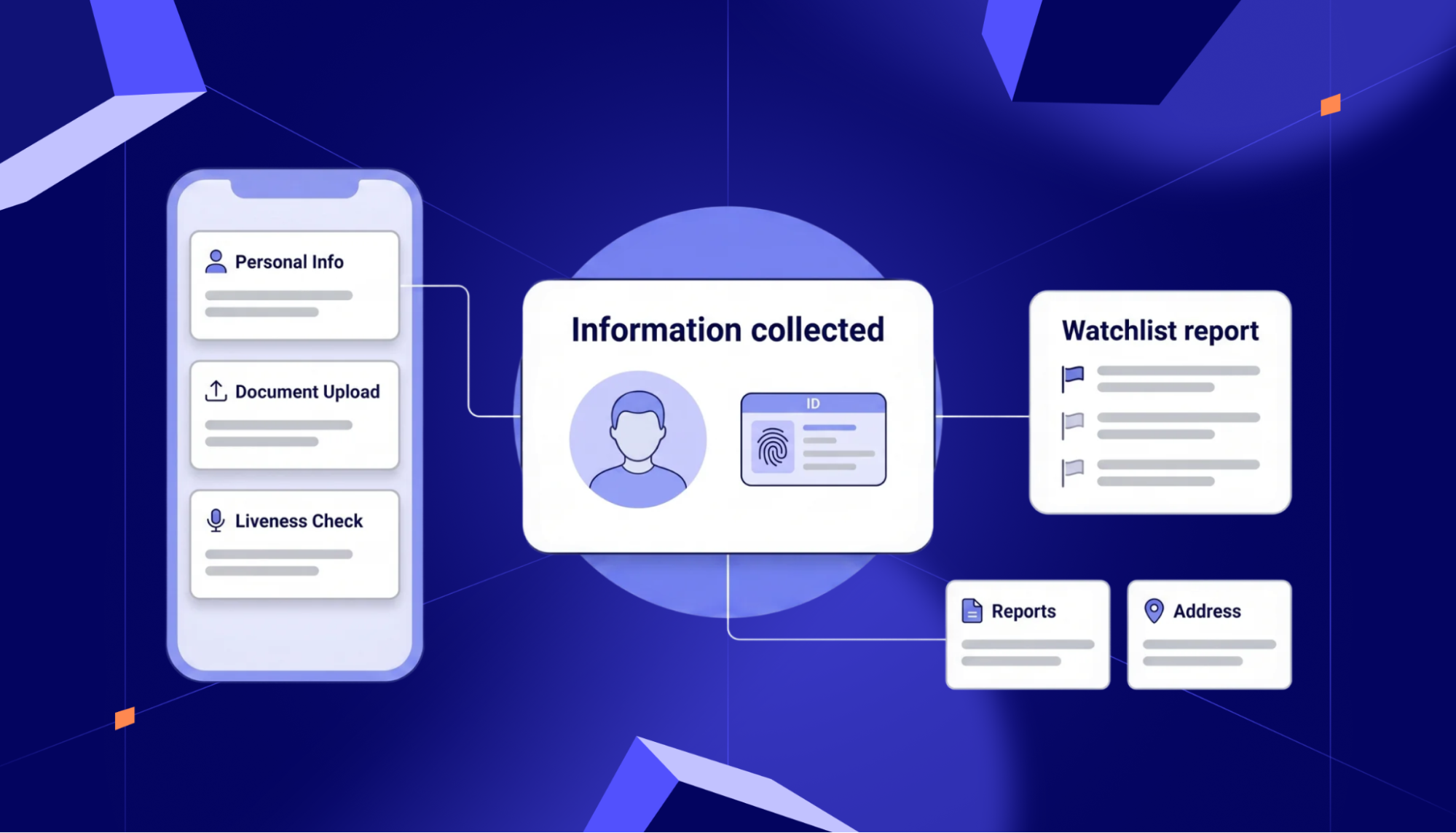
This is where the methods above come together. When you use KYB/KYC software with PoA verification, you get end-to-end user and business verification. It combines everything into a single KYC or KYB workflow with document collection, tamper checks, risk scoring, and case management.
Instead of stitching together separate tools for these purposes, everything runs through a single system that scales with your application volume.
Best Practices for Getting Proof of Address
Here’s how you should maintain your PoA verification workflow:
Define Accepted Documents Upfront
If your reviewers are making case-by-case judgment calls on whether a document qualifies, you’ll get inconsistent outcomes.
So, create a documented list that covers the following:
- Which document types do you accept
- Recency requirements (e.g., utility bills within three months)
- Format standards (original scans, no screenshots, legible copies)
- Jurisdiction-specific variations if you operate across markets
Use Risk-Based Verification Tiers
Every application doesn’t require the same level of scrutiny. For example, a low-risk individual opening a payment account doesn’t need to be evaluated the same way as a high-value merchant with a multinational business.
Match your verification to the risk profile:
- Low risk: Single document plus an automated database check.
- Medium risk: Multiple documents with cross-referencing against registries.
- High risk: Enhanced verification, including on-site, phone, or manual analyst review.
Automate Document Extraction and Cross-Referencing
Start automating the PoA verification process as soon as possible. An end-to-end AI-powered KYC and KYB platform will catch inconsistencies and help you stay compliant, regardless of application volume.
Keep Address Data Current with Ongoing Monitoring
Addresses change over time, so you need a process to reverify them periodically. You should set up reverification triggers:
- When risk signals change on an existing account
- When an account comes up for renewal or periodic review
- On a regular schedule based on your risk policy
Build Audit Trails for Every Verification Decision
Every regulator would like to see a clear “receipt” of how you handle your PoA process. Ideally, the audit trail includes aspects like:
- What document was submitted?
- What checks were run?
- What was the outcome?
- Why did you reach that outcome?
- What actions were taken after said outcome?
That means your verification system needs to generate exportable records. Or your manual process needs to be documented on paper or in a digital record.
Strengthen Compliance With Smarter PoA Verification
Proof-of-address verification touches every part of the onboarding lifecycle. Whether it’s regulatory compliance or fraud prevention, you’ll need to get the workflow right as soon as possible — especially if you deal with high-volume onboarding.
To ensure you do it thoroughly and consistently, consider using an automated KYB/KYC platform to get it done. Platforms like AiPrise bring verification into a single platform using automated onboarding workflows so that you can verify addresses faster. Schedule a demo today to see how AiPrise can help your business stay compliant.
Frequently Asked Questions
What is the quickest way to get a proof of address?
The fastest option is usually a recent bank statement or utility bill, since most people already have these on hand. Many banks and utility providers let you download a current PDF statement through their online portal or app. The quickest way to verify proof of address is automated KYC/KYB software, which will request the appropriate documents and run checks for you.
What’s a good document for proof of address?
Utility bills, bank statements, and government-issued correspondence tend to be the most widely accepted across institutions and jurisdictions. As long as it clearly shows someone’s name and physical address and is from a verifiable source, it can help with identity verification.
Can you verify proof of address without a utility bill?
Yes. You can use documents such as notarised affidavits of residency, landlord letters, employer letters, or payslips that show an address and correspondence with the government agency.
What’s the difference between proof of address and proof of residency?
Proof of address confirms that a specific address is associated with a person or business. Proof of residency confirms that someone physically lives at an address, and it’s more common in government or tax-related contexts.
You might want to read these...



AiPrise
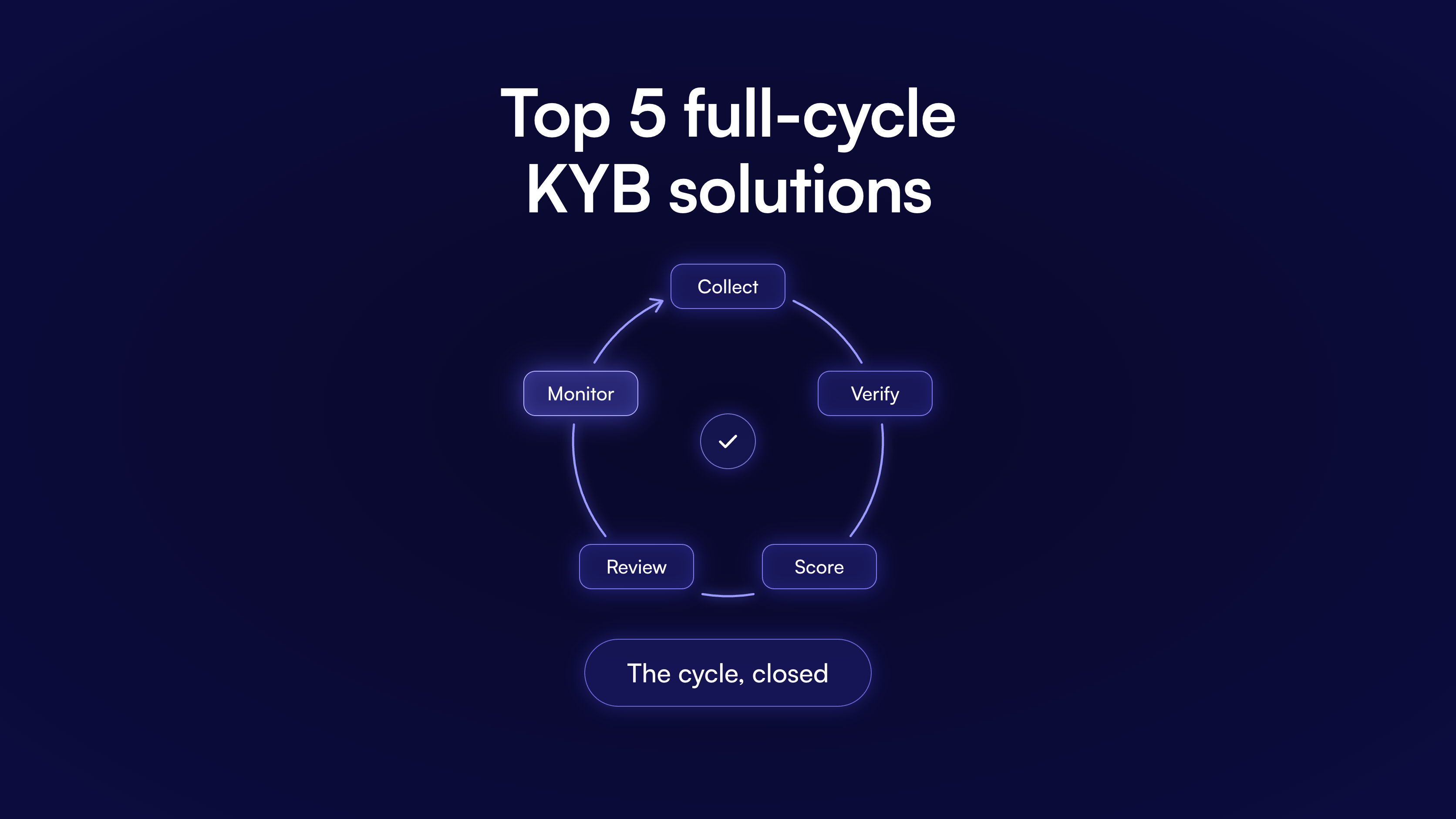
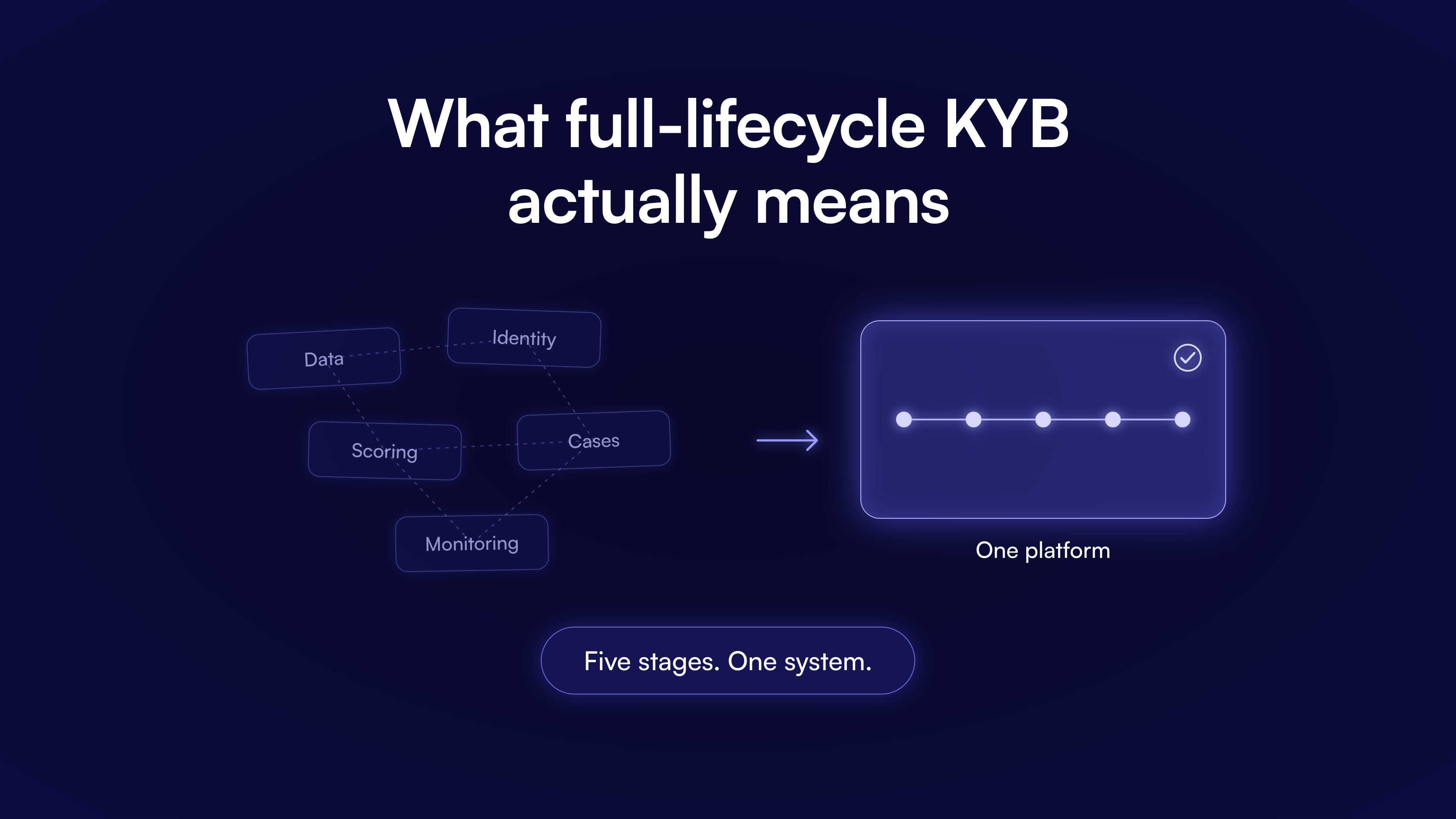
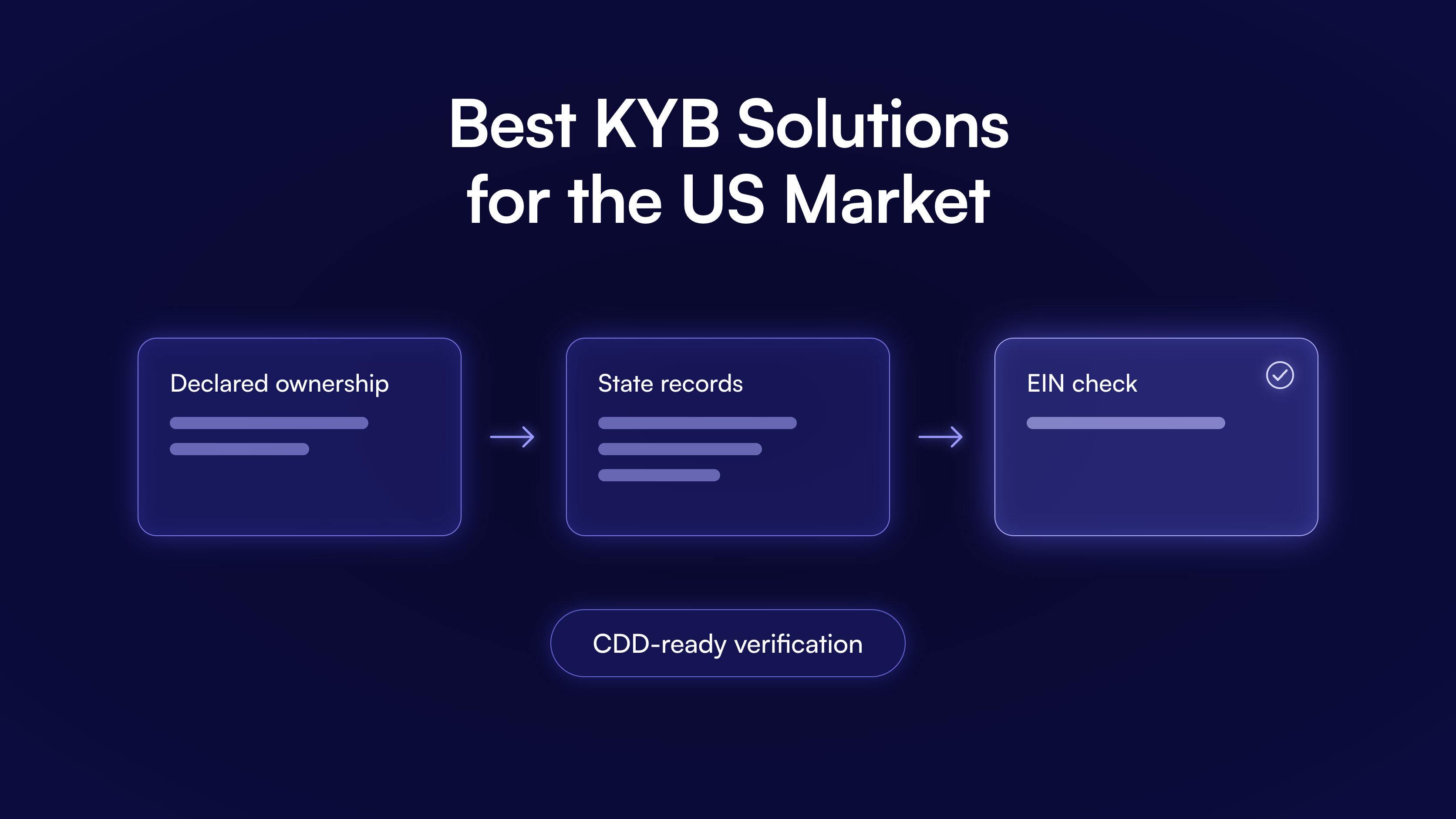
KYB Compliance: 2026 Regulations You Should Know About
As organizations expand globally and face tighter regulations, adherence to Know Your Business (KYB) standards has become one of the most critical compliance layers for fintech, online marketplaces, and other companies that need to verify business customers before letting them perform financial transactions.









.png)

.jpg)















.png)








.png)
.png)
.png)












.png)
.png)



AiPrise’s data coverage and AI agents were the deciding factors for us. They’ve made our onboarding 80% faster. It is also a very intuitive platform.

Head of Operations



See your full compliance picture in one place
Use AI agents and global data to review businesses and users faster and more accurately
