

AiPrise
9 min read
April 21, 2026
What Is KYC in Crypto Security and Compliance, and Why Does It Matter?

Key Takeaways

Regulators are closing in on the cryptocurrency industry. Guidance from the Financial Action Task Force, enforcement around the Travel Rule, and new EU frameworks such as MiCA and the Transfer of Funds Regulation mean KYC checks and AML compliance are no longer optional for crypto exchanges and Virtual Asset Service Providers (VASPs).
This is because, while the world of cryptocurrency offers exciting opportunities, it also brings risks in security and compliance. Transactions move instantly across blockchain networks, wallets operate under pseudonymous addresses, and once funds move, they rarely come back.
Tightening regulations now means that without strong identity verification, platforms face fines, banking de-risking, and even shutdowns.
In this guide, we explore why KYC in crypto matters and how platforms can implement scalable crypto compliance without breaking the user onboarding experience.
Key Takeaways
- KYC in crypto verifies user identity to prevent fraud and financial crime.
- Global regulations require exchanges and VASPs to run identity checks and AML monitoring.
- Strong KYC helps platforms access banking, payment networks, and global markets.
What Is KYC In Crypto?
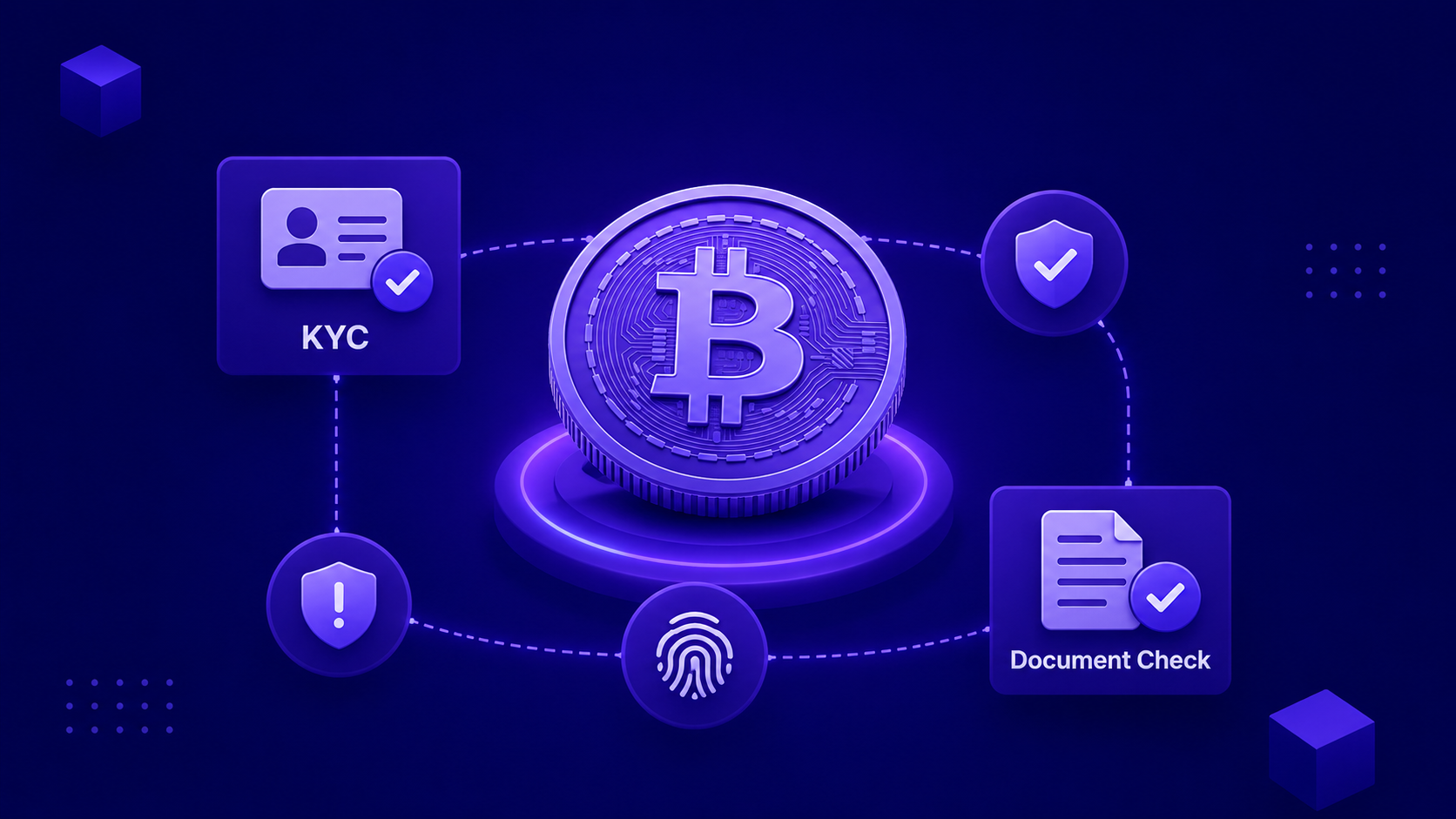
In cryptocurrency, KYC means verifying users' identities on a crypto platform.
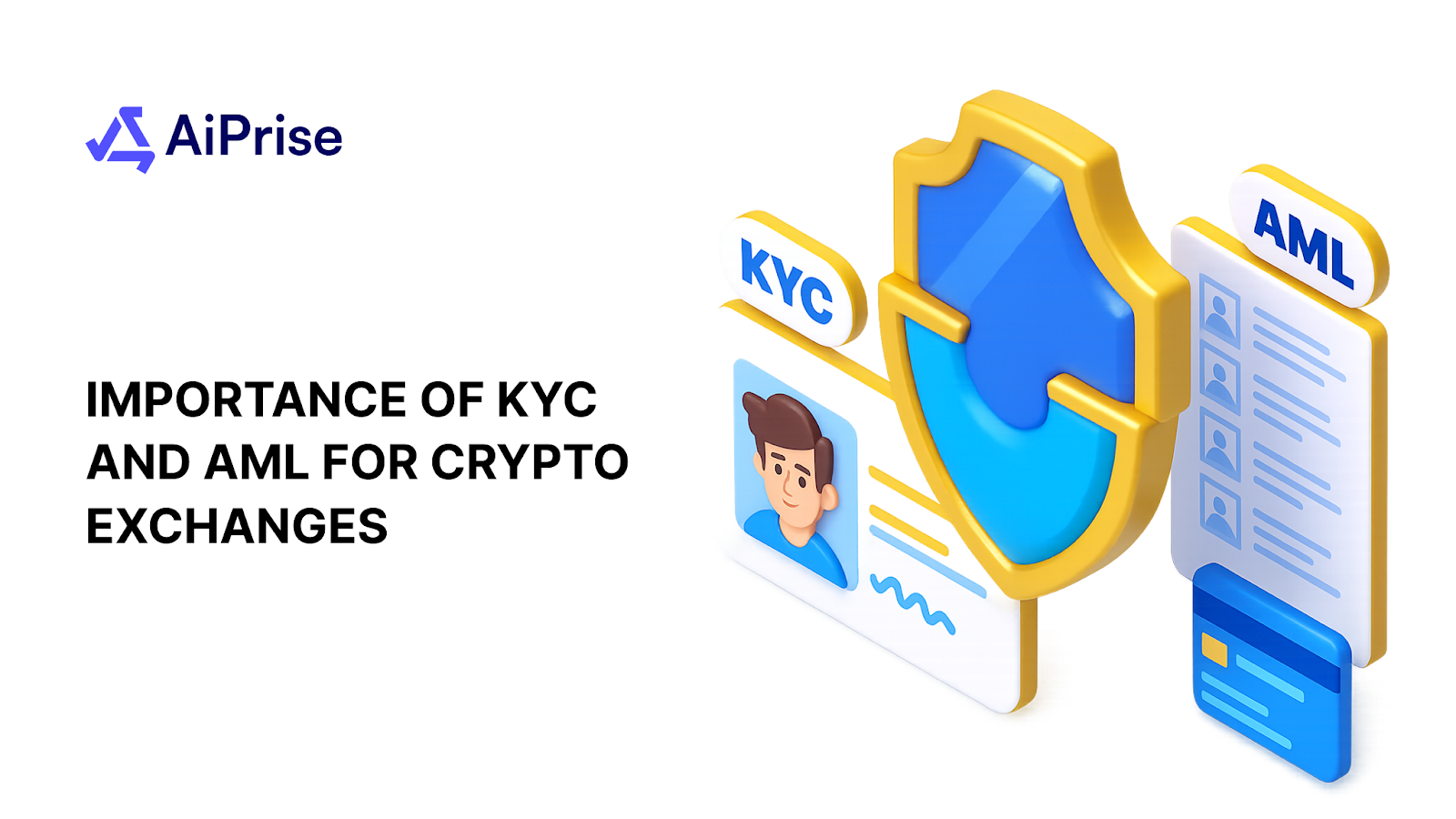
Through identity verification, crypto exchanges confirm that the person opening an account is who they claim to be. This process helps prevent fraud and other illegal activities, such as money laundering and identity theft, while also helping platforms maintain AML compliance across the cryptocurrency industry.
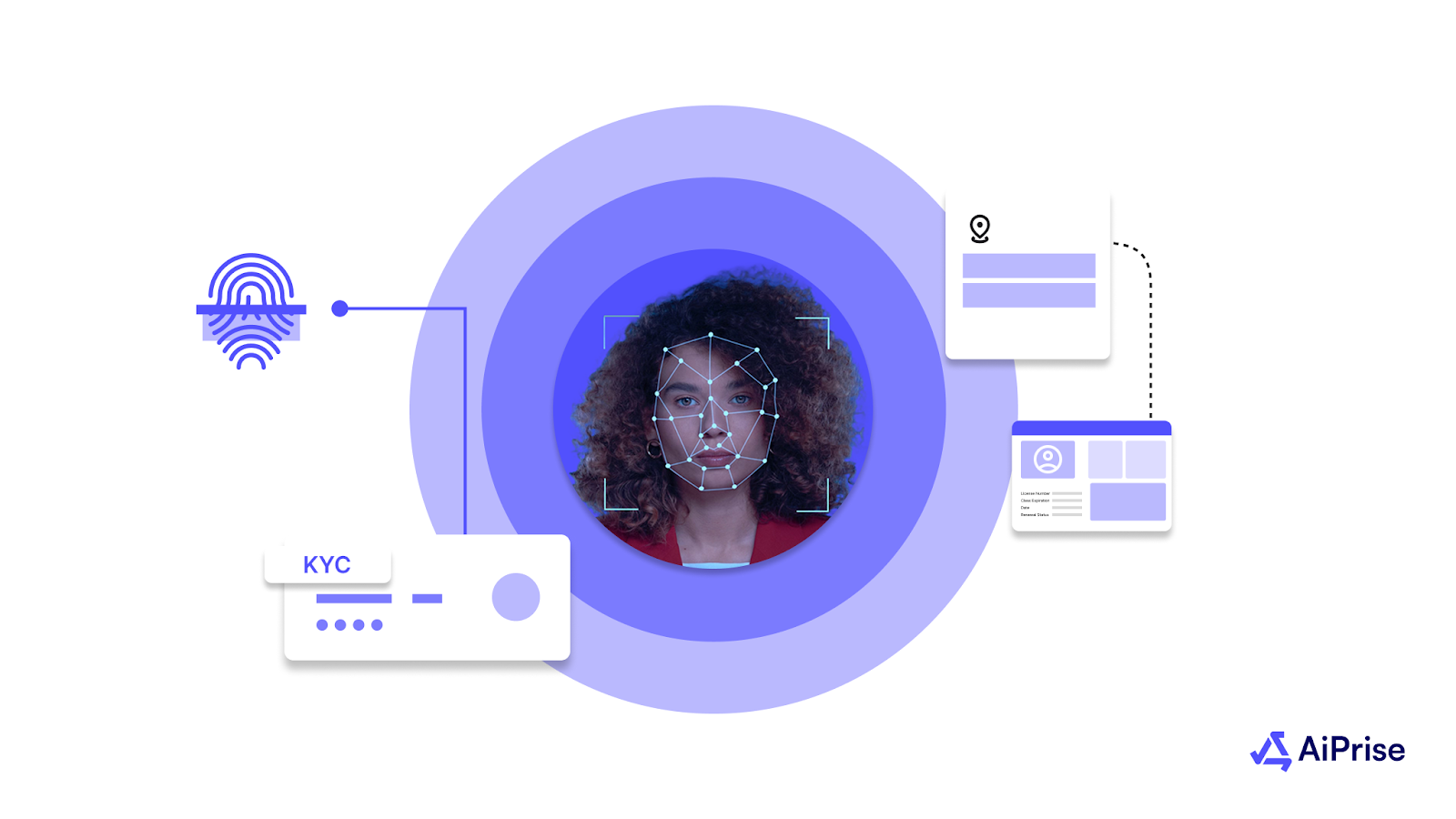
KYC typically collects basic user information such as name, address, and date of birth. Platforms may require ID document verification, proof of address using utility bills or bank statements, and sometimes biometric identification supported by liveness technology.
While KYC is used across the financial services industry, the context for KYC in crypto is a little different because tracking transactions and user activity is deliberately difficult:
- Transactions move across global blockchain networks.
- Users interact through pseudonymous wallet addresses.
- Funds can move quickly between custodial wallets, non-custodial wallets, and peer-to-peer networks.
While the environment looks different, regulators hold VASPs to the same customer due diligence (CDD) standards as traditional financial institutions. The goal is simple: stop money laundering and financial crime.
This is why regulators demand the same level of accountability from crypto organizations, even though transactions move across blockchain networks instead of bank accounts.
You can see this in guidance from the Financial Action Task Force and regulatory requirements like the Travel Rule. These frameworks require platforms to connect wallet activity to verified identities once transactions pass certain thresholds.
This is where KYC comes in.
KYC helps businesses stay compliant and protects users from scams or fraudulent transactions. Without it, crypto platforms can become channels for illegal activity that harms the reputation and stability of the entire industry.
To understand why KYC matters, you also need to understand how it works in practice.
How Crypto Platforms Implement KYC Compliance
KYC in crypto follows a structured, risk-based compliance workflow. Regulators expect exchanges and VASPs to verify user identity, screen for financial crime risk, and monitor activity throughout the entire customer lifecycle.
This means collecting verified identity information, running sanctions and risk checks, and maintaining transaction monitoring and reporting controls after onboarding.
Here’s how that process typically works in practice.
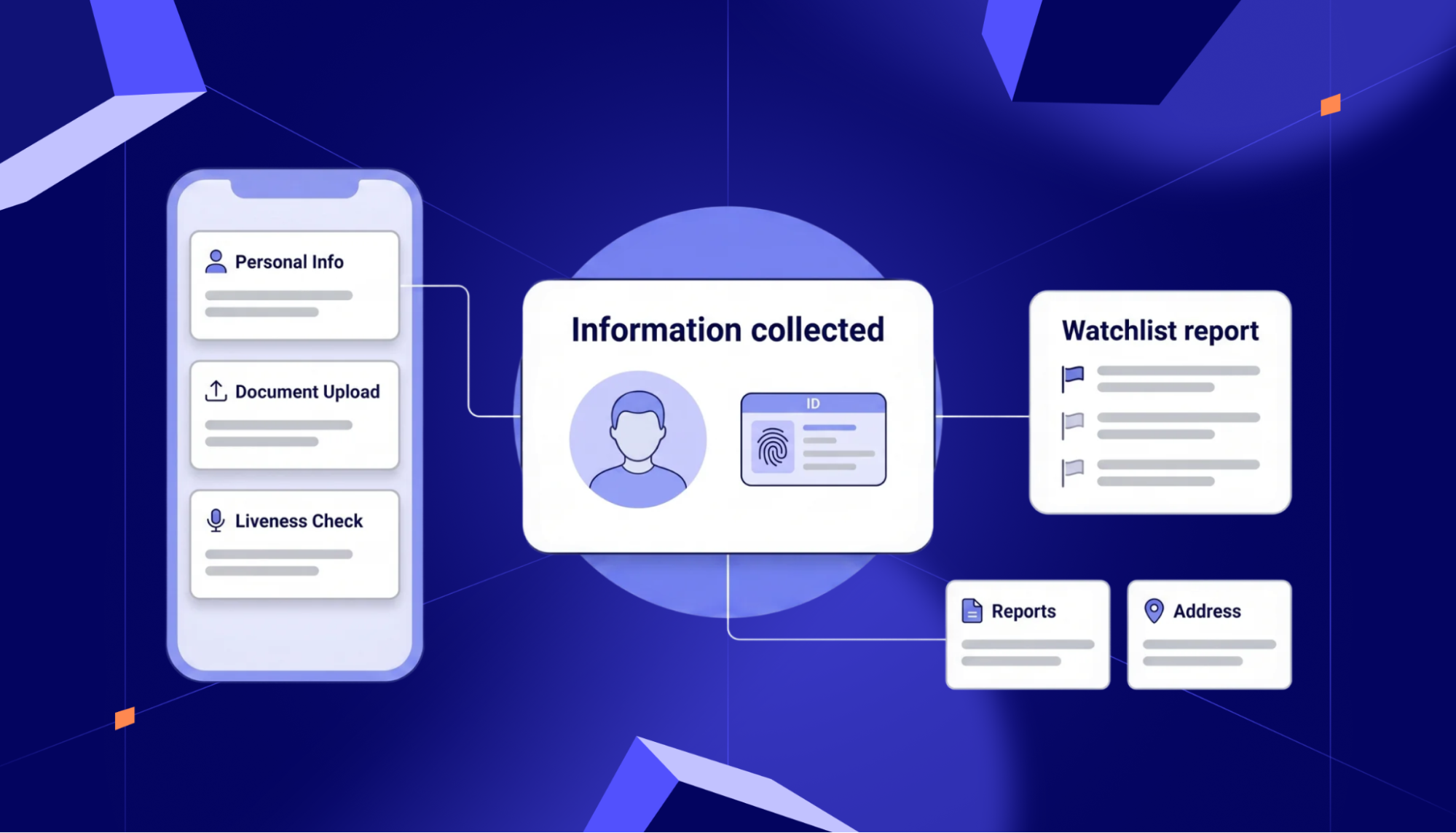
Account Registration and Initial User Information
When new users sign up on a crypto exchange or platform, they must provide personal details. Users typically enter their name, email address, phone number, and country of residence. Platforms collect this information to start the customer verification process and assess basic risk signals during onboarding.
Identity Document Verification
Users submit official documents to confirm their identity.
During this stage, KYC software performs identity verification using documents such as passports or driver’s licences. Some platforms also request proof of address documents, such as utility bills or bank statements, to strengthen CDD.
Biometric or Face Verification
This step uses biometric identification and liveness technology to confirm that the person holding the ID matches the submitted documents. Some platforms require users to take a selfie or video as part of the verification process. It helps reduce identity theft and strengthens digital identity verification across the platform.
Risk Screening and Compliance Checks
KYC connects to anti-money laundering (AML).
Once the system verifies a user’s identity, it runs compliance checks against sanctions lists and watchlists. This stage may include:
- OFAC sanctions screening
- Politically Exposed Persons (PEP) screening
- Adverse media analysis
- Broader risk assessment to detect potential money laundering risks
These checks help compliance teams identify high-risk users, suspicious entities, or connections to illicit financial activity before allowing platform access.
Risk-Based Approval and Access Controls
After the verification, the platform approves or rejects the account.
Many platforms apply tiered verification at this stage. Low-risk users may gain basic trading access, while higher-risk profiles may face limits, additional checks, or requests for source-of-funds information.
Access levels often differ across custodial wallet services, peer-to-peer crypto exchanges, and some noncustodial crypto wallets, depending on how the platform manages funds and regulatory exposure.
Ongoing Monitoring and Periodic Review
Platforms continuously monitor users' transactions after the KYC verification.
Modern crypto transaction monitoring systems track behavior across blockchain networks to detect suspicious activity such as unusual transfers, sanctions exposure, or abnormal trading patterns.
Regulators expect platforms to refresh KYC checks and file Suspicious Activity Reports (SARs) when necessary. These controls help platforms maintain long-term crypto compliance while operating under regulatory frameworks.
Why Crypto KYC Is Operationally and Legally Non-Negotiable
As the cryptocurrency sector has grown, so have the risks. Regulators, banks, and institutional investors now expect platforms to prove they can control financial crime. That starts with strong KYC checks and AML compliance.
Here’s why.
Financial Crime Risk Increases Without Identity Controls
Crypto transactions move quickly across blockchain networks, and users transact through pseudonymous wallet addresses rather than named accounts. This means that once funds move on-chain, recovering them becomes extremely difficult.
Because of this speed and pseudonymity, the environment attracts bad actors. And this problem is getting worse. According to Reuters, money launderers received $82 billion worth of crypto in 2025, up from $10 billion in 2020. Without reliable identity verification, exchanges struggle to trace those transactions back to real users. This means that fraud, sanctions evasion, and money laundering become much harder to stop.
Strong KYC in crypto creates accountability at the moment of onboarding. Platforms can link wallet activity to verified digital identities, detect suspicious behaviour early, and continue monitoring risk.
Global Regulations Now Expect Enforceable KYC
Regulators no longer treat crypto as an experimental industry. Governments now apply the same CDD expectations used across traditional financial institutions.
Guidance from the Financial Action Task Force requires VASPs to implement AML safeguards, conduct risk assessment, and share data under the Travel Rule when transfers exceed certain thresholds.
Under EU AML directives and the Transfer of Funds Regulation, crypto service providers must implement:
- Identity verification
- Transaction monitoring
- Travel Rule compliance
In the US, FinCEN classifies many crypto exchanges as Money Services Businesses, triggering full AML compliance obligations.
Banking, Liquidity, and Market Access Depend on Compliance
Crypto platforms don’t operate in isolation. They rely on payment providers, banking partners, and institutional investors to move funds and scale globally.
Before offering services, those partners examine KYC checks, AML safeguards, and customer verification frameworks. They need to know a platform can control financial crime risk and meet regulatory expectations.
Weak onboarding systems raise red flags. Banks may close accounts, restrict access to fiat rails, or refuse to work with the platform altogether.
A strong crypto compliance infrastructure with features like AI-powered risk scoring and automated watchlist screening changes that picture. When you have robust compliance in place, you build trust with banks, securing access to payment networks, and enabling expansion into new markets with regulated financial institutions.
Decentralized and Custodial Models Face Growing Scrutiny
Regulators now examine how crypto platforms structure custody and trading models.
Custodial wallet services operating in regulated markets must run full KYC checks and maintain ongoing monitoring. They hold user funds, so regulators treat them much like traditional financial institutions.
But some noncustodial crypto wallets and decentralized exchanges try to avoid direct onboarding checks because users control their own wallets. However, those obligations return the moment users interact with centralized exchanges, fiat gateways, or other regulated platforms.
This is where regulators focus their attention. They target the points where decentralized infrastructure connects to centralized liquidity and expect platforms to apply the same AML compliance and CDD controls.
Compliance Signals Long-Term Stability
As the cryptocurrency industry matures, banks, regulators, and institutional investors expect stronger compliance controls. For modern platforms, KYC in crypto builds trust with banks and partners, unlocks access to payment networks, and supports long-term stability in the cryptocurrency sector.
What Challenges Do Companies Face With Crypto KYC?
While KYC is necessary for security, there are several challenges crypto businesses face. Crypto moves fast, regulations evolve quickly, and the operating environment differs from traditional finance.
Irreversibility of Crypto Transactions
Crypto transactions are irreversible, which makes it harder to correct mistakes. Once funds move across blockchain networks, recovery becomes extremely difficult.
If a user provides false information or commits fraud, platforms must trace activity across wallet addresses rather than named bank accounts. Without strong identity verification, those addresses do not link back to a real person. This is why crypto transaction monitoring and early KYC checks are critical.
Pseudonymity vs. Identity Verification
Many crypto users value anonymity in transactions, which goes against the need to collect data for KYC.
But in practice, crypto is pseudonymous, not anonymous.
Wallet addresses appear publicly on blockchain networks, and anyone can see the transactions moving between them. However, those addresses do not reveal who actually controls the wallet.
Linking a wallet to a real person requires digital identity verification.
This is where friction appears.
Platforms operating in decentralized exchanges, peer-to-peer trading, and Decentralized Finance (DeFi) environments often prioritize open access, while regulators require platforms to connect wallet activity to verified identities.
Regulatory Fragmentation and Global Compliance
Crypto platforms rarely operate in one jurisdiction. Different markets enforce different crypto regulations, CDD rules, and Travel Rule requirements for VASPs.
For compliance teams, this creates a complex global patchwork of rules.
Security vs. User Experience
KYC procedures must balance security measures and a smooth user experience. When onboarding becomes slow, confusing, or overly manual, many users simply abandon the process.
Yet relaxing controls isn’t an option. Weak KYC checks expose platforms to fraud, identity theft, and money laundering risk. The challenge is finding the middle ground. Platforms need verification systems that maintain strong AML compliance while still keeping the onboarding experience fast and intuitive.
How Can Aiprise Help You With Crypto KYC?
KYC compliance helps protect the industry, build trust, and meet regulatory requirements. But implementing it in the cryptocurrency sector is rarely simple.
Platforms must verify identities across borders, monitor activity across blockchain networks, and meet evolving rules from bodies like the Financial Action Task Force, FinCEN, and the European Commission.
AiPrise approaches this as infrastructure rather than a standalone feature. The platform brings KYC and KYB into a unified compliance layer designed for VASPs and crypto exchanges.
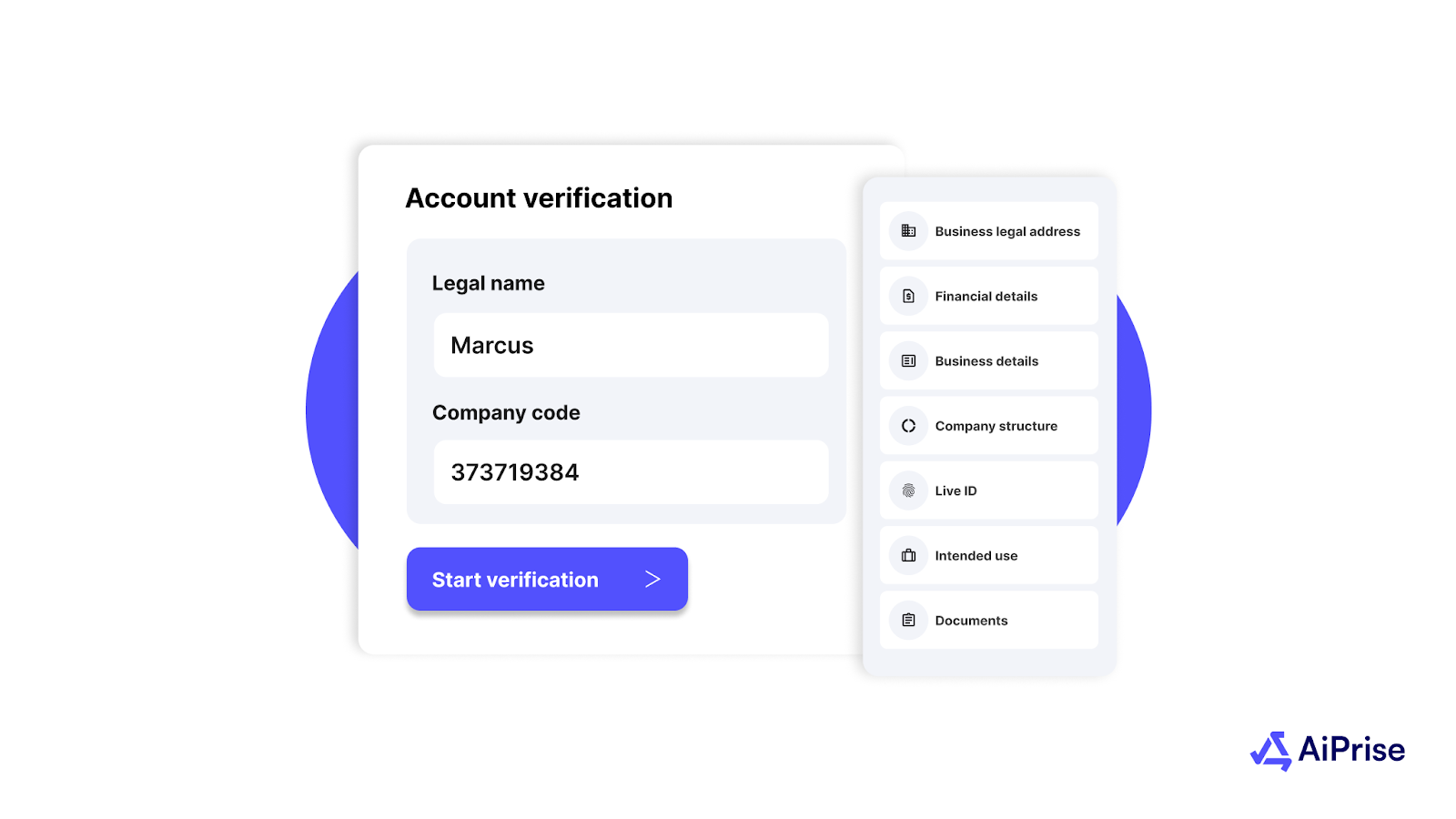
Through a single integration, platforms can run identity verification, perform sanctions and PEP screening, map Ultimate Beneficial Owners (UBOs), and apply risk-tiered onboarding controls. Continuous crypto transaction monitoring and AML safeguards help your compliance teams detect suspicious activity and meet obligations such as the Travel Rule.
This reduces the need to stitch together multiple compliance tools and helps platforms scale safely across different jurisdictions.
If your team is building or expanding a crypto platform, AiPrise provides the compliance infrastructure needed to support growth while maintaining strong AML compliance. Book a demo today.
FAQs on KYC in Crypto Security and Compliance
Is KYC mandatory for crypto exchanges?
In most major jurisdictions, yes. Guidance from the Financial Action Task Force treats many exchanges as VASPs with AML compliance obligations.
In the US, FinCEN classifies many platforms as Money Services Businesses, which require CDD and monitoring. EU frameworks such as AMLD and MiCA also require identity verification and transaction oversight.
Can decentralized platforms avoid KYC entirely?
Some decentralized exchanges don’t run direct onboarding checks. However, KYC checks often return when users connect to crypto exchanges, custodial services, or fiat rails. Regulators increasingly focus on these access points.
How does ongoing monitoring reduce crypto compliance risk?
Continuous crypto transaction monitoring re-screens users against sanctions lists, detects suspicious behavior, and supports Travel Rule and broader AML compliance requirements.
You might want to read these...




AiPrise
KYB Compliance: 2026 Regulations You Should Know About
As organizations expand globally and face tighter regulations, adherence to Know Your Business (KYB) standards has become one of the most critical compliance layers for fintech, online marketplaces, and other companies that need to verify business customers before letting them perform financial transactions.










.png)

.jpg)

















.png)








.png)
.png)
.png)












.png)
.png)





AiPrise’s data coverage and AI agents were the deciding factors for us. They’ve made our onboarding 80% faster. It is also a very intuitive platform.

Head of Operations



See your full compliance picture in one place
Use AI agents and global data to review businesses and users faster and more accurately
