

AiPrise
8 min read
April 14, 2026
Address Verification: Methods and Best Practices in 2026

Key Takeaways

Businesses that verify user or customer identities as part of their compliance workflows often rely on correct address verification tools for onboarding. But basic address validation or mailing-lookup tools might only confirm formatting and deliverability, leaving wide operational gaps.
The impact of inconsistent and outdated (or even fabricated) mailing addresses extends well beyond the operational load of rework to catch inaccuracies or formatting errors. Combine those errors with cross-border complexity and higher volumes, and your team is dealing with extended review times and higher false-positive rates.
Automated address verification tools help close that gap, whether it’s through free tools or KYC platforms with structured data checks.
Key Takeaways:
- Address verification is a process that confirms the address information provided by a customer, supplier, or tenant.
- Verifying addresses helps companies with fraud prevention and compliance in high-risk industries, such as financial services and crypto.
- Best practices include checking multiple data sources, relying on official postal address databases, and automating validation processes.
- Address verification platforms that offer strong onboarding workflows reduce friction for customers and operational strain for internal teams.
What Is Address Verification?
Address verification is the process of confirming the address a customer provides during onboarding or account set-up. It’s used to prevent fraud and comply with regulations, especially in highly regulated industries.
Verifying an address is different from address validation. The validation process focuses on formatting and rules for postal addresses. Ensuring customers enter address components like postal zip codes is an example of address validation, whereas requiring them to upload a document for proof of address is an example of address verification.
The verification process usually involves checking the address a customer provides against official sources like postal databases or credit bureaus. Many businesses now automate this process entirely through integrations with these systems or by using an identity verification platform, especially in industries with a high volume of onboarding and verification needs.
Why Is Address Verification Important?
Address verification is an essential step in industries where regulators require specific checks and audit trails. It also helps businesses avoid fines, reputational damage, and time lost to dealing with fraud.
- Prevent Fraud and Identity Theft: Verifying someone's address can prevent fraud. If you verify someone for a financial transaction, loan, or rental agreement, confirming their address ensures who they claim to be. In the UK alone, over 412,000 fraud cases were filed with the National Fraud Database in 2024, 59% of which related to identity fraud.
- Ensure Accurate Deliveries: If you are dealing with shipping, legal notices, or correspondence, verifying the address ensures timely and correct delivery. Sending documents or goods to the wrong address can cause delays, lost packages, or legal problems.
- Operational Efficiency: Inefficient or non-existent address verification also leads to extra operational load as teams need to re-check information or ask customers for extra documentation. When it comes to industries with a large volume of address verification requirements, these processes become difficult to scale without solid verification workflows.
- Compliance with the Law: Are you a business in finance, real estate, or e-commerce? It’s typically compulsory by law to verify customer addresses to meet anti-money laundering (AML) and Know Your Customer (KYC) regulatory requirements. Collecting incomplete or unverified addresses introduces risk, and the stakes are high. In 2024, for example, financial institutions paid $4.5 billion in regulatory fines. Verification tools like AiPrise can reduce fraudulent activities and help you comply with these laws.
- Reduce Risk in Transactions: Clean address information ensures data is standardized across systems for better transaction monitoring and compliance reporting.
5 of the Best Methods for Verifying Addresses
Let's examine the most common and effective ways to verify someone's address.
1. Search Public Records and Databases
Public records are one of the most effective ways to confirm a business or individual’s address. Government entities mostly manage these records and may grant you access to them for free or by requiring a one-off payment or subscription. Here are some key public records you can use to verify an address:
- Government Databases: Some regions have property tax databases where you can check the registered owner of a property. These websites or databases provide information like property records that list the owner's name, address, and property details.
This information is enough to confirm whether the person is a legitimate owner or resident of the property. Since governments regularly update these databases for tax and legal purposes, there is more certainty that the information is accurate and up-to-date.
- Voter Registration: This is another valuable record for confirming someone's address. In many regions, you may get voter registration details publicly, including the person's full name and residential address.
Voter databases can be a useful additional source, but it’s worth noting that they are not available across every region and are frequently subject to privacy laws.
- County Court Clerk's Office Resources: Public court filings are an additional resource for address verification. The court clerk's office maintains legal documents related to civil and criminal cases, which include an individual's address.
For example, if a person faces a lawsuit or files for bankruptcy, their address may appear in the case details. Checking these records can confirm someone's residential information, especially if they've had recent legal proceedings.
Before relying on a source like this, however, you should make sure you can access the records through official, available channels.
2. Use Online Search Tools
Apart from the above databases, other digital tools like websites and social media platforms can assist you in verifying someone's address. When you access these platforms, you can quickly cross-reference address information and increase the accuracy of your verification process. Here are some of the most popular online search tools you can use:
- People Search Websites: Websites such as Whitepages and BeenVerified compile data from various public records and other open sources to provide an individual's address, phone number, and more. You can search by name, phone number, or email to find the address of the person you're investigating. These platforms offer both free and paid services. The paid options provide more comprehensive and accurate information.
- Social Media Platforms: Social media platforms can sometimes provide additional context when verifying someone's address. While most social media sites don't list an individual's full address, they include location details. For example:
a) Facebook: People share their location on Facebook. You can find this information in status updates, check-ins, and the "About" section. You might also find references to someone’s city or neighborhood on Facebook.
b) LinkedIn: Professionals' LinkedIn profiles may list a person's location, such as the city or region.
It’s important to note, however, that social media profiles in particular contain unverified, self-reported information. So they are most useful as supporting tools rather than a first port of call for address verification.
3. Check Official Documents
Methods like official documents and mail verification can confirm someone's address. These methods rely on physical documents that offer strong proof of residence, reducing the risk of fraud. Here are three common approaches to address verification using official documents and mail:
- Request Utility Bill Or Bank Statement: Requiring a customer or user to submit a recent utility bill or bank statement lets you confirm their address.
Why it's effective: These documents are sent directly to the person's home. So, there is less chance of false information and fraud, making them a trustworthy method for verification.
- Government-issued IDs: Another method is verifying a government-issued ID, such as a driver's license or passport. These IDs include the person's address so you can confirm someone's residence.
Why it's effective: Government-issued IDs are highly regulated and difficult to forge. However, updates are not frequent. It could be a decade before someone needs to renew a license or government ID.
- Sending Mail: Another verification method is to verify physical addresses by sending mail to the address. For example, you could send a physical mailer with a unique code that the customer then confirms.
Why it's effective: If the mail is returned or the user cannot verify the unique code, it indicates that the address is incorrect or the person no longer lives there.
4. Work with a 3rd-Party Verification Service
When you need extra assurance or more comprehensive validation, you can rely on third-party address verification services. These providers can confirm addresses using reliable, data-driven methods and offer more accurate results.
- Address Verification Services: Address validation services use public records, databases, and proprietary systems to cross-check addresses. These tools can reduce fraud, ensure compliance, and streamline customer onboarding or shipping verification processes.
- Professional Background Check Services: Requesting a background check can provide in-depth address verification, including address history and possible aliases. This approach is helpful for tenant screenings, employee background checks, or financial transactions.
5. Use Identity Verification Software
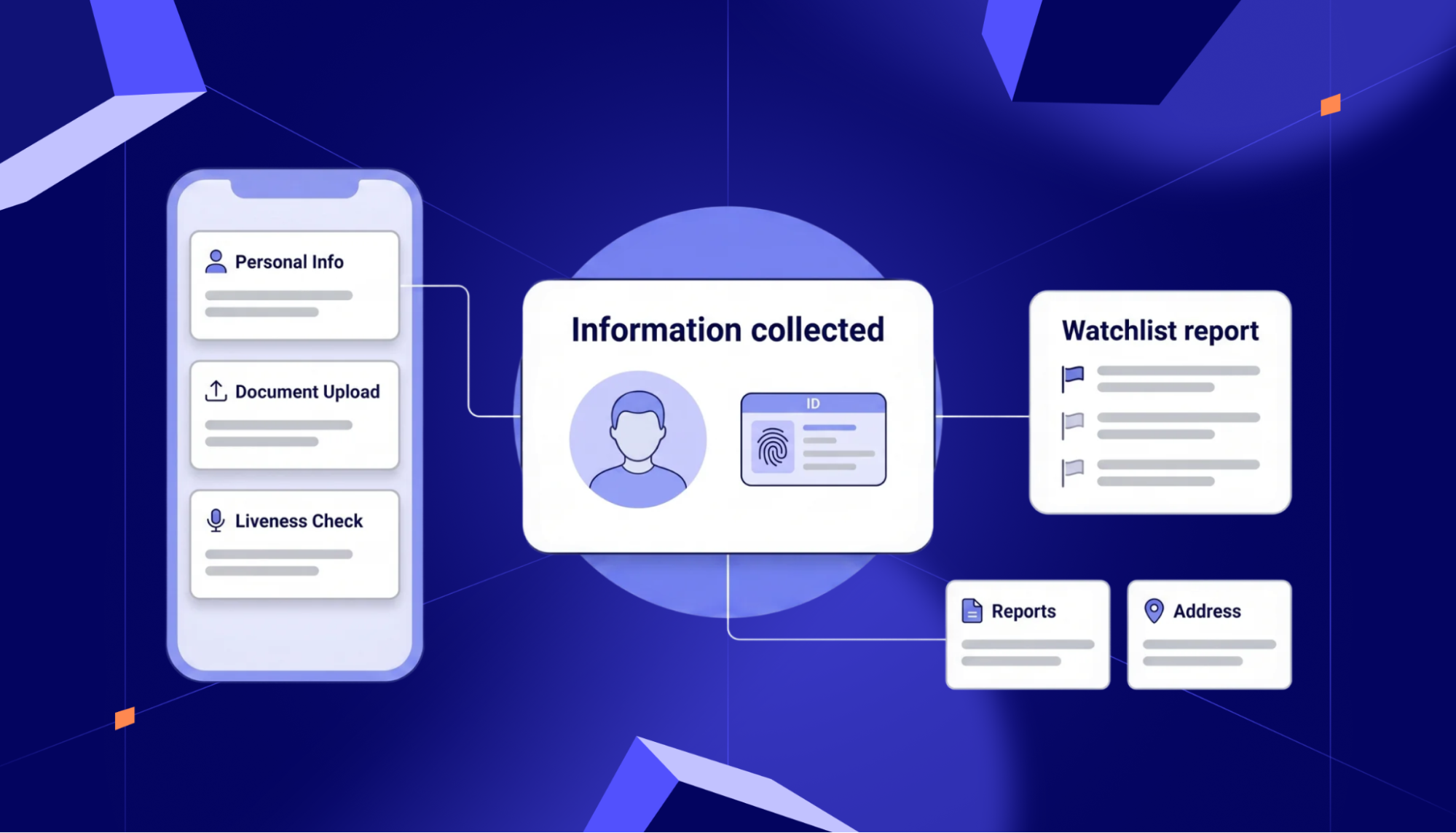
Identity verification software confirms someone’s address using automated checks. They might include:
- Automated document validity checks
- Third-party databases verification
- Risk analysis to trigger extra checks
These automations ensure your company is doing everything it can to verify that a person is who they claim to be.
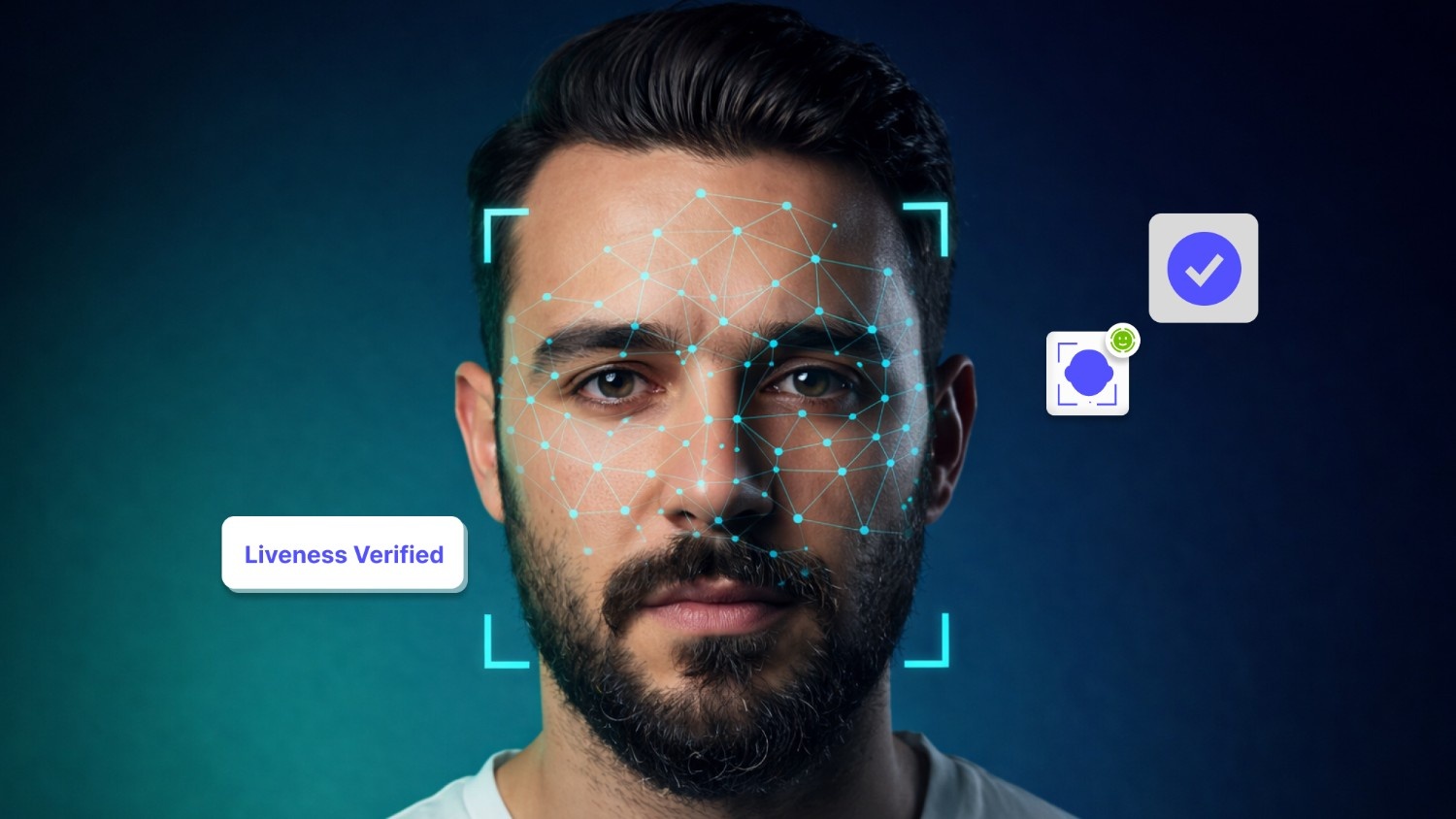
Unlike manual searches, identity verification software provides real-time signals and cross-references against government registries and credit bureaus for maximum accuracy. Operationally, this helps uncover inaccuracies or inconsistencies to reduce the risk of fraud.
For businesses, especially highly regulated ones like financial services or crypto, this can reduce compliance risks and ensure proof-of-address workflows are smoother for customers.
AiPrise can verify IDs with the help of over 100 sources, reveal criminal records, and comply with global regulations. This method is essential for peace of mind and mitigates risks in high-stakes situations.
Address Verification Best Practices to Keep in Mind
While verifying a person's address, it’s essential to respect privacy laws and ethical guidelines. Misusing address information leads to serious consequences, so understanding the legal framework is crucial.
Here are a few best practices to keep in mind:
- Respect Privacy Laws and Individual Rights: Different regions have rules regarding collecting and using personal information, including regulations like GDPR in the EU and the Fair Credit Reporting Act (FCRA) in the United States. Unauthorized use or improper handling of someone's address is a privacy violation.
- Cross-Referencing Multiple Sources: Cross-referencing multiple sources is crucial for accurate address verification. Relying on a single source may lead to errors or incomplete data, so it is better to combine it with others. Combining public records, social media, and third-party services ensures the information is up-to-date and reliable and minimizes the risk of fraud.
- Avoid Unethical Searches and Stalking Laws: Avoid unethical or invasive address verification methods. Accessing public records is legal, but behaviors like monitoring personal activities or intruding into private spaces can violate stalking laws.
- Account for Cross-Border Compliance: For organizations operating internationally or with an international client base, workflows must account for identity/address verification standards across multiple regions and regulators. This means organizations based in the US, for example, are governed by Customer Identification Program (CIP) requirements under the Bank Secrecy Act. But if the organization is onboarding customers in the EU, their workflows may need to account for AML regulations in the customer’s jurisdiction, such as AML Directives or international frameworks like MiCA for cryptocurrency exchanges.
- Maintain Compliant Audit Trails: Regulations mean your organization could be subject to rigorous audits, especially in financial services. If address verification processes do not include detailed, best practice audit logs, you risk exposure to fines.
Improving Address Verification Processes at Scale
For fintech, crypto exchanges, and marketplace platforms, address verification workflows can present operational challenges, especially when onboarding ramps up, and you need verification at scale.
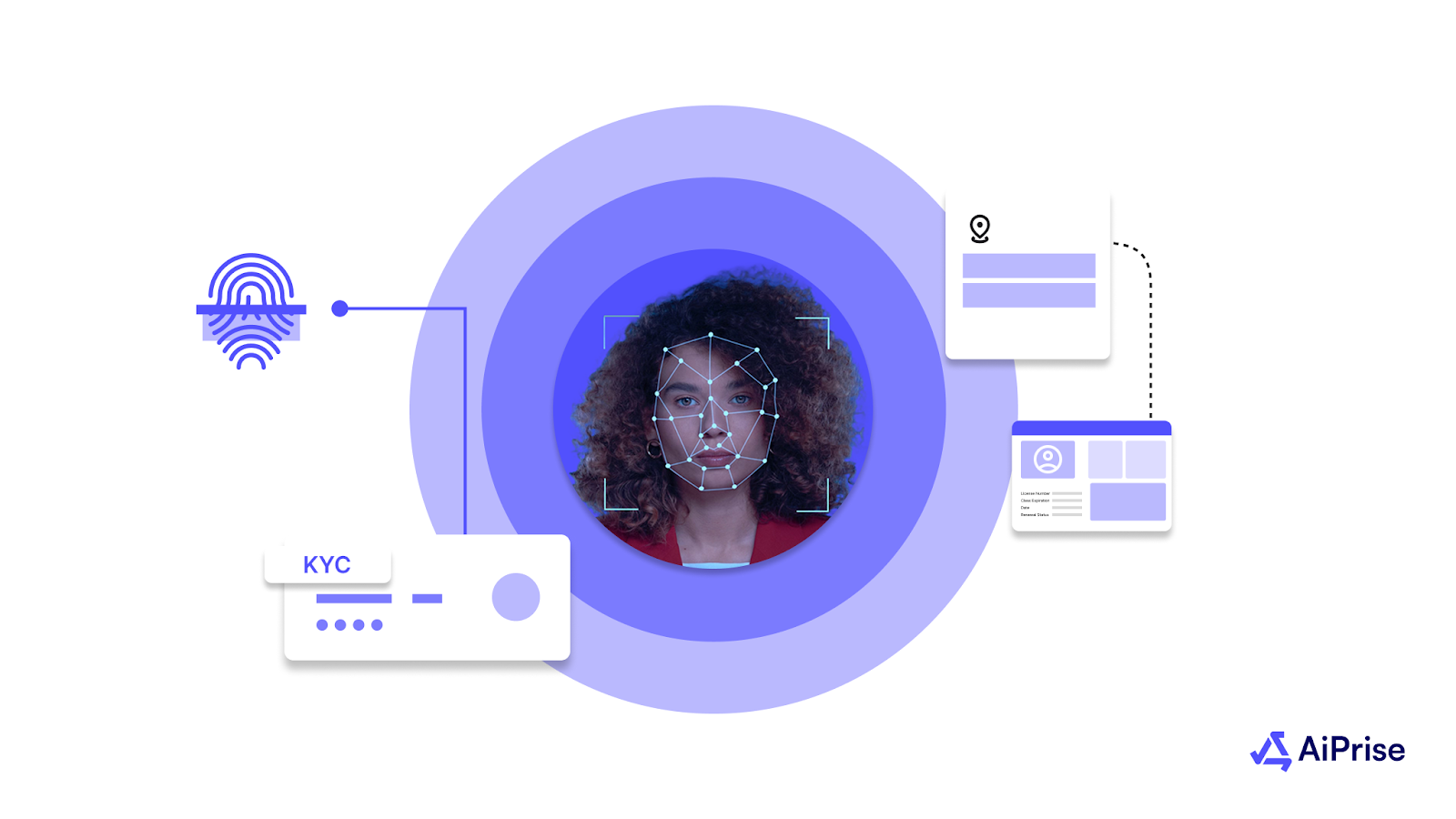
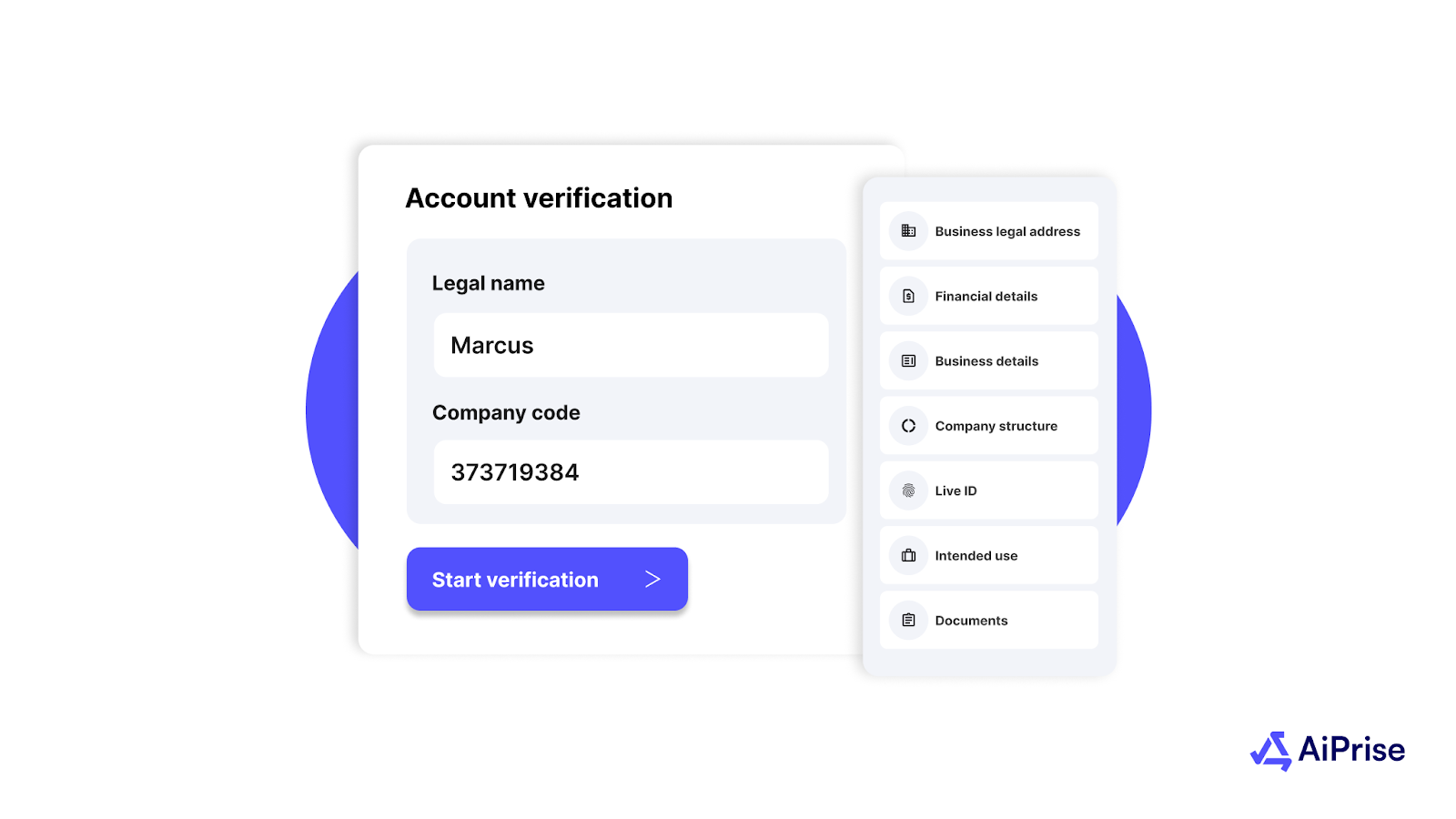
Platforms like AiPrise offer KYC and KYB solutions to verify addresses and identities, helping businesses streamline compliance processes and mitigate risks. Do you want to see how our AI-based technology simplifies your verification needs? Book your demo now and see how we can help you automate identity verification at scale and streamline compliance.
FAQs
What industries need address verification?
In regulated industries like financial services and crypto exchanges, address verification is mandatory. Anti-money laundering (AML) regulations require these companies to confirm address details before onboarding. Failure to collect and confirm this information in a compliant way can result in fines from regulators if the company is audited.
Is there a global address verification service?
Yes, many services and platforms for verifying addresses use multiple data sources across the world, like government registers or postal databases. They can standardize formatting to validate address data regardless of the address location. For businesses that frequently deal with cross-border data and transactions like crypto exchanges, global verification helps with data consistency and regional compliance.
What is the fastest way to verify an address?
Address verification platforms are typically the quickest way to verify addresses, as they scan databases in real time.
You might want to read these...



AiPrise
KYB Compliance: 2026 Regulations You Should Know About
As organizations expand globally and face tighter regulations, adherence to Know Your Business (KYB) standards has become one of the most critical compliance layers for fintech, online marketplaces, and other companies that need to verify business customers before letting them perform financial transactions.






.png)

.jpg)














.png)





.png)
.png)
.png)










.png)
.png)



AiPrise’s data coverage and AI agents were the deciding factors for us. They’ve made our onboarding 80% faster. It is also a very intuitive platform.

Head of Operations



See your full compliance picture in one place
Use AI agents and global data to review businesses and users faster and more accurately
