

AiPrise
5 min read
April 21, 2026
Identity Verification in Crypto: KYC and AML Explained

Key Takeaways

When it comes to crypto exchanges, processes like Know Your Customer (KYC) verification can feel like a formality. But identity verification isn’t just a routine process. With regulators looking at digital asset markets and crypto exchanges with ever-increasing scrutiny, KYC and anti-money laundering (AML) controls are becoming a critical risk control process for exchanges. Failure to manage them correctly can lead to significant fines, and KYC processes must be completely defensible in case of an audit.
KYC verification in crypto comes with its own unique set of challenges and risks. By nature, cryptocurrency platforms frequently deal with multiple jurisdictions and global trades. Combine these types of transactions with Financial Action Task Force (FATF) Travel Rule obligations and frequent FinCEN guidance updates, and the identity verification process quickly becomes more than a basic identity check during onboarding.
This guide looks at what happens during identity verification in crypto environments and how it connects to wider AML obligations. We’re also sharing methods and best practices to help your crypto platform streamline KYC.
Key Takeaways:
- KYC is a process for verifying identities that companies in the finance industry, including crypto exchanges, use to meet AML obligations.
- Crypto exchanges must align their KYC processes with the global and regional AML requirements they fall under.
- Risk-based verification, known as customer due diligence (CDD) and enhanced due diligence (EDD), enables tiered verification methods based on a user’s risk profile.
- Crypto exchanges can handle the full KYC process in-house or choose to outsource verification to a third-party service or platform.
- Robust KYC processes reduce fraud, reduce the risk of regulatory penalties like fines, and provide a better onboarding experience for users.
What Is Identity Verification in Crypto?
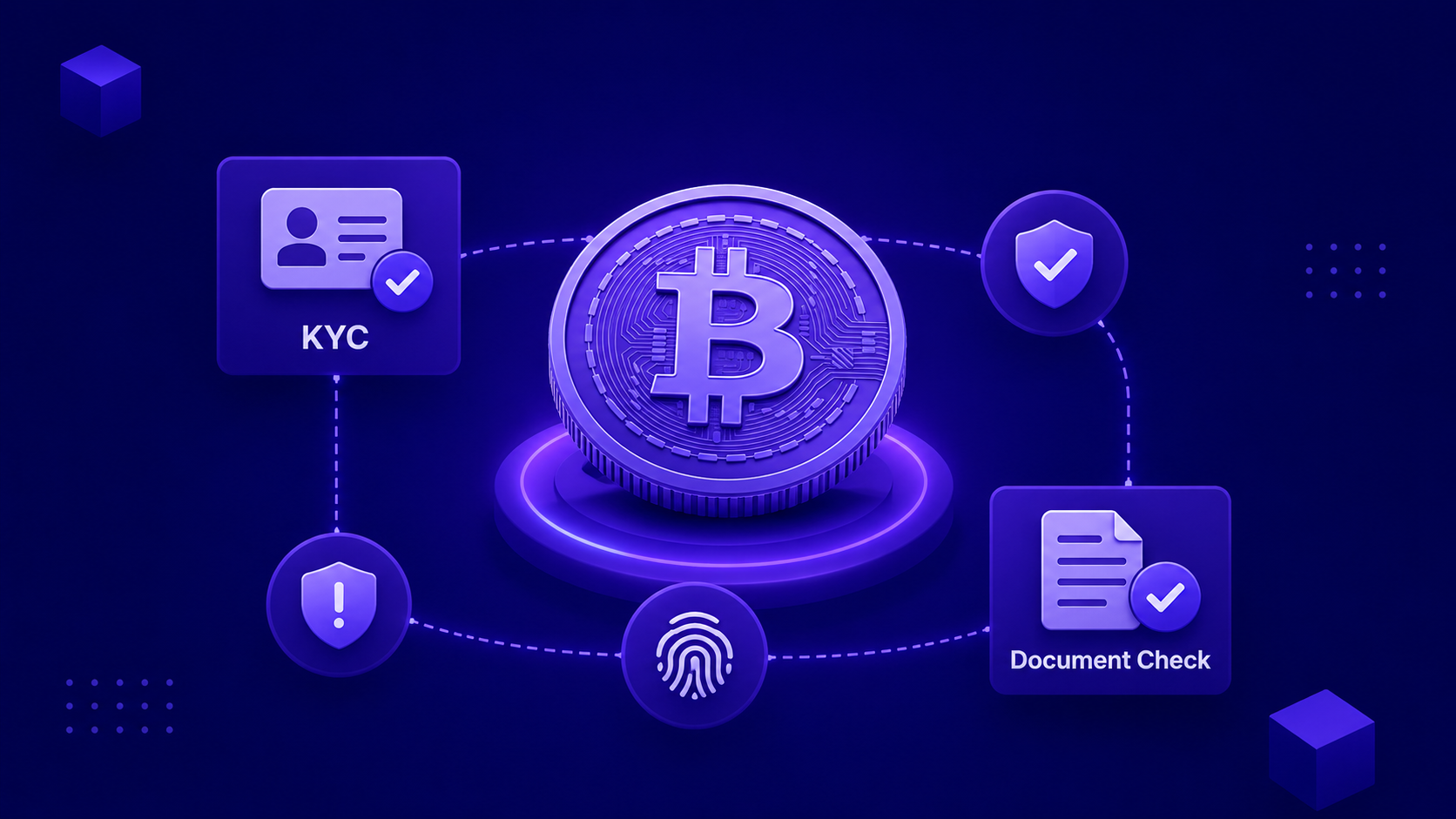
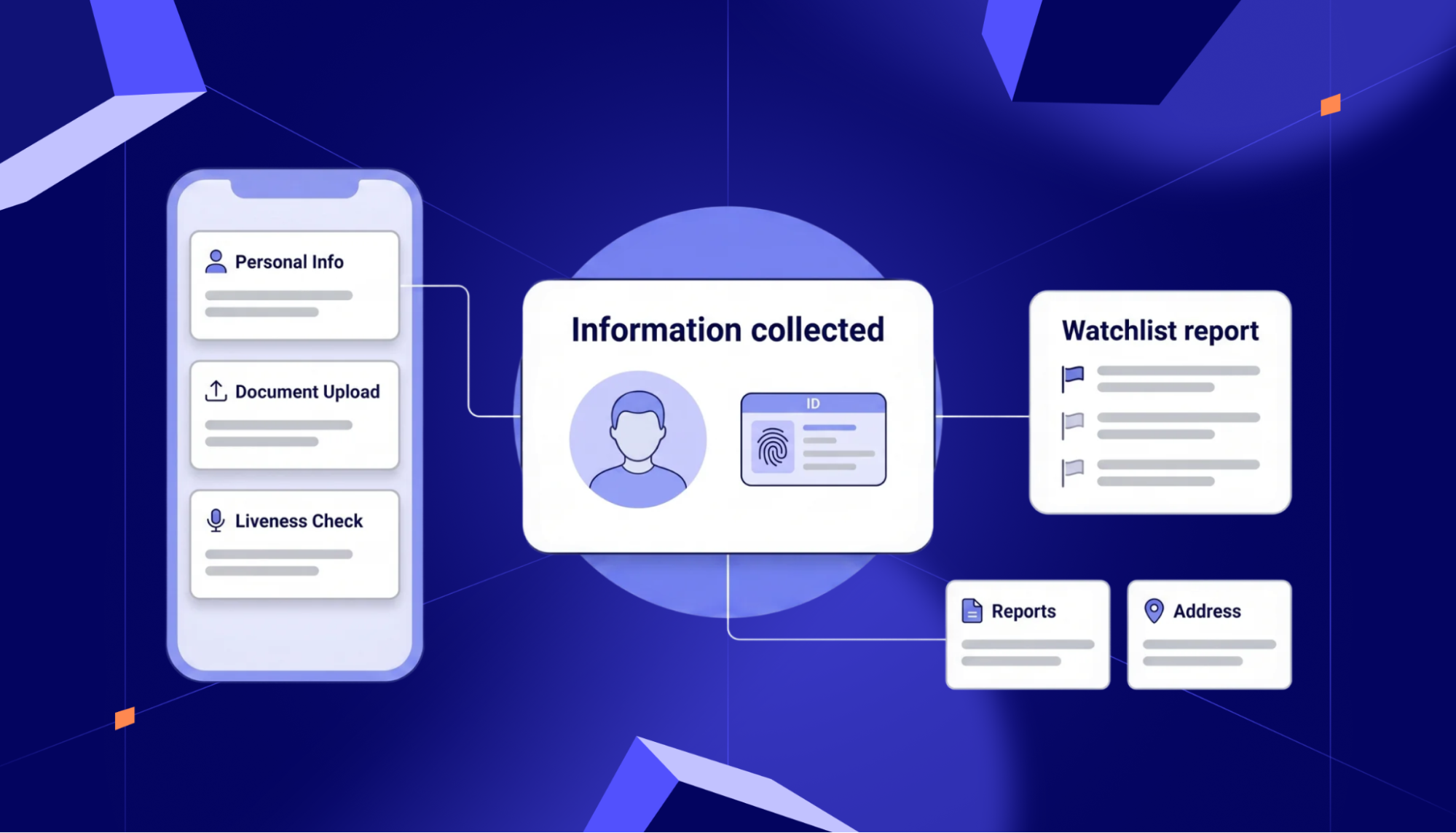
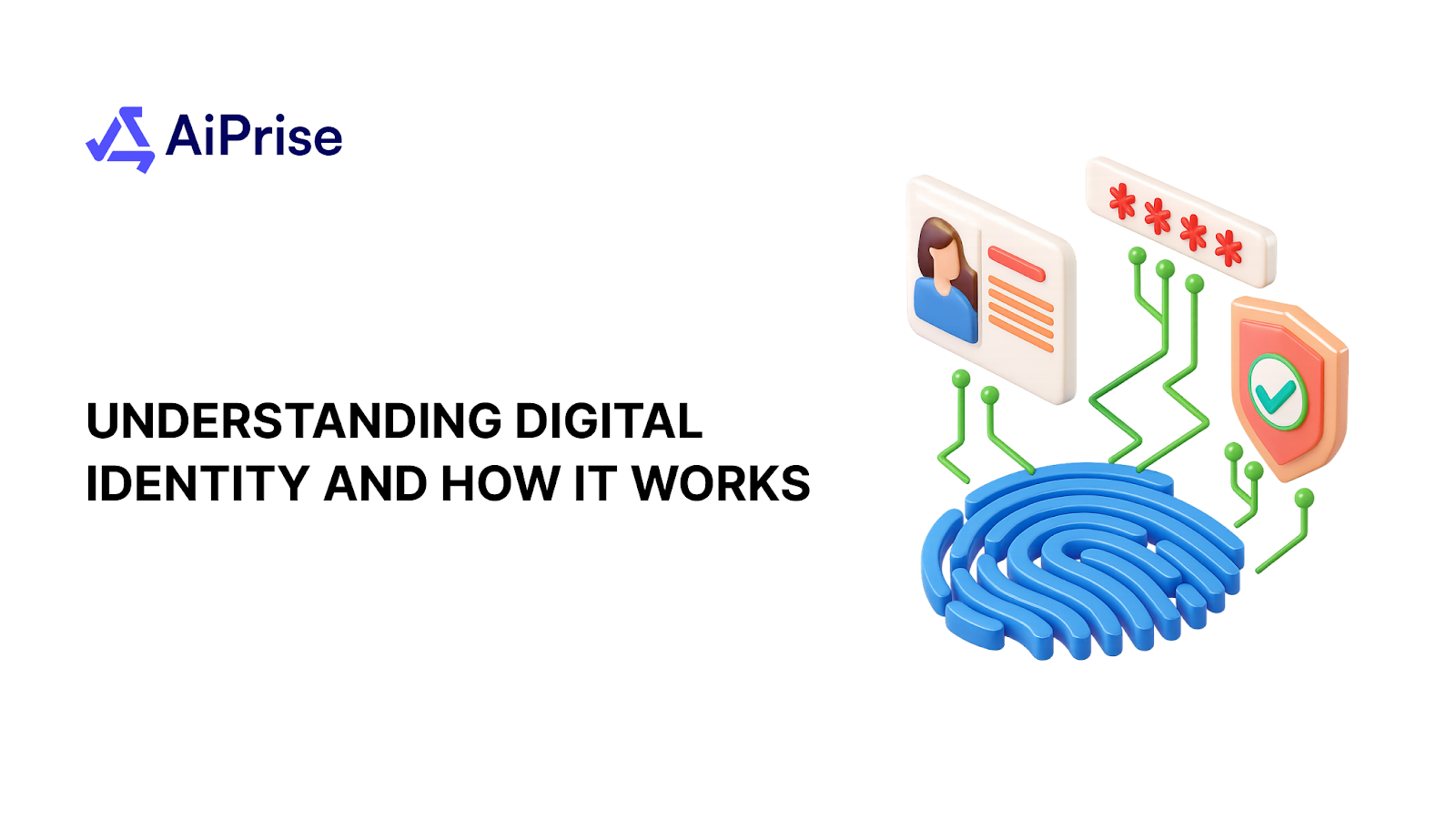
Identity verification, also known as Know Your Customer (KYC) and Anti-Money Laundering (AML), is a process that requires crypto exchanges and platforms to verify the identities of their users. This process typically involves collecting and validating personal information, such as government-issued IDs and proof of address documentation, such as utility bills.
Identity verification is a critical step in ensuring the security and integrity of the platform. With the increasing popularity of cryptocurrencies, it has become even more crucial to establish trust and confidence among users by implementing robust identity verification processes.
While the process of identity verification may seem daunting to some, it is a necessary step to protect both users and crypto exchanges themselves.
KYC
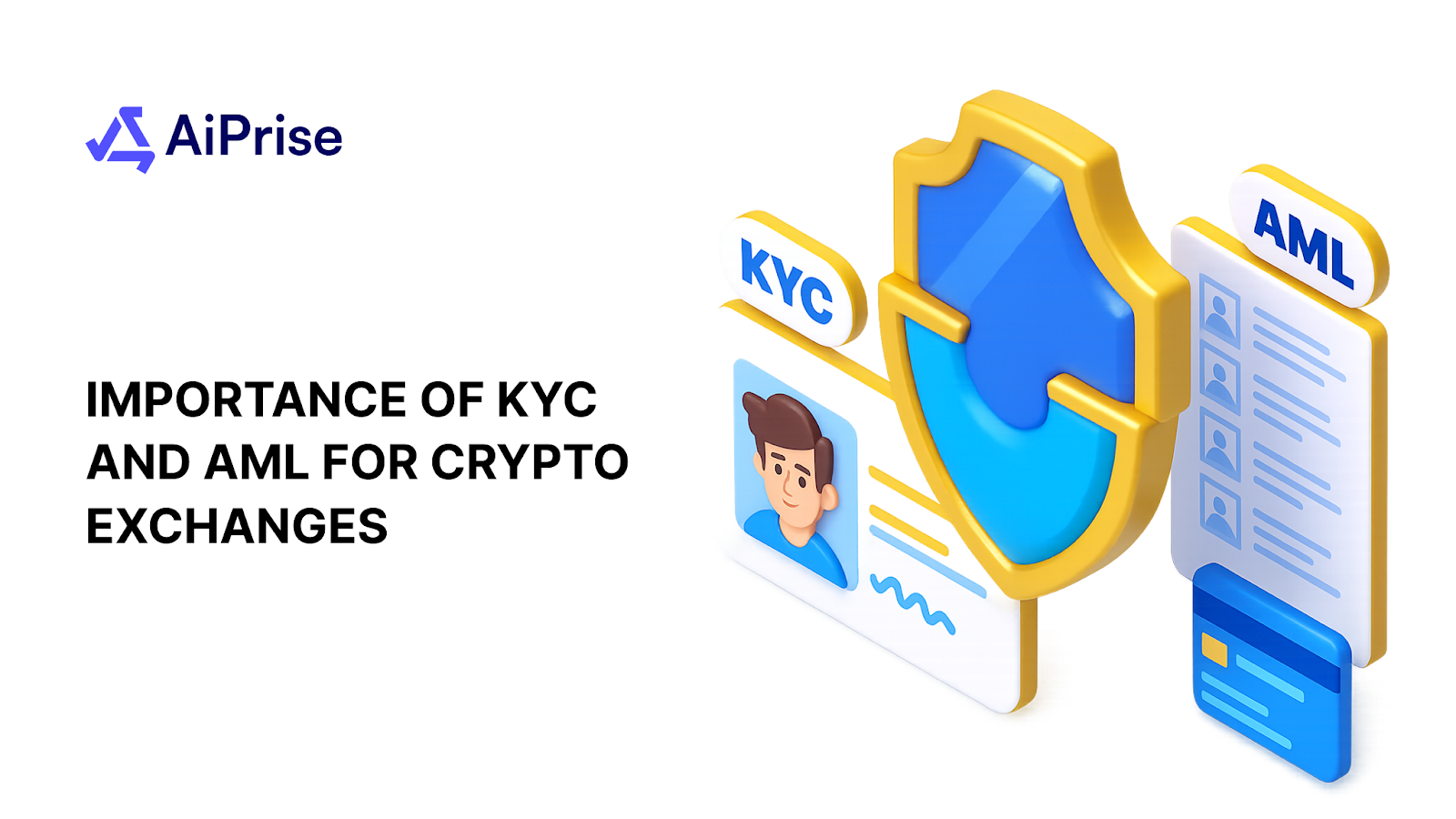
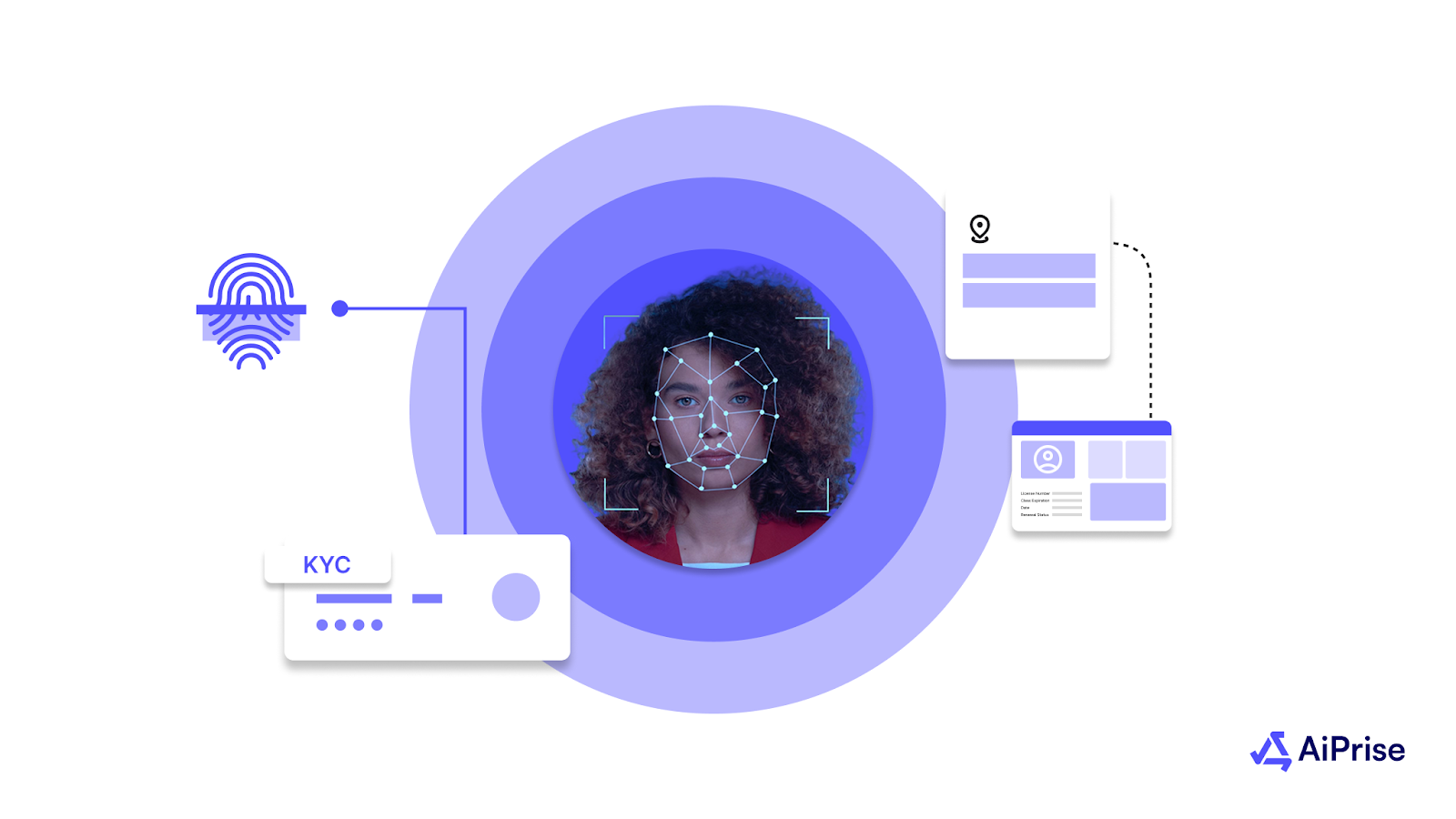
KYC is a process that organizations, particularly those in financial services and fintech, use to verify the identity of users who sign up for accounts on their platforms. KYC is not a piece of regulation itself. It’s a process organizations use to ensure they are aligned with best practices under regulations like AML.
How a crypto exchange implements KYC depends on the national and regional regulators they operate under. Over 120 countries now have regulations in place that make KYC processes mandatory for crypto exchanges. Requirements can include:
- Collecting documents to verify identity
- Collecting documents to verify the user’s current address
- Further checks and verifications when the user falls into certain categories, such as a politically exposed person (PEP)
This translates into standardized onboarding workflows, which many crypto exchanges and other fintech platforms now automate. Users submit the required documents, and a compliance, onboarding, or KYC team verifies the information.
For example, a user provides their full name when signing up. They must submit proof of that name, and the team’s process may include ensuring the document:
- Is a valid form of identification (a passport or other government ID)
- Fully matches the name entered by the user
AML
AML refers to a broad set of regulations mandated to detect and prevent financial crimes like fraud and money laundering. Some AML regulations also focus on deterring and detecting activities such as terrorist financing or bypassing sanctions.
Each government has its own set of local regulations that fall under AML, but international bodies like the FATF work to introduce global standards. Aligning national regulations with wider standards helps further improve transparency, especially where global trades occur.
AML regulations are the legal obligations that dictate process-based policies like KYC to ensure banks, fintech companies, and crypto exchanges are operationally robust enough to fulfill these regulatory obligations.
Why Is Identity Verification Important in Crypto?
Identity verification plays a pivotal role in the crypto landscape, serving several crucial purposes:
Compliance with Regulations
Crypto exchanges are subject to various regulatory requirements, including AML compliance. Identity verification ensures that these exchanges adhere to these regulations. Failing to adhere can lead to significant financial losses for crypto exchanges. For example, Binance received a $3.4 billion fine for violating the US Bank Secrecy Act in 2023. The crypto exchange failed to prevent and report suspicious transactions with terrorists.
Obligations for crypto exchanges extend beyond AML and KYC requirements. Guidance, such as the FATF Travel Rule, makes recording and sharing both the sender and recipient information of a transaction mandatory. Regional regulations, like Markets in Crypto-Assets Regulation (MiCA) in the EU, require licensing and ongoing supervision of transaction activity on exchanges.
Fraud Prevention
Identity verification serves as a robust deterrent against fraud. By establishing the true identities of users, crypto platforms can identify and prevent fraudulent activities, such as account takeovers and money laundering.
In 2024 alone, Americans lost $9.3 billion to crypto fraud. Strict onboarding and transaction monitoring processes aim to help crypto exchanges prevent activity like this, protecting both the end consumer from fraud and crypto companies from hefty fines and reputational damage.
Strong identity verification and KYC processes help to reduce financial losses like these. But following best practice guidelines also helps to lift operational strain on crypto companies. When operating at scale, good KYC makes audits and investigations go much more smoothly.
User Protection
Identity verification safeguards users from potential scams and phishing attempts. By verifying their identities, exchanges can help protect users from malicious actors seeking to exploit their personal information, or worse.
When accounts are linked to verified identities, crypto technology and teams can step in much faster to restrict or verify transactions before harm occurs. Transactions move quickly across wallets, so traceability tied to specific identities makes it easier to attribute activity to bad actors and intervene in a more timely manner.
Combatting Crypto-Specific Risks
Crypto platforms face a unique set of challenges when it comes to identity verification and suspicious activity. Transactions move quickly and globally, often with a certain level of anonymity. There are several ways crypto exchanges can detect and prevent sanctioned or illegal activity, but robust identity verification makes those processes stronger.
For example, wallet tracing can surface transactions linked to high-risk or sanctioned wallets, while on-chain analysis gives crypto exchanges visibility into transaction patterns to surface suspicious activity. But verified identity data can help to block or restrict movement at the account level before a user withdraws or transfers the funds.
Types of Crypto Identity Verification Methods
Identity verification methods in crypto vary depending on the specific exchange, regulatory requirements, and risk levels. Common methods include:
Document Verification: Users submit government-issued IDs, utility bills, and proof of address documentation for verification.
Facial Recognition: Users capture images or videos of themselves to verify their identities through facial recognition technology.
Liveness Detection: Users perform specific actions, such as blinking or moving their head, to prove they are real people.
The method your exchange should implement depends on how rigorous your KYC needs to be. For example, custodial exchanges that hold user funds usually require more thorough KYC than non-custodial wallets.
Risk levels also depend on factors like transaction amounts and user location. For example, one financial officer at a Singaporean company paid nearly $500,000 to scammers who used AI tools on a video call to falsely represent themselves as a company director, while a Hong Kong employee wired $25 million to criminals in similar circumstances in 2024. With deepfake techniques like these on the rise, many crypto exchanges may opt for more stringent KYC measures to better protect themselves and customers.
Understanding the Different Levels of Identity Verification
When it comes to identity verification on crypto exchanges, it's important to understand that there are typically different levels or tiers of verification. These different levels may vary across different exchanges, but they generally follow a similar pattern.
A multi-layered, risk-based approach aligns with guidance and recommendations from regulators such as FATF.
Risk-Based Identity Verification
Using a risk-based framework means structuring KYC processes and identity verification practices around different levels of due diligence.
Customer due diligence (CDD) is a baseline level of verification and requires most users to provide a form of identity documentation for crypto exchanges to check. This usually means collecting their full name and checking it against an official government-issued ID like a passport, driver’s license, or identity card. Basic CDD is mostly about verifying the person is who they claim to be.
Enhanced due diligence (EDD) requires more rigorous identity checks, usually when the user provides information that flags them as high risk. With EDD processes, the platform gathers extra information and layers of verification.
Higher-risk profiles might trigger EDD processes like providing additional forms of ID or further screening against databases to detect previous illicit activity. High-risk profiles may also trigger liveness detection (live video verification) or more extensive manual review.
An Example of a Crypto Platform Identity Verification Process
The identity verification process on a crypto platform typically involves the following steps:
- User creates an account: The user creates an account on their chosen crypto platform.
- Platform initiates verification: The platform requests information for KYC purposes, like name, address, and purpose of account.
- User provides personal information: The user provides accurate and up-to-date personal information, including their name, address, and contact details.
- Platform begins the screening process: The platform assesses the information and triggers risk-based KYC requirements.
- User submits verification documents: The user uploads or submits copies of the requested verification documents, such as government-issued IDs and proof of address.
- Platform validates the document’s authenticity: The platform assesses the validity and acceptability of the documents and verifies their accuracy against the provided information. If required, the platform triggers further checks and verification requests.
- User completes additional verification steps: The user may be required to complete additional verification steps, such as facial recognition or liveness detection.
- Platform activates the account: When satisfied with the identity verification and documents, the platform activates the user account and confirms activation.
Best Practices for Secure Identity Verification on Crypto Exchanges
Identity verification must balance good user experience with regulatory compliance. Here are some best practices to follow:
- Use a risk-based approach: Lean on regulatory guidance from organizations like FATF to implement a tiered approach to KYC verification.
- Apply risk profiles to KYC requirements: Assess users by risk level and segment them into the appropriate CDD or EDD processes.
- Automate verification processes: Many tools now enable crypto exchanges to automatically verify the authenticity of a document and the accuracy of the information on it against user inputs. Automation reduces the need for manual review and also provides a faster onboarding experience for customers.
- Incorporate extra checks: Technology like liveness checks or collecting biometric data helps to combat more sophisticated techniques like deepfakes. Requiring extra checks like these at the onboarding stage adds a further level of KYC stringency to the process.
- Ensure audit readiness: Smooth audits and investigations rely on clearly logging KYC data and documenting AML-based procedures, including any changes you make based on new regulatory guidance.
Following these best practices means providing a more seamless onboarding experience for users while protecting your exchange from regulatory fines.
In-House Verification Vs. Third-Party KYC Management in Crypto
KYC management can happen in-house, or a crypto platform can choose to outsource it to a third-party provider. Here’s what to keep in mind when deciding which path to take:
Cost
In-house verification processes, whether largely handled by technology or through manual checks, can be expensive. You’ll have to pay for engineering and compliance teams, as well as ongoing legal consultations. Using a third-party provider reduces this overhead and, due to their internal expertise and experience, speeds up the implementation process for your KYC.
Scalability
Many crypto exchanges can experience rapid growth in user sign-ups. Even when technology handles a large chunk of the KYC process, these types of surges can require infrastructure upgrades or risk interrupting the onboarding experience. Third-party platforms build their systems with this in mind and can provide more predictable pricing based on usage without disruption to your platform.
Regulatory Updates
Regulators and working groups regularly make updates to guidelines and requirements. In 2025 alone, EU regulators adjusted their list of high-risk countries, while the US is expanding AML enforcement under the Bank Secrecy Act and Corporate Transparency Act. Changes like these can directly impact KYC requirements for crypto exchanges. Third-party providers and tools already stay on top of these changes to help crypto companies stay compliant without the overhead of regular internal reviews and updates.
Data Accuracy and Integrity
Verifying identities compliantly only works if verification happens against trusted, up-to-date sources. Limited data sets for in-house teams and systems can lead to gaps, whereas third-party platforms usually integrate and check against multiple sources to reduce risk.
Streamlining KYC and AML Processes for a Seamless User Experience
Ensuring a seamless and user-friendly identity verification process is vital for crypto exchanges. No one wants to spend hours submitting documents and going through numerous verification steps. Therefore, it is important to streamline this process.
One way exchanges can do this is by implementing automated systems that quickly and accurately verify user identities. By utilizing advanced technology like facial recognition and document scanning, exchanges can expedite the verification process while maintaining a high level of security.
Another aspect to consider is the user interface of the verification process. Exchanges should strive to make it intuitive and easy to understand, guiding users through each step and providing clear instructions. This will not only reduce frustration but also ensure that users provide accurate and necessary information.
Furthermore, exchanges should prioritize transparency throughout the verification process. Users should be informed about the progress of their verification and any potential issues or delays. Prompt and helpful customer support can also contribute to a smoother experience. Secure data handling processes like encryption also help to build platform trust and keep data as safe as possible.
By focusing on automation, user-friendly interfaces, and transparent communication, crypto exchanges can streamline the identity verification process and provide a seamless experience for their users.
The Future of Identity Verification in Crypto Exchanges
As the crypto industry continues to grow and evolve, so does the need for advanced and secure identity verification methods on crypto exchanges. Looking to the future, we can expect to see even more innovative solutions for identity verification in this space.
Higher Regulatory Scrutiny and Requirements
Regulators are increasing the pressure and requirements for KYC identity verification around the world. Some specifically address crypto exchanges and platforms with frameworks like MiCA in the EU and the FATF Travel Rule. Crypto exchanges will likely have to introduce more stringent processes to handle things like identity verification and cross-border transaction monitoring.
As the level of sophistication in illicit activities continues to advance, so will regulatory scrutiny. Techniques like deepfakes and fraud networks are forcing regulators and platforms alike to take KYC verification and risk-based approaches well beyond basic document checks.
Emerging and Advancing Technologies
One exciting development is the potential integration of blockchain technology into the identity verification process. Blockchain's inherent characteristics of transparency, immutability, and decentralization make it an ideal solution for securely storing and validating user identities. By leveraging blockchain, exchanges can reduce the risk of data breaches and enhance user trust and confidence.
Additionally, advancements in biometric technology, such as fingerprint and iris scanning, could further enhance the security and convenience of identity verification. These technologies provide a higher level of certainty and eliminate the need for users to remember complex passwords or carry physical identification documents.
Many fintech companies already have artificial intelligence and machine learning embedded in their onboarding processes. Rather than replacing human checks, this technology can handle routine document scanning and checks while escalating edge cases to humans for manual review.
In the coming years, we can expect to see a shift towards a more seamless and efficient identity verification process on crypto exchanges, driven by blockchain technology, biometrics, and AI. This evolution will not only enhance security but also improve the overall user experience, making crypto trading more accessible to a wider audience. By staying up to date with the latest technological advancements and continuously improving their verification processes, exchanges can provide users with a seamless and trusted trading experience.
Improve Your Crypto Exchange’s KYC Process With the Right Software
The future of identity verification in crypto exchanges promises heightened security, convenience, and accessibility. Through the adoption of innovative solutions and a commitment to evolving technologies, exchanges can cultivate trust, elevate security measures, and provide a seamless and reliable trading experience for all users.
Ready to enhance identity verification on your crypto exchange platform? Schedule a demo with AiPrise!
Frequently Asked Questions About KYC Verification in Crypto
What is KYC in crypto?
KYC is a process required under AML laws, which enforce the verification of user identities in financial services, fintech, and crypto exchanges. It involves collecting and verifying personal information along with documentation to confirm the user’s identity.
Do crypto exchanges require KYC?
Yes, most crypto exchanges must implement KYC processes to comply with AML regulations. The specific requirements depend on the jurisdiction of the crypto exchange and its users.
Do crypto wallets require KYC?
It typically depends on the type of wallet. Custodial wallets usually require KYC, while non-custodial wallets do not.
What documents are needed for crypto KYC?
KYC usually requires the crypto exchange to verify a person’s identity through a government-issued ID. If the platform must also verify addresses as part of its KYC process, it can collect proof of address documents like utility bills or bank statements.
You might want to read these...



AiPrise
KYB Compliance: 2026 Regulations You Should Know About
As organizations expand globally and face tighter regulations, adherence to Know Your Business (KYB) standards has become one of the most critical compliance layers for fintech, online marketplaces, and other companies that need to verify business customers before letting them perform financial transactions.










.png)

.jpg)
















.png)







.png)
.png)
.png)














.png)
.png)






AiPrise’s data coverage and AI agents were the deciding factors for us. They’ve made our onboarding 80% faster. It is also a very intuitive platform.

Head of Operations



See your full compliance picture in one place
Use AI agents and global data to review businesses and users faster and more accurately
