

AiPrise
8 min read
April 24, 2025
Legislation Addressing AI Deepfakes in the US

Key Takeaways

A mid-sized fintech company recently learned the hard way how real the deepfake threat has become. During what looked like a routine video call, the CFO appeared on screen with the usual voice, face, and even gestures and approved a $25 million transfer. Everything checked out. Everything looked legitimate. But it wasn’t. It was a deepfake.
And if you think your business couldn’t fall for something like that, it might be time for a reality check. This post is for anyone in finance, payments, or crypto. If your organization handles identity verification, fraud prevention, or compliance, consider this your must-read guide to what’s happening in U.S. legislation and what you should be doing now to stay ahead.
What Is Deepfake?
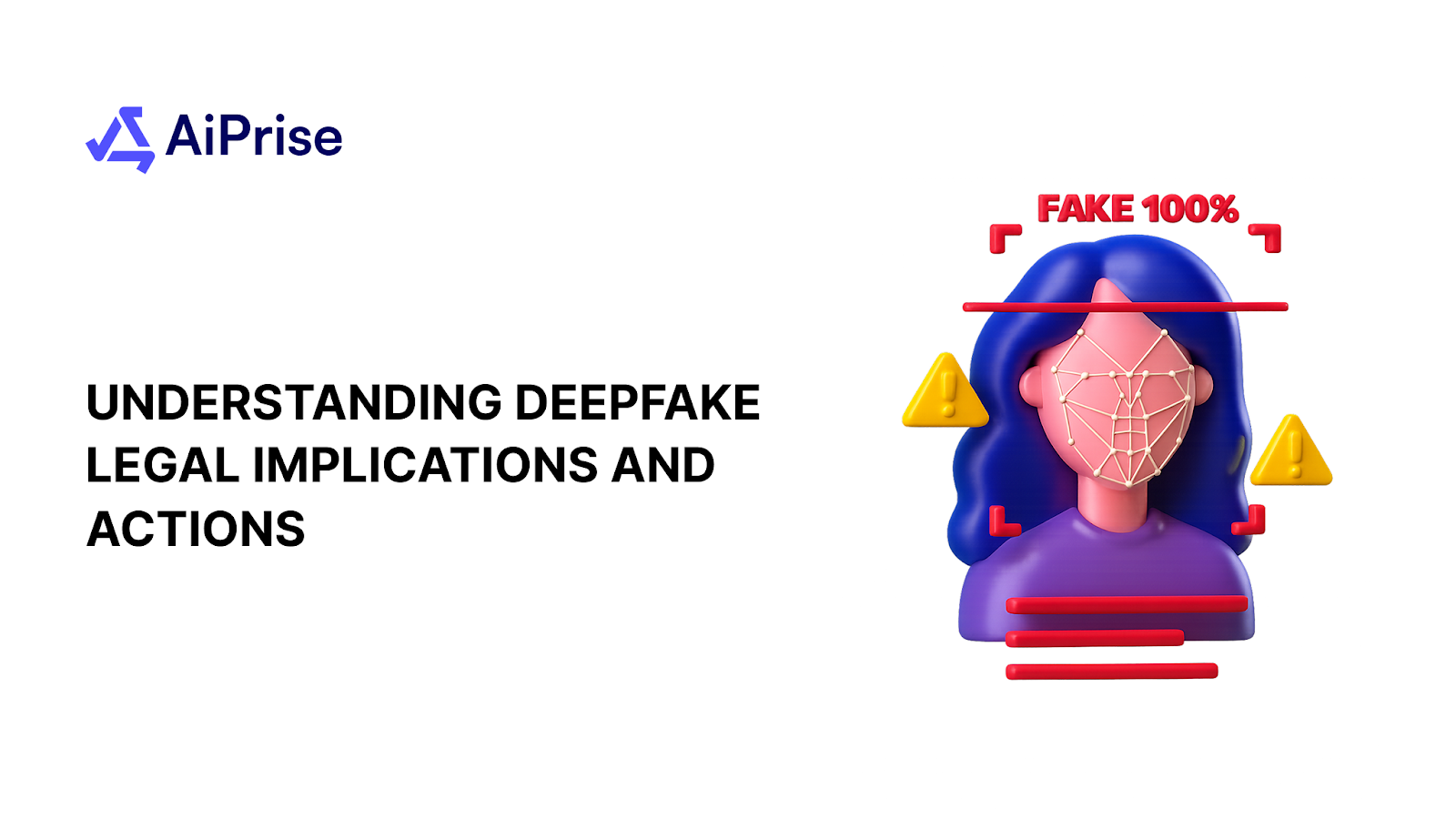
Deepfakes are synthetic media created using AI algorithms and deep learning techniques. These tools can manipulate existing media or generate entirely new content that mimics real people, voices, or events.
While deepfakes have legitimate applications in entertainment and education, their misuse poses significant threats, including fraud, identity theft, misinformation, and reputational damage. Deepfakes aren't just a technological curiosity anymore; they're a potential nightmare.
Implications of Deepfakes for Businesses
The consequences of deepfake fraud in the financial and crypto sectors are far-reaching, and understanding these implications is key to mitigating risk.
- KYC and Identity Verification: Traditional methods of verifying identity, such as video calls or document checks, are no longer enough to protect against sophisticated AI manipulations. Fraudsters can easily bypass these methods by using deepfake technology to impersonate customers.
- Fraudulent Transactions: With the increasing sophistication of deepfake technology, financial transactions can be manipulated. A deepfake video or voice call could authorize a large transfer or make fraudulent trades, causing businesses significant financial losses.
- Regulatory Compliance: Navigating the evolving landscape of state and federal regulations concerning deepfakes is a real headache for financial institutions. The laws are always evolving, making it challenging for businesses to keep up, especially without a clear, unified federal framework.
- Reputation Damage: A deepfake-related incident, whether it’s an unauthorized transfer or a market manipulation scheme, can tarnish a business’s reputation. Trust is everything in the financial sector, and once that trust is broken, it can take years to rebuild.
Now that we've explored the dangers deepfakes pose, let's examine how the government is responding to this issue.
Also Read: How Banks Utilize Machine Learning For Fraud Detection
The Current Legislative Landscape
As the dangers of deepfakes have become more apparent, the U.S. has taken steps toward addressing this issue, though not without challenges.
Federal Response
Currently, there is no single, comprehensive federal law specifically targeting AI-generated deepfakes. However, several bills are working their way through Congress, aiming to fill this gap:
- The DEEPFAKES Accountability Act: This bill proposes transparency requirements for creators of deepfake content, especially harmful ones, ensuring that they are held accountable for their actions.
- The DEFIANCE Act (2024): This bill tackles non-consensual intimate digital forgeries and ensures legal recourse for victims.
- The Protecting Consumers from Deceptive AI Act: This bill mandates that AI-generated media includes clear disclosures about its synthetic origin.
- The Draft No FAKES Act: A proposed federal bill to protect individuals' voice and visual likenesses from unauthorized recreations using Generative AI. This bill would ensure that unauthorized use of an individual’s likeness through deepfakes or similar technology would be subject to legal scrutiny and penalties.
State-Level Legislation
While federal laws are still in progress, states like California, Texas, and New York are stepping up with their own laws targeting deepfakes. These state-level regulations are evolving rapidly to address a wide range of deepfake misuse.
- California SB 926: This bill addresses the misuse of deepfake technology, focusing on civil liability. It allows victims to sue creators and distributors of harmful deepfakes, particularly in contexts involving fraud or political disinformation.
- New York S1042A: This law expands on the regulation of deceptive digital media by focusing on deepfake technologies and the need for strong privacy protections. It mandates penalties for those who produce or distribute harmful digital forgeries, especially involving individuals' personal data.
- Texas SB 751: Introduces criminal penalties for those using deepfakes to influence elections or cause harm. Specifically, this bill criminalizes the creation of deceptive videos intended to damage a candidate or manipulate an election outcome.
- New York: Adopting new cybersecurity guidelines to help financial institutions protect themselves from AI-enabled fraud.
- Florida SB 1798: Criminalizes images created, altered, adapted, or modified to portray an identifiable minor engaged in sexual conduct.
- Louisiana Act 457: Criminalizes deepfakes involving minors engaging in sexual conduct.
- South Dakota SB 79: Revises laws related to child pornography, including computer-generated depictions of minors engaging in prohibited acts.
- New Mexico HB 182: Amends the state's Campaign Reporting Act by adding disclosure requirements for deceptive media in political ads and criminalizing the distribution of materially deceptive media.
- Indiana HB 1133: Requires election campaign communications containing fabricated media to include disclaimers, with the option for candidates to take civil action if disclaimers are absent.
- Washington HB 1999: Provides civil and criminal remedies for victims of fabricated intimate or sexually explicit images.
- Tennessee's ELVIS Act: Protects an individual’s likeness, voice, or image, providing civil liability for unauthorized creation and distribution of digital representations, including deepfakes.
- Oregon SB 1571: Requires disclosure of synthetic media used in election campaign communications.
- Mississippi SB 2577: Creates criminal penalties for the wrongful dissemination of digitizations, including deepfakes, and defines them as altered or fabricated media using software or machine-learning AI.
As regulations evolve, financial sectors must stay ahead of the curve and implement some proactive measures to ensure compliance and safeguard their operations from deepfake-related risks.
Also Read: Spotting and Preventing Deepfakes: Examining AI-Generated Images and Videos
Proactive Measures to Combat Deepfake Fraud
To stay ahead of the deepfake threat, financial institutions and related platforms must implement robust and proactive measures.
1. AI-Driven Tools and Enhanced Verification
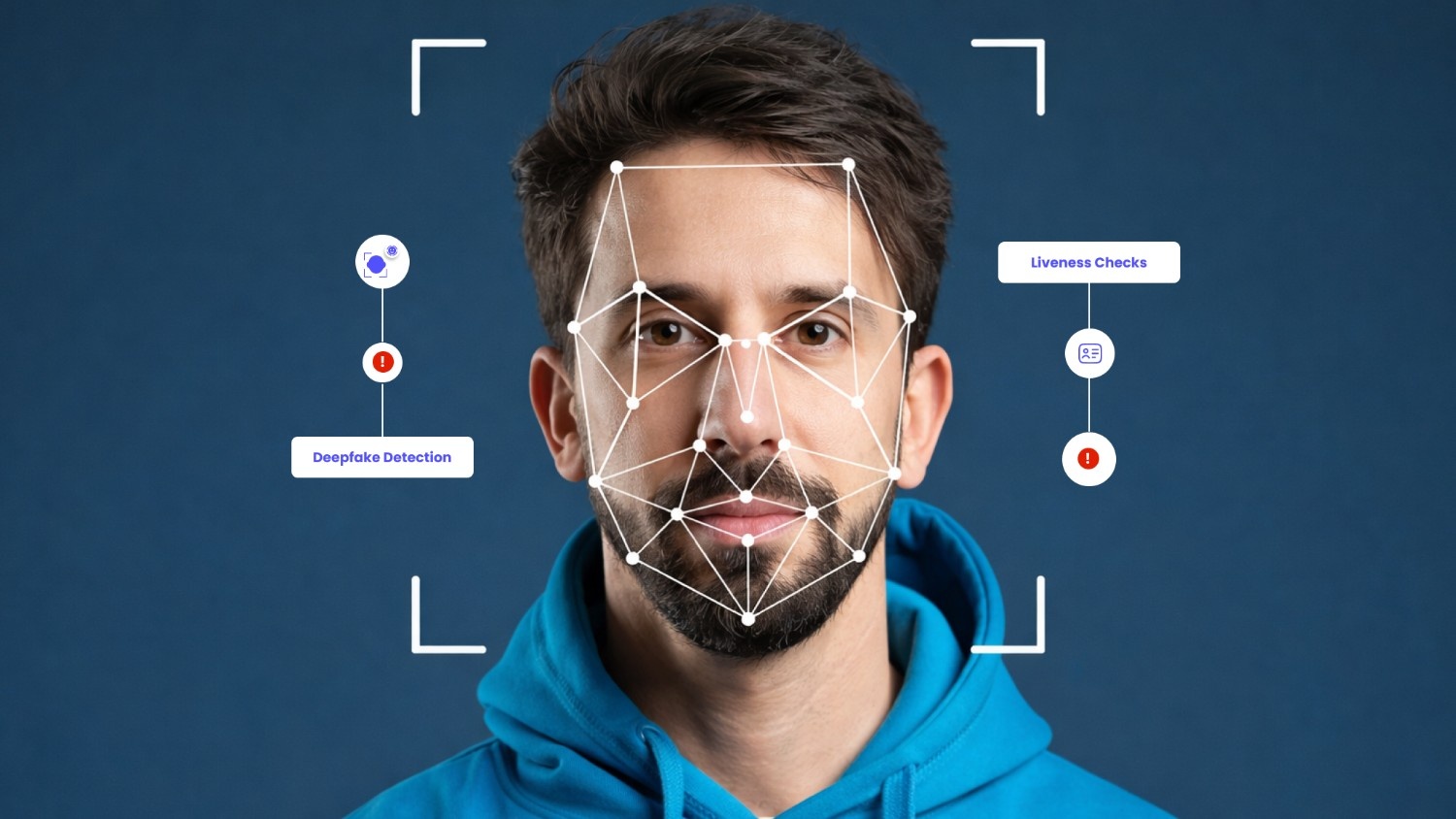
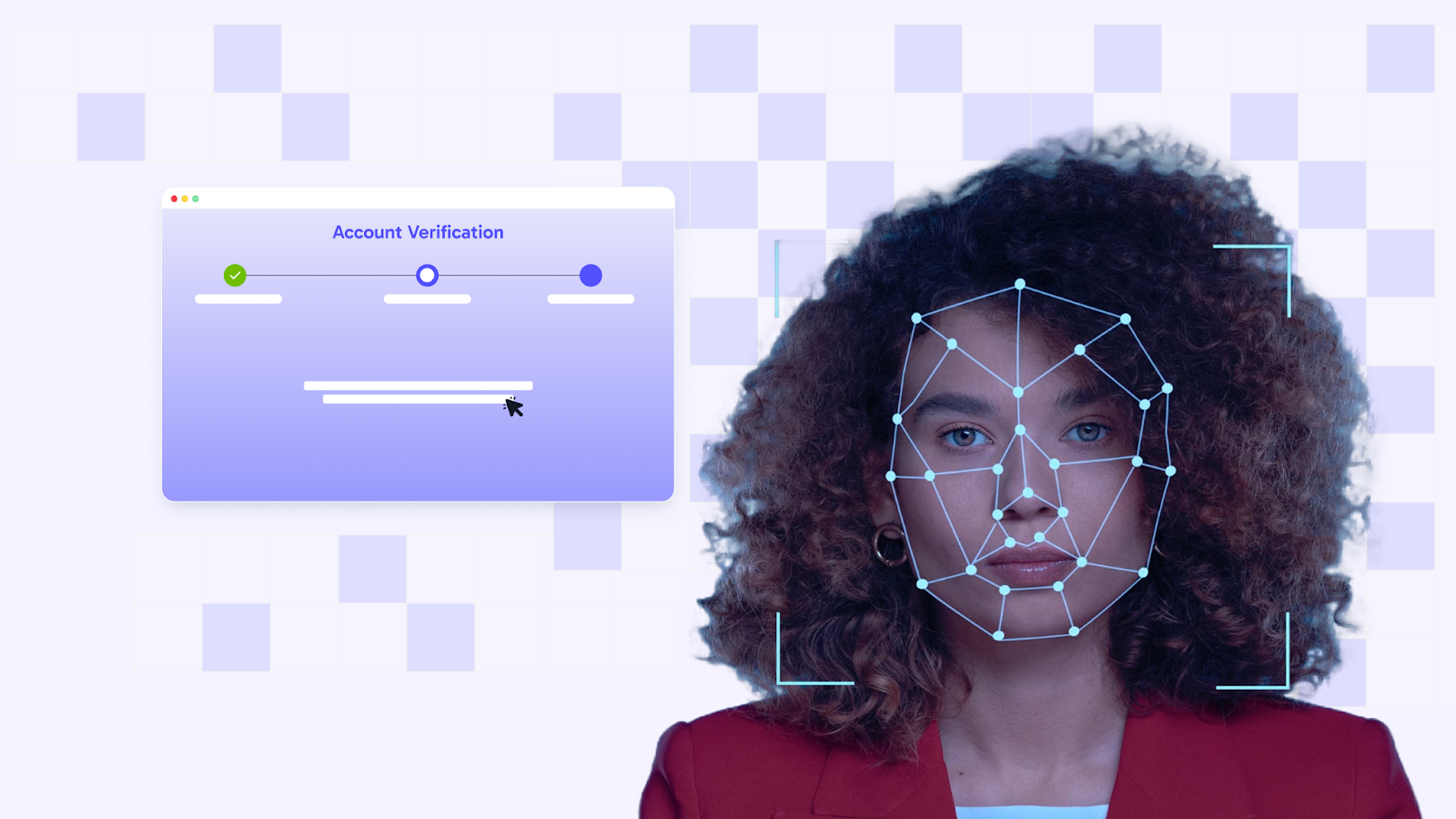
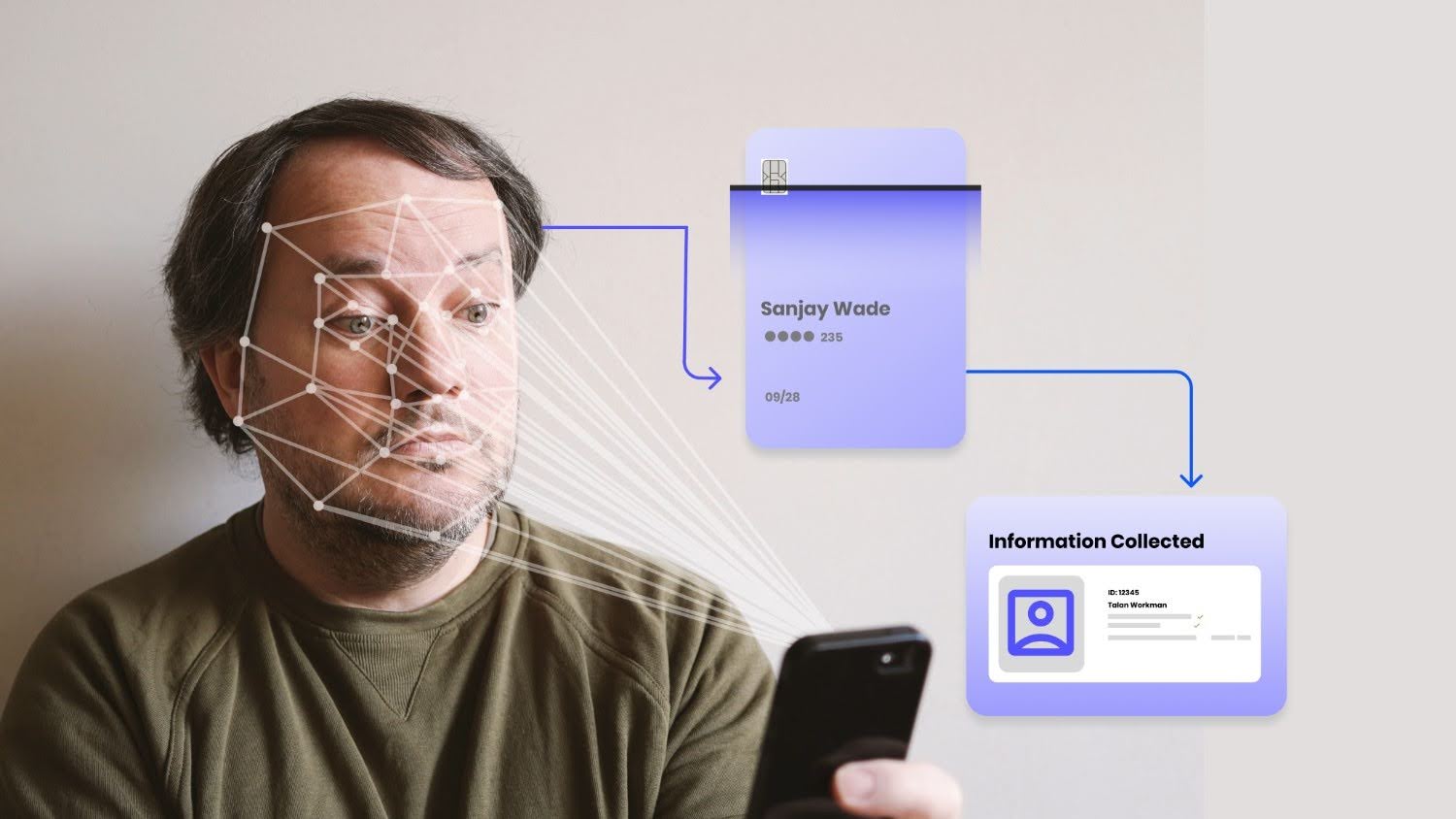
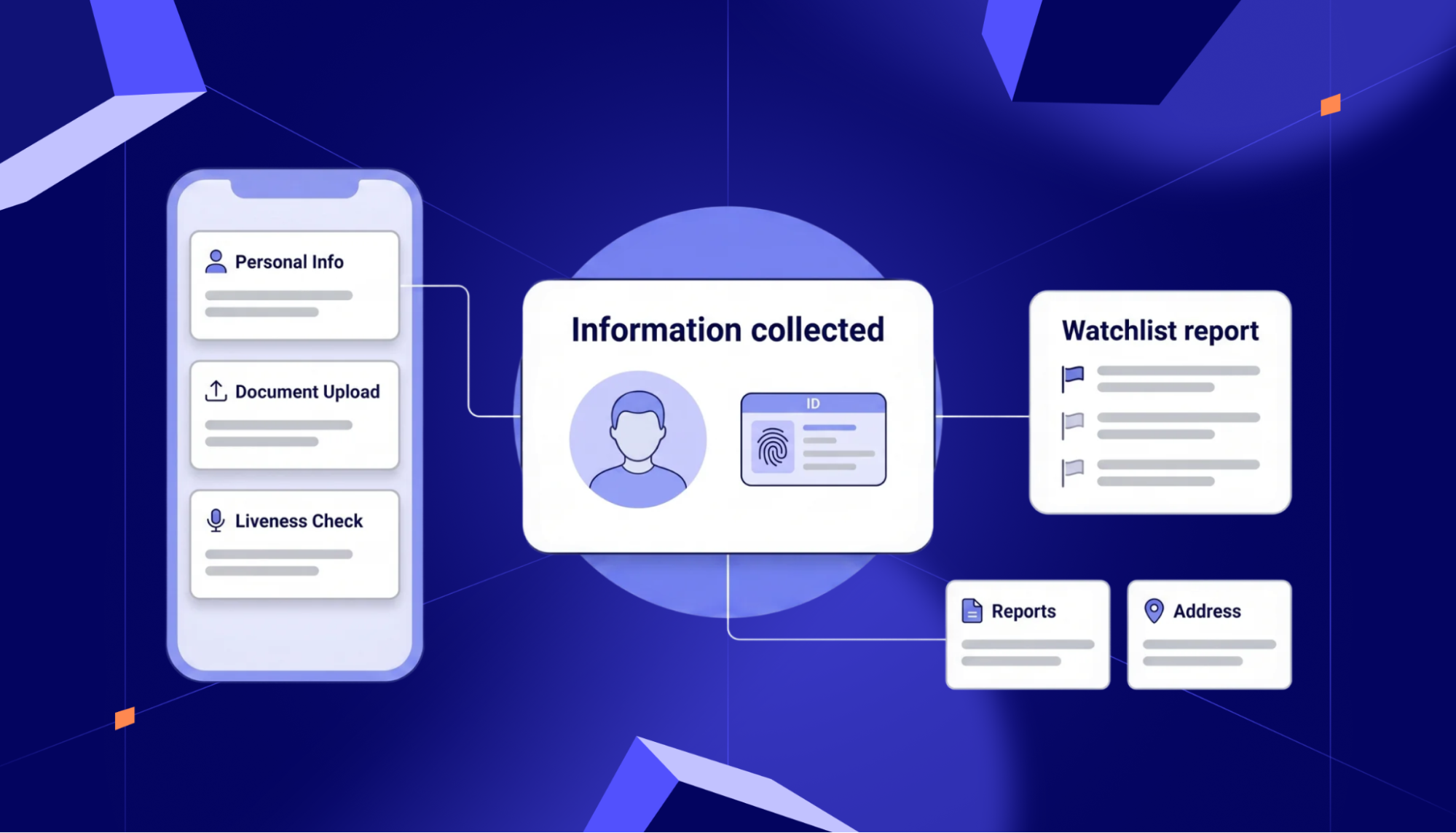
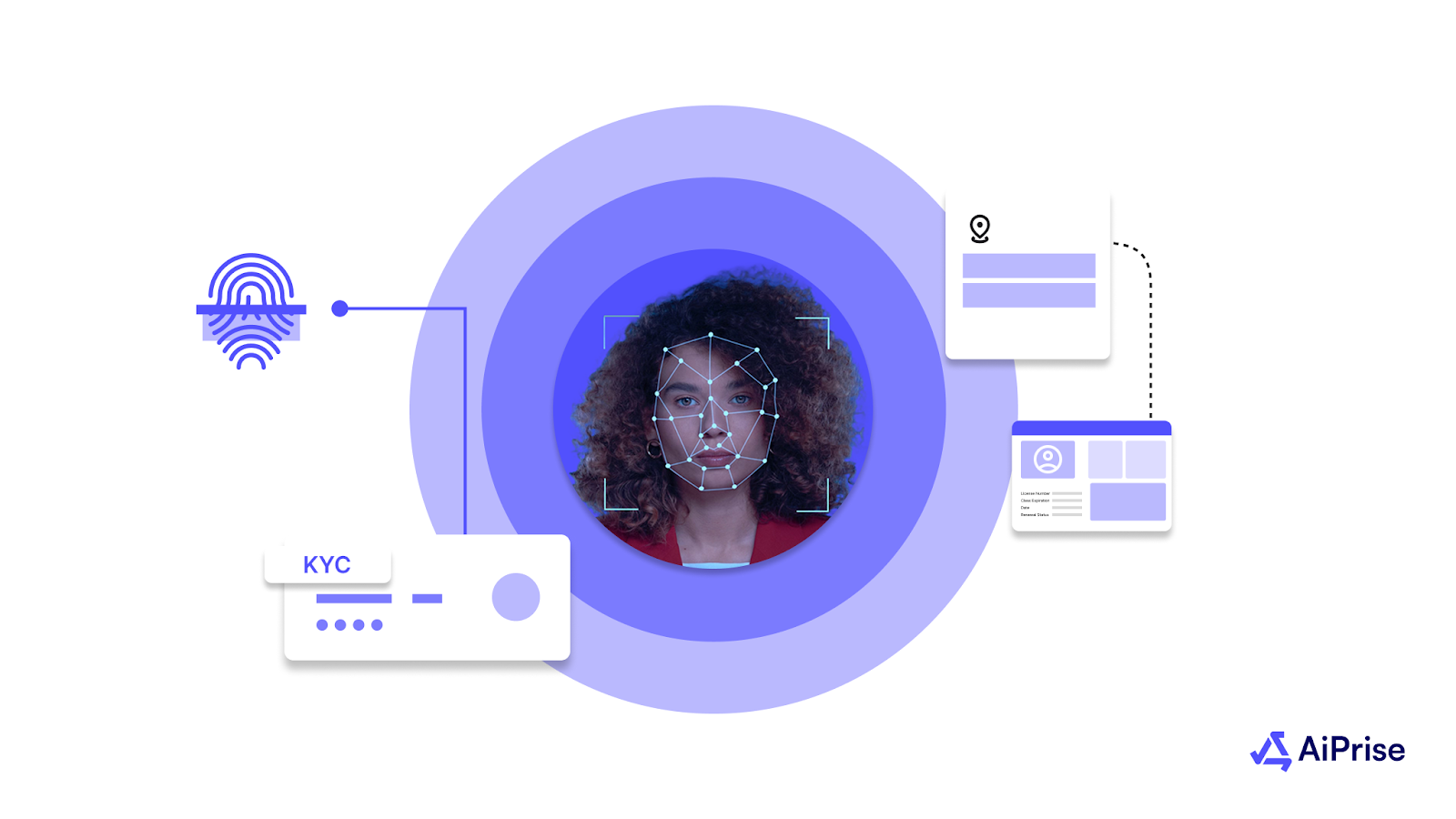
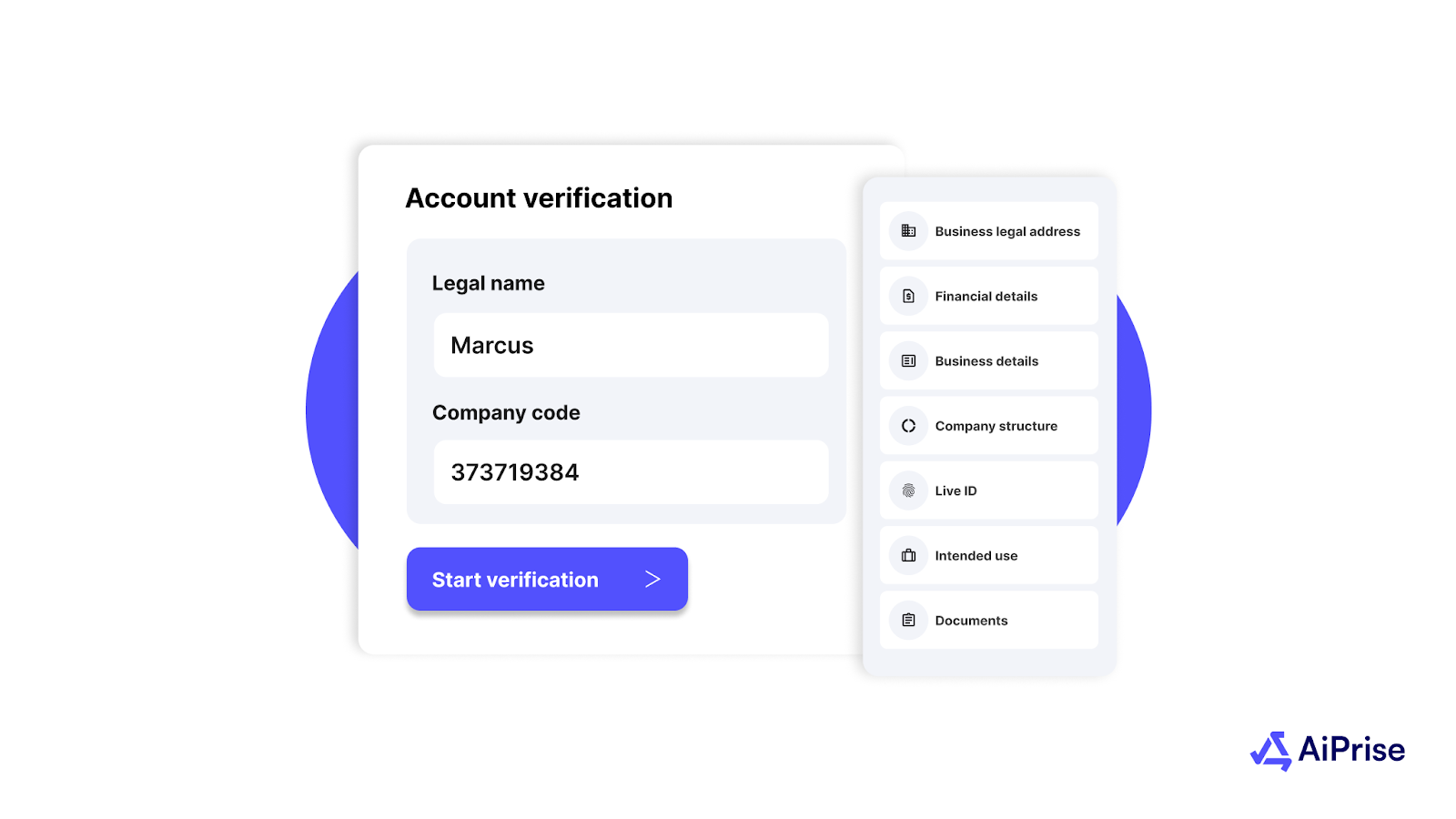
Investing in AI-powered fraud detection tools is key to staying ahead of deepfake technology. AiPrise provides advanced KYC and KYB solutions using AI and ML to verify identities and businesses accurately. Biometric verification, including facial recognition and voice analysis with liveness detection, adds an important layer of security to protect against deepfake threats.
2. Multi-Factor Authentication (MFA)
MFA is a crucial safeguard. Even if a deepfake impersonates a customer or employee, MFA enhances security by adding a second step to the verification process, such as a code sent to the user’s phone or a fingerprint scan.
3. Employee Training and Awareness
Your employees are often the first line of defense against deepfake fraud. Regular training sessions focused on identifying and responding to deepfake threats can help them spot fraudulent activities before they escalate.
4. Collaborate with Industry Peers and Law Enforcement
The evolving nature of deepfake technology means no single entity can combat this threat alone. Businesses should work closely with industry peers, regulators, and law enforcement to stay updated on new threats and effective strategies. Sharing information is key to fighting this ever-evolving issue.
Also Read: Document Verification And Facial Recognition For Identity Verification
Conclusion
The threat of AI deepfakes is real and only getting more sophisticated. Financial institutions, payment providers, and cryptocurrency platforms must act quickly to understand the legal landscape and implement proactive measures to safeguard against fraud. Staying ahead of this evolving threat will require investment in advanced detection tools, employee education, and collaboration with industry stakeholders.
It’s clear that legislation is playing catch-up, but with the right approach, businesses can not only protect themselves but also contribute to shaping the future of deepfake regulations. Stay informed, stay secure, and advocate for clearer, unified laws to ensure a safer financial environment for all.
Book a demo today to explore how our advanced KYC, KYB, and AML solutions can help you mitigate risks, stay ahead of emerging threats, and ensure a seamless compliance experience for your business.
You might want to read these...







AiPrise
6 min read
KYB Compliance: 2026 Regulations You Should Know About
As organizations expand globally and face tighter regulations, adherence to Know Your Business (KYB) standards has become one of the most critical compliance layers for fintech, online marketplaces, and other companies that need to verify business customers before letting them perform financial transactions.








.png)

.jpg)













.png)








.png)
.png)
.png)













AiPrise’s data coverage and AI agents were the deciding factors for us. They’ve made our onboarding 80% faster. It is also a very intuitive platform.

Head of Operations



See your full compliance picture in one place
Use AI agents and global data to review businesses and users faster and more accurately
