

7 min read
October 21, 2026
Best Sumsub Alternatives for KYC and KYB (2026)
Key Takeaways

Sumsub is a strong all-in-one choice, particularly for crypto companies standardizing global onboarding, and many teams never need to leave it.
Teams look for alternatives when KYB depth, registry-first verification, or full-lifecycle coverage matters more than breadth of flows.
The right alternative depends on the job: a full-lifecycle platform, a configurable toolkit, a data layer, or a specialist identity checker.
Five platforms lead the field in 2026, compared below with an honest consideration for each, including ours.
Run any evaluation on your own hardest cases, not the vendor's demo set.
Why Teams Look Beyond Sumsub
Sumsub packages KYC, KYB and AML screening into configurable flows with a single dashboard, and it has earned its place, especially with crypto platforms onboarding individual traders and small entities across many countries. For a lot of teams it is the right tool. Evaluations usually start for one of four reasons.
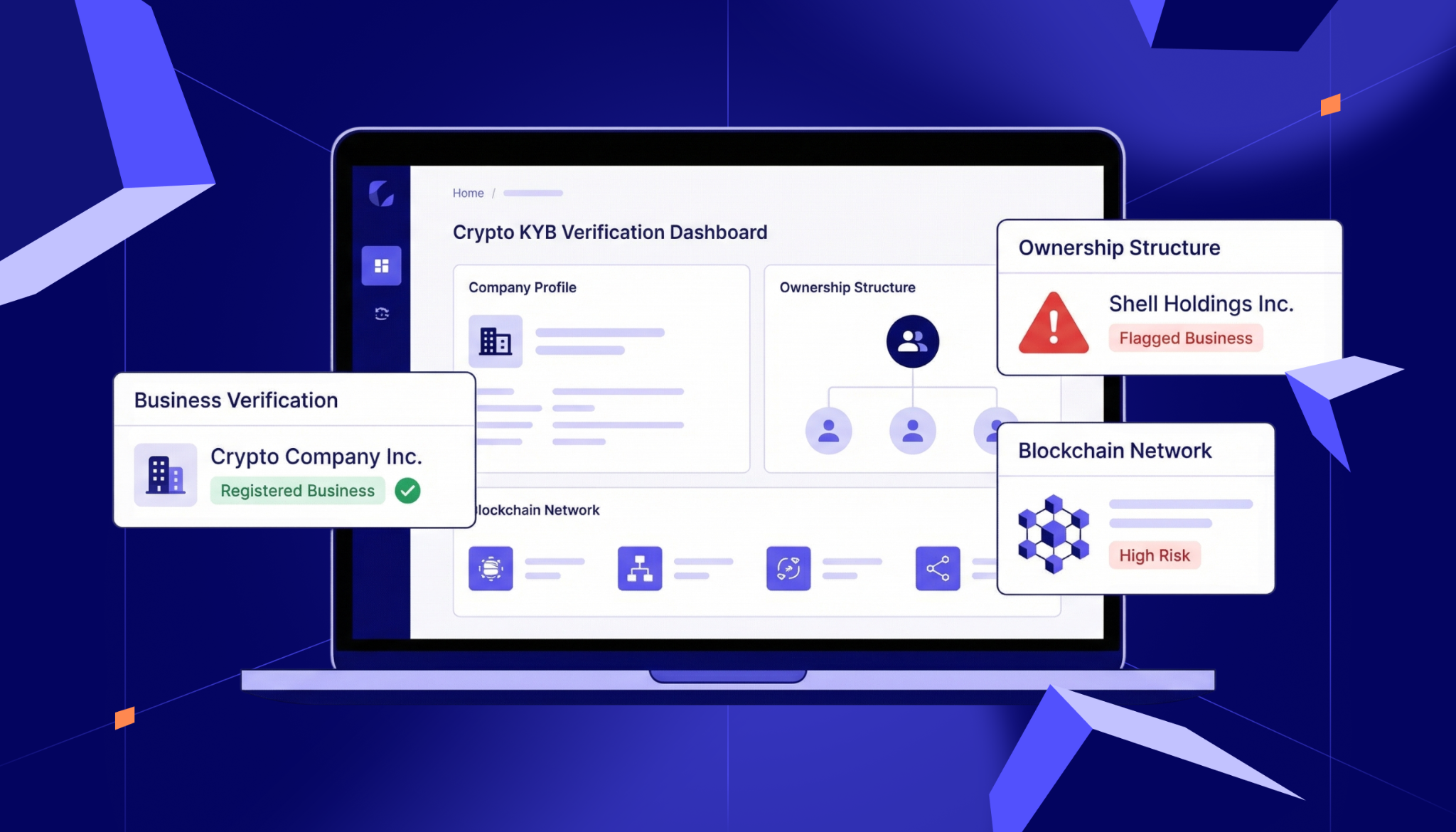
KYB has become the main event. A platform that onboarded consumers now onboards businesses, and business verification is a different problem: registries, ownership structures, the people behind each entity. Teams want a platform built around KYB rather than one that added it.
Documents are no longer enough. Generative AI can manufacture a convincing business or identity end to end. Teams want verification anchored on primary sources, where a registry record either exists or it does not, with cross-signal analysis on top.
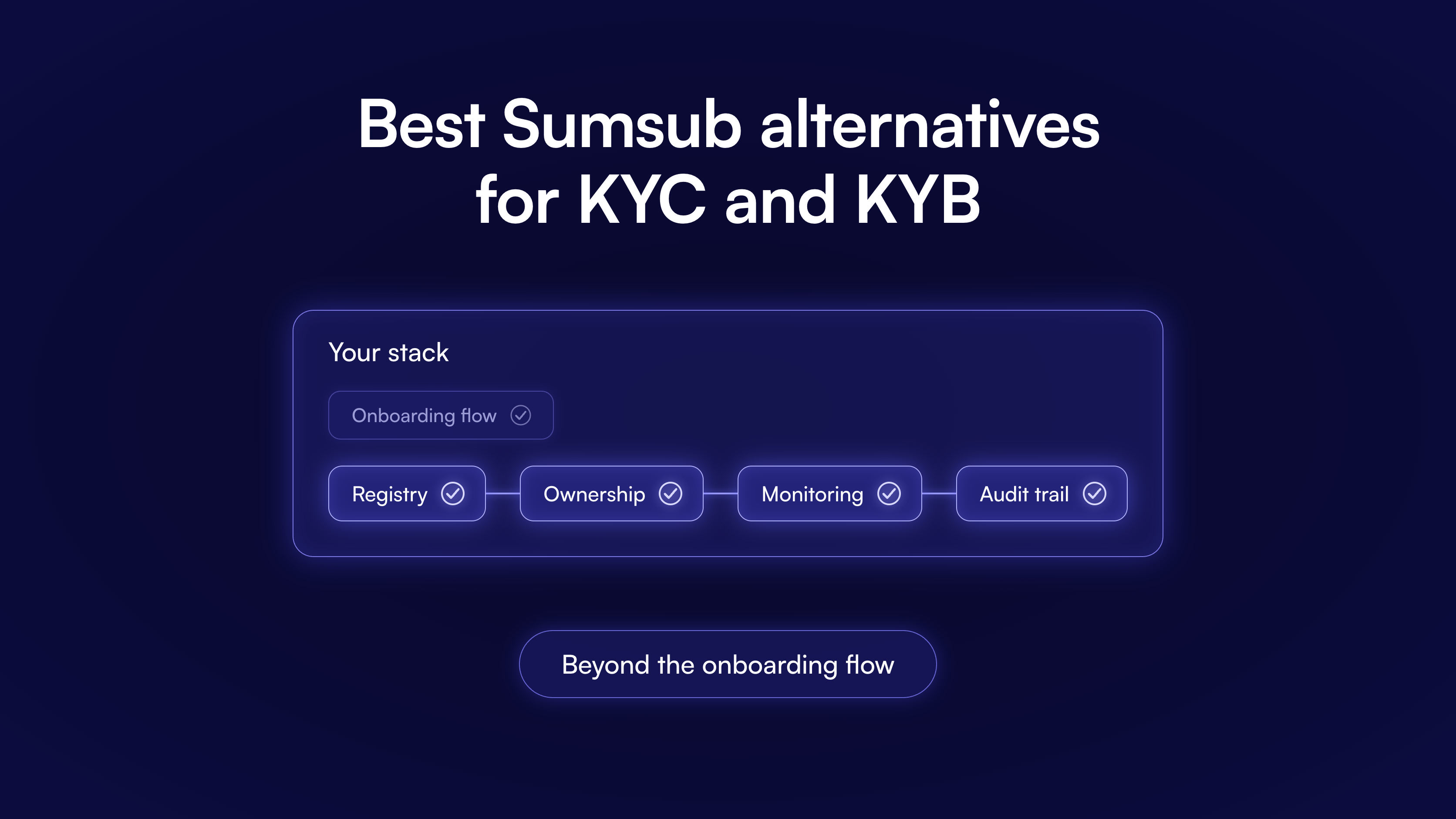
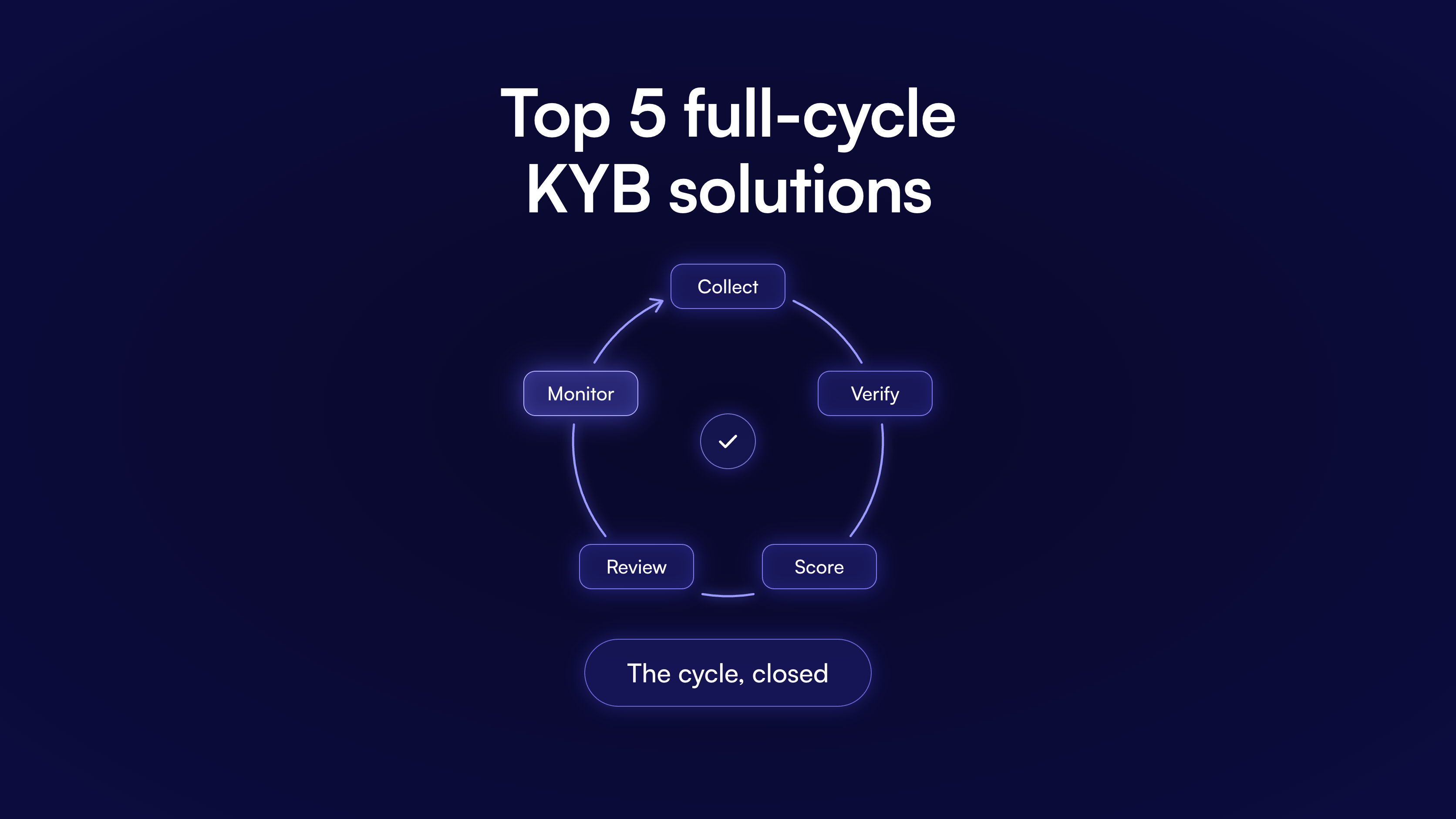
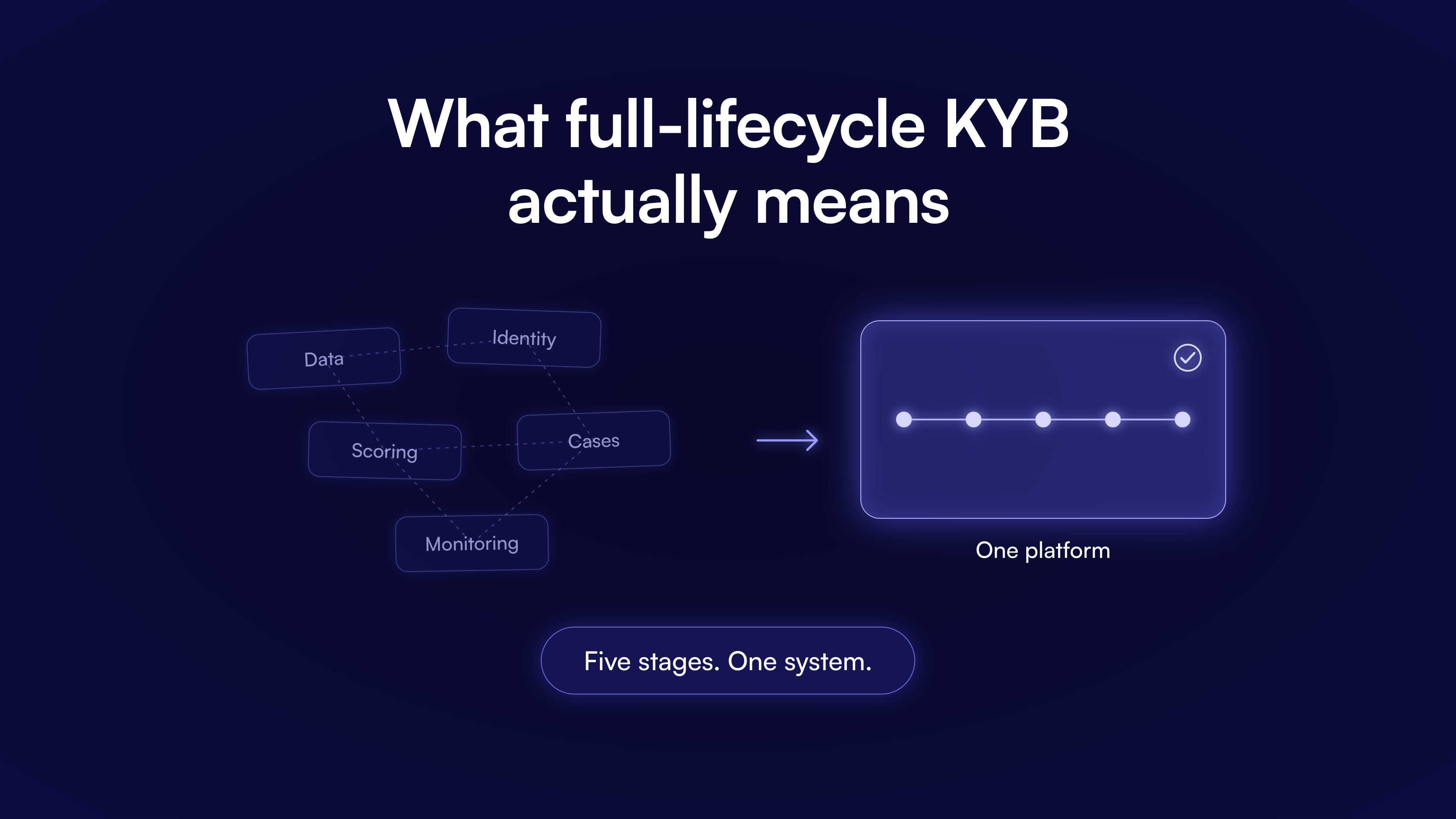
The lifecycle matters more than the flow. Onboarding is one stage. Risk scoring, review, and continuous monitoring are the others, and teams want all five in one system with one audit trail.
The business is leaving its first vertical. Positioning built for one segment does not always travel. A company expanding from crypto into payments, lending or marketplaces often re-evaluates the whole stack.
What to Look For in a Sumsub Alternative
- Registry-first verification. Direct government registry connections where they exist, and composition from multiple data sources where they do not.
- KYB depth, not just KYB presence. Ownership construction across layers and jurisdictions, including the control prong in the US.
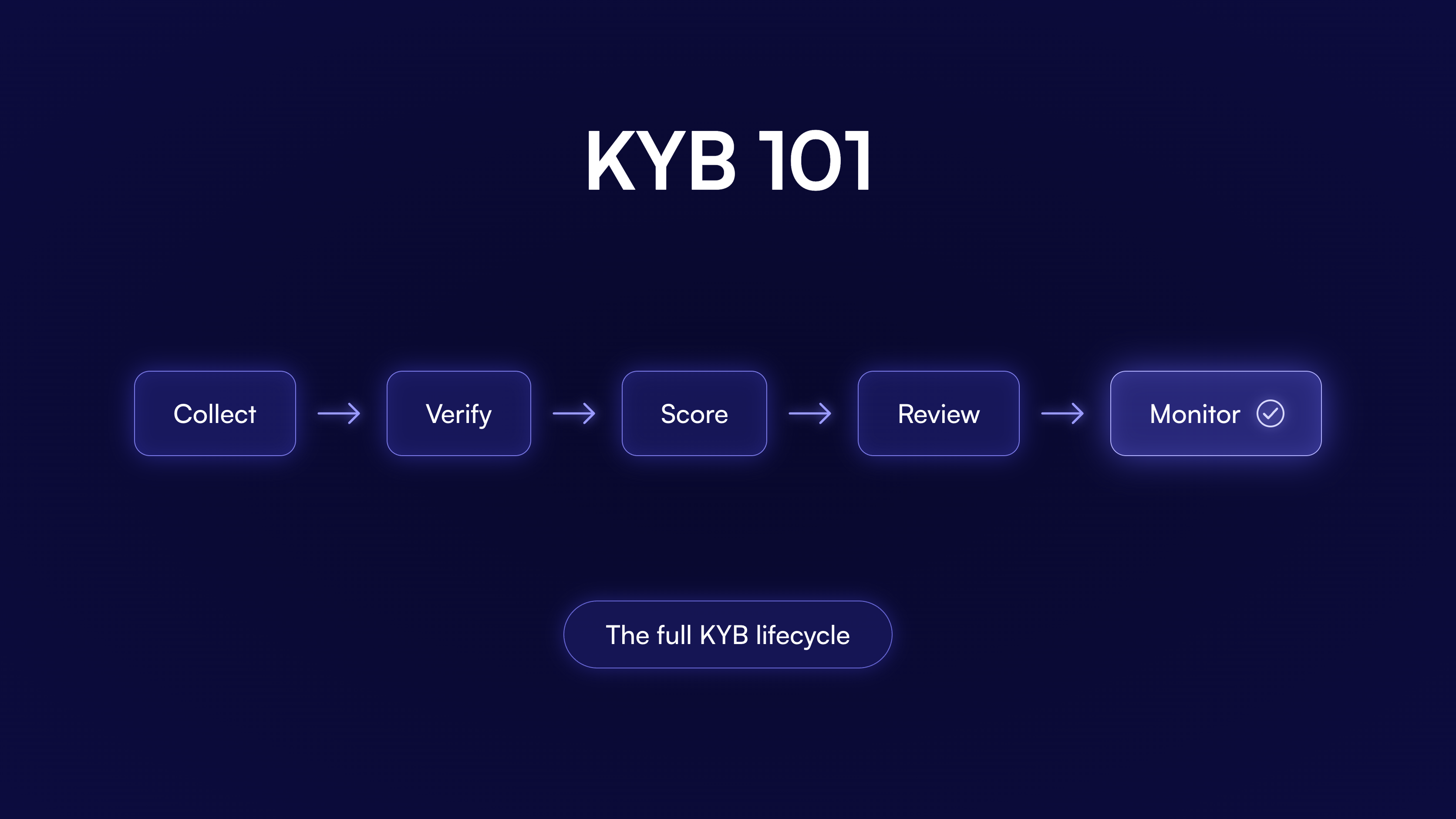
- Full-lifecycle coverage. Collection, verification, risk scoring, review and monitoring in one platform. Our full-lifecycle KYB piece explains why the gaps between systems are where teams get hurt.
- Explainable automation. AI that does the first pass and writes down its reasoning, so analysts review decisions instead of re-doing them.
- Coverage with depth. Not a map of countries, but working verification in the markets you actually operate in.
The Best Sumsub Alternatives
| Provider | Known for | Best for |
|---|---|---|
| AiPrise | Full-lifecycle KYB and KYC across 200+ countries with AI agents | Teams where KYB depth, registry-first verification and the full lifecycle matter |
| Persona | Configurable identity workflows combining business and individual checks | Product teams composing custom flows with engineering capacity |
| Trulioo | Global identity and business data aggregation | Enterprises wanting broad data access, building their own workflow |
| Veriff | Document and biometric identity verification | Identity-first stacks pairing strong IDV with a separate KYB layer |
| Alloy | Identity risk orchestration across data vendors | Financial institutions orchestrating several data sources into one decision engine |
1. AiPrise
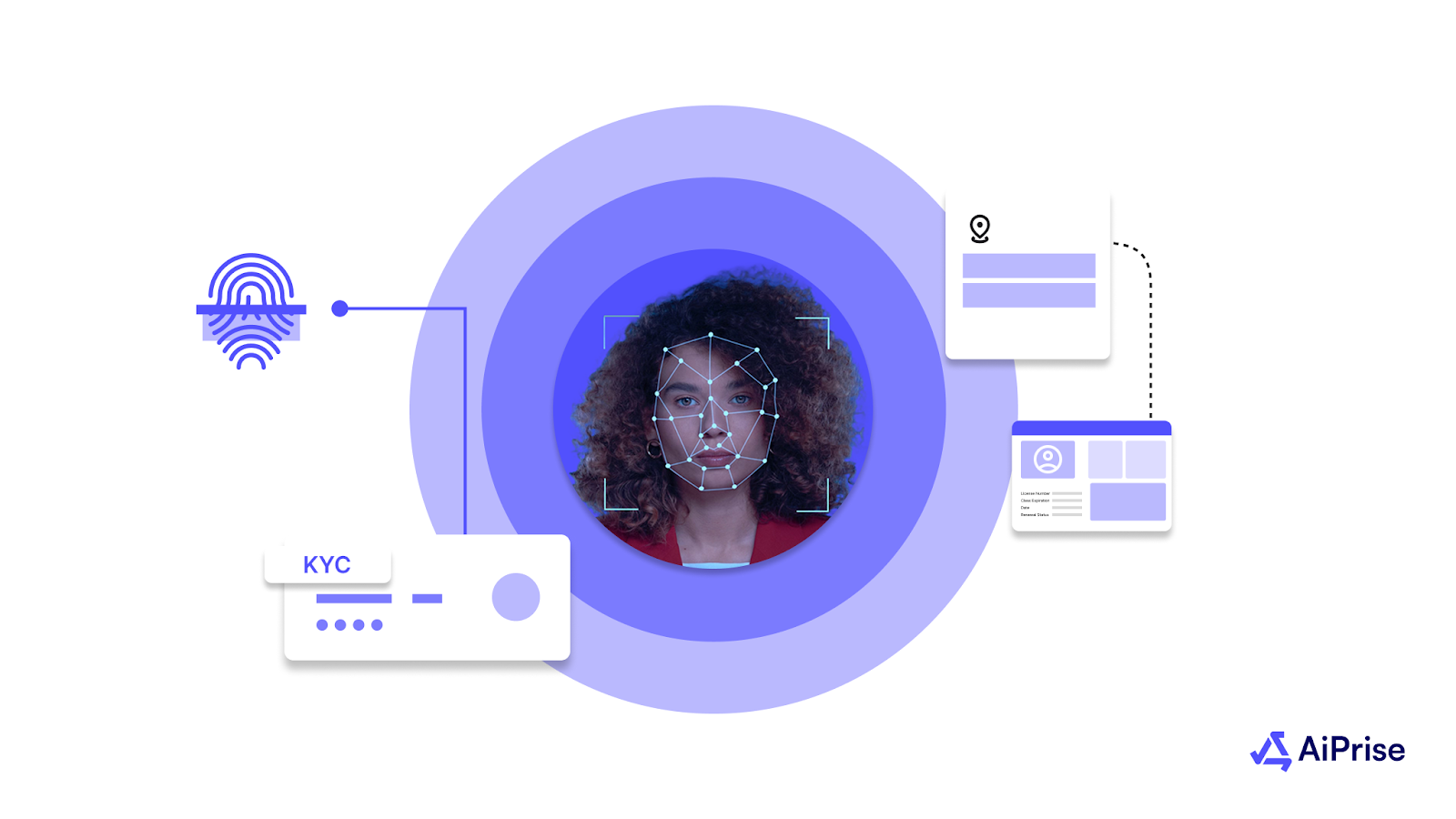
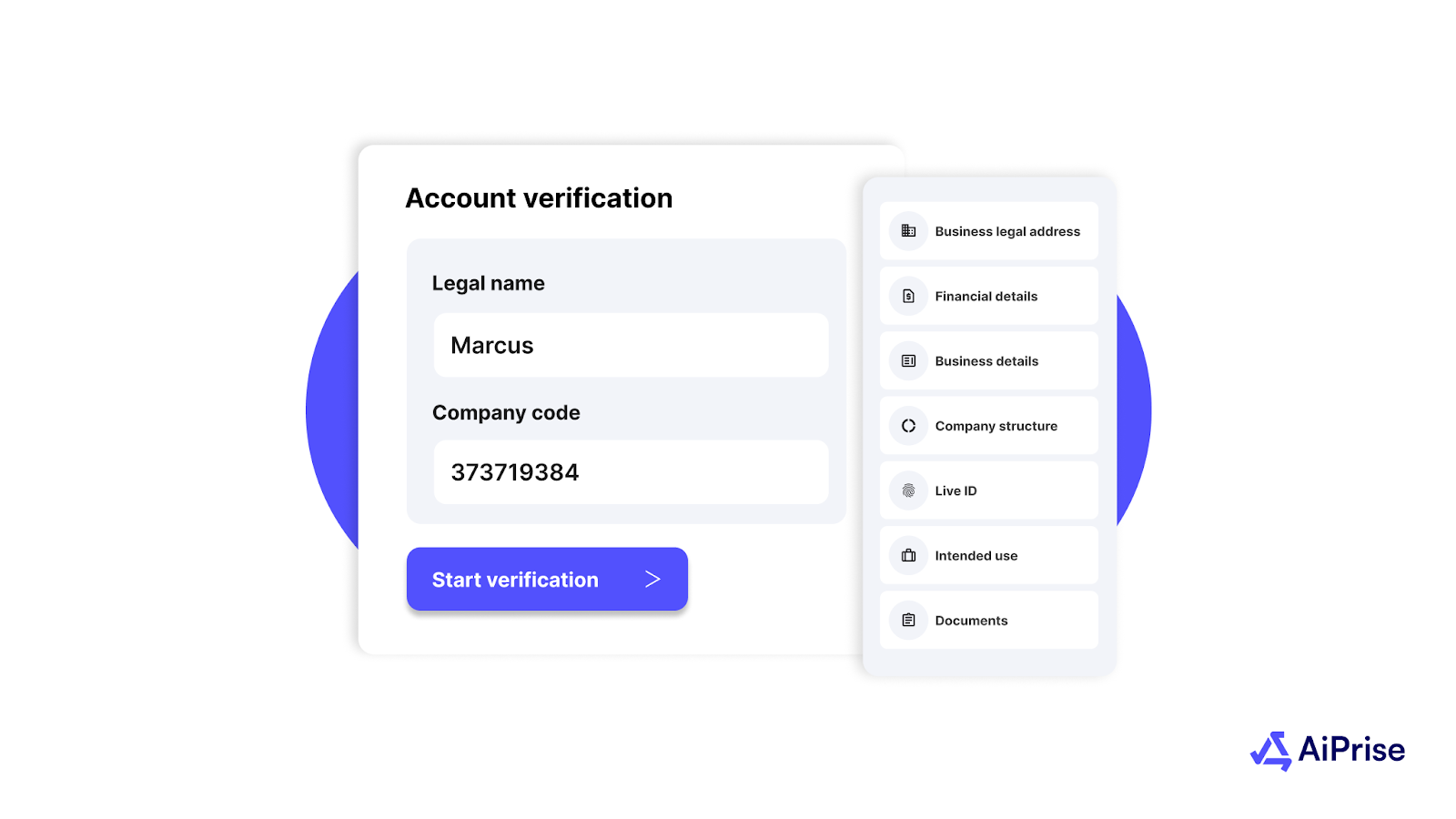
AiPrise is the AI-powered global compliance platform: KYB, KYC, AML screening and AI agents in a single API and dashboard, covering 200+ countries with 100+ data sources and 800+ business data points per entity. Three things make it the strongest alternative for teams whose evaluation started with one of the four reasons above.
KYB is the architecture, not an add-on. Verification runs registry-first, ownership is constructed across layers and jurisdictions, and every identified individual gets KYC. The output is a verified ownership picture with sources attached.
AI agents do the first pass, with reasoning. Documents, websites and screening hits are reviewed by purpose-built agents, and every decision carries written reasoning a reviewer confirms in seconds and a regulator can read. Customers automate up to 80% of verification workflows.
The lifecycle is one system. Collection through continuous monitoring, one record, one audit trail. Conduit cut business onboarding from 3 weeks to 72 hours with AiPrise, and BlindPay cut user verification from 8 minutes to 20 seconds.
2. Persona
Persona offers composable identity infrastructure with strong developer ergonomics, letting teams design exactly how a flow behaves. The consideration: configurable means configured by you. Registry routing, KYB depth and the later lifecycle stages are yours to build and validate.
3. Trulioo
Trulioo aggregates identity and business data across one of the broadest footprints in the industry. The consideration: it is a data layer, so workflow, decisioning and monitoring are built and maintained by your team.
4. Veriff
Veriff is strong at the identity half: document and biometric verification with good fraud detection on the person. The consideration: business verification is thin, so it typically pairs with a separate KYB layer.
5. Alloy
Alloy orchestrates identity and risk decisions across data vendors you contract with separately, and is well established with US banks and fintechs. The consideration: it coordinates the stack rather than containing it, and total cost includes the underlying vendors.
When Sumsub Is Still the Right Choice
If your onboarding is mostly individuals, your footprint is broad rather than deep, and you value configurable flows in a single dashboard, Sumsub does that job well. The evaluation is worth running when the center of gravity has moved to businesses, primary-source verification, or the lifecycle after onboarding.
How to Run the Evaluation
Bring three real cases: a business with layered cross-border ownership, a thin-file sole proprietor, and an applicant that passed your current checks but turned out to be manufactured. Measure how much of each was verified against a primary source, how much manual work remained, and what the audit trail looks like at the end.
Frequently Asked Questions
Is Sumsub a KYB platform or a KYC platform?
Both, with KYC as the historical center of gravity. Teams whose main job is business verification should test KYB depth specifically.
Can we migrate without re-verifying our whole base?
Most teams migrate new onboarding first and bring the existing base under continuous monitoring on the new platform, re-verifying on risk triggers rather than all at once.
What is the biggest difference between the alternatives?
Whether the platform contains the lifecycle or only part of it. Data layers, identity checkers and orchestrators each cover a slice; a full-lifecycle platform covers all five stages.
See AiPrise on Your Own Cases
Book a demo and bring the three cases above.
You might want to read these...






AiPrise
6 min read
KYB Compliance: 2026 Regulations You Should Know About
As organizations expand globally and face tighter regulations, adherence to Know Your Business (KYB) standards has become one of the most critical compliance layers for fintech, online marketplaces, and other companies that need to verify business customers before letting them perform financial transactions.










.png)

.jpg)

















.png)








.png)
.png)
.png)














.png)

.png)

AiPrise’s data coverage and AI agents were the deciding factors for us. They’ve made our onboarding 80% faster. It is also a very intuitive platform.

Head of Operations



See your full compliance picture in one place
Use AI agents and global data to review businesses and users faster and more accurately
