

AiPrise
11 min read
December 15, 2025
15 Interesting Facts About Facial Recognition in 2025

Key Takeaways

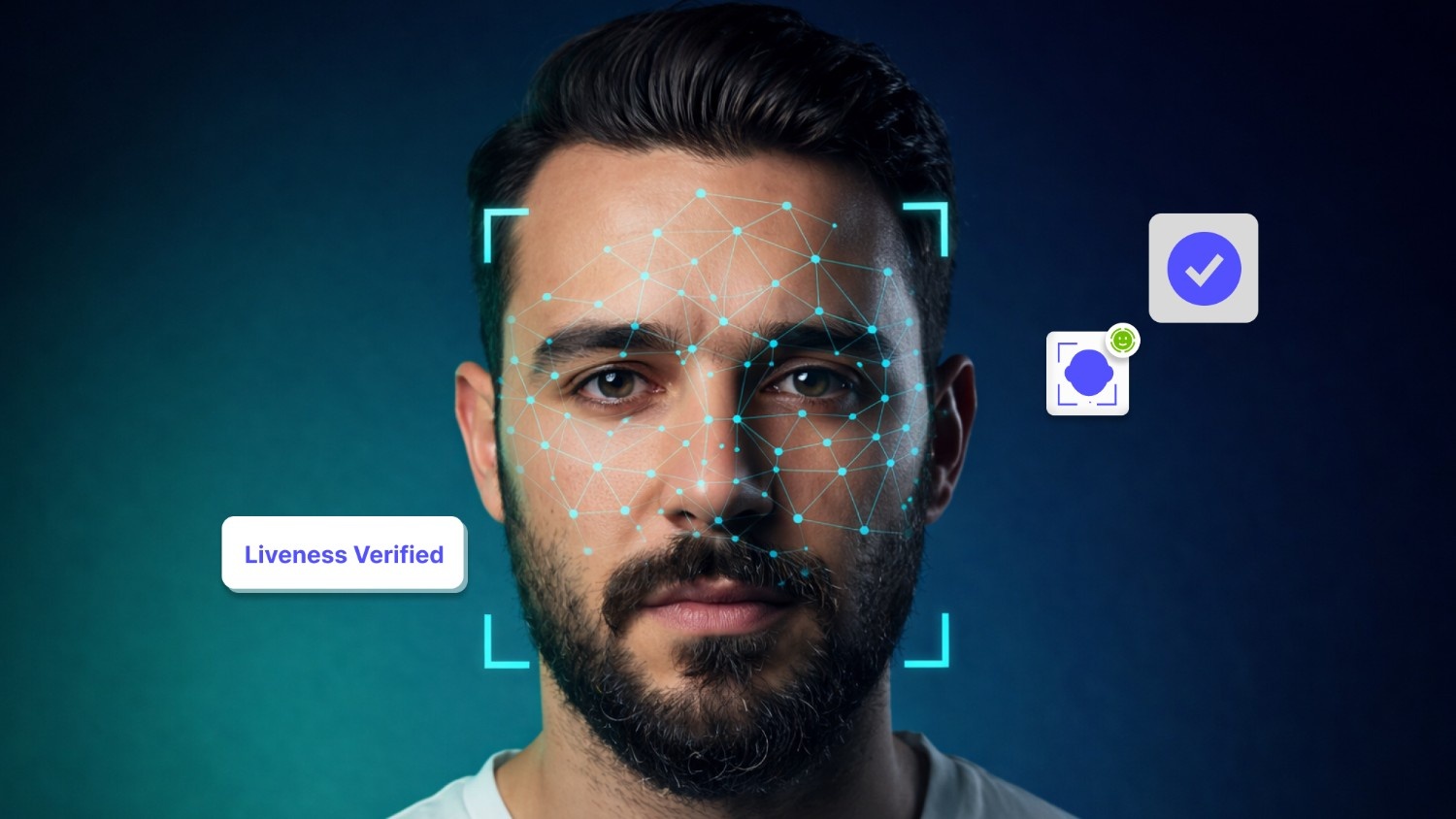
Facial recognition has quietly moved from a futuristic concept to everyday reality. Thanks to built-in face unlock on smartphones, laptops, and even banking apps, most people interact with this technology without thinking twice.
Yet few understand how it actually works, or how widely it’s being used behind the scenes. Beyond tech circles, conversations about facial recognition now involve policymakers, civil rights groups, and security professionals who are weighing both its breakthrough potential and its growing risks.
This blog breaks down the essentials you need to know: how facial recognition really works, where it’s being used today, and the key benefits and concerns shaping its future.
Key Takeaways
- Facial recognition in 2025 is highly accurate, regulated, and central to secure digital identity verification.
- Most myths stem from outdated data. Modern systems use safeguards, audits, and consent-based workflows.
- Banks must pair facial biometrics with device, behavioral, and risk intelligence for fraud-resistant onboarding.
- Ethical use requires governance: clear consent, encryption, human oversight, and continuous model monitoring.
- AiPrise enhances facial recognition with unified fraud scoring to spot synthetic identities and compliance risks early.
What Is the Impact of Facial Recognition Technology in 2025?
Facial recognition plays a measurable role in strengthening identity verification, securing digital interactions, and supporting public safety, while also raising important questions about transparency and ethical use.
Recent advances in computing power, AI models, and high-resolution imaging have pushed the technology into a mature stage. Today’s facial recognition systems are faster, more accurate, and far better at distinguishing real faces from spoofed attempts, making them central to fraud prevention, remote onboarding, and secure access control.
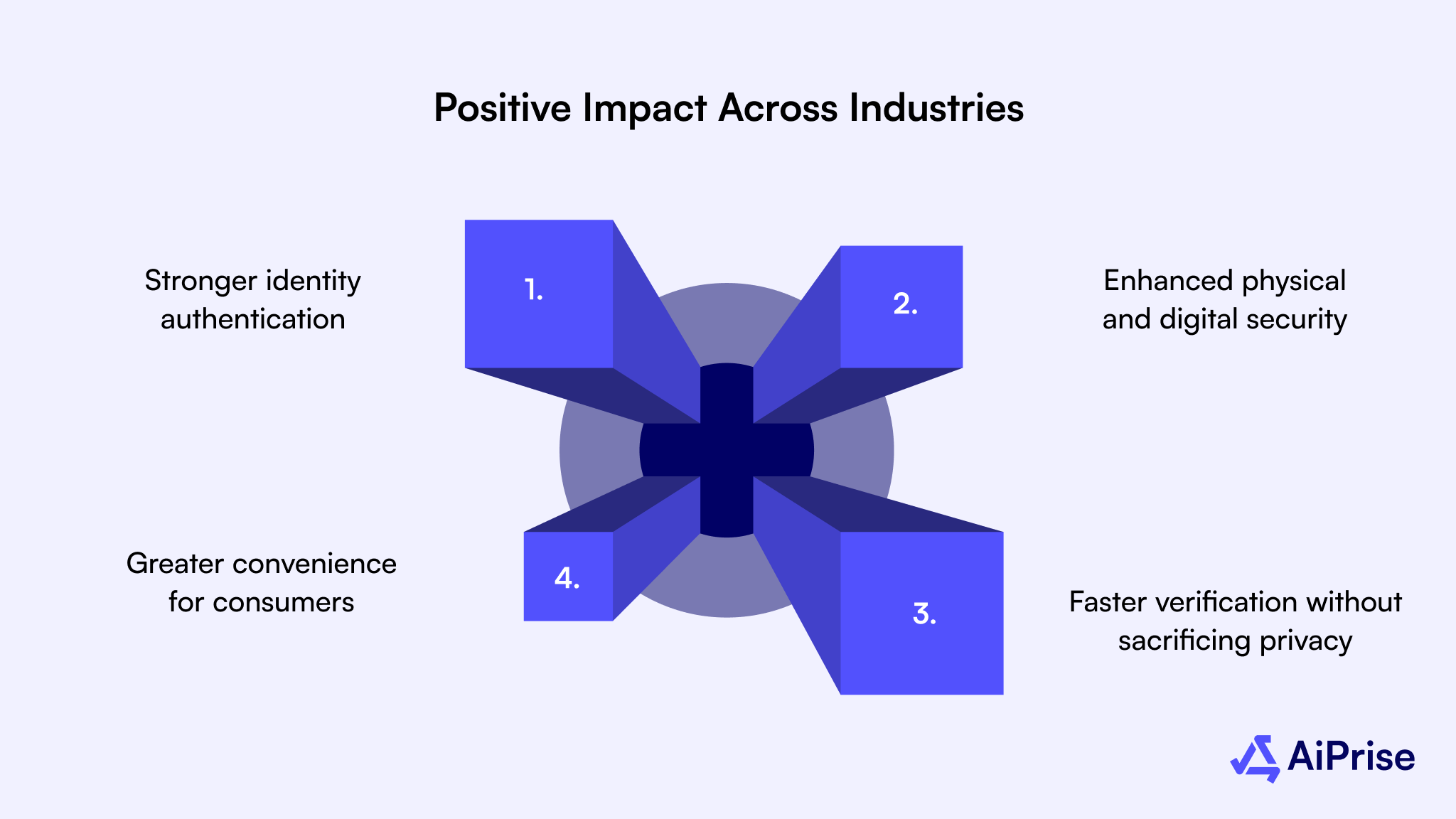
Positive impact across industries:
- Stronger identity authentication: Modern facial recognition supports high-accuracy verification, especially in financial services, travel, and healthcare, reducing impersonation attempts and streamlining onboarding.
- Enhanced physical and digital security: Security systems now combine facial recognition with video analytics to protect buildings, manage access, and monitor high-risk zones more effectively.
- Faster verification without sacrificing privacy: When used with user consent (as in banking and fintech onboarding), facial recognition speeds up existing processes without collecting additional intrusive data.
- Greater convenience for consumers: People now expect frictionless login, payment authorization, and identity confirmation experiences powered by biometrics.
Despite its usefulness, facial recognition remains surrounded by misconceptions. Many concerns stem from sensationalized media narratives or examples from countries with very different legal frameworks.
In reality, U.S. deployments are guided by strict privacy, civil rights, and policy requirements, especially in regulated industries.
Key issues shaping the public conversation include:
- Fear of surveillance, often fueled by extrapolated scenarios that don't reflect how most systems are used.
- Confusion about privacy trade-offs, even though most verification use cases require user consent.
- Concerns about misuse, which underscore the need for ethical guidelines and transparent governance.
In 2025, the actual impact of facial recognition is neither unchecked surveillance nor flawless security. Instead, it is a powerful authentication layer that, when used responsibly, helps protect people, property, and information.
As organizations adopt clearer governance frameworks and more accurate models, the technology continues to evolve toward a balance where both privacy and security can coexist.
Also Read: How AI is Transforming AML Compliance

15 Interesting Facts About Facial Recognition: Myth vs. Reality
Facial recognition technology is rapidly evolving and becoming an integral part of security, law enforcement, and commercial applications. However, this advancement has also led to widespread myths and misunderstandings about how the technology works, its accuracy, privacy implications, and ethical use.
Understanding the facts behind these myths is crucial for balanced perspectives and informed decision-making:
Myth: Facial Recognition Technology Replaces all Other Forms of ID Verification
Fact: Facial recognition is one layer of a multi-factor identity framework. Banks, fintech apps, and border agencies combine facial matching with document checks, device intelligence, behavioral analytics, and liveness detection.
Regulatory guidance for financial institutions specifically requires multi-layered verification, so facial biometrics are used as an enhancer, not a full replacement.
Myth: Facial Recognition Algorithms are Racially Biased and Justify Bans
Fact: While early-generation systems had demographic accuracy gaps, modern algorithms tested by NIST show over 98–99% parity across age, gender, and race groups in verification scenarios.
Improvements come from diverse training datasets, synthetic image generation, and bias-reduction testing protocols. Many state and federal procurement rules now require bias audits before deployment.
Myth: Stolen Faceprint Data Can be Reverse-Engineered and Misused Globally.
Fact: A faceprint isn’t a stored photo; it’s a mathematically encoded vector created through hashing and encryption. It cannot be transformed back into a person’s face, and templates created on one platform cannot unlock or access another.
Unlike passwords, biometric templates are useless outside the specific system that generated them, limiting the risk of cross-system misuse.
Myth: Americans Broadly Oppose Facial Recognition Technology
Fact: Multiple nationwide surveys show a majority support for facial recognition in contexts like fraud prevention, airport security, unlocking devices, and catching identity thieves.
Public approval increases when clear rules exist around consent, data deletion, and responsible use. The strongest pushback typically arises from misunderstandings about how the technology is governed.
Myth: Facial Recognition Alone Can Cause False Misidentifications
Fact: No U.S. system makes a final identification autonomously. Algorithms generate similarity-ranked candidate lists; trained analysts review them alongside contextual evidence.
Federal law enforcement guidelines require multi-step human verification and auditing, meaning an algorithm’s output cannot be used as sole proof of identity.
Myth: Facial Recognition Cannot Handle Image Quality Variations or Timelapses
Fact: Modern systems withstand low lighting, pixelation, angle changes, aging, facial hair variations, and partial occlusions. AI models trained on millions of images now use deep representation learning, allowing them to extract stable facial features even from imperfect frames, making them far more robust than earlier generations.
Myth: All Facial Recognition Systems are Interconnected, Forming a Unified Global Network
Fact: Systems are highly siloed due to proprietary algorithms, incompatible template formats, and strict legal limits on data sharing. Banks, airports, law enforcement agencies, and consumer devices all operate independent systems that cannot communicate unless integrated by design. There is no overarching global or national database.
Myth: Humans are Superior to Facial Recognition in Recognizing Faces
Fact: Humans are prone to fatigue, visual bias, and memory inconsistencies, especially when reviewing large sets of images. Facial recognition, by contrast, is consistent and can compare millions of faces in seconds.
Studies show the highest accuracy comes from combining both. AI handles pattern detection, while humans apply contextual reasoning.
Myth: Facial Recognition Has Only Recently Reached Useful Levels of Accuracy
Fact: The technology has been evolving for more than half a century. While accuracy accelerated significantly in the last decade due to deep learning, foundational research dates back to the 1960s.
Today’s top systems achieve over 99.7% accuracy in controlled verification scenarios, rivaling or surpassing human performance.
Myth: Facial Recognition Technology is Inherently Invasive Compared to Other Biometrics
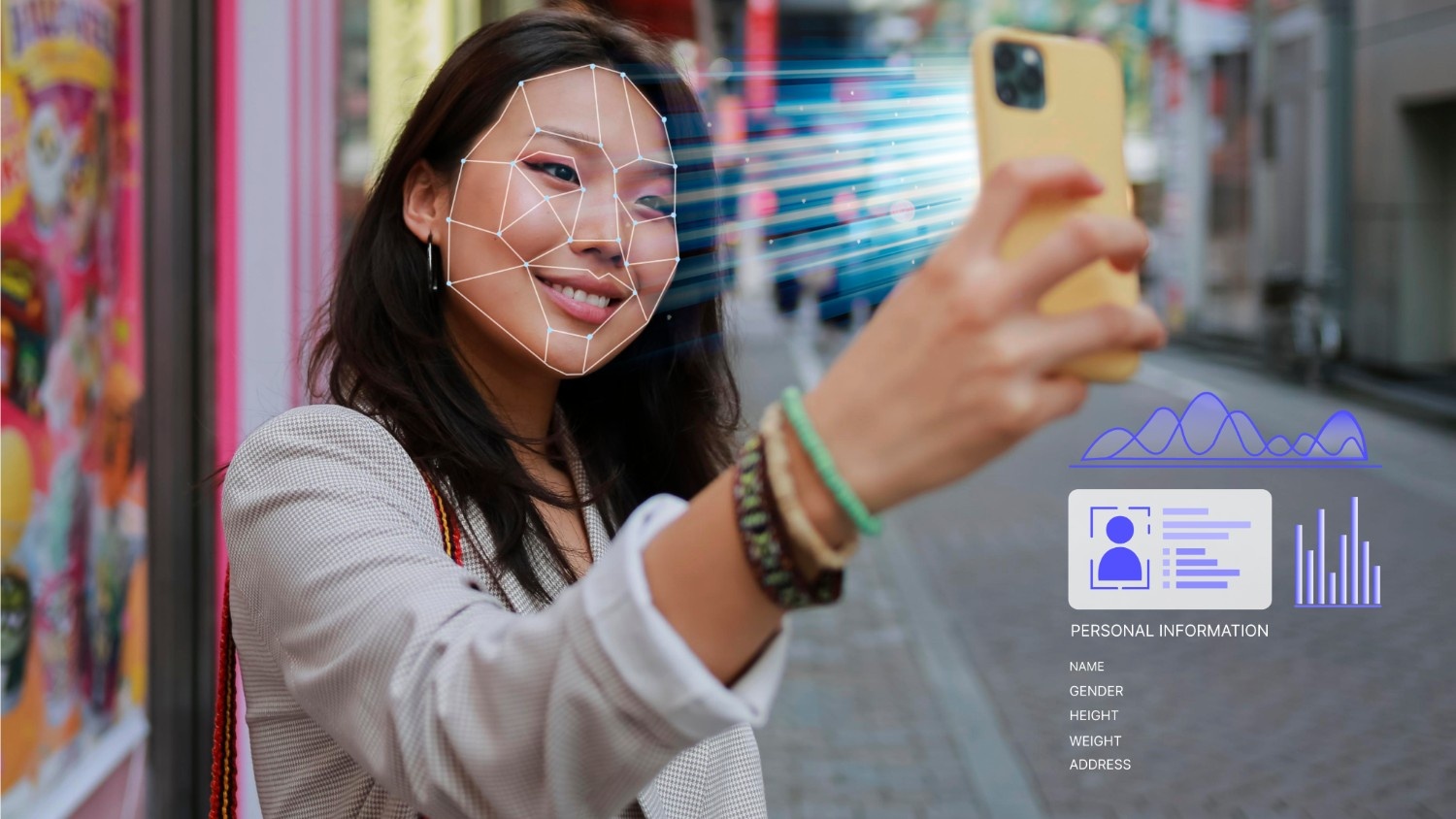
Fact: Facial capture is contactless, fast, and often user-initiated, such as unlocking a phone or verifying identity for banking. Many users consider it less intrusive than fingerprints or iris scans because the interaction feels more natural and requires no physical touch or specialized hardware.
Myth: Use of Facial Recognition Guarantees Surveillance of All Citizens
Fact: Most U.S. deployments are limited-purpose systems, often requiring consent or statutory authorization. Examples include KYC onboarding, secure workplace access, border control, and device authentication.
Federal guidelines explicitly prohibit mass surveillance and require clear legal justification for any investigative use.
Myth: Facial Recognition Can Instantly Identify Anyone Anywhere
Fact: Identification depends entirely on database inclusion. If a person has no stored reference photo, such as a government-issued ID or a previous enrollment, they cannot be identified.
Systems cannot search random faces unless those faces exist in the specific database being queried.
Myth: Facial Recognition technology is used without any safeguards in the U.S.
Fact: Federal and state laws regulate data collection, retention, audit trails, accuracy standards, and nondiscrimination. Government agencies must document purpose, authorization, and oversight.
Commercial users must comply with privacy statutes, consumer notice requirements, and security obligations. Safeguards create a tightly bound environment, not unrestricted use.
Myth: Facial Recognition Systems Violate Privacy Laws
Fact: Biometric systems, especially those in airports, operate under clearly defined federal authority, primarily through DHS and CBP mandates. In the U.S., passenger participation is optional, signage is required, and biometric templates are deleted within seconds after identity is confirmed.
These systems are designed to verify identities, not store them long term, while enabling faster boarding, preventing impostor travel, and strengthening aviation security.
Facial recognition technology, when used responsibly and ethically, provides powerful tools for security, efficiency, and convenience across many applications.
Dispelling myths with facts helps promote informed policies and public trust, ensuring this technology continues to serve the public good while respecting privacy and civil rights.
Suggested Read: How to Spot a Fake Identity: A Guide to Combating Synthetic Fraud
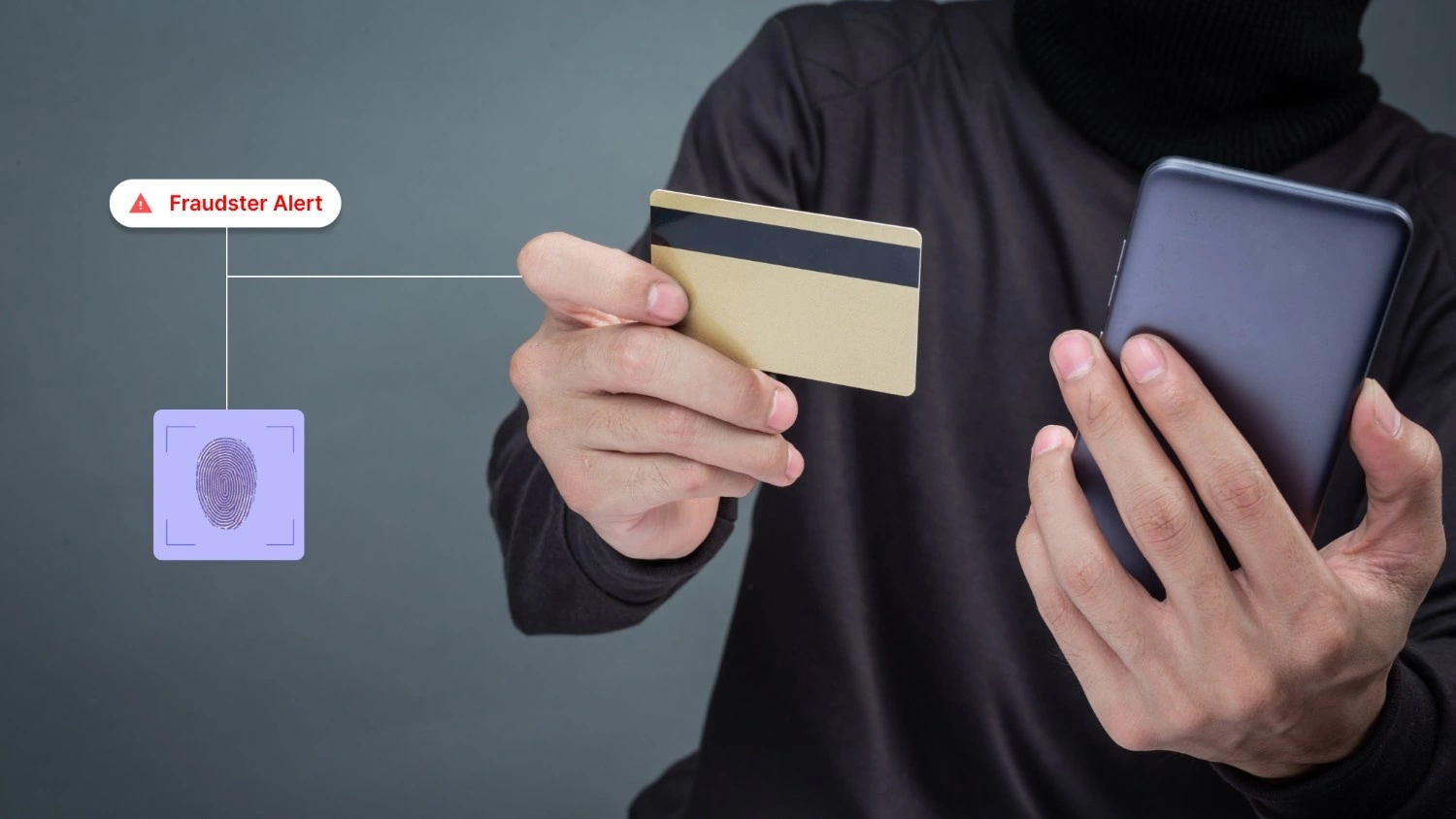
AiPrise strengthens fraud prevention and regulatory compliance with its advanced Fraud and Risk Scoring solution. Detecting synthetic identities and hidden risks early in onboarding helps banks reduce compliance exposure and stay ahead of evolving regulatory expectations.
Next, let’s look at some best practices banks can adopt when implementing facial recognition.
Best Practices for Implementing Facial Recognition for Banks
As facial recognition becomes a mainstream identity tool in financial services, banks face growing pressure to deploy it responsibly. Accuracy, fairness, consent, and data security are no longer optional; they’re regulatory expectations.
The right implementation can strengthen fraud prevention, reduce onboarding friction, and enhance compliance, but only when supported by clear policies and ongoing governance.
These best practices help banks adopt facial recognition in a way that is secure, ethical, and regulator-ready:
Use Facial Recognition Within a Defined Compliance Framework
Banks must map every use case, like KYC, authentication, and fraud detection, to existing biometric privacy laws and AML/KYC regulations.
Clear consent flows, audit-ready documentation, and governance oversight ensure the technology remains compliant and defensible during regulatory reviews.
Pair Facial Recognition With Multi-Factor Identity Verification
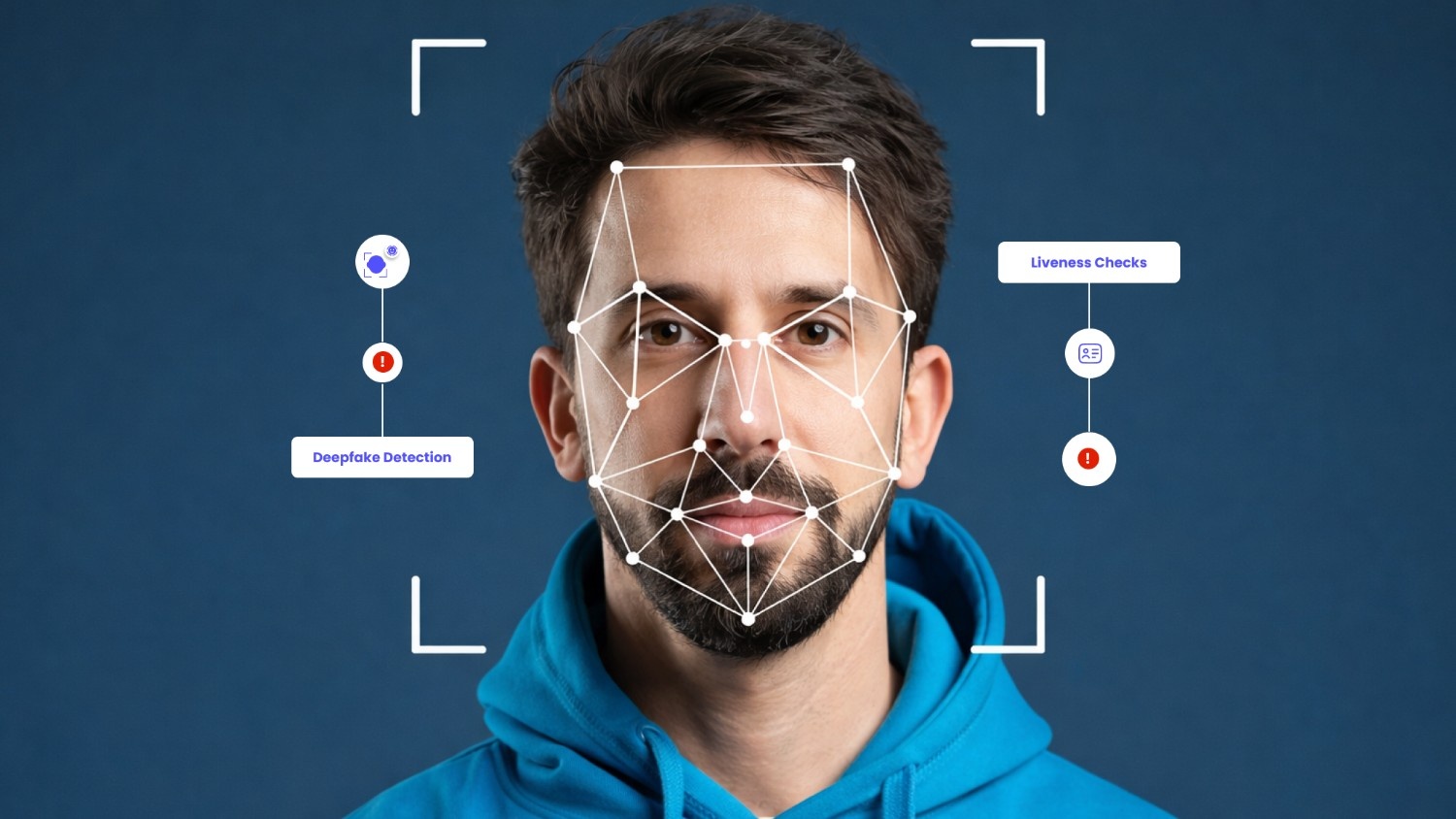
No single biometric should operate in isolation. Combining facial recognition with document checks, device intelligence, liveness detection, behavioral signals, and backend risk scoring creates a layered defense that drastically reduces false matches and identity fraud attempts.
Strengthen Data Protection Using Secure Storage and Encryption
Facial templates should be encrypted end-to-end, stored separately from PII, and protected with strict access controls.
Using irreversible templates, or tokenization, minimizes the impact of any breach and helps maintain trust with customers and regulators.
Keep Human Oversight in All Compliance-Sensitive Workflows
Facial recognition outputs should guide decisions, not replace humans. A human-in-the-loop model reduces error rates, prevents bias from going unchecked, and ensures regulatory alignment for escalations, high-risk cases, and adverse decisions.
Perform Continuous Audits, Bias Evaluations, and Model Monitoring
Banks should periodically test algorithms for demographic fairness, validate accuracy under real-world image variations, and regularly audit system logs.
Ongoing monitoring ensures the technology evolves with regulatory standards, fraud patterns, and operational realities.
By following these best practices, banks can deploy facial recognition responsibly while reinforcing trust and reducing compliance risk.
Also Read: How Banks Utilize Machine Learning For Fraud Detection
To turn strong policy and governance into real-world protection, banks need technology that can detect risk early, validate identities accurately, and stop fraud without slowing down legitimate customers.
How AiPrise Helps Banks Strengthen Identity Assurance
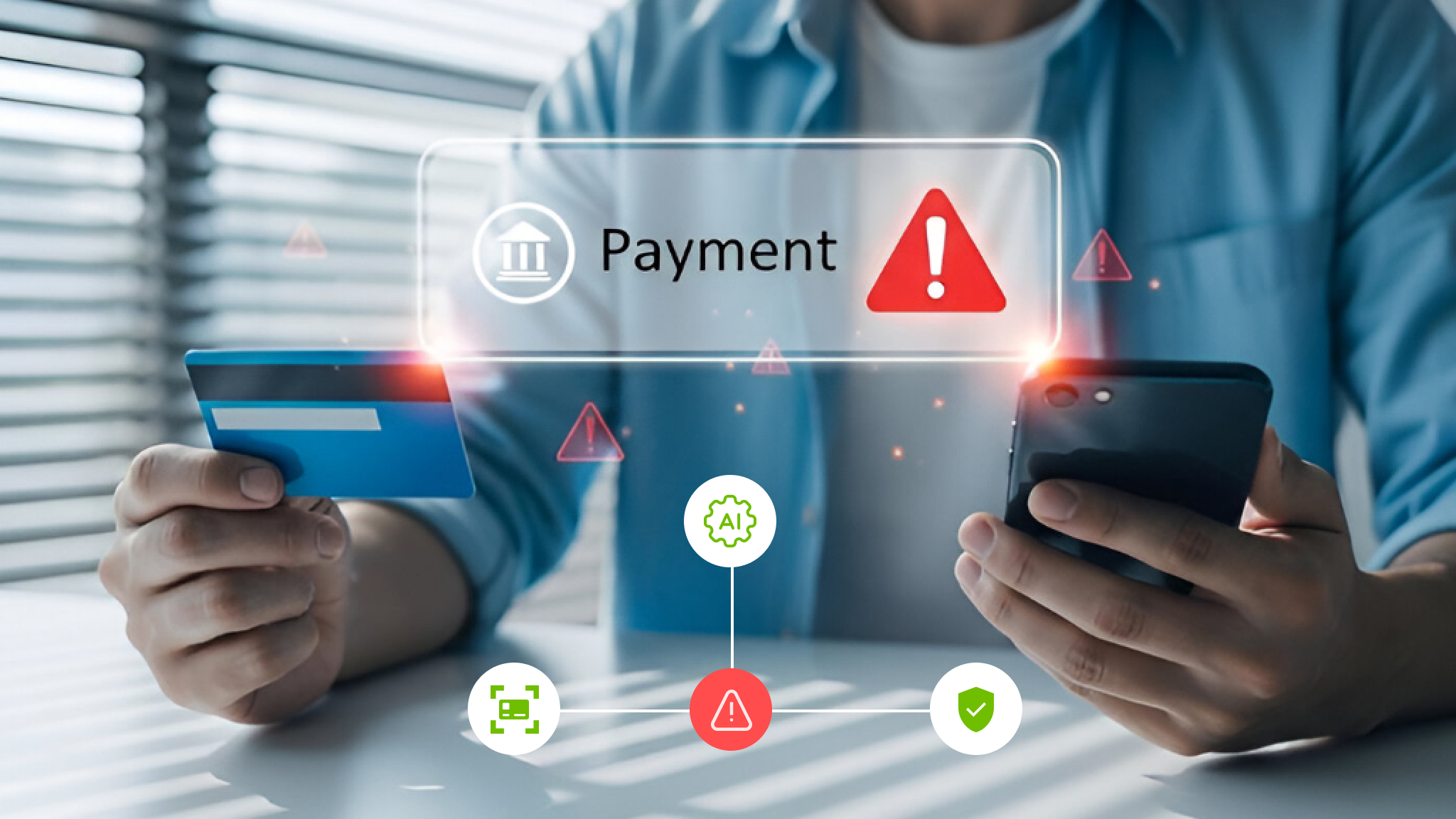
AiPrise unifies identity verification, behavioral intelligence, and transaction risk scoring into one orchestration layer, giving banks a clearer, faster way to detect threats tied to onboarding, authentication, and payments.
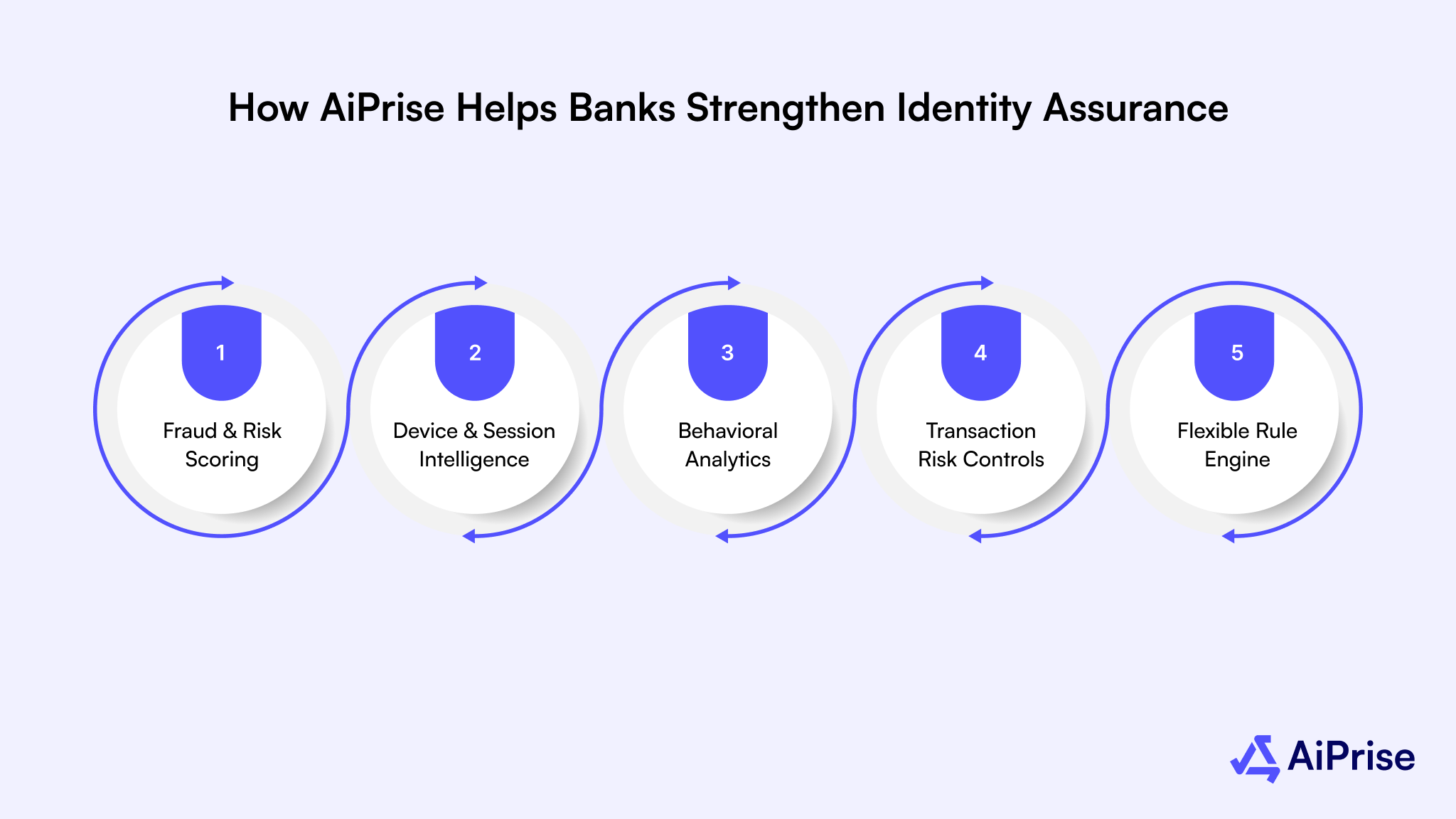
By catching inconsistencies before they become violations, the platform helps financial institutions prevent fraud, reduce regulatory exposure, and maintain smooth customer experiences.
With AiPrise, banks can:
- Fraud & Risk Scoring: Analyze risk at onboarding and throughout the customer lifecycle using 100+ signals, including email, phone, device, documents, non-bureau data, credit records, and legal databases, to flag synthetic identities.
- Device & Session Intelligence: Identify compromised devices, browser spoofing, emulator activity, and remote access tools (RATs) to stop high-risk sessions before a transaction is executed.
- Behavioral Analytics: Track keystrokes, mouse movement, navigation velocity, and hesitation patterns to detect social-engineering indicators and distinguish genuine users from coached or coerced ones.
- Transaction Risk Controls: Apply controls such as Confirmation of Payee (CoP), beneficiary reputation scoring, velocity thresholds, cooling-off periods, and automated holds for unusual transfers.
- Flexible Rule Engine: Configure risk rules and automation workflows aligned with your bank’s internal policies, regulatory requirements, and tolerance for false positives.
AiPrise gives banks end-to-end visibility and adaptive control, helping them stop fraud before it impacts customers or the compliance ledger, all while preserving a low-friction experience for trusted users.
Book a Demo to see how AiPrise strengthens identity verification and reduces compliance risks when deploying facial recognition.
Wrapping Up
Facial recognition has become a daily, fast-advancing capability shaped by stronger AI models, better imaging quality, and rising expectations for secure digital access. Staying ahead requires more than deploying the technology; it demands an integrated approach that pairs facial recognition with device intelligence, behavioral analytics, and real-time risk monitoring to ensure accuracy, fairness, and compliance.
By understanding how the technology works, recognizing the myths, and applying strict governance and testing, banks can strengthen identity assurance while protecting customer trust and meeting regulatory standards. Stay proactive, not reactive, and reinforce your defenses before gaps turn into liabilities.
Talk to Us Today to see how AiPrise enables secure, compliant facial recognition backed by unified risk intelligence that protects your institution end-to-end.
FAQs
1. How does facial recognition technology handle identical twins or extremely similar faces, and what are its limits in such cases?
Facial recognition struggles with identical twins due to their near-identical facial structure. Advanced systems incorporate contextual data and multiple biometric inputs to improve differentiation, but cannot guarantee 100% accuracy in such rare cases.
2. Can facial recognition technology detect changes from plastic surgery or aging, and how does that affect long-term identification reliability?
Recent AI models can adapt to gradual facial changes like aging, but drastic alterations from surgery or trauma can reduce confidence scores. Systems flagged for biometric updates rely on periodic re-enrollment or complementary verification methods.
3. What are the ethical considerations discussed around consent and data ownership in facial recognition datasets used for commercial AI training?
Many users wonder about their rights when their faces appear in publicly scraped datasets and debate whether individuals should be compensated or have control over such biometric data, spurring growing calls for transparent data governance.
4. How robust is facial recognition technology against deliberate spoofing attempts like masks, photos, or deepfake videos?
Anti-spoofing measures using liveness detection, 3D imaging, and thermal sensors enhance security; however, sophisticated spoofing remains a challenge, and continuous model evolution is needed to defend against emerging fraud.
5. In what ways can facial recognition algorithms unintentionally reinforce societal biases or stereotypes, and how can these be mitigated?
Bias emerges when training datasets lack diversity or reflect societal prejudices. Mitigation strategies include using balanced datasets, transparency in algorithm design, independent audits, and regulatory oversight to ensure fairness.
You might want to read these...









.png)



.png)









.png)

.png)
.png)





AiPrise’s data coverage and AI agents were the deciding factors for us. They’ve made our onboarding 80% faster. It is also a very intuitive platform.

Head of Operations



See your full compliance picture in one place
Use AI agents and global data to review businesses and users faster and more accurately
