

AiPrise
9 min read
March 3, 2026
Mastering Fintech Fraud Risk Scoring: A Complete Business Guide

Key Takeaways

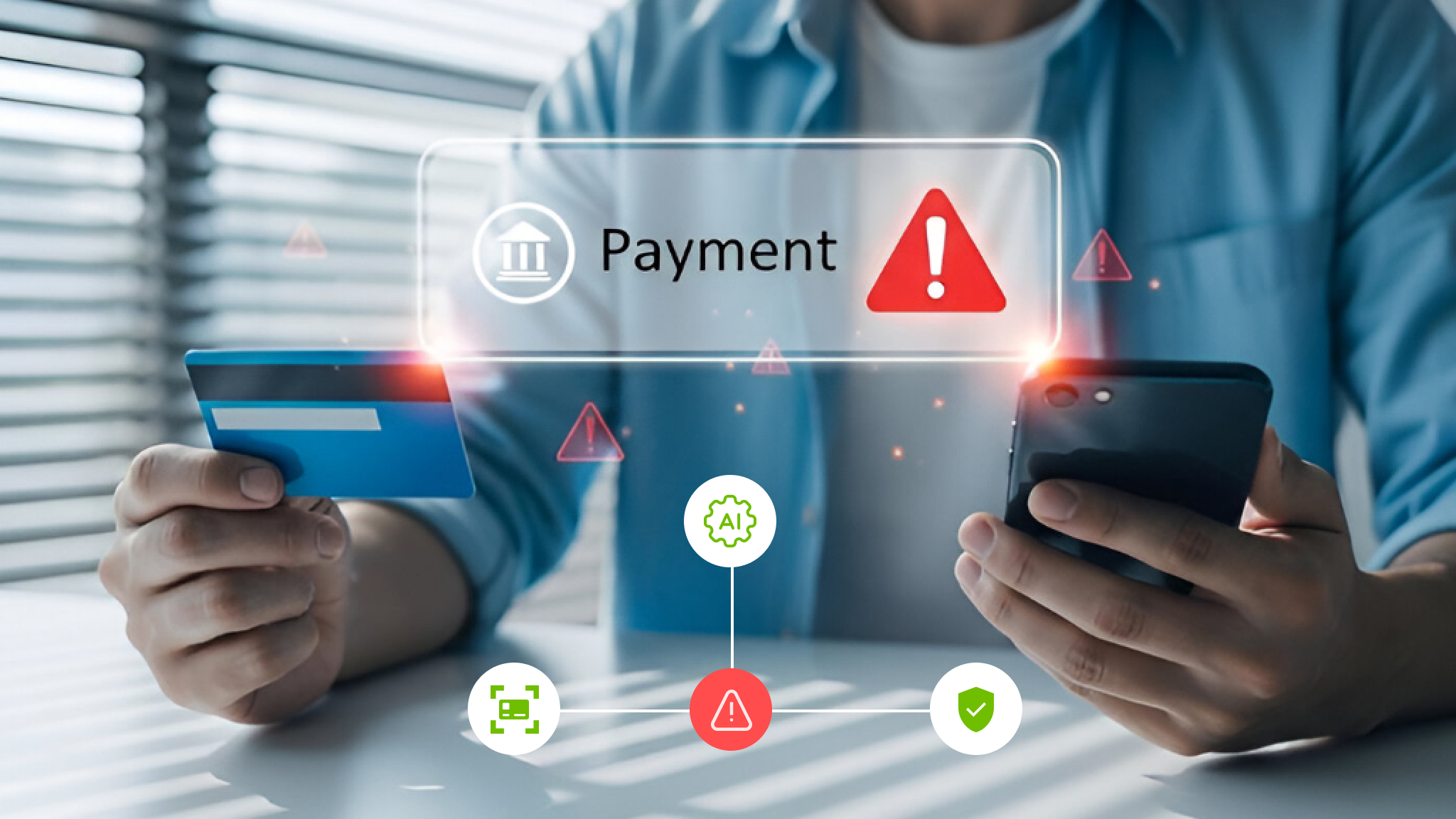
Every transaction your fintech processes carries a hidden risk, some of it invisible until it’s too late. That’s why mastering fraud risk scoring is a necessity for businesses that want to stay ahead. By analyzing patterns, behaviors, and anomalies, you can spot threats before they impact your revenue.
In 2025, 67 % of financial institutions and fintechs reported rising fraud rates, and 22 % lost over $5 million due to fraud costs, showing how quickly threats escalate without strong defenses.
This guide breaks down what fintech fraud risk scoring is, how it works, key technologies behind it, and practical strategies to protect your customers and bottom line.
Key Takeaways
- Fraud risk scoring helps fintechs detect payment fraud, account takeovers, synthetic identities, insider threats, and loan/credit fraud while protecting revenue and customer trust.
- High-quality multi-source data combined with AI, machine learning, and behavioral analytics ensures accurate and continuously evolving risk detection.
- Risk scores turn complex transaction and user information into immediate actions, enabling automated approvals, flags, or blocks without affecting legitimate users.
- Device intelligence, network signals, predictive models, and seamless workflow integration enhance detection accuracy and operational efficiency.
- AiPrise’s Fraud & Risk Scoring solution empowers fintechs with real-time AI insights, customizable scoring, and seamless integration to proactively prevent fraud.
What Is Fintech Fraud Risk Scoring?
Fraud risk scoring in fintech is a method that assigns a numerical value (risk score) to a transaction, user, or activity based on the likelihood that it’s fraudulent. It acts as a quantitative indicator of risk, helping you decide whether to approve, challenge, or block an action.
At its core, risk scoring combines:
- Behavioral signals like login patterns and device changes
- Transaction attributes such as amount, velocity, and location
- Historical data from past interactions and fraud cases
- External intelligence, like blacklists or known fraud networks
These inputs feed into machine learning and statistical models that continuously learn and adapt, improving precision over time and rapidly catching anomalies that static checks might miss.
Here’s a quick overview of how the score guides decisions:
Also read: Understanding Fraud: Patterns and Prevention Strategies
Now that you understand what fintech fraud risk scoring is and how it assigns actionable scores, it’s essential to see exactly which types of fraud it helps detect and prevent.
Key Fraud Types Addressed by Fintech Fraud Risk Scoring
Fraud risk scoring in fintech goes beyond generic alerts. It evaluates transactions and behaviors to identify specific threats, enabling timely intervention and minimizing losses. Key fraud types include:
Unauthorized transactions, stolen card data, and phishing attacks are common threats. Risk scoring flags rapid transaction bursts, unusual amounts, or atypical locations to prevent financial loss.
- Account Takeover (ATO)
Fraudsters exploit weak credentials to access legitimate accounts. Indicators such as sudden device or IP changes, unusual login patterns, or multiple failed login attempts trigger higher verification risk scores.
- Synthetic Identity Fraud
Fake identities are created by combining real and fabricated data. Scoring detects inconsistencies in personal details, transaction history, and credit behavior to prevent fraudulent account creation.
- Insider Fraud
Employees or contractors may misuse system access for personal gain. Scoring identifies unusual internal activity, privilege misuse, or atypical approvals that could indicate insider threats.
- Loan and Credit Fraud
Applications often contain falsified income, employment, or personal data. Real-time scoring cross-checks this information against historical fraud patterns and external databases to prevent approval of high-risk applications.
With a clear view of the fraud threats fintechs face, it’s time to explore how risk scoring transforms raw data into actionable insights that stop fraud before it happens.
How Fraud Risk Scoring Works?
Fraud risk scoring combines data, algorithms, and analytics to assign a numerical risk score that predicts the likelihood of fraud. The process is continuous, adaptive, and real-time. Here’s how it works in practice:

Step 1. Collecting Relevant Data
Fraud risk scoring starts with gathering high-quality data from multiple sources, forming the foundation for accurate risk assessment. This data helps the system detect anomalies that may indicate fraudulent activity.
User behavior, such as login patterns, device usage, and session duration, provides early warning signals. Transaction details, amounts, frequency, location, and merchant type help flag unusual activity.
Historical data, including past fraud incidents and chargeback records, allows the system to learn from prior patterns. External signals, like blacklists and shared fraud databases, further strengthen detection. Core data sources include:
- User behavior and transaction details
- Historical fraud patterns and account history
- External databases and blacklists
Step 2. Analyzing Patterns with Algorithms
Once data is collected, algorithms analyze it to detect patterns that indicate potential fraud. These models identify unusual behaviors, transaction anomalies, and emerging threats.
- Statistical Models: Examine historical data to find recurring fraud patterns and trends.
- Machine Learning Models: Continuously learn from new transactions, adapting to evolving fraud tactics in real time.
- Behavioral Analytics: Monitor deviations from normal user behavior, such as unusual login times, transaction velocity, or device changes.
Step 3. Assigning the Risk Score
After analyzing the data, the system generates a numerical risk score (e.g., 0–100) that indicates the likelihood of fraud. Low scores typically allow transactions to proceed automatically, medium scores trigger step-up authentication or manual review, and high scores prompt immediate blocking or escalation to the fraud team.
This simple score translates complex data into actionable insights, enabling fintechs to act quickly, prevent losses, and ensure legitimate users enjoy a smooth transaction experience.
Step 4. Real-Time Decision Making
Once a risk score is assigned, automated systems can act instantly. Transactions are approved, flagged, or blocked in real time, ensuring that legitimate users experience minimal friction while potential fraud is stopped immediately.
Integration with existing fraud management workflows allows fintechs to respond dynamically without manual intervention, making the process both efficient and effective.
Step 5. Continuous Learning & Optimization
Fraud risk scoring models are constantly evolving. Machine learning algorithms continuously update as new transaction data arrives, enabling the system to adapt to emerging fraud tactics. This adaptive approach reduces false positives, improves detection accuracy, and ensures scoring remains reliable as fraud patterns evolve over time.
Also Read: Understanding Fraud Rings: How to Spot, Detect, and Prevent Them Safely
Let’s now explore the key technologies that make fraud risk scoring possible.
Key Technologies Behind Fintech Fraud Risk Scoring
Fraud risk scoring relies on a combination of advanced technologies to detect threats accurately and efficiently:
- Artificial Intelligence & Machine Learning: AI processes millions of transactions in real time, identifying subtle anomalies. Machine learning models continuously adapt to new fraud patterns, improving accuracy and reducing false positives.
- Behavioral Analytics: Monitors user activity across devices and sessions. Unusual login times, rapid device switching, or atypical transaction behavior trigger higher risk scores.
- Device & Network Intelligence: Examines device fingerprints, IP addresses, geolocation, and network behavior. Detects account takeovers, bot attacks, and synthetic identity usage before transactions are approved.
- Predictive & Statistical Modeling: Uses historical fraud data and statistical patterns to calculate probabilities of fraudulent behavior, guiding automated decision-making with precision.
- Fraud Management Integration: Scores feed directly into workflows, enabling real-time actions like approve, challenge, or block without slowing legitimate users.
Having explored the technologies powering fraud risk scoring, it’s important to see how these scores are applied in real-world fintech operations.
Practical Applications of Risk Scoring in Fintech Fraud Detection
Risk scoring is used across multiple fintech workflows to identify and prevent fraud at every stage of the customer journey:

Transaction Monitoring
Scores each transaction in real time based on user behavior, device, location, and transaction attributes. High-risk transactions can be blocked, flagged for review, or trigger step-up authentication.
Account Onboarding & Verification
Risk scoring evaluates new applicants for signs of synthetic identities or fraudulent intent, using historical data and external databases. This prevents fraud before accounts are created.
Login & Account Activity Monitoring
Continuously monitors logins, password resets, and device changes. Unusual patterns raise risk scores, prompting immediate verification or temporary account suspension.
Loan and Credit Application Screening
Identifies inconsistencies or falsified information in real time. Risk scores determine whether an application is approved automatically, flagged for review, or declined.
Chargeback & Refund Risk Prevention
Evaluates transactions for potential disputes or fraudulent claims, reducing losses from unauthorized refunds or high-risk purchases.
Protect your fintech business with AiPrise’s Fraud & Risk Scoring, which delivers real-time, customizable risk scores to prevent fraud before it happens.
With a clear understanding of how risk scoring is applied, the next step is ensuring it works effectively in real-world fintech operations.
Best Practices for Effective Fraud Risk Scoring
To ensure fraud risk scoring delivers accurate and actionable insights, fintechs need a structured approach that combines data quality, adaptive models, and seamless integration. Implementing these practices helps detect fraud proactively while minimizing friction for legitimate users.
Focus on these core strategies:

- Use High-Quality, Diverse Data: Incorporate user behavior, transaction details, historical fraud patterns, and external signals. More comprehensive data improves scoring accuracy and reduces missed threats.
- Continuously Train Machine Learning Models: Fraud tactics evolve rapidly. Regularly updating models with new data ensures they adapt to emerging patterns and maintain predictive reliability.
- Set Dynamic Risk Thresholds: Adjust thresholds based on transaction type, customer segment, or risk level. This prevents unnecessary friction for low-risk customers while focusing resources on high-risk activities.
- Integrate Scoring with Automated Workflows: Connect risk scores to automated decision-making systems for approvals, step-up authentication, or blocking actions. Integration reduces manual review and accelerates response times.
- Monitor & Analyze Performance Metrics: Track detection rates, false positives, chargeback incidents, and operational impact. Regular monitoring allows fintechs to refine scoring models and optimize overall fraud prevention.
- Compliance and Regulatory Alignment: Ensure scoring practices comply with AML/KYC, data privacy, and local regulatory requirements to avoid penalties and maintain customer trust.
Also Read: Common Red Flags In Fraud Detection
Building on best practices, the real advantage comes from implementing a solution that applies these principles effectively. AiPrise’s Fraud & Risk Scoring platform empowers fintechs to detect, prevent, and manage fraud with precision.
How AiPrise Helps Your Business With Fraud Risk Scoring?
AiPrise combines AI-driven analytics, real-time risk scoring, and adaptive machine learning to provide a comprehensive fraud defense. The platform evaluates transactions, user behavior, and account activity simultaneously, generating instant risk scores that guide automated or manual interventions.
By integrating seamlessly with fintech workflows, AiPrise ensures high-risk transactions are blocked or reviewed immediately, while legitimate users enjoy frictionless experiences.
Key Benefits for Fintech Businesses:
- Real‑Time Fraud Detection: AiPrise scores risk instantly as users interact with your system, enabling immediate action on suspicious transactions.
- Adaptive Machine Learning & Rule Engines: Customizable risk rules allow you to tailor scoring models to your business needs and risk tolerance, improving detection precision over time.
- Comprehensive Identity Insights: Email and phone activity data, combined with device‑level signals like location intelligence, strengthen identity verification and reduce fraud blind spots.
- Seamless Workflow Integration: Pre‑designed risk rules and ready‑to‑use libraries speed setup and enable automated fraud actions without disrupting user experience.
- Reduced False Positives: AiPrise’s layered analysis gives your team better confidence in decisions, helping protect legitimate users while catching sophisticated threats.
Protect your fintech business with AiPrise, turning complex data into actionable insights and safeguarding revenue effortlessly.
Summing Up
Effective fraud risk scoring is essential for fintechs to detect threats in real time, prevent financial losses, and maintain customer trust. By combining AI-driven analytics, behavioral insights, and adaptive machine learning, businesses can stay ahead of evolving fraud patterns without slowing legitimate transactions.
Take control of fraud today with AiPrise Fraud & Risk Scoring.
Book a Demo to see how your fintech can prevent fraud, reduce false positives, and optimize operations seamlessly.
FAQs
Q: Can fraud risk scoring help with AML compliance?
Yes, risk scoring systems assess transaction and identity signals to identify suspicious behavior early, supporting anti‑money‑laundering (AML) compliance and helping fintechs meet regulatory reporting requirements by flagging high‑risk activity.
Q: What’s the difference between risk scoring and risk rating?
Risk scoring calculates a numerical value based on various risk factors, while risk rating translates that score into actionable categories like low, medium, or high risk for decision workflows.
Q: How is a customer or transaction risk score calculated?
Fraud risk scoring models combine weighted data points, such as device, behavioral patterns, transaction history, and identity signals, to generate a normalized score that predicts the likelihood of fraudulent activity.
Q: Does real‑time risk scoring replace manual fraud review?
No, real‑time scoring automates risk assessment and prioritizes cases, but manual review still plays a role in high‑risk or nuanced scenarios to ensure accurate judgment.
Q: How does AI improve fraud risk scoring accuracy?
AI and machine learning detect complex patterns across hundreds of variables in real time, adapt to new fraud tactics, and continuously learn from outcomes, improving detection accuracy while reducing false positives.
You might want to read these...











.png)





.png)









.png)
.png)
.png)




AiPrise’s data coverage and AI agents were the deciding factors for us. They’ve made our onboarding 80% faster. It is also a very intuitive platform.

Head of Operations



See your full compliance picture in one place
Use AI agents and global data to review businesses and users faster and more accurately
