

AiPrise
5 min read
April 16, 2026
How to Spot a Fake ID: 6 Verification Methods

Key Takeaways

For businesses, accepting a fraudulent ID, even unknowingly, can mean regulatory fines, license revocation, or reputational damage. With fraudsters now using AI-generated documents and deepfakes to bypass verification, the challenge has never been greater.
According to IDScan.net’s recent Fake ID Report, which analyzed over 150 million identity verifications, more than 1,000,000 fake IDs were flagged in 2024.
So, how do you know a real ID vs. a fake ID, and what specific signs should your team look for?
In this guide, we break down the most common red flags and practical verification techniques to help your business identify users with confidence and stay compliant.
Key Takeaways
- Fake IDs misrepresent identity and are used for fraudulent purposes.
- Detection involves reviewing physical, visual, and data-based security features.
- Layered verification systems offer stronger fraud and compliance protection.
What Are Fake IDs
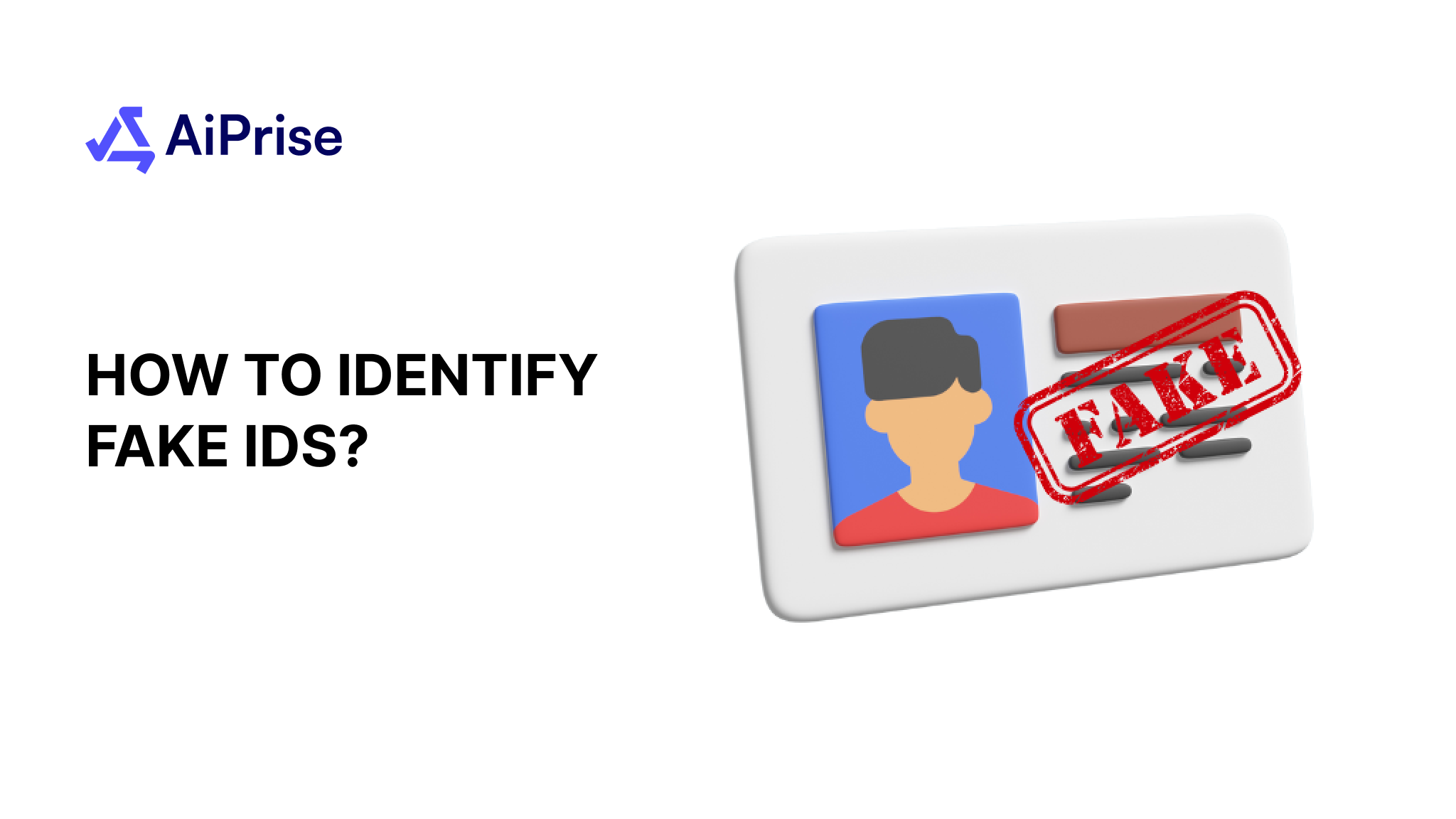
Fake IDs are fraudulent documents that are created to misrepresent an individual's identity.
People use them to impersonate others, open accounts under false details, or get past verification checks meant to confirm someone’s legitimacy.
For businesses, fake IDs create a compliance problem and increase the risk of onboarding the wrong users. That’s why teams need to know how to spot a fake ID.
Fake IDs can take many forms:
- Counterfeit IDs that imitate official government documents
- Altered IDs with modified photos or personal details
- Synthetic identities created using a mix of real and fabricated information
Understanding these types is the first step toward identifying suspicious documents and verifying users effectively.
How to Spot Fake IDs: 6 Methods
There are a number of ways to spot a fake ID.
Let’s explore how they work.
1. Assess Holograms
Holograms are three-dimensional images that are difficult to replicate, and they are often used on government-issued IDs. Examining how the hologram behaves under light can quickly reveal signs of tampering or counterfeiting.
When looking for holograms, make sure that:
- The image visibly shifts when the ID is tilted under normal light.
- The hologram displays official symbols or patterns specific to the issuing authority.
- The holographic elements appear sharp and properly aligned within the card design, not blurry or misaligned, and do not appear to sit on top like a sticker.
2. Examine Microprinting
Microprinting consists of extremely small text embedded within an ID’s design as a security feature. While it may appear as a thin line to the naked eye, magnification reveals clear, readable characters on genuine documents.
When examining microprinting, check that:
- The text appears sharp and legible under magnification, not blurred or broken.
- The wording is consistent with the ID’s official design and matches the surrounding information.
- The print looks integrated into the card, not faded, smudged, or easily scratched off.
3. Inspect the ID Under UV Light
Another effective way to spot a fake ID is to inspect it under ultraviolet (UV) light. Genuine IDs often incorporate UV-reactive ink or specific features that emit a glow when exposed to black light. These security features are not easily replicated and serve as a reliable indicator of authenticity.
To inspect an ID under UV light:
- Simply hold it under a black light source and observe the reactions.
- Look for hidden watermarks, fluorescent fibers, or invisible ink that becomes visible under UV light.
- Pay close attention to the colors and patterns that appear under UV light. Genuine IDs often display specific color combinations or security patterns that correspond to the issuing authority or state.
Florida driver’s licenses include a UV security feature where the letters “FLFL” are printed using fluorescent ink. This marking is invisible under normal lighting but becomes clearly visible when exposed to UV light, helping verify the identity document’s authenticity.
It's important to note that not all IDs have UV elements, so the absence of such features does not necessarily indicate a fake ID. However, the presence of UV-reactive elements significantly enhances the credibility of the ID.
4. Look for Visual and Physical Anomalies
You can spot a fake ID by looking for the following inconsistencies:
- Spelling or formatting errors: Look for issues with names, addresses, dates, or capitalization.
- Low-quality photos: With a fake ID, the photo might appear blurry or pixelated, or be poorly aligned. Also, the face might be partially obscured by accessories like sunglasses or masks.
- Inconsistent design elements: Check for mismatched fonts, uneven spacing, or incorrect layouts.
- Poor material quality: A fake ID might have a thin card, faded printing, or easily damaged surfaces.
- Missing or uneven embossing: Normally, there’s a subtle raised texture on certain parts of legitimate IDs. If it’s missing or uneven, you might have spotted a fake.
- Absent or irregular laser perforations: These elements are often used as security features. They form precise patterns or images when held against light.
Authentic IDs follow strict design and production standards, so small visual or structural issues can signal possible tampering.
5. Verify the Issuing Authority and State Seal
Only a recognized government authority can issue a legitimate ID.
When reviewing the issuing authority, check that:
- The issuing agency name matches an official government body for the stated region or country.
- The ID includes an official state or national seal in the correct location.
- The seal appears clear, detailed, and embedded in the design, not distorted, faded, or altered.
- The seal and design elements correspond to the state or jurisdiction shown on the ID.
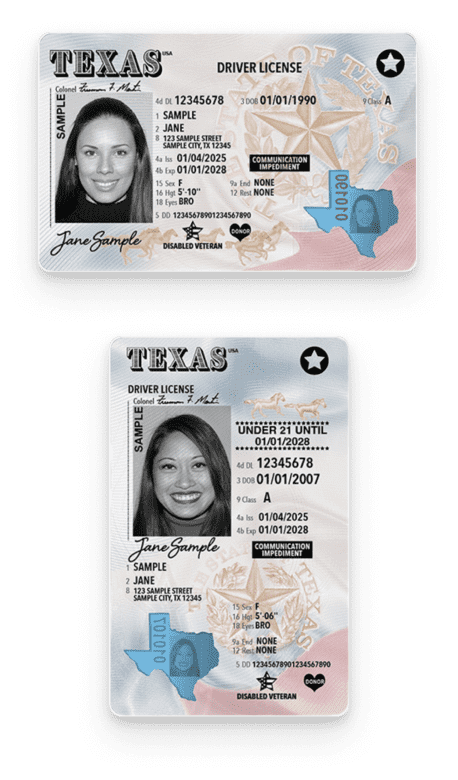
For example, a Texas driver's license displays a star in the top-right corner. Although this feature can be duplicated, awareness of official design elements remains a critical baseline check when assessing document authenticity.
6. Use Technology and KYC Software
In addition to the traditional methods, automation tools and KYC software can also help verify the authenticity of an ID.
Optical Character Recognition (OCR)
OCR extracts text from an ID and converts it into structured data for verification. It checks whether key details, such as field placement, font style, and document structure, match how a genuine ID should appear.
For example, if a state-issued document always uses specific font spacing, OCR can detect letters that sit too close together and flag the document as a possible forged ID.
It also verifies whether the information is internally consistent, for example, whether the holder meets the minimum age for the document type. The system can then cross-check ID numbers against external records to identify documents reported as lost, stolen, or invalid.
AI-Powered Facial Recognition Software
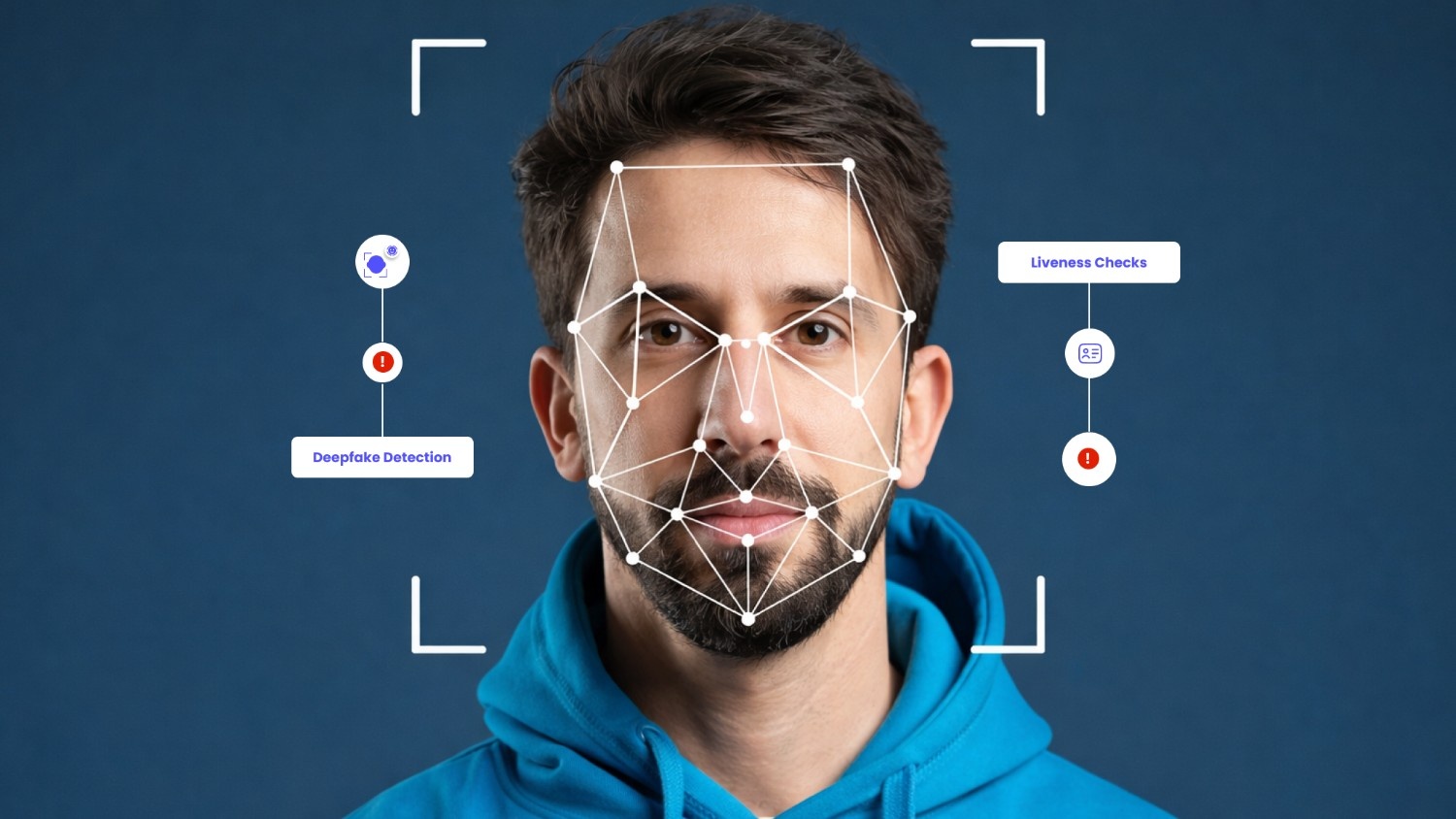
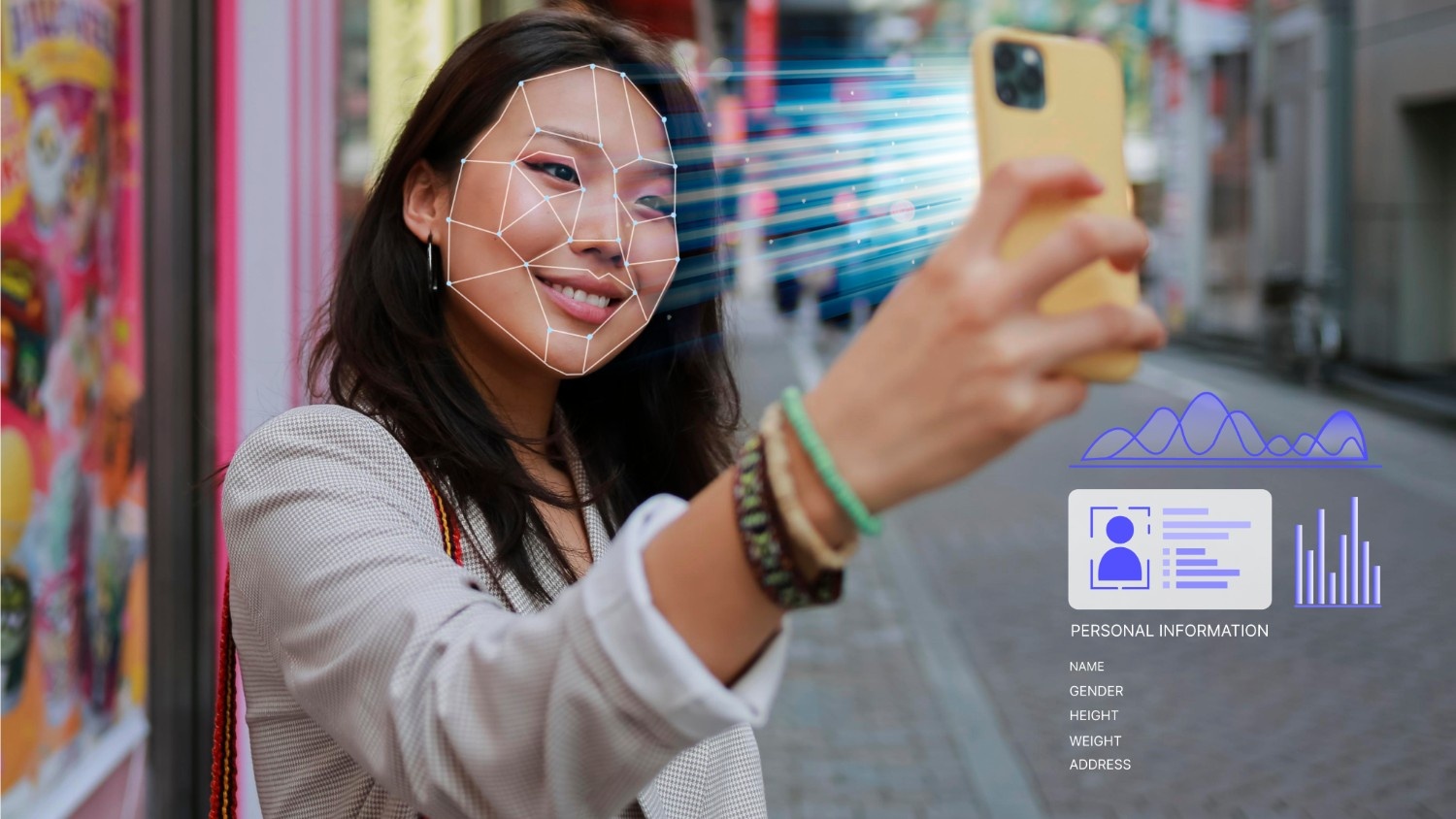
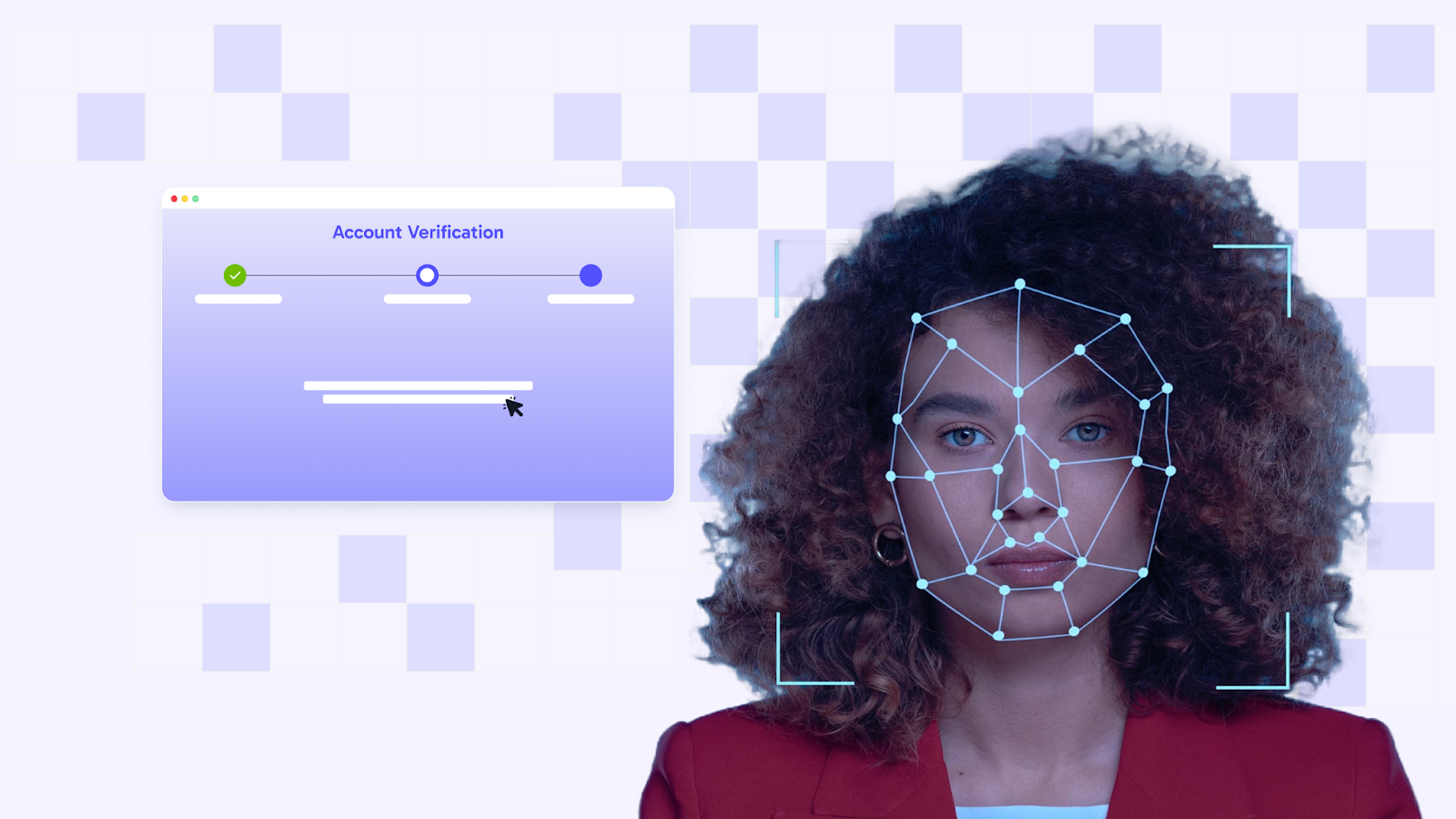
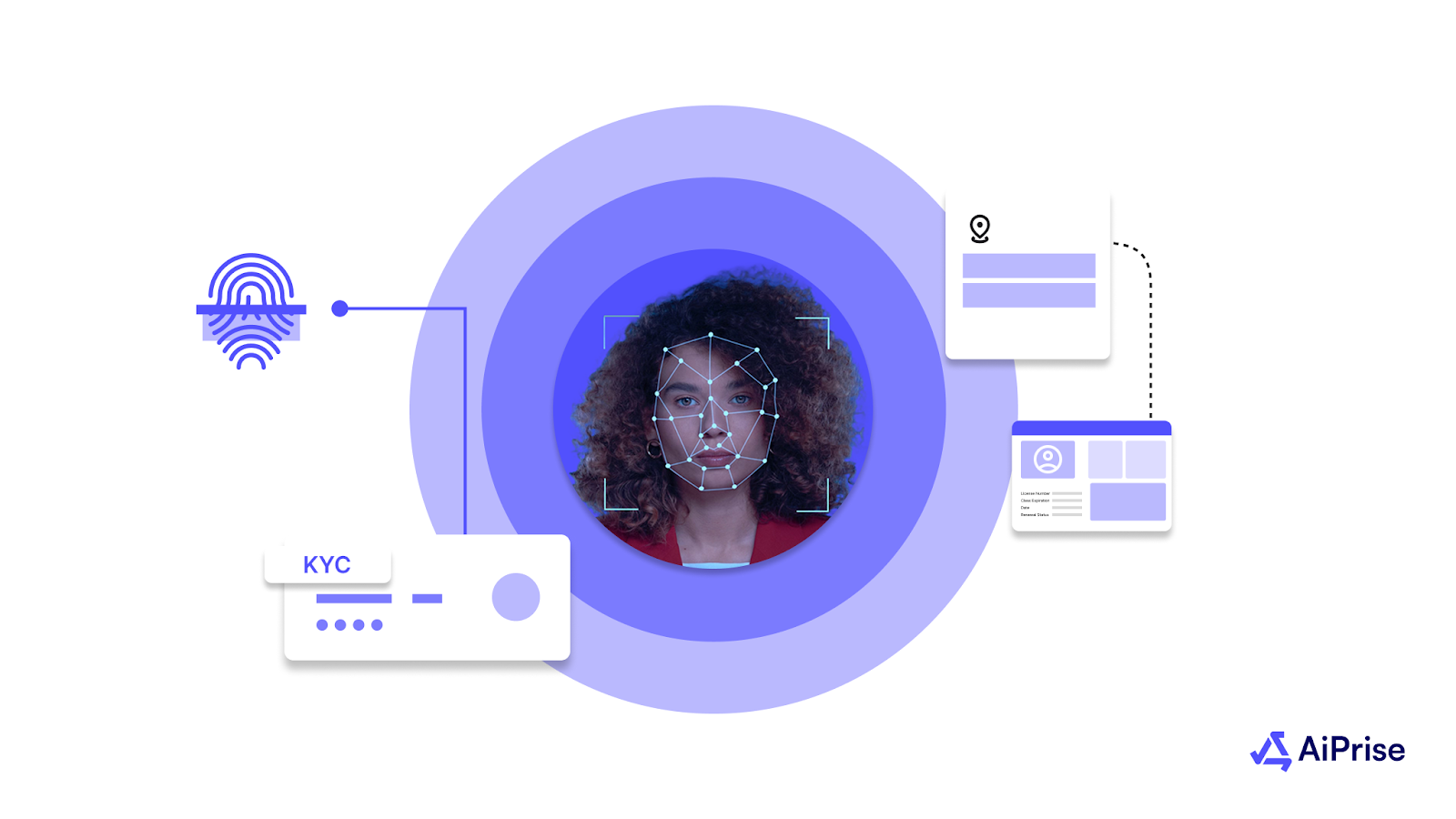
Facial recognition compares the photo on an ID with a live image or selfie to confirm the person presenting it is the rightful owner.
Using AI, it analyzes facial features to detect mismatches and flag impersonation or stolen IDs.
KYC Software and Automated Identity Verification
KYC software helps organizations spot fake IDs by automating identity verification and reducing manual review.
It detects fraud by:
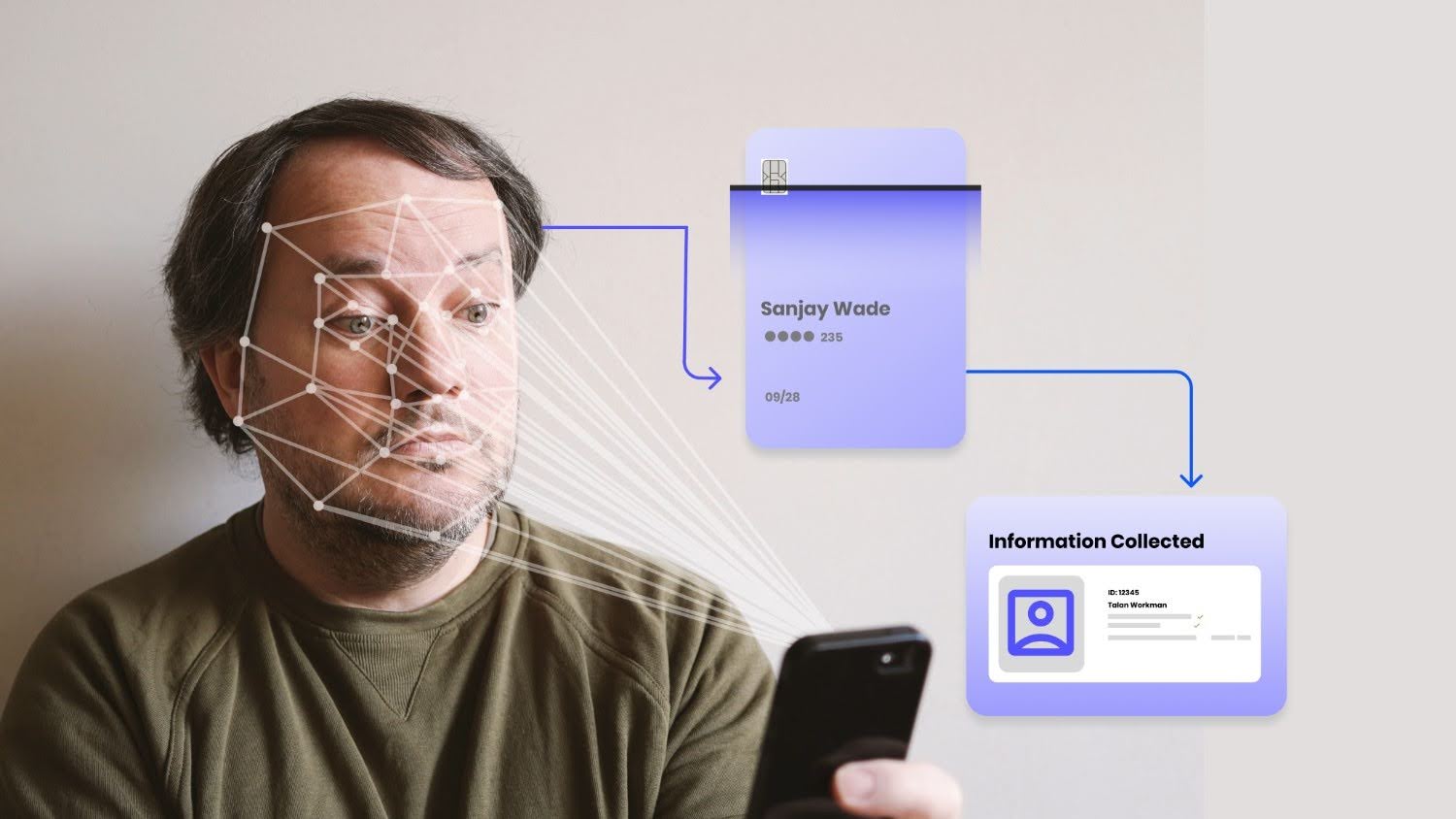
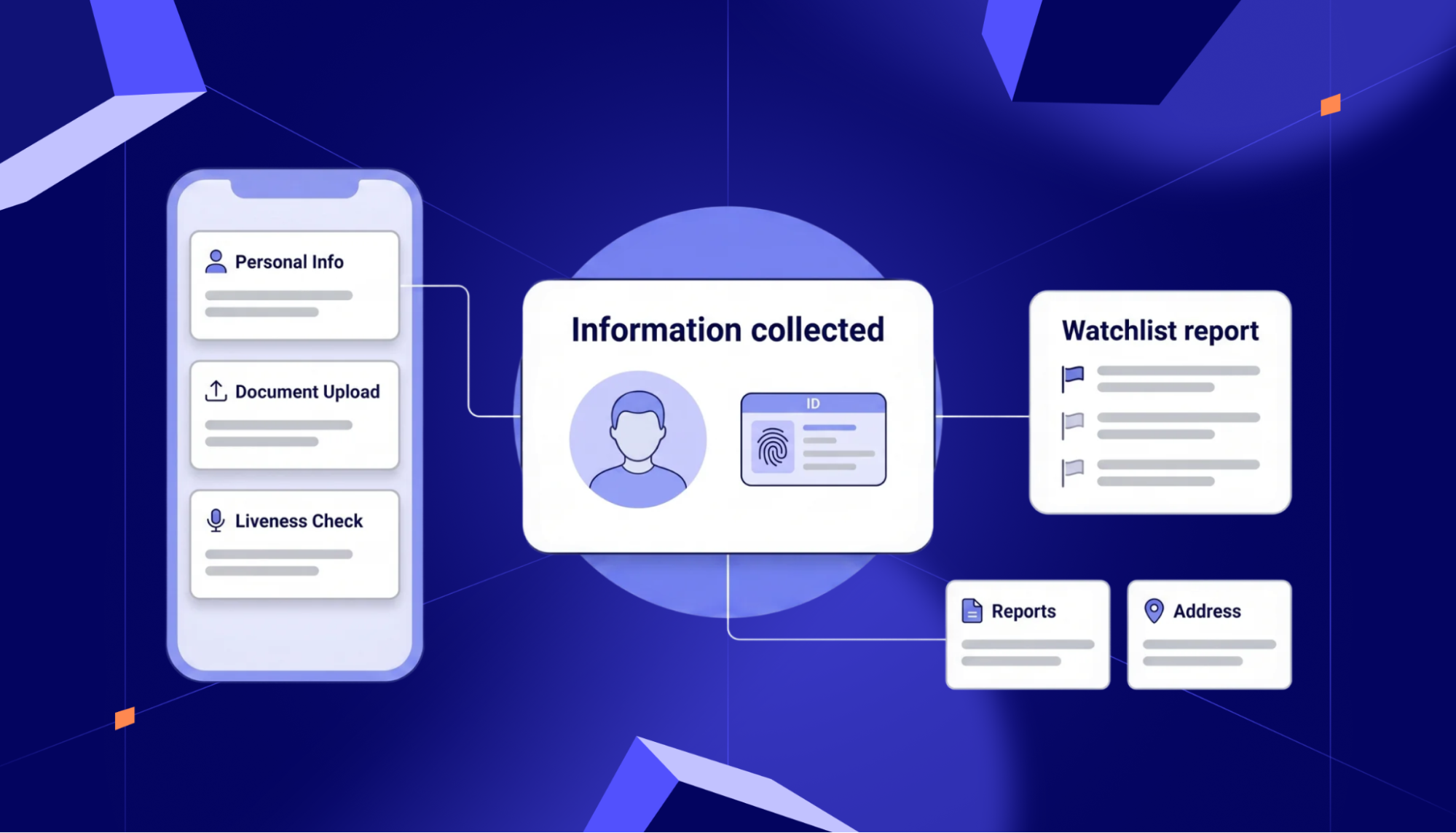
- Extracting data directly from ID documents
- Matching the ID photo with a live selfie using biometric verification
- Screening users for inconsistencies, duplicate profiles, or risk signals in real time
For example, a fast-growing neobank previously relied on an internal dashboard where teams manually extracted document data, matched names, and reviewed every customer submission. The process was slow and repetitive, leaving room for human error.
After adopting an automated KYC platform, the bank introduced instant data extraction, biometric face matching, and real-time fraud checks. Compliance teams no longer reviewed every application and could focus on high-risk cases, while onboarding became faster and more scalable.
Barcode Validation and QR Code Verification
Many government-issued IDs include machine-readable barcodes, such as PDF417, that store encoded personal information. KYC systems scan these codes to extract the embedded data and compare it with the details printed on the document, helping detect tampering or altered fields.
While OCR reads the visible text on an ID, barcode scanning validates the encoded data, adding an additional layer of verification.
Protecting Your Business from Fake IDs
While technology has made it easier to produce counterfeit IDs, it has also advanced the tools available to detect them. The techniques outlined above are most effective when used together, since no single check can catch every type of fraud.
Finally, a layered approach, combining human judgment with automated verification, helps organizations stay resilient as threats continue to evolve. With KYC software that flags issues, you can automate ID verification and intervene when human review might be needed.
Need a better way to prevent ID fraud and maintain compliance across your onboarding and verification processes? Book a demo with AiPrise.
FAQs
How can I check if an ID number is real?
Official verification involves checking the ID number against government databases, such as the DMV, or using an identity verification API that validates records in real time. These checks can confirm whether the number is valid, inactive, or linked to a reported lost or stolen document.
What regulations require fintechs to check for fake IDs?
In the United States, the Bank Secrecy Act (BSA) requires financial institutions to run a Customer Identification Program (CIP) and verify beneficial owners to prevent misuse of shell companies.
In the European Union, frameworks supported by eIDAS enable secure digital identity verification for remote onboarding and authentication.
Why do crypto platforms need to verify user identities?
Crypto platforms verify user identities to comply with regulations such as the EU’s MiCA framework and the FATF Travel Rule, which require exchanges to link wallet activity to real-world identities. This helps prevent money laundering and terrorist financing while allowing platforms to maintain access to traditional banking systems.
What happens if a neobank doesn't detect a fake ID?
If a neobank fails to detect a fake ID, fraudsters may open accounts under false identities, enabling money laundering, scams, or unauthorized transactions. This can lead to financial losses, regulatory penalties, account abuse, and reputational damage, and may also put the bank’s partnerships with payment networks and banking providers at risk.
What other KYC and AML protocols can help reduce fraud risk?
Beyond ID verification, organizations reduce fraud risk by applying additional KYC and AML controls, including:
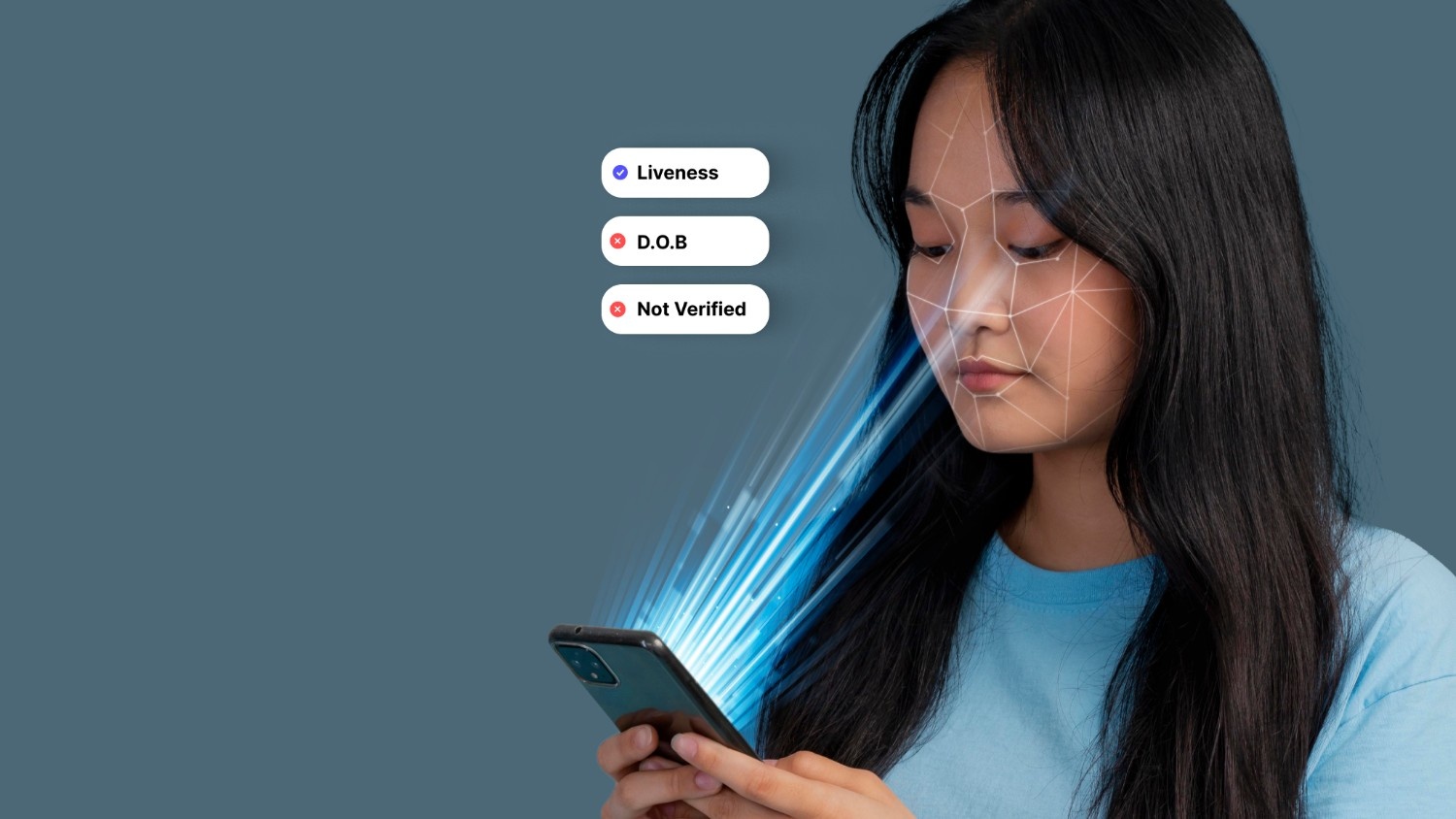
- Liveness detection to confirm a real person is present during verification.
- Sanctions and watchlist screening to identify high-risk or prohibited users.
- Transaction monitoring to detect suspicious behavior after onboarding.
- Risk-based due diligence that applies stricter document checks to higher-risk users.
- Device fingerprinting and geolocation analysis to detect suspicious login patterns, device reuse, or location anomalies.
- Ongoing monitoring to identify account changes or unusual activity over time.
You might want to read these...



AiPrise
KYB Compliance: 2026 Regulations You Should Know About
As organizations expand globally and face tighter regulations, adherence to Know Your Business (KYB) standards has become one of the most critical compliance layers for fintech, online marketplaces, and other companies that need to verify business customers before letting them perform financial transactions.









.png)

.jpg)












.png)







.png)
.png)
.png)









.png)
.png)




AiPrise’s data coverage and AI agents were the deciding factors for us. They’ve made our onboarding 80% faster. It is also a very intuitive platform.

Head of Operations



See your full compliance picture in one place
Use AI agents and global data to review businesses and users faster and more accurately
