Blogs

Understanding The Basics Of A Compliance Management System

AiPrise

8 min read

October 21, 2024

Understanding The Basics Of A Compliance Management System

Key Takeaways

Are you prepared for the risks of non-compliance in an ever-evolving regulatory landscape? Keeping up with changing regulations can be difficult, and even a minor problem can lead to costly fines or damage to your company's reputation. Many businesses may struggle to balance compliance with their daily operations.

The solution to this problem is maintaining a compliance management system (CMS) to lighten this load. This system centralizes and automates compliance tasks and mitigates the risk of non-compliance.

Today, we'll examine the essentials of a compliance management system, uncover its challenges, and highlight why implementing one is crucial for safeguarding your business against regulatory risks. Let's get started.

‍

What Is A Compliance Management System?

A compliance management system (CMS) assists businesses with regulatory requirements, internal policies, and other legal requirements. It provides a structured approach to managing compliance activities, mitigating risk, and meeting ongoing regulatory requirements. The system includes policies and procedures, risk management, auditing, documentation, and reporting.

A CMS can effectively integrate with your existing business processes. Through CMS, your organization can embed compliance checks directly into customer onboarding, vendor management, or financial transactions. This integration automates routine compliance tasks, reduces employee burden, and minimizes human error.

Implementing a compliance management system can provide several advantages for your business. It reduces the risk of non-compliance and avoids fines, legal repercussions, and damage to your reputation. Maintaining a system like this can also build trust with customers, regulators, and stakeholders, which is critical for long-term success.

‍

Key Elements Of A Compliance Management System

Using CMS can help your business ensure compliance with regulations and maintain ethical standards. Here are the three key elements of an effective CMS, each essential to developing a culture of compliance within your organization.

1. Board And Director Oversight

A sound compliance management system should start from the top for its effectiveness. They play a good role in ensuring compliance and implementation.

  • Top-Down Compliance Implementation: The board of directors and senior management must oversee the development and enforcement of compliance policies. This shows a commitment from leadership to implement this system for all employees.
  • Accountability And Responsibility: Your senior leadership must create a culture where everyone feels responsible for upholding compliance standards and encouraging ethical behavior and transparency.

2. Compliance Program And Continuous Training

A comprehensive compliance program sets the framework for managing regulatory requirements, but continuous education can keep your employees informed and aware of changing rules.

  • Define Policies And Procedures: Clearly outline the compliance program in the company's rules, standards, and expectations. These policies need to be accessible and consistently applied across all departments.
  • Employee Training: Regular training sessions ensure your staff understands the compliance requirements and how they impact daily operations. Continuous learning helps reduce mistakes and prevents unintentional violations.
  • Adaptation To Regulatory Changes: Update your compliance program according to the change and adjust your training program to meet the standard. Platforms such as AiPrise automatically update to reflect regulatory changes, keeping your compliance program current and effectively mitigating risks.

3. Compliance Audits And Independent Reviews

If you want to check that things are going well, conduct regular compliance audits and independent reviews. These help you identify areas for improvement and ensure that your organization remains compliant over time.

  • Internal Audits: The internal team will assess to check whether compliance procedures are correct and identify any potential weaknesses.
  • External Independent Reviews: It is vital to bring in third-party experts like AiPrise for an unbiased evaluation. This observation can offer fresh perspectives and ensure the company's practices align with legal requirements.
  • Continuous Improvement: Both internal and external audits should lead to actionable insights, allowing the organization to refine its compliance processes and minimize future risks.

In the following section, let's discuss the advantages of using a CMS system.

‍

Advantages Of A Compliance Management System

Implementing a CMS is more than following the rules because it brings strategic advantages that can improve your operations and reputation. Let's explore the key benefits of implementing a CMS and how it can impact your business.

  1. Risk Mitigation And Reduce Non-Compliance
  • One of the biggest benefits of a CMS is that it helps businesses avoid legal problems by managing regulatory risks.
  • By centralizing compliance activities, a CMS ensures that policies and procedures are followed, reducing non-compliance chances.
  • With automated compliance checks, you can see the risks early and allow your business to fix them before they lead to penalties or legal consequences.

AiPrise solutions offer automated compliance checks highlighting potential risks early, enabling preemptive action, and enhancing regulatory adherence.

  1. Improve Reputation And Trust
  • Building a strong reputation is vital in this competitive world, and a CMS can help you build customer trust.
  • When your company follows regulatory requirements, it shows your customers, partners, and regulators that you prioritize ethical business practices.
  • Such practice boosts customer confidence and increases your standing with regulatory bodies, making future interactions smoother.
  1. Operational Efficiency And Decision-Making
  • A CMS is not just created to protect your business legally; it may help streamline operations and improve decision-making.
  • With automation, a CMS reduces manual intervention and saves time and resources for core business tasks.
  • Moreover, the data can provide valuable insights, helping the top management make better decisions.

Are you aware of the types of CMS tools? Let's explore them now.

‍

Types Of Compliance Management Tools

You may encounter several types of compliance management tools to ensure regulations and streamline compliance processes. Each type of tool has a purpose and contributes to a comprehensive compliance management system.

  1. Policy And Procedure Management Tools: Policy and procedure management tools are essential for creating, distributing, and managing compliance-related documents within your organization. They help you streamline the process of drafting, reviewing, and approving compliance policies, making it easier to ensure that all employees have access to up-to-date information. You also get features for tracking policy changes and providing training on compliance protocols with these tools.
  2. Risk Management Tools: They offer options for identifying, assessing, and mitigating compliance-related risks. Through these processes, your organizations can evaluate potential vulnerabilities within their operations and develop strategies to address them quickly. You may also have the option to track compliance incidents, allowing you to respond promptly to any breaches or violations.
  3. Compliance Auditing Tools: These tools are designed to streamline your auditing process and ensure that you follow compliance measures. Several options automate various aspects of internal audits, making planning, executing, and reporting on audit findings easier. With detailed reports, auditing tools help organizations identify trends, areas for improvement, and potential compliance gaps.
  4. Regulatory Change Management Tools: The rules are changing to provide better security, and you must follow them to avoid fines and legal problems. Regulatory change management tools help organizations keep up with evolving regulations. A tool in your arsenal can monitor law changes and alert you before they become a problem for your business. 

It also assesses the implications of regulatory changes on existing compliance processes, helping organizations adapt accordingly. Tools from AiPrise proactively monitor these changes, ensuring your business remains compliant even as new regulations emerge.

  1. Compliance Training And Awareness Tools: These tools are unavoidable in educating your employees about compliance responsibilities. They offer online courses and training modules focusing on various compliance topics, making training accessible and convenient for all employees. They include assessment features to test understanding and ensure employees are well-informed about compliance policies and procedures.

Are you ready to explore what features to look for in compliance management software? Let's get started.

‍

Features To Check In Compliance Management Software (CMS)

Before opting for a tool, you need to ensure that certain features are there to meet your requirements. They will help you manage compliance and streamline the process within the organization. Here are key features to consider:

  1. User-Friendly Interface: It is essential to check to ensure that all employees can easily navigate the software and access necessary compliance information. An effective system minimizes the learning curve and allows users to find the needed features quickly. A good dashboard provides a snapshot of compliance status, improves user engagement, and helps prioritize tasks.
  2. Customizable Compliance Framework: Before you opt for a tool, you must be able to customize the compliance framework. Every organization has unique compliance requirements based on industry, size, and location. Look for software that can tailor compliance policies, procedures, and workflows to suit your organization's needs. This flexibility is unavoidable because you can adapt according to the situation when regulations change.  
  3. Automated Compliance Tracking: This option aids your business in monitoring regulatory requirements efficiently. Its functionality should include automated alerts and reminders for upcoming deadlines, audits, and training sessions. By streamlining compliance tracking, the software reduces the risk of missed obligations and helps maintain a proactive compliance posture.
  4. Reporting And Analytics: Getting comprehensive reporting and analytics can help your firm gain insight into its compliance efforts. Get a tool that provides customizable reports on compliance metrics, audit results, and incident management. An advanced tool can help identify trends, assess risk areas, and support data-driven decision-making. Consider platforms like AiPrise that provide detailed analytics to inform strategic compliance decisions and optimize operational processes.
  5. Document Management System: A strong document management system is essential for organizing and storing compliance-related documents. The software you get should allow easy uploading, categorizing, and version control of documents such as policies, procedures, and training materials.
  6. Risk Assessment Tools: Having risk assessment options within compliance management software will assist your organization in identifying, evaluating, and mitigating compliance-related risks. Get one with features that facilitate risk mapping, scoring, and reporting, allowing your organization to manage potential vulnerabilities proactively.
  7. Training And Awareness Modules: Training your employees is important when you get a tool. Compliance management software should include training and awareness modules to ensure that employees understand their compliance responsibilities. So check for options like e-learning capabilities, which allow your business to deliver training programs on compliance topics. Assessment features like quizzes or certifications can further enhance employees' understanding and commitment to compliance.
  8. Integration Capabilities: Your tools should not work in isolation. So, the tool you select should integrate with the existing system to work easily. There are many tools, such as human resources, finance, and project management systems, to integrate with your new CMS. It is essential for a more holistic approach to compliance management and ensures that all relevant data is easily accessible.
  9. Incident Management And Response: These features assist organizations in tracking, managing, and responding effectively to compliance breaches or violations. The software should facilitate logging incidents, investigation processes, and documentation of corrective actions. This functionality helps organizations learn from past incidents and implement measures to prevent future problems.
  10. Scalability: It is a must if you are planning growth or change in the future. The compliance management software you get should be able to accommodate an increasing number of users, processes, and regulatory requirements without compromising performance. Scalability ensures that the software can continue to meet your organization's needs as it evolves.

But implementing a CMS isn't just about picking the right tools—it's also about creating a solid framework. Here's how to develop and implement a compliance management system tailored to your organization.

‍

Developing And Implementing A Compliance Management System

As an organization, you must create an effective compliance management system (CMS) that addresses specific regulatory requirements and establishes robust internal processes. Here are the key steps involved in developing and implementing a CMS.

Identifying Compliance Requirements And Regulations

The first step in developing a CMS is identifying the specific compliance requirements relevant to your industry and organization.

  • Research Applicable Laws: Understand the regulations and legal obligations your business must adhere to, including local, national, and international laws.
  • Engage Stakeholders: Collaborate with various departments such as legal, finance, and operations to gather insights on compliance needs and challenges specific to your business.
  • Regular Updates: Your industry requirements can change frequently, so establish a process of reviewing and updating your understanding of applicable regulations.
  • Creating Internal Controls And Procedures: Once you've identified your compliance requirements, the next step is to develop internal controls and procedures to ensure adherence.
  • Develop Policies And Procedures: Create clear and concise documents outlining your organization's compliance protocols. Make sure these policies are available for all employees.
  • Assign Responsibilities: Designate compliance officers or teams responsible for monitoring compliance activities and addressing potential issues.
  • Establish Monitoring Mechanisms: Implement ongoing monitoring and reporting processes to avoid problems. This system ensures that compliance standards are consistently met across the organization.

‍

What Do You Get From CMS?

Implementing compliance management software can enhance the effectiveness of your CMS.

  • Automation Of Compliance Tasks: Software can automate routine compliance activities, such as tracking regulatory changes and conducting audits, and minimize the chances of error.
  • Centralized Data Management: The best software solution provides a centralized platform for storing and managing compliance-related documents and data. This makes it easier for your employees to access and review information.
  • Enhanced Reporting And Analytics: Compliance management software offers advanced reporting capabilities, which allow you to generate insights that inform strategic decision-making and help identify areas for improvement.

Now, it's time to learn the importance of continuous monitoring and improvement.

‍

Continuous Monitoring And Improvement

If you want to maintain an effective compliance management system (CMS), you should have a system for monitoring and improvement. This approach helps your organization identify areas for improvement and comply with ever-changing regulations. Here are the key components of a continuous monitoring and improvement strategy.

  1. Regular Performance Assessments: Regular performance assessments are crucial for evaluating the effectiveness of your compliance management efforts. This involves reviewing compliance processes, policies, and outcomes to ensure they align with your objectives and regulatory requirements.

These assessments can identify gaps in compliance, areas of inefficiency, and opportunities for improvement. They also help with strategic decision-making and resource allocation and strengthen your overall compliance framework.

  1. Routine Auditing And Updates: This option can help you with continuous monitoring and assist organizations in effectively assessing adherence to compliance requirements. It identifies any discrepancies or weaknesses in compliance practices and ensures that internal controls function as intended.

Address and adapt to regulatory changes based on your findings. This cycle of auditing and updating helps organizations remain agile and responsive to the dynamic compliance landscape.

  1. Integrating Feedback For Continuous Improvement: Integrating feedback from various stakeholders to develop a culture of continuous improvement within a compliance management system. You get feedback from employees, compliance officers, and external auditors that will provide diverse perspectives on the effectiveness of compliance processes.

With feedback, you may identify challenges, refine policies, and enhance training programs. It improves compliance outcomes, engages employees in the compliance journey, and ensures everyone is committed to maintaining high standards. Platforms like AiPrise can facilitate the collection of meaningful feedback, which can be crucial for refining compliance strategies and ensuring continuous improvement.

Do you have any thoughts on these strategies? Let's shift gears and decipher some important compliance terminology to keep everyone on the same page.

‍

Compliance Management Terminology

If you need effective communication and implementation of compliance practices within an organization, you must understand compliance management terminology. Familiarity with key terms helps ensure all stakeholders are on the same page and can work collaboratively towards compliance goals. Let's see some of the compliance management terminology:

‍

Understanding Key Terms Like Audit And Attestation

  • Audit: An audit is a systematic examination of an organization's processes, controls, and records to assess compliance with relevant laws, regulations, and internal policies. You can conduct this internally or externally and help identify areas of non-compliance, weaknesses, and opportunities for improvement.
  • Attestation: The term 'attestation' refers to verifying the accuracy and completeness of information an organization provides, often to compliance with regulations. This may involve a third-party review or confirmation of specific compliance controls and processes. It can assist you in building trust with stakeholders and provide an independent assurance that the organization follows rules and regulations.

‍

Importance Of Compliance Management Vocabulary

  • Clarity In Communication: A solid understanding of compliance terminology can improve communication among team members, stakeholders, and regulatory bodies. When everyone is familiar with key terms, misunderstandings, and misinterpretations are minimized.
  • Effective Training And Development: Using compliance vocabulary in training programs improves employees' understanding of training programs. When familiar with essential terms, staff members can better recognize compliance issues and adhere to policies and procedures.
  • Facilitating Reporting And Documentation: Understanding terminology helps you with accurate reporting and documentation. It can ensure that the compliance reports are concise and convey the necessary information, making it easier for stakeholders to assess compliance status and take appropriate actions.
  • Improve Stakeholder Confidence: A better understanding of compliance terminology fosters confidence among stakeholders, including customers, investors, and regulators. Companies showing they understand compliance ideas are more likely to gain trust and authority in the market.

Feeling more fluent in compliance-speak? Perfect, because we're delving into practical tips for crafting a killer compliance management plan.

‍

Tips For Creating Your Compliance Management Plan

A plan is necessary for your organization to meet regulatory requirements and mitigate risks. Let's see some key tips to consider when developing your compliance management plan:

Program Oversight And Accountability

  • Establishing clear oversight and accountability structures for your compliance management plan.
  • Assign specific roles and responsibilities to individuals or teams responsible for compliance tasks, ensuring everyone understands their obligations.
  • You can ensure this by appointing a compliance officer or committee to oversee compliance efforts and report on progress.
  • Regular check-ins and updates help you maintain focus and ensure accountability is upheld across the organization.

The Use Of Technology And Communication

  • Leveraging technology to improve your compliance management plan. Implement compliance management software to streamline processes, automate tracking, and facilitate reporting.
  • Technology can centralize documentation, making it easier to access policies and procedures.
  • Additionally, ensure that compliance information is communicated clearly across the organization through training sessions, newsletters, and internal platforms.

Embracing technologies such as AiPrise can ensure your compliance management plan is robust, efficient, and communication-enabling across the organizational hierarchy.

Discipline And Corrective Action 

  • Having discipline and implementing corrective actions are critical components of a compliance management plan. Clearly explain the consequences of non-compliance and ensure all employees know the policies.
  • When violations occur, address the issue and prevent recurrence. You may conduct investigations, provide additional training, or adjust policies.
  • By demonstrating a commitment to enforcing compliance standards and taking corrective actions, you can reinforce the importance of compliance and encourage employee adherence.

‍

Conclusion

Adopting a CMS can help you in several ways, especially in today's regulatory landscape. A well-implemented CMS provides a framework that helps organizations maintain compliance, mitigate risks, and build stakeholder trust. Automation technology plays a crucial role in enhancing compliance efficiency. By using technology for monitoring, reporting, and training, your business can streamline processes, reduce errors, and allow compliance teams to focus on strategic initiatives.

If you seek a partner to oversee your compliance management system, AiPrise offers comprehensive solutions that streamline KYC and KYB processes. With our advanced verification tools and a vast data network, you can mitigate risks like fraud and regulatory breaches. Want to know more? Schedule your demo with our experts and discuss how our experience in compliance can help you follow the rules and regulations. 

Streamline compliance with AiPrise - Lets Talk!
Book a Demo

You might want to read these...
7 min read

Top 5 KYB Solutions for Verifying Sole Proprietors (2026)

The best KYB solutions for verifying sole proprietors in 2026: why the smallest businesses are the hardest to verify, what actually works for thin-file entities, and how the leading providers compare.

7 min read

Best KYB Solutions for Verifying Large Enterprise Businesses (2026)

The best KYB solutions for verifying large enterprise businesses in 2026: why ownership depth changes everything, what to demand from a platform, and how the leading providers compare.

6 min read

Top 5 Full-Cycle KYB Solutions (2026)

The top full-cycle KYB solutions in 2026, ranked on what end-to-end actually requires: collection, verification, risk scoring, review, and monitoring in one platform.

7 min read

What Full-Lifecycle KYB Actually Means (And Why One Platform Beats Five Vendors)

Every vendor claims end-to-end KYB. Here is what the full lifecycle actually covers, what the market really sells, and what changes when all five stages run on one platform.

10 min read

Best KYB Solutions for the US Market (2026)

The best KYB solutions for the US market in 2026: what the CDD Rule requires after the end of BOI reporting, why 50-state registry fragmentation matters, and how the leading providers compare.

10 min read

Best KYB Solutions for the Canadian Market (2026)

The best KYB solutions for the Canadian market in 2026: what FINTRAC actually requires, why the October 2025 rules changed the game, and how the leading providers compare.

9 min read

KYB 101: What Know Your Business Is and How It Works in 2026

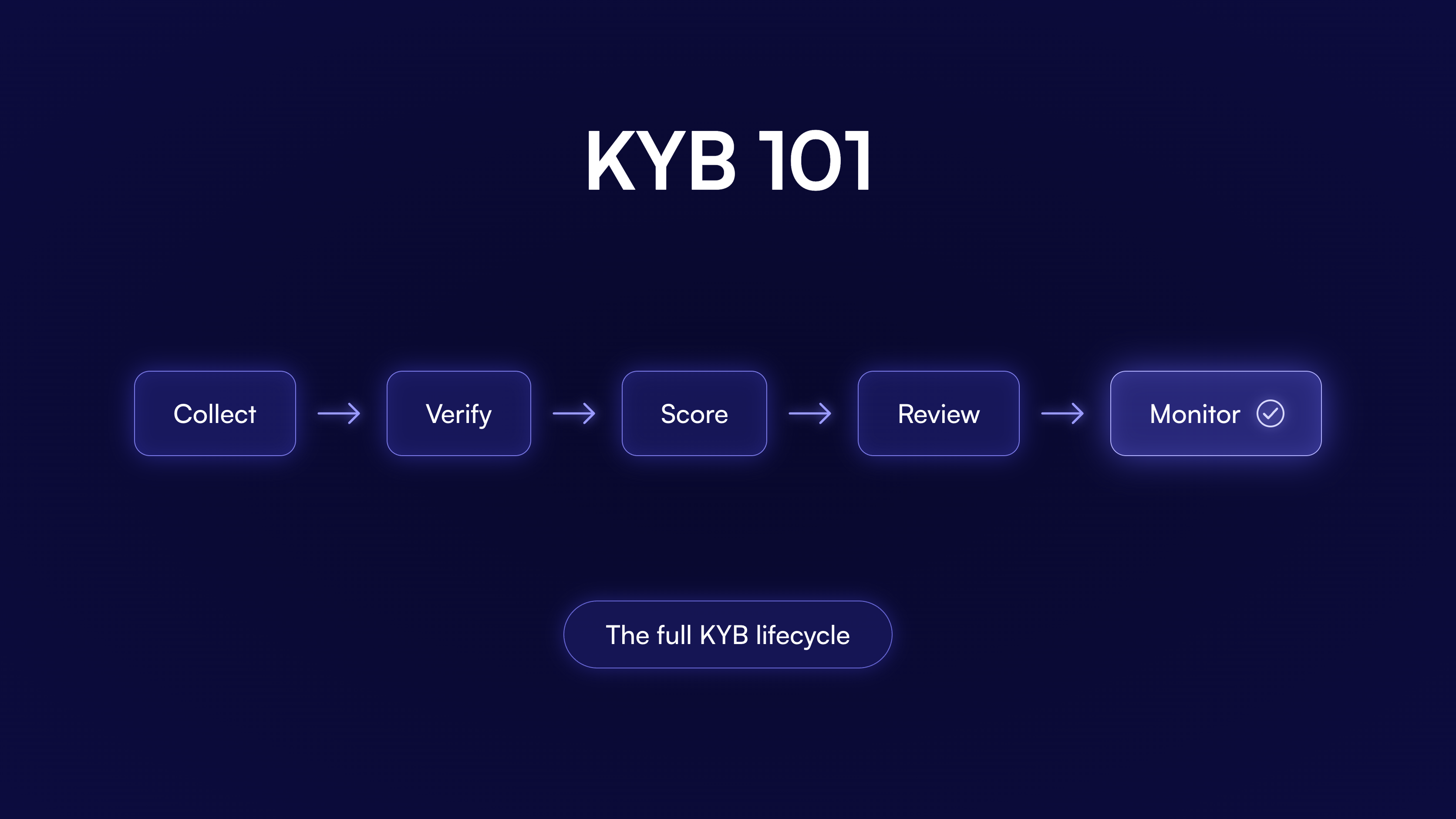
What Know Your Business means, what a KYB check verifies, the five stages of the KYB lifecycle, and how verification works in 2026.

Chaitanya Sarda

4 min read

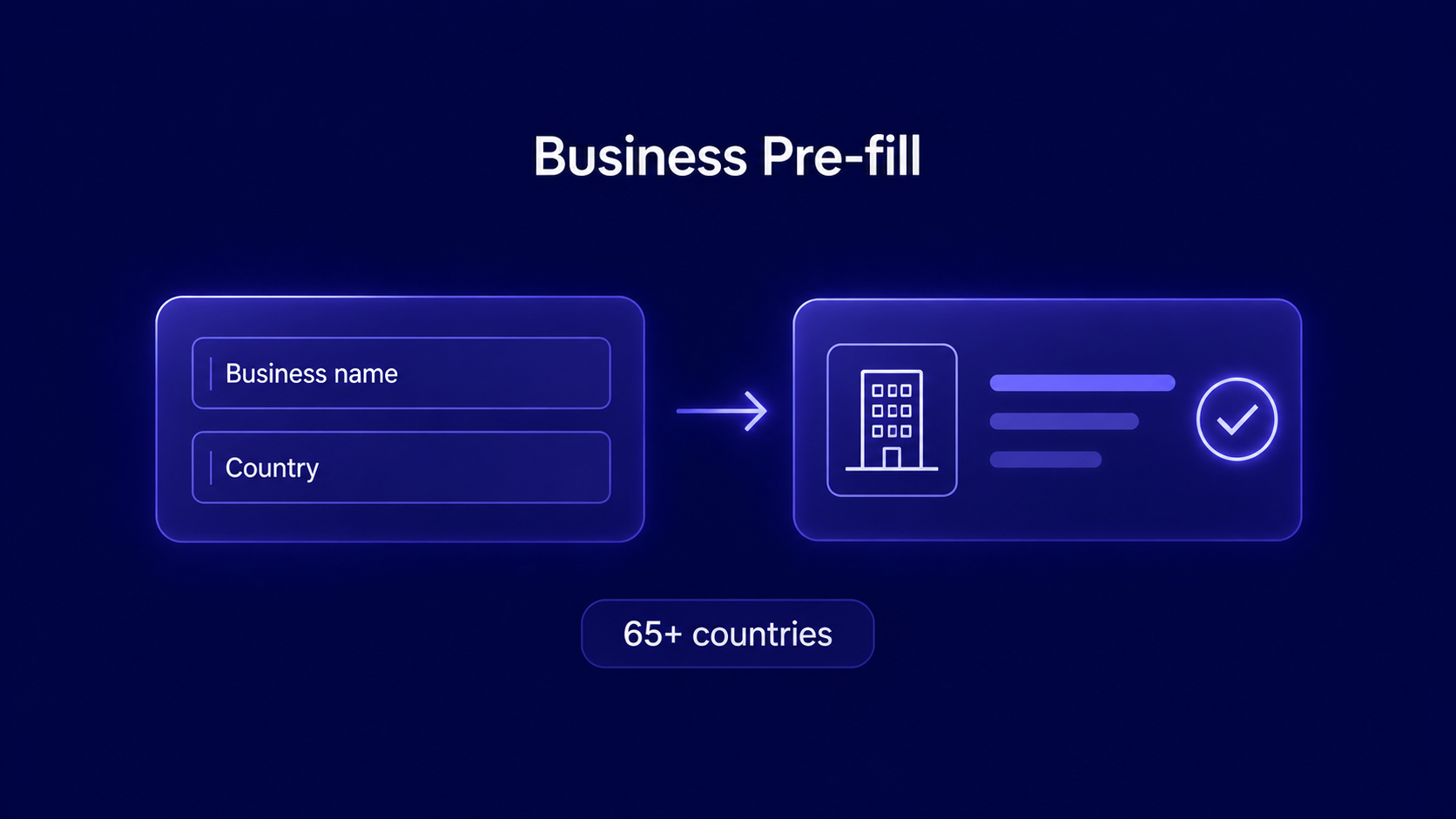
Introducing Business Pre-fill: Onboard Businesses in 65+ Countries With Just Two Fields

AiPrise launches Business Pre-fill: applicants enter a business name and country, and AiPrise fills the rest of the application from official registry records across 65+ countries.

Chaitanya Sarda

6 min read

I Did KYB 27 Times Before My KYB Company Turned One

Business verification is hiding in plain sight. A founder's count of every time a young startup gets asked to prove it's a real business.

Image depicting smurfing process

AiPrise

What Is Smurfing in Money Laundering? A Complete Guide

Learn what smurfing is, how it works in money laundering schemes, common red flags, and why detecting suspicious transaction patterns matters.

Illustration depicting structuring

AiPrise

What Is Structuring in AML? A Complete Guide

Learn what structuring is, how it works, why it matters for AML compliance, and the steps organizations can take to detect and prevent it.

Title image for KYC Vs KYC

AiPrise

KYB vs. KYC: Key Differences & How to Stay Compliant

Learn the main differences between Know Your Business (KYB) and Know Your Customer (KYC) regulations, compliance, requirements, and processes.

feature image for KYB compliance

AiPrise

KYB Compliance: 2026 Regulations You Should Know About

As organizations expand globally and face tighter regulations, adherence to Know Your Business (KYB) standards has become one of the most critical compliance layers for fintech, online marketplaces, and other companies that need to verify business customers before letting them perform financial transactions.

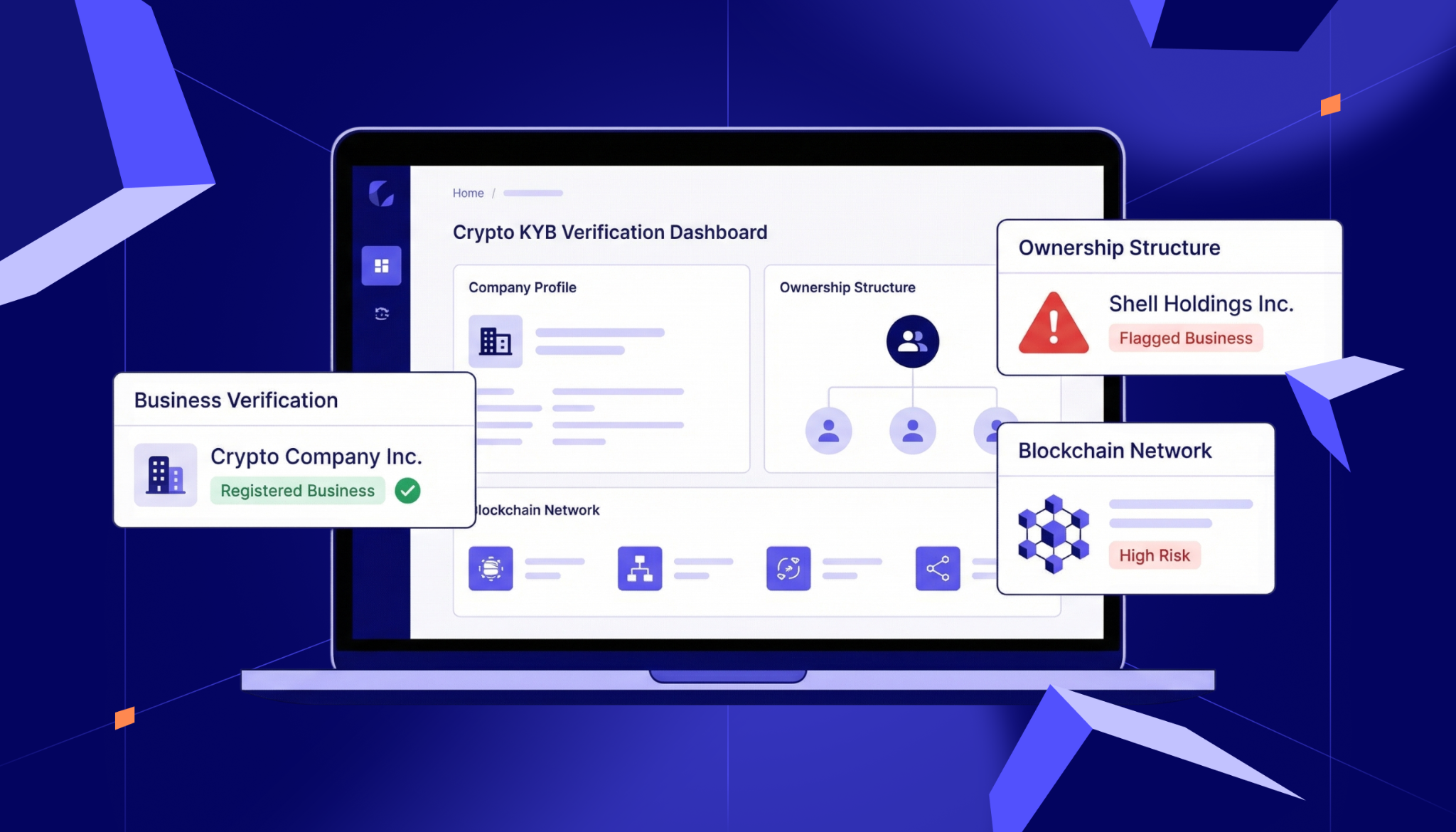
laptop running a KYB software for crypto

AiPrise

KYB for Crypto: How to Verify Businesses and Reduce Risk

Crypto removes traditional intermediaries from financial transactions, but it doesn’t remove risk. If anything, it attracts it.

Visual representation or automated Know Your Customer (KYC)

AiPrise

The Complete Guide to KYC Automation for Faster, Compliant Onboarding

Every customer your compliance team verifies manually is time and money lost to document chasing and follow-up emails. And it adds up faster than most teams expect.

AiPrise

5 min read

What FinCEN’s Proposed Rule Really Means for AI in KYB and AML

AiPrise

10 min read

Top 10 AML and Identity Verification APIs for Compliance in 2026

Explore the top 10 aml and identity verification APIs in 2026 for compliance. Compare features, pricing, and use cases to choose the API for your business.

AiPrise

12 min read

Theft & Identity Fraud Trends in 2026: What You Must Watch

Identity fraud trends in 2026 reveal credit card fraud dominance and AI-driven deepfakes. Learn key preventive measures and protect yourself today!

AiPrise

8 min read

Address Fraud Detection: Best Practices for Fintech & Banks

Strengthen onboarding with address fraud detection best practices for fintech and banks. Prevent identity fraud, reduce risk, and meet compliance standards.

Top 5 KYB Providers with AI for Faster Business Verification

AiPrise

Top 5 KYB Providers with AI for Faster Business Verification

Discover the top 5 KYB Providers with AI enabling faster business verification, smarter risk checks, seamless onboarding, and compliance-ready decisions today.

Anti-Money Laundering Compliance: Proven Strategies for 2026

AiPrise

9 min read

Anti-Money Laundering Compliance: Proven Strategies for 2026

Anti-money laundering compliance in 2026 made practical. Learn proven strategies to detect risk, meet regulations, and protect business from financial crime.

AiPrise

11 min read

Deepfake Detection vs. Liveness Checks in Modern Security

See how Financial institutions and crypto platforms safeguard the onboarding process by implementing deepfake detection vs liveness checks to ensure compliance.

AiPrise

9 min read

Identity Verification Match Rates and Metrics Explained

Understand identity verification match rates, key metrics, and benchmarks that impact approval accuracy, fraud risk, and onboarding decisions that matter.

Requirements for AML AI in Banking: The Ultimate Guide You Can't Miss

AiPrise

14 min read

Requirements for AML AI in Banking: The Ultimate Guide You Cannot Miss

Explore the requirements for AML AI in banking. Discover how banks apply AI across KYC, monitoring, and SARs to strengthen compliance and reduce alert overload.

AiPrise

9 min read

Visa Cross Border Payments: What Fintechs Must Get Right

Visa cross-border payments explained for fintechs. Learn what must work across compliance, FX, speed, and security to scale card payments without friction today

Top Cross-Border Payments Companies for Compliant Global Transfers

AiPrise

10 min read

Top Cross Border Payments Companies for Compliant Global Transfers

Explore top cross-border payments companies enabling compliant global transfers. Compare features, coverage, pricing, and compliance fit to choose the provider

6 Types of Sanctions in KYC You Must Know to Avoid Penalties

AiPrise

11 min read

6 Types of Sanctions in KYC You Must Know to Avoid Penalties

Click now to understand types of sanctions in KYC, what triggers them, and how failures lead to fines and bans. Read now to stay compliant.

Visual representation of crypto KYC compliance steps

AiPrise

11 min read

Top KYC Providers for Crypto Companies in 2026 (Compared)

Compare the top 5 crypto KYC companies. Review their capabilities to find the crypto KYC provider that fits your compliance needs in 2026.

Top 7 KYC solutions

AiPrise

16 min read

Top 7 KYC Solutions in 2026 for Faster, Compliant Onboarding

Identity verification and compliance checks can be a bottleneck for companies that want to onboard customers at scale.

6 Key AML Use Cases Powered by AI in 2026

AiPrise

13 min read

6 Key AML Use Cases Powered by AI in 2026

Explore how AI is transforming AML compliance in 2026. Learn about key use cases in transaction monitoring, fraud detection, and KYC with AiPrise AI solutions.

Top 8 Liveness Detection Tools for Customer Onboarding in 2026

AiPrise

12 min read

Top 8 Liveness Detection Tools for Customer Onboarding in 2026

Understand how liveness detection works, why it matters, and which tools offer the strongest protection against spoofing and deepfake attacks.

AiPrise

9 min read

What Is a PEP Review? Screening Process, Challenges and Best Practices

Learn what a PEP review is, how PEP screening works, common challenges compliance teams face, and best practices for managing political exposure risk.

AiPrise

11 min read

Top 8 Stablecoin Fraud Detection Tools and How They Compare

Discover the top tools for stablecoin fraud detection, with insights on monitoring suspicious transactions, wallet risk scoring, and cross-chain analysis.

AI-Powered Fraud Detection in Payments: 2026 Trends

AiPrise

18 min read

AI Powered Fraud Detection in Payments: 2026 Trends

Explore 2025 trends in AI-powered fraud detection for enterprise payment software. Optimize defenses against threats like synthetic identities. Discover solutions today!

Liveness Detection Framework Guide for Secure Identity Verification

AiPrise

12 min read

Liveness Detection Framework Guide for Secure Identity Verification

Understand the liveness detection framework, key liveness detection types, and benefits for fraud prevention, secure onboarding, and compliance in 2026.

Automated KYC verification vs manual process explained with pros, costs, speed, accuracy, and which approach scales best for modern businesses today for teams.

AiPrise

11 min read

Automated KYC Verification vs Manual Process Explained

Automated KYC verification vs manual process explained with pros, costs, speed, accuracy, and which approach scales best for modern businesses today for teams.

Comprehensive Guide To Sanctions Checks For Compliance

Antoine

11 min read

Comprehensive Guide To Sanctions Checks For Compliance

Understand sanction check 5, a process of screening individuals against global watchlists, and its benefits for safer onboarding.

AiPrise

13 min read

10 AML Typologies Every Bank Needs to Know in 2026

Discover the top 10 AML typologies for 2026. Learn how banks, fintechs, and payment processors can detect, prevent, and respond to money laundering effectively.

Top 10 Financial Compliance Challenges Businesses Face in 2026

AiPrise

14 min read

Top 10 Financial Compliance Challenges Businesses Face in 2026

Learn the top financial compliance challenges businesses face in 2025–26, including regulation changes and security risks.

Guide to Understanding Fraud Detection Rules

AiPrise

17 min read

Guide to Understanding Fraud Detection Rules

See how fraud detection rules protect and automate real-time fraud prevention. Customize your approach with adaptable and effective solutions now.

How KYC AML Blockchain Protocols Can Transform Compliance in 2026

AiPrise

10 min read

How KYC AML Blockchain Protocols Can Transform Compliance in 2026

Discover how KYC AML blockchain protocols help banks and fintechs streamline identity verification, detect fraud, and stay compliant in 2026.

A Complete Guide to AML Regulations in Real Estate for 2026

AiPrise

13 min read

A Complete Guide to AML Regulations in Real Estate for 2026

Learn key AML real estate rules, risks, and best practices for 2026 to prevent money laundering, stay compliant, and protect your business.

AiPrise

13 min read

Top 10 KYC Failure Reasons and Their Solutions for 2025-26

Overcome KYC failure with key solutions to fake documents, manual processes, and poor data. Streamline with effective tools now! Click to enhance your KYC.

AiPrise

15 min read

The 15 Most Crypto-Friendly Countries in 2026

Explore the 15 most crypto-friendly countries in 2026, with insights on regulation, taxation, banking access, and growth opportunities.

AiPrise

7mins

CurrencyFair places its trust in AiPrise for onboarding and fraud controls

A Complete Guide to Money Laundering Scams in 2026

AiPrise

12 min read

A Complete Guide to Money Laundering Scams in 2026

Learn how money laundering scams work in 2026, from money mules and crypto fraud to real estate and online payment abuse, plus prevention strategies.

AiPrise

10 mins

AiPrise Monthly Review November 2025

AiPrise November Newsletter

Deepfake Selfie Verification in Identity Checks

AiPrise

10 min read

Deepfake Selfie Verification in Identity Checks

Deepfake selfie verification detects manipulated facial images, prevents identity fraud in onboarding, improves KYC accuracy, and speeds identity checks now.

AiPrise

9 min read

Compliance in Business in Singapore: What’s Changing

Business in Singapore: Learn key compliance changes, regulatory updates, and practical steps to keep your company compliant and ready, and reduce legal risk.

How to Check a UAE Company’s Trade License Online

AiPrise

9 min read

How to Check a UAE Company’s Trade License Online

Learn how to check trade license online in the UAE: step-by-step guide to verify company status, expiry, and license details quickly and securely from anywhere

10 min read

Online Banking Frauds Exposed With Proven Prevention Tips

Stay safe from online banking fraud. Avoid phishing, fake apps, and unauthorized access. Implement MFA, verify transfers. Protect your funds now!

AI-Powered Enhanced Due Diligence for Risk Management

AiPrise

9 min read

AI Powered Enhanced Due Diligence for Risk Management

Discover how AI-powered enhanced due diligence helps businesses reduce risk, ensure compliance, detect suspicious activity, and improve operational efficiency.

Fintech Fraud Prevention: Effective Strategies and Solutions

AiPrise

10 min read

Fintech Fraud Prevention: Effective Strategies and Solutions

Explore effective fintech fraud prevention strategies and solutions to safeguard your financial transactions and protect your business from cyber threats.

Recognizing Common Banking and AML Red Flags

Recognizing Common Banking and AML Red Flags

Spot banking red flags fast: learn key AML warning signs, suspicious behaviors, and practical steps to detect and report risky accounts and transactions today.

What Is Remediation in Banking and Its Process

AiPrise

12 min read

What Is Remediation in Banking and Its Process

What is remediation in banking? Understand the process, roles, and best practices to fix compliance gaps, restore controls, and protect customer trust now.

AiPrise

10 mins

AiPrise Monthly Review October 2025

AiPrise October Newsletter

AiPrise

10 mins

AiPrise Monthly Review September 2025

AiPrise September Newsletter

AiPrise

10 mins

AiPrise Monthly Review August 2025

AiPrise August Newsletter

AiPrise

8 min read

How Consent Orders Guide Stronger Banking Compliance Systems

Consent order banking strengthens compliance by enforcing stricter controls, improving oversight, and driving transparency across financial institutions.

Optimizing KYC Verification with Blockchain Technology

AiPrise

10 min read

Optimizing KYC Verification with Blockchain Technology

Explore how KYC blockchain whitepapers outline secure, reusable identity systems. Learn benefits, challenges, and real-world applications of blockchain KYC.

Comprehensive Guide to AML Transaction Monitoring Scenarios

AiPrise

7 min read

Comprehensive Guide to AML Transaction Monitoring Scenarios

Identify key AML transaction monitoring scenarios and enhance your compliance with tailored strategies. Reduce false positives, adapt to risks. Click now!

KYC workflow flowchart to help businesses stay compliant

AiPrise

11 min read

How to Build a KYB and KYC Workflow for Compliance

Need to standardize your KYC and KYB processes and make onboarding simpler? Check out our guide on how to build effective KYB and KYC workflows.

A Guide to Crypto Cleansing and Money Laundering

AiPrise

12 min read

A Guide to Crypto Cleansing and Money Laundering

Learn how crypto cleansing helps you secure your crypto portfolio. Take action now for safer, more compliant digital transactions.

Comprehensive Guide to Embedded Banking and  Finance

AiPrise

12 min read

Comprehensive Guide to Embedded Banking and Finance

Discover embedded banking examples that boost trust and conversions. Learn actionable strategies to improve your customer experience and grow your business.

risk based financing

AiPrise

10 min read

Understanding Risk Based Lending and Pricing

Uncover risk based financing: impact on loan terms, credit score role, and borrower strategies. Learn how to secure better terms now!

business in thailand

AiPrise

13 min read

A Complete Guide to Starting a Business in Thailand

Register your business in Thailand efficiently! Explore the new DBD Biz Regist system, digital identity verification, and online signature benefits. Act now!

Key Components of BSA/AML Risk Assessment

AiPrise

12 min read

Key Components of BSA AML Risk Assessment

Uncover the 3 fundamental components of risk assessment BSA. Enhance compliance by identifying inherent risks and developing mitigation strategies. Dive in!

Anti-Money Laundering and Procurement Risk in Insurance Sector

AiPrise

13 min read

Anti Money Laundering and Procurement Risk in Insurance Sector

Discover how the insurance industry can mitigate money laundering risks through AML strategies, effective procurement practices, and advanced fraud detection.

Understanding Web3 KYC for Secure Online Identity

AiPrise

10 min read

Understanding Web3 KYC for Secure Online Identity

Explore the importance of Web3 KYC in securing online identities, ensuring compliance, and how decentralized technologies are transforming identity verification.

AiPrise

5 mins

Announcing our 12.5M Series A for AI powered Global Compliance

Rethinking global compliance and building next generation compliance platform

AiPrise

5 mins

AiPrise and Unit21 Partner to Close the Gap Between Onboarding and Continuous Risk Monitoring

AiPrise and Unit21 today announce a strategic partnership designed to close a key gap in financial risk management: the disconnect between customer onboarding and ongoing monitoring.

top 10 employee frauds

AiPrise

10 min read

Top 10 Employee Frauds and Prevention Strategies

Discover the top 10 employee frauds and effective prevention strategies. Protect your business with regular audits, segregation duties, and monitoring systems. Click to safeguard your assets now!

deepfake lega

AiPrise

10 min read

Understanding Deepfake Legal Implications and Actions

Understand deepfake legal implications, address defamation, and stay informed on federal and state laws. Seek legal advice now!

phone number identity verification

AiPrise

10 min read

Phone Number Identity Verification: Is Your Business Protected?

Use phone number identity verification to prevent fraud, secure transactions, and increase trust. Verify customer identities quickly and confidently today.

The importance of KYC and AML for crypto exchanges

AiPrise

10 min read

Importance of KYC and AML for Crypto Exchanges

Learn the importance of KYC and AML for crypto exchanges to prevent fraud, ensure regulatory compliance, and build trust with users and investors worldwide.

globe covered by business and owner connections to represent the verification process

AiPrise

11 min read

8 of the Best KYB Software Providers in 2026

Compliance doesn’t just fail when someone skips an ID check. The cracks start to form when a business looks legitimate on the surface but isn’t.

Online Marketplace Risks and Prevention Strategies

AiPrise

9 min read

Online Marketplace Risks and Prevention Strategies

Learn how to protect your online marketplace from risks like fraud, counterfeit goods, and data breaches with effective prevention strategies.

biggest money laundering cases

AiPrise

9 min read

The Biggest Money Laundering Cases in History

Explore the biggest money laundering cases in history and the lessons they offer. Read more now!

Understanding Digital Identity and How It Works

AiPrise

11 min read

Understanding Digital Identity and How It Works

Understand what a digital identity is, how it works, its risks, and ways to protect it with smart verification and security practices.

Anti-Money Laundering Directive: Key Changes and Compliance

AiPrise

7 min read

6th Anti Money Laundering Directive: Key Changes and Compliance

Explore the key changes in the 6AMLD: expanded money laundering definitions, corporate liability, and enhanced penalties. Ensure compliance now!

AiPrise

12 min read

Fraud and Money Laundering: Key Differences and Connections

Unveil how fraud and money laundering differ and connect. Explore impacts, tech roles, and strategies. Prevent financial crime today!

Best Practices for Merchant Verification

AiPrise

10 min read

Best Practices for Merchant Verification

Boost trust and prevent fraud with effective merchant verification. Comply with regulations, streamline processes with AI, and enhance security. Click to secure your business today!

Understanding KYC Verification Safety and Prevention Steps

AiPrise

10 min read

Understanding KYC Verification Safety and Prevention Steps

Is KYC verification safe? Explore data safety, regulatory compliance, phishing scams, and prevention steps. Protect your identity today!

singapore crypto license requirements

AiPrise

6 min read

Singapore Crypto License Requirements: A Complete Guide

Learn about the latest Singapore crypto license requirements. Find out what the capital requirements and application processes are for crypto businesses.

digital asset anti-money laundering act

AiPrise

7 min read

Understanding the Digital Asset Anti-Money Laundering Act 2023

Learn about the Digital Asset Anti-Money Laundering Act 2023. Understand its key provisions and how they impact compliance for digital asset businesses.

AiPrise

9 min read

How to Detect Fraudulent Documents in KYB Verification

Boost your business compliance by detecting fraudulent documents in KYB. Use AI tools, cross-check registrations, and implement risk assessment. Upgrade your KYB processes today!

online identity verification methods

AiPrise

10 min read

Online Identity Verification Methods: 7 Different Types

Find out the most effective online identity verification methods. Explore how different methods work and choose the best verification option for your business.

income verification documents

AiPrise

9 min read

Income Verification Documents: What You Need to Know

Learn about different income verification documents for compliance. Get a complete guide on income requirements, processes, and common mistakes to avoid.

UK mica

AiPrise

8 min read

Understanding UK Crypto Regulations After MiCA

Stay compliant with UK crypto regulations and avoid costly penalties. Learn about key updates and how MiCA influences UK laws for crypto firms.

money laundering detection

AiPrise

9 min read

Methods for Effective Money Laundering Detection

Stay compliant and reduce fraud risk by learning money laundering detection techniques, identifying red flags, and applying AML best practices.

AiPrise

8 mins read

What is Ongoing Monitoring? Types and Tips to Implement

Find out what ongoing monitoring is and why it's essential for compliance. Get a complete guide to implement effective continuous screening processes.

AiPrise

7 mins read

Fraud Detection and Prevention Strategies in Banking

Explore key AI innovations and real-time monitoring in fraud prevention for banks. Enhance security with behavior analytics. Stay compliant!

AiPrise

8 mins read

What is a Verification Check? Types, Process, and Benefits

Find out what verification checks involve, and how they work. Get a complete guide to verification processes, their types, benefits, and common challenges.

AiPrise

6 mins read

Understanding Fraud: Patterns and Prevention Strategies

Understand fraud behavior patterns and explore strategies to prevent fraud effectively. Ensure your business stays secure with actionable tips and insights.

AML fines examples

AiPrise

9 mins read

AML Fines Explained: Key Facts and Examples

Explore AML fines, which industries may face enforcement actions, notable case examples, and ways organizations can strengthen compliance and reduce regulatory risk.

AiPrise

4 mins read

Benefits and Challenges of Facial Recognition Technology

Discover the top benefits of facial recognition for banking and payments: stronger security, fraud prevention, compliance, and better customer trust.

AiPrise

12 mins read

How to Identify Fake IDs?

Identify bad fake IDs with tips on checking holograms, spelling errors, and card quality. Stay vigilant with ID scanners. Enhance security now!

Visual representation of screening clients for AML laws

AiPrise

5 mins read

What Is Customer Screening in AML, and Why Does It Matter in 2026?

Customer screening is the foundation of AML compliance. This guide covers the key components and best practices you need to screen effectively.

AiPrise

6

Microstructuring: Challenges in AML Compliance

Microstructuring threatens AML compliance. Discover key red flags and strategies to detect and prevent it, protecting your business from financial crime.

AiPrise

6

How KYC Is Done In Banks: A Step by Step Guide

Understand how KYC is done in banks through identity checks, risk profiling, and monitoring. Learn how AI and ML improve efficiency in compliance.

AiPrise’s data coverage and AI agents were the deciding factors for us. They’ve made our onboarding 80% faster. It is also a very intuitive platform.

Testimonial Company logo Bridge

Head of Operations