

AiPrise
7 min read
June 17, 2026
Implementing Global KYC Compliance: Best Practices

Key Takeaways

For many businesses, global KYC requirements create operational friction. Fragmented regulations, varying identity verification standards across countries, and sophisticated fraud attempts make customer verification slow, costly, and risky.
The threat landscape has also shifted dramatically; recent data indicates that nearly three-quarters of all fraud incidents are now driven by unauthorized-party activities, such as credential theft and account takeovers. This surge highlights the rising scale of digital identity threats and the urgent need for more adaptive verification frameworks.
Instead of approaching compliance as a checklist exercise, businesses need a structured KYC strategy to prevent fraud in the current landscape. The following best practices help organizations strengthen compliance, reduce fraud exposure, and build a scalable global KYC framework.
Key Takeaways
- Global KYC compliance is the process businesses use to verify customer identities, assess risk, and monitor financial activity across different countries.
- KYC requirements vary by region, with businesses needing to follow local and international regulations, sanctions rules, and AML requirements.
- Strong KYC practices include identity verification, risk assessments, and ongoing transaction monitoring.
What Is KYC Compliance?
Know Your Customer (KYC) compliance is the process businesses use to verify customer identities, especially when operating across multiple countries. Global businesses use KYC to:
- Confirm customers are who they claim to be
- Identify high-risk individuals or businesses
- Monitor transactions for suspicious activity
Strong KYC practices help companies avoid penalties, maintain customer trust, and manage cross-border business relationships more securely.
The Three Pillars of KYC Compliance
KYC compliance comes with three critical elements that are essential for maintaining regulatory compliance and safeguarding your business.
Customer Identification Program (CIP)
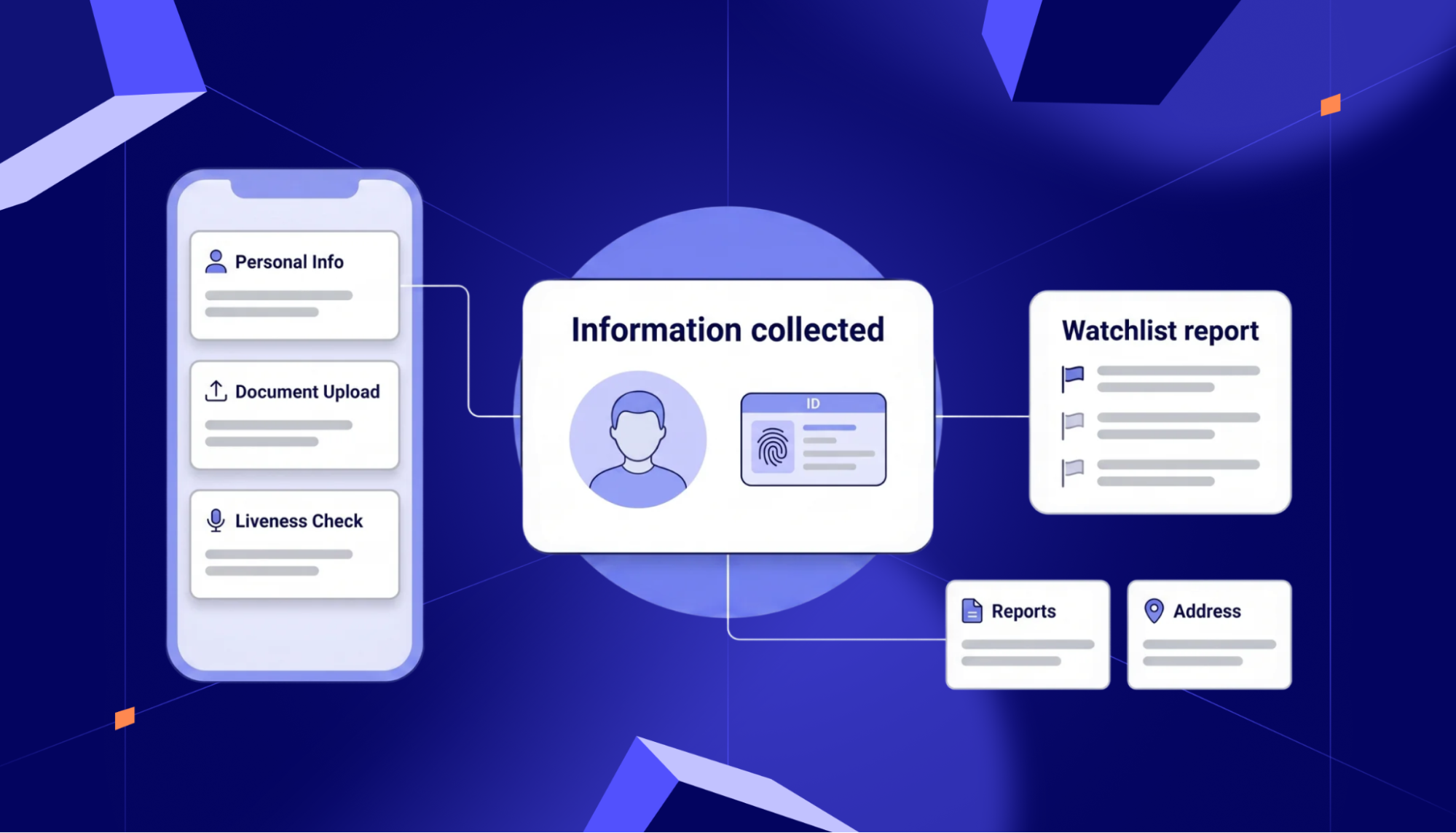
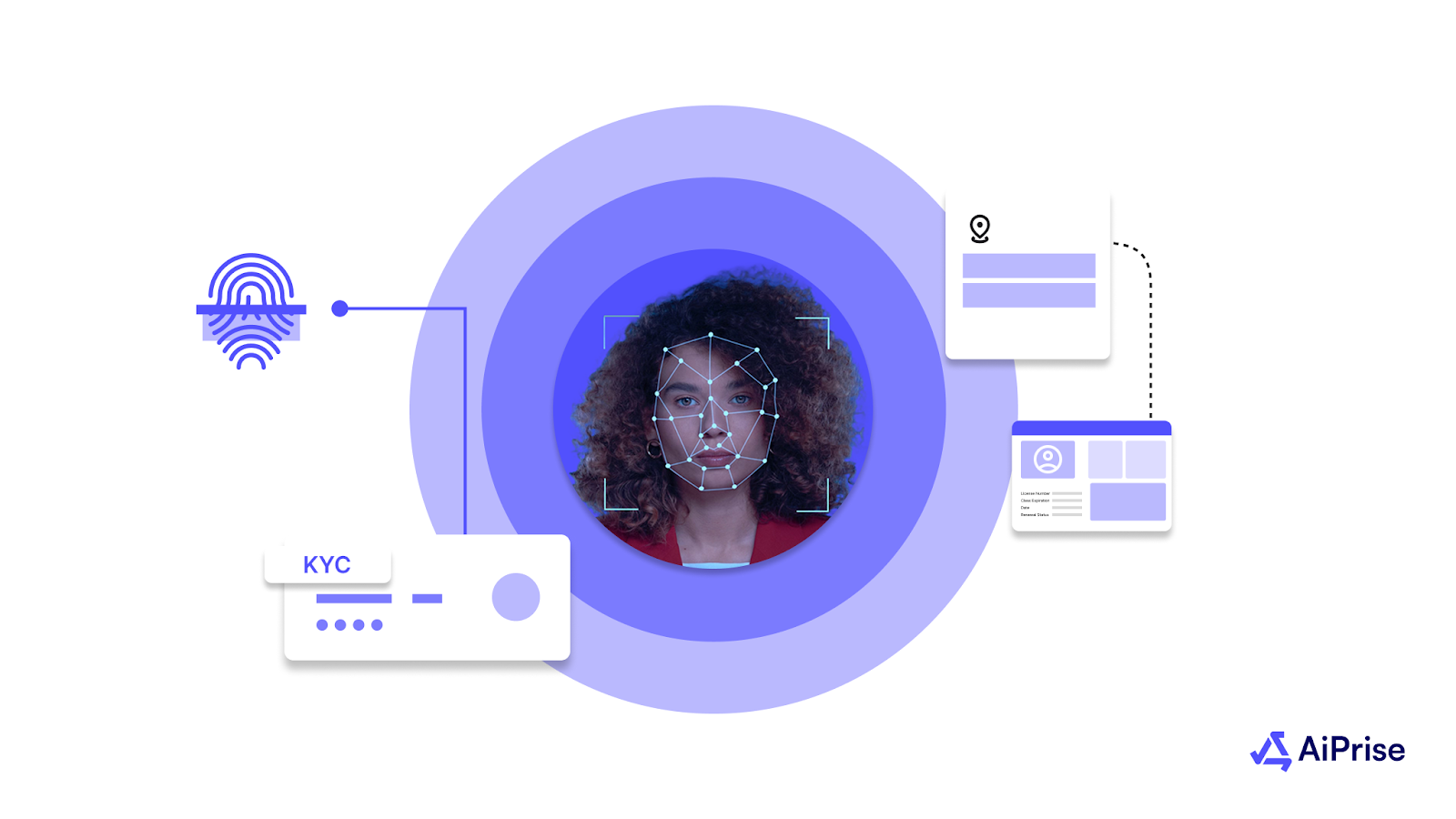
The first step in the KYC program is the CIP. When a new client joins, verify their identity by collecting personal information such as name, address, and government-issued documents like a passport or driver's license.
You may also want to screen customers against sanctions lists, politically exposed persons (PEP) lists, and other high-risk watchlists.
In some cases, businesses also use non-document verification methods to confirm identities. This can include biometric checks, facial recognition, and database checks.
Customer Due Diligence (CDD)
CDD can help you assess a customer's risk level. Here, you can gather more in-depth information based on the customer's profile, such as their business activities, transaction history, and geographic location. You may consider enhanced due diligence (EDD) for high-risk customers to scrutinize their activities further.
Ongoing Monitoring
KYC compliance doesn't stop at onboarding. Ongoing monitoring ensures customer transactions are continually assessed for suspicious or unusual activities. Regular updates and reviews help businesses identify potential risks that may emerge over time, allowing them to take prompt action when necessary.
Alright, we've set the stage with the basics of KYC. Now, let's dive into the steps to make you a compliance rockstar globally!
What Best Practices Should Businesses Follow for Global KYC Compliance?
Financial threats and regulations are increasing, so organizations must adopt comprehensive strategies to ensure they meet legal requirements and protect their assets and reputations. The following best practices enable businesses to manage risks effectively and comply with regulators.
Align KYC Programs With Global and Local Regulatory Requirements
Global KYC compliance begins with knowing which rules apply in the countries where you operate. Regulations differ by region, so your process should be flexible enough to meet local requirements while staying consistent globally.
Key actions:
- Identify the main regulations that apply to your business markets. For example, U.S. companies follow the USA PATRIOT Act, while EU firms follow AML Directives.
- Define what customer information you want to collect in each region. So, U.S. onboarding may require SSN verification, while other countries may need national ID numbers.
- Adjust onboarding checks based on local compliance expectations. Some jurisdictions require beneficial ownership verification for businesses.
- Create clear internal KYC guidelines for teams to follow and assign a person or team responsible for tracking regulatory updates. For example, only compliance teams review rule changes and update onboarding workflows.
- Review and update KYC policies regularly to avoid compliance gaps.
Conduct A Risk Assessment
Building your business around the work requires a thorough risk assessment to establish an effective global KYC compliance framework. This process involves identifying, analyzing, and prioritizing risks specific to your business and your markets.
Key actions:
- Review the types of transactions your business handles. For example, high-value international transfers may require stricter monitoring than low-risk local payments.
- Assess customer profiles and industries to identify higher-risk groups. Customers from regulated industries like online gaming or casinos may need EDD checks.
- Research the political and economic conditions in the countries where you operate. Markets with high corruption or financial instability may increase compliance risks.
- Understand local AML and KYC enforcement standards in each region. Some countries have stricter reporting and verification requirements than others.
- Prioritize risks based on their potential impact and likelihood. Focus more resources on areas that could lead to financial losses, fraud, or reputational damage.
- Update risk assessments regularly as customer behavior, regulations, and market conditions change.
Establish A Centralized KYC Framework
Creating a centralized KYC framework is important to ensure consistency and efficiency in compliance efforts. A well-structured framework provides a foundation for managing customer information, assessing risks, and maintaining regulatory compliance across the organization.
Key actions:
- Maintain a single source of truth for customer data so teams can access the same and updated information across regions.
- Standardize onboarding procedures to ensure all customers go through consistent verification and screening steps.
- Define clear ownership for compliance tasks, such as who handles onboarding reviews, risk checks, and regulatory updates.
- Centralize risk assessments to apply consistent risk scoring and due diligence standards across the business.
- Use integrated KYC technology to automate identity verification, sanctions screening, and ongoing monitoring processes.
Train Teams and Build Compliance Awareness
Implementing a KYC process without training will not yield full results. So, it is crucial to ensure that all employees understand their roles in the KYC process and the importance of compliance.
Key actions:
- Provide role-specific KYC training so employees understand the checks and responsibilities relevant to their work. For example, onboarding teams may focus on identity verification, while compliance teams handle risk reviews.
- Use real-world examples and case studies to help staff identify suspicious activity and apply KYC procedures more effectively.
- Keep employees updated on changing KYC and AML regulations across different regions where your business operates.
- Create clear internal reporting processes so staff know how to escalate suspicious transactions or compliance concerns.
- Encourage leadership teams to promote accountability and make compliance part of everyday operations.
- Schedule regular refresher training to reinforce best practices and reduce the risk of compliance gaps.
Strengthen Monitoring and Reporting Controls
You need a systematic and strong monitoring and reporting system to maintain global KYC compliance. These systems must be able to assess your KYC processes, detect suspicious activities, and ensure adherence to regulatory requirements.
Key actions:
- Use automated transaction monitoring systems to detect unusual activity in real time. For example, repeated high-value international transfers may trigger alerts for review.
- Review customer accounts and risk profiles regularly, especially for high-risk customers or businesses.
- Create clear alert and escalation procedures so suspicious activity is investigated by the right teams quickly.
- Combine transaction data, customer information, and external watchlists into one system to improve risk visibility and identify unusual patterns more easily.
- Use dashboards and reporting tools to track KYC performance metrics, such as flagged transactions, review times, and onboarding completion rates.
- Conduct regular internal audits to identify gaps in monitoring processes and improve compliance controls.
- Maintain clear reporting procedures and communication channels with compliance teams, auditors, and regulators when required.
Why Automating KYC Compliance Is Essential in 2026
Manual KYC processes can be difficult to manage. Reviewing documents by hand, checking watchlists manually, and conducting repetitive risk reviews can slow onboarding, create inconsistencies, and increase the chance of human error.
How AI Helps
AI-powered KYC technology helps businesses automate these tasks while improving speed, accuracy, and scalability.
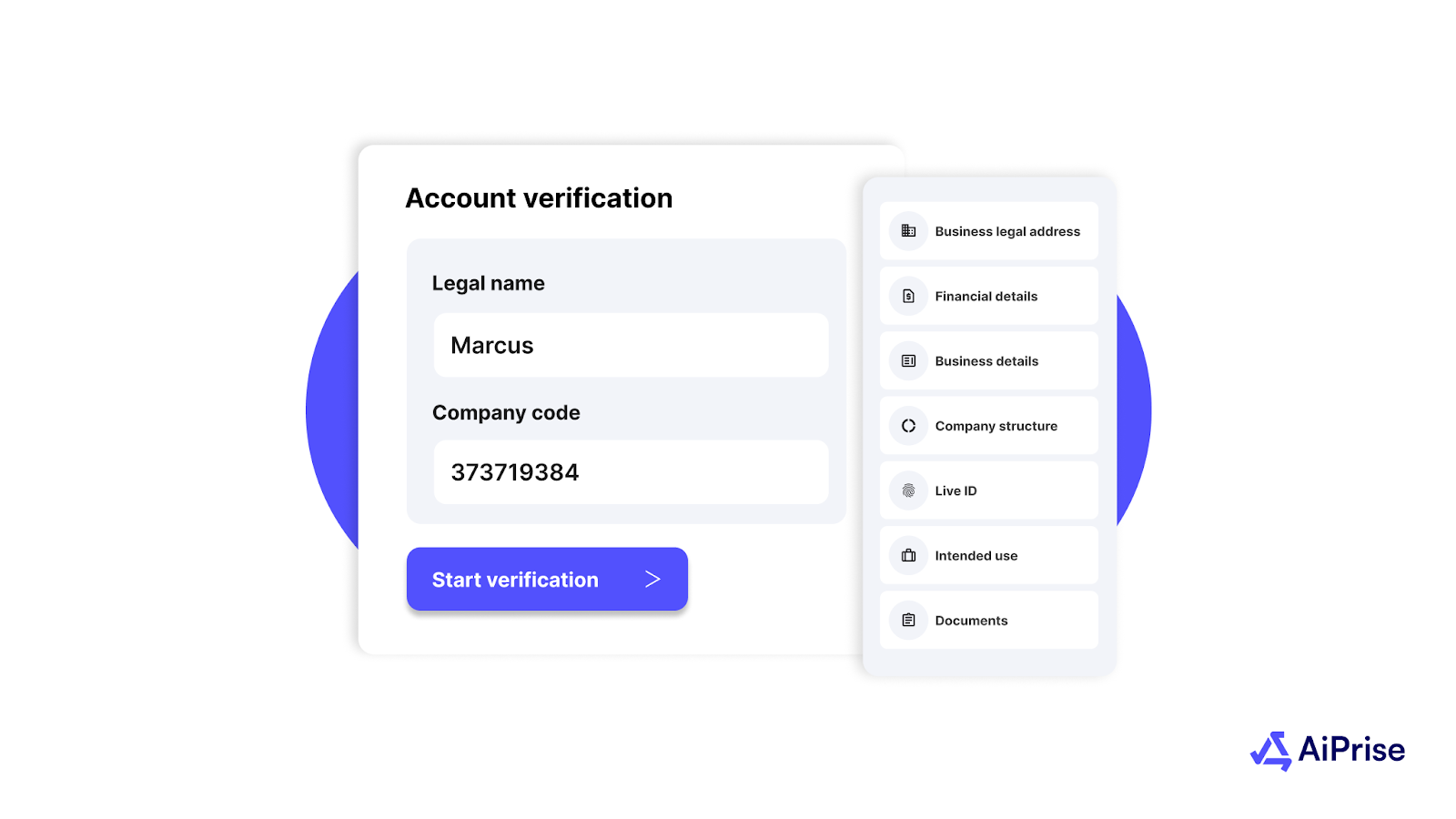
Instead of taking hours or days to verify a customer, modern platforms can complete identity checks quickly. For example, solutions like AiPrise can help businesses onboard customers in as little as 30 seconds using AI-driven verification workflows.
Modern KYC platforms can automate:
- Identity document verification
- Sanctions, PEP, and watchlist screening through real-time database checks
- Customer risk scoring based on behavior, geography, and transaction patterns
- Ongoing monitoring with instant alerts for suspicious activity
- Data extraction and validation from onboarding documents
- Compliance reporting with automated audit trails and records
How to Choose the Right KYC Technology Provider
When evaluating KYC technology providers, look for solutions that offer:
- Global regulatory coverage
- Strong verification and fraud detection capabilities
- Flexible integrations with existing systems
- Real-time monitoring and risk intelligence
- Strong data security and privacy protections
- Scalable workflows that support business growth and higher onboarding volumes
Learning More About Global KYC Compliance
If you want to follow the regulations effectively, you should know various regulations and guidelines in international organizations and national governments. Here's a closer look at key frameworks and directives shaping KYC practices worldwide.
Financial Action Task Force (FATF) Recommendations
The FATF is an intergovernmental organization that sets global standards to fight money laundering and terrorist financing. The 40th recommendations provide a comprehensive framework for countries to establish effective KYC and AML measures.
European Union's Anti-Money Laundering Directives (AMLD)
The EU has established several directives to improve its AML effort, with the AMLD series being particularly significant. The latest, the 6th AMLD, broadens the definition of money laundering and increases penalties for violations.
USA PATRIOT Act
This law became effective after the September 11 attacks. The USA PATRIOT Act aims to enhance national security and prevent terrorism financing. Financial institutions must establish a CIP to check the identity of customers opening accounts. EDD measures are compulsory for high-risk customers, particularly foreign entities.
United Kingdom
The UK follows a strong AML framework governed by the Proceeds of Crime Act (POCA) and the Money Laundering Regulations (MLRs). It includes mandatory risk assessments for businesses to identify potential money laundering risks and tailor their KYC procedures accordingly. Financial institutions must also report suspected money laundering activities to the National Crime Agency (NCA) through Suspicious Activity Reports (SARs), which is critical for improving the overall effectiveness of the UK's AML efforts.
Canada
Canada's AML framework is primarily governed by the Proceeds of Crime (Money Laundering) and Terrorist Financing Act (PCMLTFA). Financial institutions in Canada must verify clients' identities and maintain transaction records as part of their KYC obligations. Additionally, businesses need to report large transactions and suspicious activities to the Financial Transactions and Reports Analysis Centre of Canada (FINTRAC) to ensure compliance with national regulations.
India
In India, the Prevention of Money Laundering Act (PMLA) compels banks and financial institutions to carry out comprehensive KYC procedures for all customers. This includes thorough identity verification and risk assessment to prevent money laundering and terrorist financing. Financial institutions must maintain clear records and conduct periodic updates to ensure compliance and address emerging risks.
Singapore
The Monetary Authority of Singapore (MAS) mandates that financial institutions adopt stringent KYC procedures to ensure compliance with the country's anti-money laundering and counter-terrorism financing regulations. The process includes conducting CDD to verify customer identities and assess risk levels. The act also compels institutions to implement ongoing monitoring systems to detect suspicious activities and maintain up-to-date customer information throughout the business relationship.
Now that we've got our global bearings, it's time to wrap up with some future-forward thinking!
Conclusion And Future Trends In Global KYC Compliance
Following a KYC compliance framework allows you manage the complexities of the global financial landscape. These best practices can help your company to achieve compliance and streamline the business.
Many organizations are moving away from manual reviews and adopting AI-driven compliance systems. Key trends include AI-powered identity verification, biometric verification, and automated sanctions and watchlist screening.
Are you ready to enhance your KYC global compliance efforts? With access to verification data from over 200 countries, AiPrise can streamline your identity verification processes with advanced technologies and ensure regulatory compliance while safeguarding your business.
Book a free demo with our experienced team to learn more about our comprehensive solutions!
FAQs
Which industries need KYC compliance?
KYC compliance is commonly required in industries that handle financial transactions or customer onboarding, including:
- Banks and financial institutions
- Fintech companies
- Cryptocurrency platforms
- Insurance providers
- Payment processors
- Investment and trading firms
- Online gaming and gambling platforms
- Real estate businesses
What are the most important steps for global KYC?
Key steps in a global KYC process include:
- Verifying customer identities
- Assessing customer risk levels
- Screening against sanctions and watchlists
- Monitoring transactions for suspicious activity
- Keeping customer records updated across regions
How does KYC compliance differ from AML?
KYC focuses on verifying customer identities and assessing risk during onboarding. AML includes the broader processes businesses use to detect, prevent, and report suspicious financial activity.
How often should organizations update customer information to stay compliant?
Customer information needs to be reviewed regularly based on risk level and local regulations. High-risk accounts may require more frequent reviews, while lower-risk customers are often reviewed periodically or when account details change.
You might want to read these...





AiPrise
KYB Compliance: 2026 Regulations You Should Know About
As organizations expand globally and face tighter regulations, adherence to Know Your Business (KYB) standards has become one of the most critical compliance layers for fintech, online marketplaces, and other companies that need to verify business customers before letting them perform financial transactions.










.png)

.jpg)

















.png)








.png)
.png)
.png)














.png)

.png)




AiPrise’s data coverage and AI agents were the deciding factors for us. They’ve made our onboarding 80% faster. It is also a very intuitive platform.

Head of Operations



See your full compliance picture in one place
Use AI agents and global data to review businesses and users faster and more accurately
