

AiPrise
8 min read
July 15, 2026
Phone Number Verification: How It Works and Why It Matters
Key Takeaways

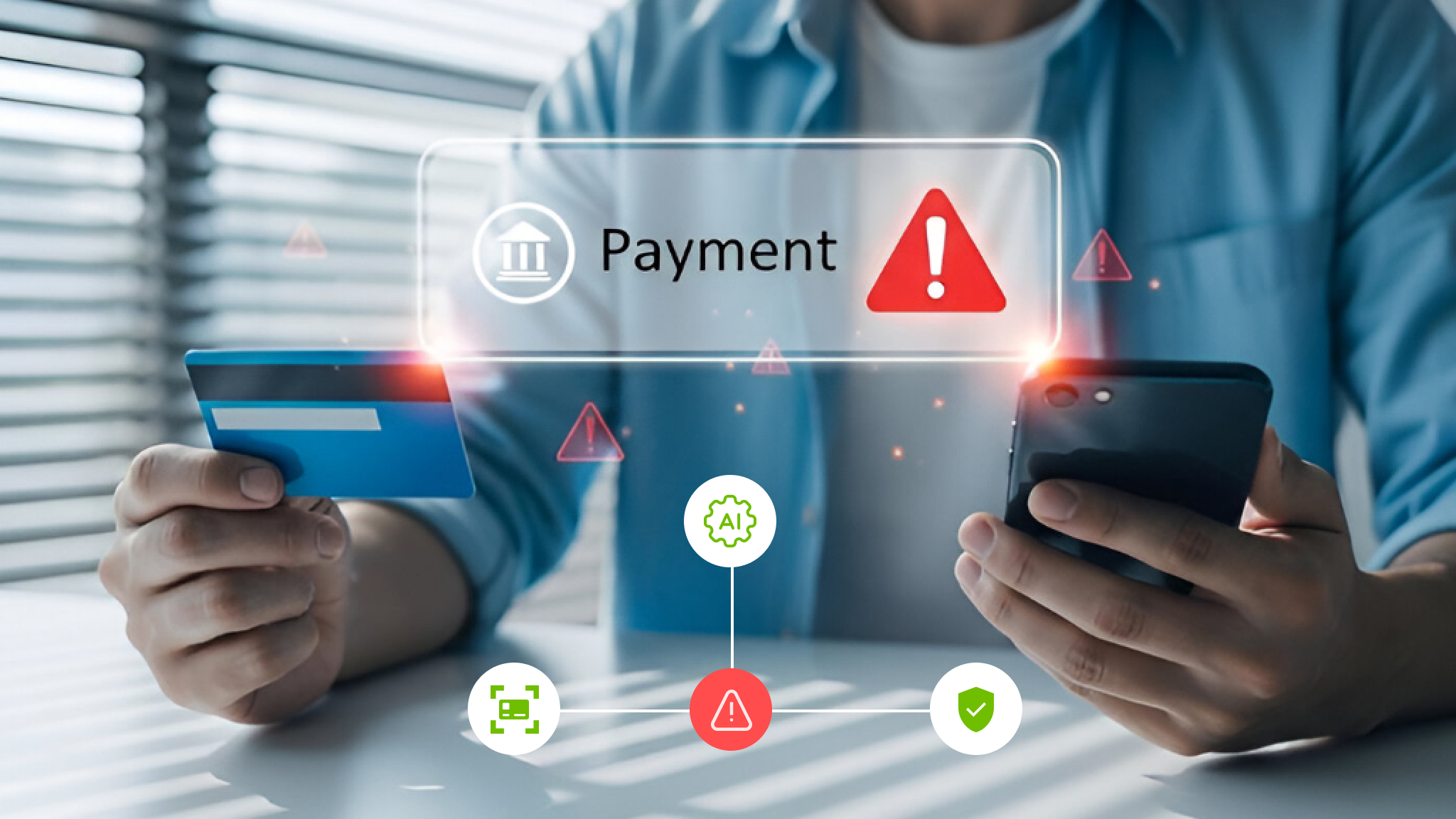
Every platform that collects phone numbers for verification purposes runs into the same problem: you need those numbers to be real, but users routinely hand over fake, disposable, or borrowed ones. The problem is that when you start scaling your user base and process thousands of signups a week across multiple countries, it becomes next to impossible to catch bad actors.
In 2025, identity fraud and scam losses totaled $38 billion and affected 36 million victims in the U.S. alone. But that’s not all. TransUnion found that 8.3% of all account-creation transactions globally are suspected to be fraudulent, which works out to roughly 1 in 12 signups. Phone numbers sit at the center of this because they’re still the most common identity touchpoint businesses rely on.
Phone number verification confirms that a number is real and belongs to the person claiming it. But to verify it properly, you need proper processes in place.
In this article, we walk through the main methods for phone number verification and what to expect from each.
Key Takeaways
- A verified phone number does two things: it confirms that someone controls the device, and it confirms that the number is active and tied to a real identity. If you don’t check both of these aspects, you’ll end up with unreliable user data.
- You can use several methods to verify phone numbers. For instance, a one-time password (OTP) confirms device access but can’t detect disposable or SIM-swapped numbers, while API-based validation can detect those signals without user input. SIM-based checks and silent authentication add stronger assurance but depend on carrier support.
- Once a phone number is verified through carrier records and identity checks, it becomes a foundational data point for KYC and KYB compliance. This means you get cleaner records for audits and a stronger regulatory standing.
- You need more than one method to verify a phone number. The strongest platforms combine OTP with API-based carrier intelligence to cover the most ground while minimizing user friction.
What Is Phone Number Verification?
Phone number verification confirms the authenticity and ownership of a phone number. A verified phone number means you can trust the contact data attached to it. Automated calls or SMS cross-verify the number and verify the user through two-factor authentication (2FA). This process ensures that the number is valid, active, and belongs to the right individual. Verification commonly starts with a system sending a one-time password (OTP) to the user’s phone via SMS or call. The user must enter the code within a specified timeframe to complete verification. Advanced methods also include using APIs that analyze phone number details, such as carrier information and validity.
Even though phone number verification is a security layer, it also doubles down as a data quality check. If the number on file is fake, disconnected, or reassigned, your sales, support, and marketing teams aren’t reaching anyone. And low-assurance SMS still accounts for over 15% of multifactor authentication (MFA), even as more phishing-resistant methods grow in popularity.
How Phone Number Verification Works
Phone verification can be broken down into four main methods. Here’s how each of them works:
Method 1: OTP Verification (SMS and Voice)
The standard method is to send an OTP (one-time password) to the phone number. This method is fast and commonly used to secure login attempts, account creation, or transaction confirmation.
- Sending the code: A unique code is sent to the user’s phone via SMS or voice call. You can also send OTPs through messaging apps like WhatsApp, depending on the platform and region.
- User input: The user receives and enters the code into the application or website.
- Verification: If the code matches, the phone number is successfully verified.
OTP verification works well because it confirms the user has physical access to the device. It’s also a relatively simple method to use, which is why many organizations still rely on it. Most platforms require a simple integration to satisfy compliance requirements for multi-factor authentication (MFA). That said, OTPs require a legitimate phone number, so if it’s a disposable or VoIP number, you can’t trust the verification.
Method 2: Phone Number Validation (API-Based)
API-based validation doesn’t require any user action. Instead, the platform queries different carrier databases and telecom networks to verify the number.
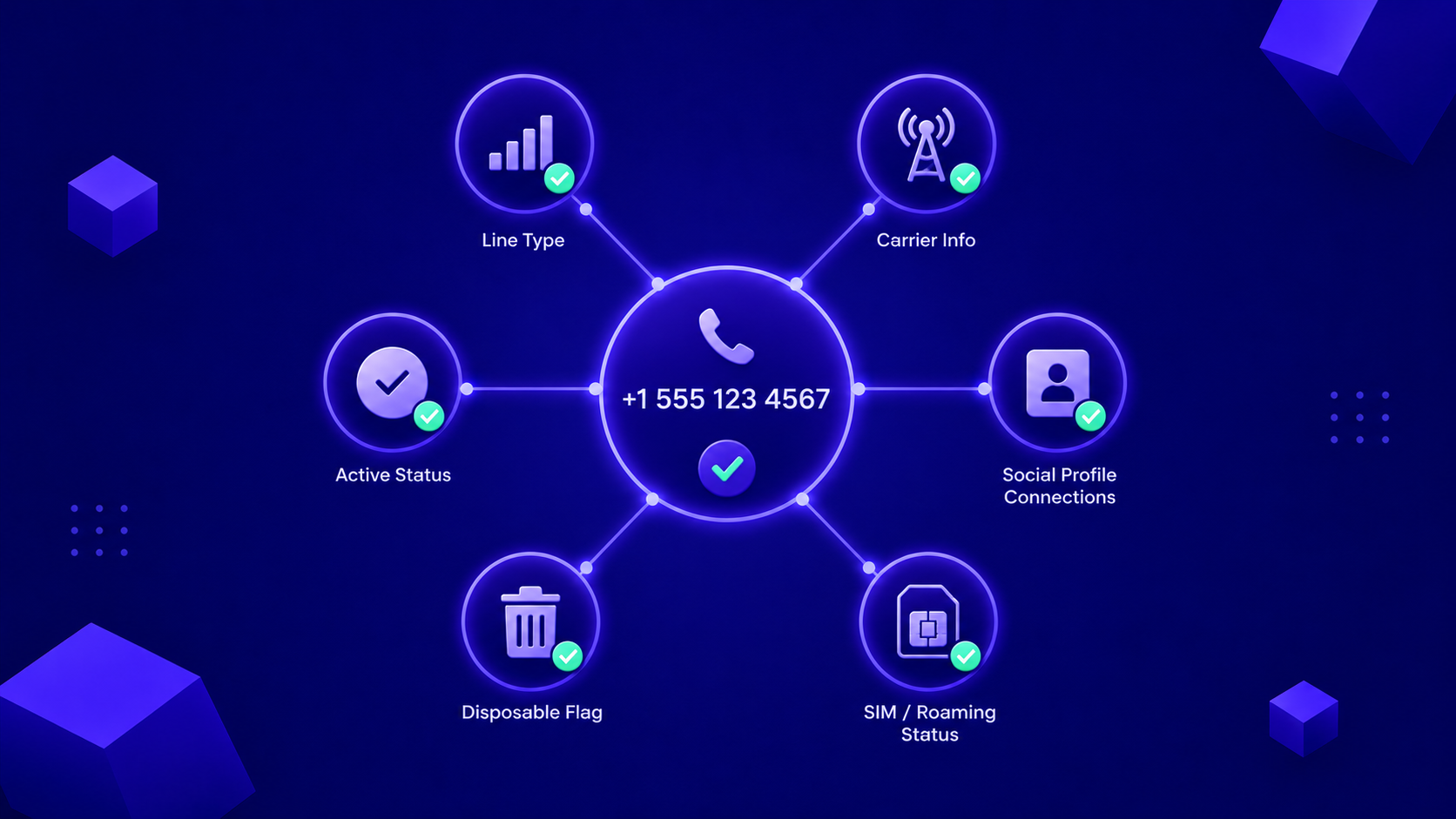
A phone number check typically returns data points like:
- Line type detection (mobile, landline, or VoIP)
- Active status confirmation
- Disposable number flags for temporary or burner numbers
- Carrier and porting history, which can signal a recent SIM swap
- Social profile linkage to legitimate accounts
- Associated identity data, such as name or address records
If you’re using a platform like AiPrise, phone number verification is automated. Our Phone Number Check feature pulls all of these data points through a single API call as part of its broader KYC verification workflow. You don’t have to manage separate integrations for each of those checks because you get everything in one response.
However, this method can’t confirm whether the individual who submitted this information has access to the number or device. So you can pair it with OTP-based verification.
Method 3: SIM-Based Verification
In the SIM-based verification method, you confirm that the physical SIM card in the user’s device matches the phone number they’ve provided. For instance, a scammer who grabs an SMS code can use it from anywhere, but it’s hard to fake possession of the SIM card.
This method is very common in banking or crypto onboarding, where you can justify the extra layer of verification. It’s usually stacked on top of API or OTP-based checks for high-value transactions.
Method 4: Silent Authentication
Silent authentication verifies the phone number in the background without requiring the user to take any action. The platform communicates with the mobile carrier to confirm that the device making the request is actually connected to the number on file.
As the user doesn’t need to do anything, it works well for consumer apps. That said, your platform still needs a direct integration with mobile network operators, and coverage varies by country and carrier, so you need to verify.
Also, the user needs to have a mobile data connection for this method to work.
Why Phone Number Verification Matters
In 2025, companies worldwide lost an average of 7.7% of revenue to fraud. Phone verification is still one of the most accessible and scalable defenses against this.
Here are a few reasons why:
- Reduces account takeover risk: A verified number ties the account to a real device, so if attackers try to hijack the account, they hit an additional barrier they can’t bypass remotely.
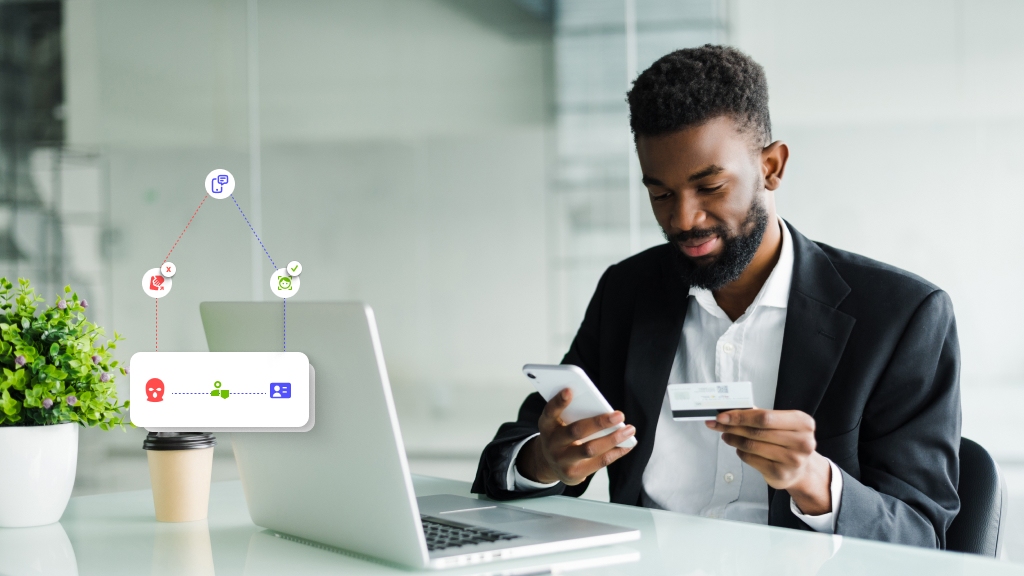
- Catches fraud before it happens: Disposable and VoIP numbers are often the first sign of a fake signup. If you flag them during registration, you can stop fraudulent accounts from being created. For fintech or neobanking platforms processing thousands of signups daily, it’s a way to save time verifying accounts manually.
- Validates contact data quality: If your sales or support team can’t reach the customer, the data is worthless. Verification confirms the number is active and belongs to a real person.
- Secures high-risk transactions: Password resets and wire transfers are among the most targeted actions. When you re-verify the phone number at the transaction level, it adds a checkpoint where it counts.
- Supports regulatory compliance: KYC and AML frameworks increasingly require verified contact information. If you have a verified number on file, it gives your compliance team cleaner records during audits and reduces the risk of regulatory penalties.
What Are the Drawbacks of Phone Verification?
Like any other verification method, this process has challenges. While it strengthens security and improves communication, its drawbacks can limit its effectiveness. Understanding these limitations helps businesses adopt better risk management practices and ensure a smoother user experience:
- Fake and disposable numbers: Some users use them to avoid promotions or unnecessary communication. Disposable number services make this even easier because users can generate a working phone number for a few minutes and pass the OTP verification. Once it’s done, they discard the number. That’s why verification platforms flag such numbers.
- Privacy concerns: The verification method requires personal contact details, which may make some uncomfortable. In some markets, particularly in regions with strong data protection regulations, collecting and storing phone numbers creates additional compliance obligations around consent and data handling.
- SIM swapping: Hackers may exploit vulnerabilities in mobile networks to access verified numbers and compromise security. In fact, SIM swap attacks increased by 1,055% in the UK in 2024, and a single case resulted in T-Mobile paying $33 million in damages in 2025. This is why you need to use phone verification alongside other authentication methods, such as carrier intelligence and porting history checks.
- SMS-specific vulnerabilities. SMS itself is an insecure transport channel. Smishing and SMS-based fraud rose 15% QoQ in Q1 2026, so you need backup methods to ensure accuracy.
- Accessibility and cost: Not all users have access to a phone or a stable network connection, which makes verification difficult for certain demographics or regions. Implementing phone identity verification systems is costly, and some advanced features can be expensive for small businesses. As you scale, the cost of each verified number (and unverified check) adds up, and international SMS delivery rates vary significantly by country.
Alternatives to Phone Number Verification
Irrespective of the method you use, it can’t realistically cover every possible scenario. So, consider using these alternatives when phone number verification isn’t enough:
- Email verification: Sends a verification link or code to the user’s email address. You can use it for low-risk use cases because it’s widely accessible. But these days, it’s very easy to create email accounts in bulk, so it’s a weak fraud signal.
- Two-factor authentication (app-based): You can use an authenticator app like Google Authenticator to generate time-based codes on your device. Or use hardware security keys to add a physical factor. Both of these apps are harder to intercept compared to SMS-based OTPs.
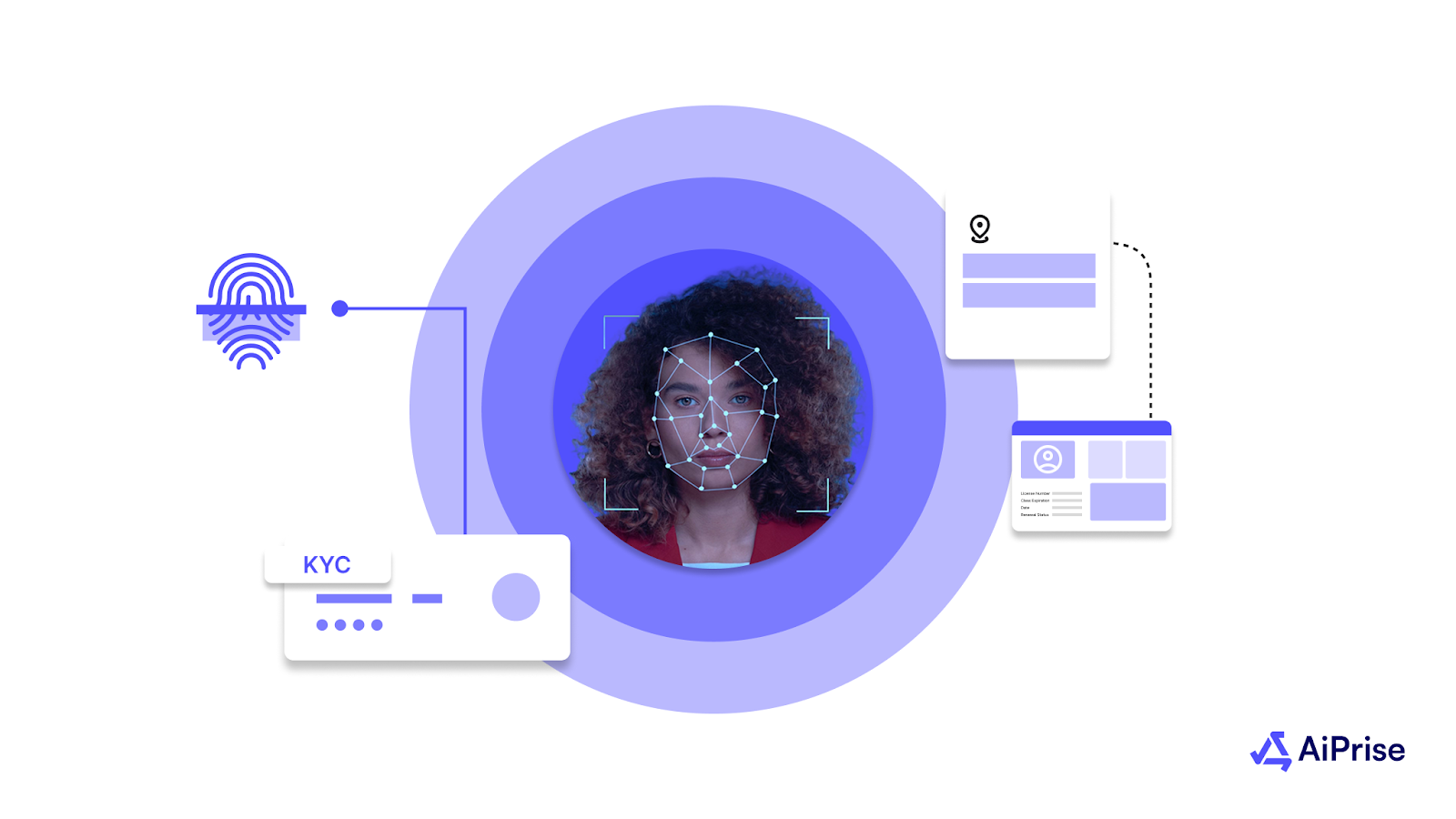
- Identity document verification: Requires users to upload photos of identity documents (passports, driver’s licenses) to verify their identity. AI-powered extraction checks for tampering and cross-references government databases. It’s a stronger identity signal than phone or email, but it adds more friction for the user, so it’s better suited for high-risk use cases.
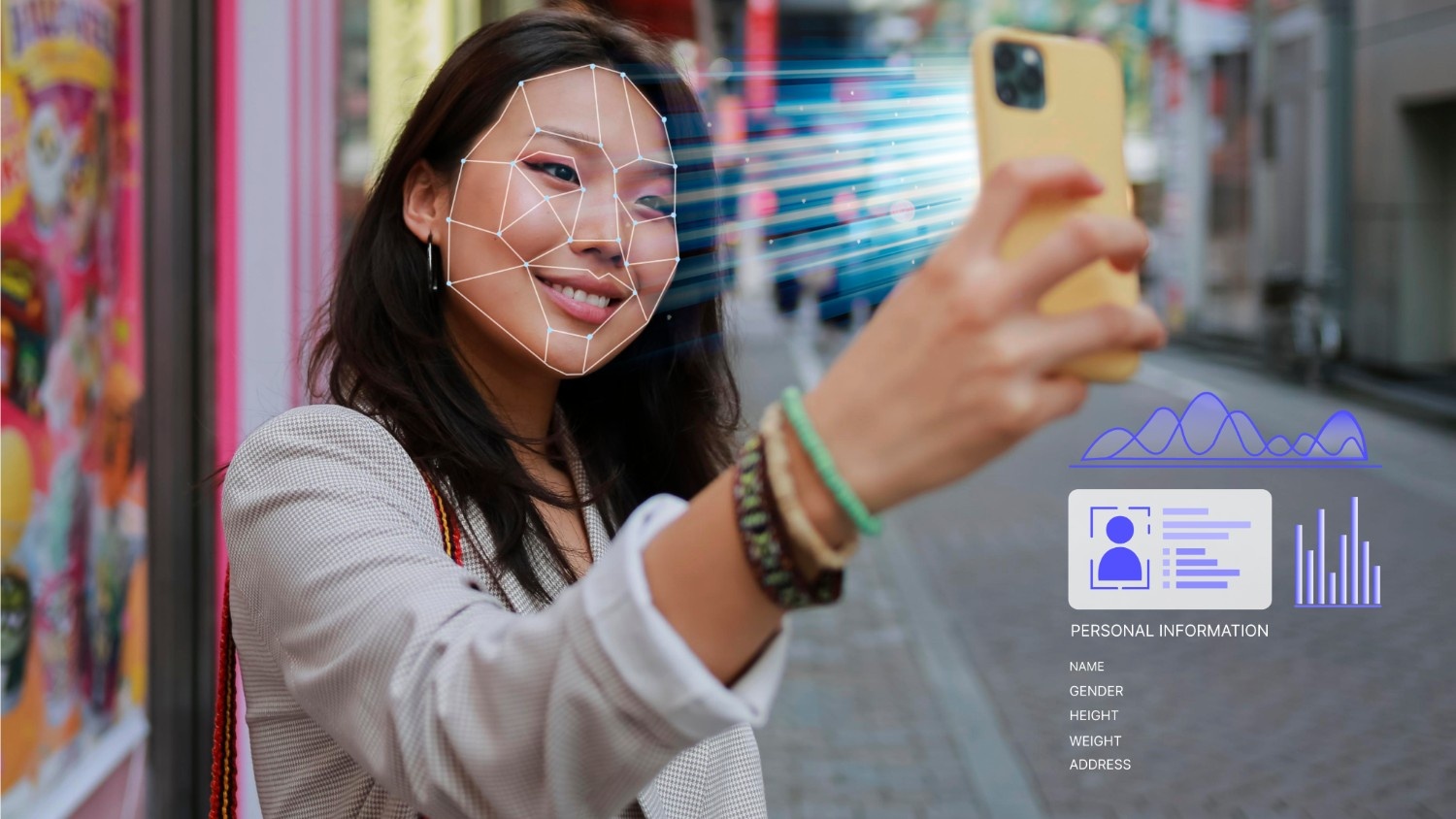
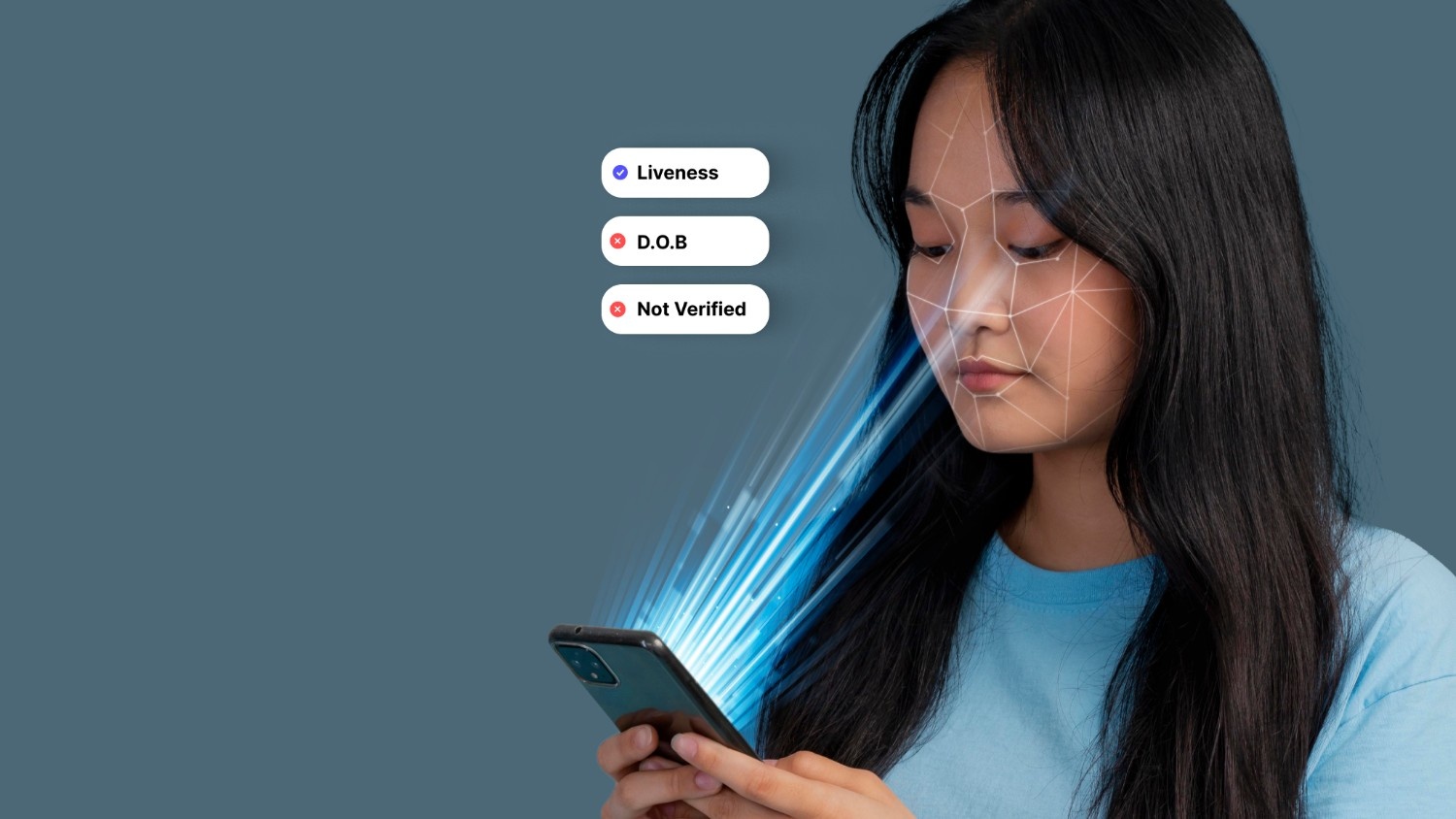
- Biometric verification: Fingerprint scanning or facial recognition with liveness detection confirms the user is physically present and they’re not just holding up a photo. Since platforms with biometric verification use advanced artificial intelligence or machine learning models, they tend to be more reliable for document and identity verification.
- Social login: Links accounts with social media profiles or third-party services (like Google or Facebook) for fast authentication without extra personal info. But you’ll be dependent on the platform. If that platform’s security is compromised, so is yours.
Build Verification That Catches Fraud Without Losing Customers
It’s a fact that the phone verification problem hasn’t changed in decades. Users continue to provide fake or disposable numbers during the KYC or KYB process to create fraudulent accounts. But that doesn’t mean you can’t do anything about it anymore.
You can verify phone numbers either using OTPs, verification APIs, SIMs, or silent authentication methods. However, the best way to verify phone numbers is to layer these methods together through a KYC automation platform.
AiPrise does exactly that. It brings these layers into a single verification workflow. Book a demo to see how it can automate the phone verification process for you.
Frequently Asked Questions
What is the difference between phone number verification and phone number validation?
Phone number verification confirms the user has access to the number, but validation checks the number’s metadata, such as the carrier, line type, and active status, without requiring any user interaction. Ideally, you should use both during KYC or KYB.
Can phone number verification prevent all types of fraud?
No. Even though phone verification catches fake signups or account takeover attempts, scammers can still use tactics like SIM swapping and social engineering to bypass phone checks.
Does phone verification work for international numbers?
Yes, but the verification coverage and reliability vary by country and carrier. For instance, OTP delivery rates vary by telecom infrastructure, while API-based validation services like AiPrise’s Phone Number Check support international numbers and return carrier-level data across multiple countries.
What happens when a user’s phone number changes?
If a user changes their number without updating their account, you won’t be able to verify their number. That’s why you should use a platform with reverification workflows so users can update their phone number using an alternative authentication method.
How does phone number verification fit into KYC and KYB compliance?
Phone verification is just one component of a broader Know Your Customer (KYC) or Know Your Business (KYB) process. If you need to comply with industry regulations, it’s mandatory in most cases, as it helps with identity verification.
You might want to read these...



AiPrise
KYB Compliance: 2026 Regulations You Should Know About
As organizations expand globally and face tighter regulations, adherence to Know Your Business (KYB) standards has become one of the most critical compliance layers for fintech, online marketplaces, and other companies that need to verify business customers before letting them perform financial transactions.






.png)

.jpg)









.png)






.png)
.png)
.png)











.png)
.png)



AiPrise’s data coverage and AI agents were the deciding factors for us. They’ve made our onboarding 80% faster. It is also a very intuitive platform.

Head of Operations



See your full compliance picture in one place
Use AI agents and global data to review businesses and users faster and more accurately
